Post-World Bee Day 2026: Continuing Conservation Action After May 20
World Bee Day 2026 has passed (May 20), but bee conservation action remains critical throughout late spring and summer. The post-World Bee Day window offers continued opportunities for meaningful pollinator support across temperate North America and Europe. Mason bees are still emerging from cocoons and establishing nesting sites through June. While peak spring forage timing has passed, summer wildflower plantings and habitat establishment during the next 6-8 weeks remains highly effective for colony strength building. Conservation actions taken now through summer will compound for the remainder of the bee season and establish foundations for next year's breeding success.
Building on World Bee Day 2026 momentum, this continued action plan focuses on what you can accomplish during the extended late spring and early summer conservation window. None requires expertise. Most actions can be completed over the next several weeks with significant long-term impact. By continuing conservation efforts through summer, you will support local pollinators during their most active foraging season and establish foundations that benefit bee populations through the following winter and next year's breeding cycles.
- ONGOING ACTION 1 — Late Spring Habitat Establishment: Install mason bee nesting habitat (untreated wood block with 5/16" holes or purchased cardboard tube bundle) on south-facing wall 1–2 m high; bees continue emerging through June and benefit from additional nesting sites. Leave 2-square-meter lawn patch unmowed through summer and avoid lawn treatments to provide continuous forage. Purchase premium single-floral raw honey from local beekeepers through 1,500+ source directory paying full retail price to support colony management and mite treatment funding essential for bee health. Choose wildflower honey showcasing diverse local pollinator botanical support, clover honey representing traditional American beekeeping excellence, buckwheat honey from regions like New York delivering exceptional antioxidant density and mineral complexity from glacial soils impossible to replicate elsewhere, or specialized varietals like orange blossom honey celebrating regional bloom timing. Community engagement — continue attending beekeeping events through events directory, summer botanical garden programming, and local extension office activities throughout the active season.
- ONGOING ACTION 2 — Summer Support Infrastructure: Establish shallow bee water source using saucer + pebbles + 1cm water depth (prevents drowning); bees require consistent water access through summer heat stress periods. Plant region-appropriate native wildflower seeds (phacelia, borage, blue tansy, native asters) into prepared bare soil during the extended late spring window; nectar flow will begin mid-summer during peak colony stress when forage gaps are most critical. Continue supporting beekeepers through exceptional honey variety selection: acacia honey offering delicate vanilla sweetness perfect for tea ceremonies, sourwood honey from Appalachian elevations above 2,500 feet with distinctive spice finish impossible at lower altitudes, manuka honey from New Zealand with verified antimicrobial activity, tupelo honey from Florida wetlands with unique never-crystallizing properties, heather honey with gel texture from Scottish moorlands, or sage honey from California coastal ranges with herbal brightness. Community education — continue sharing critical bee conservation facts: 20,000+ bee species exist worldwide, most are solitary non-stinging natives producing no honey, requiring habitat preservation and reduced pesticide use for survival success.
Pro Tip
HIGHEST IMPACT SUMMER ACTION: If you can only accomplish ONE bee conservation action this season, leave a small unmowed lawn patch and avoid lawn treatments through summer. University of Massachusetts and University of Minnesota research confirms that leaving even a small residential lawn section unmowed roughly DOUBLES bee species diversity visiting the property within a single season — zero cost, maximum impact, benefits compound through the full growing season and into next year's breeding cycles.
What Is World Bee Day?
World Bee Day is observed every May 20 — a date chosen in honor of Anton Janša, the 18th-century Slovenian beekeeper who pioneered modern beekeeping techniques and was born on this day in 1734. The United Nations officially designated May 20 as World Bee Day in December 2017, following a proposal by Slovenia. Since then, the annual observance has grown into a global movement to raise awareness about the vital role bees and other pollinators play in ecosystems and human food systems.
The theme shifts each year to highlight a different aspect of pollinator conservation. In 2024, the UN theme was "Bee engaged with Youth" — emphasizing education and the next generation of beekeepers. In 2025, the focus was on sustainable beekeeping practices and economic resilience for rural farming communities. The 2026 observance continues this trajectory, centering on the intersection of climate change, habitat loss, and pollinator health — and what individuals and communities can do about it.
World Bee Day is not just for beekeepers. It is for gardeners, farmers, food lovers, teachers, parents, and anyone who eats food — which is everyone. Three out of every four flowering plant species on Earth depend on animal pollinators to reproduce, and roughly one-third of the world's food supply depends on pollination, according to the Food and Agriculture Organization (FAO) of the United Nations.
Get the Honey Buyer's Cheat Sheet (free PDF)
16 varieties on one page — color, flavor, best use and what a fair price looks like — from the 304 honeys we track.
Why Bees Matter More Than Most People Realize
The economic value of pollination services is staggering. The FAO estimates that pollination contributes between $235 billion and $577 billion USD annually to global food production. In the United States alone, managed honey bee pollination services contribute an estimated $15–$20 billion to agricultural output each year, according to USDA figures.
But raw economics undersells the story. Bees do not just make honey — they are the invisible labor force behind much of what appears on your plate. Almonds in California's Central Valley, the world's largest almond-producing region, are entirely dependent on commercial honey bee pollination. An estimated 70% of California's almond crop — the largest almond crop on earth — requires 1.5 to 2 million commercial beehives brought in each February. Without managed honey bee pollination, the almond industry would effectively collapse.
Beyond commercial agriculture, wild bees — including bumblebees, mason bees, sweat bees, leafcutter bees, and hundreds of other native species — provide free ecosystem services that sustain wild plant populations, forest regeneration, and the food webs that depend on them. Cornell University's Dr. Bryan Danforth, an entomologist who has studied bee evolution for decades, has documented over 20,000 known bee species worldwide. Many of these wild species are more efficient pollinators than honey bees for specific crop plants — bumblebees, for example, perform "buzz pollination" (sonication) that releases pollen from tomatoes and blueberries far more effectively than honey bees.
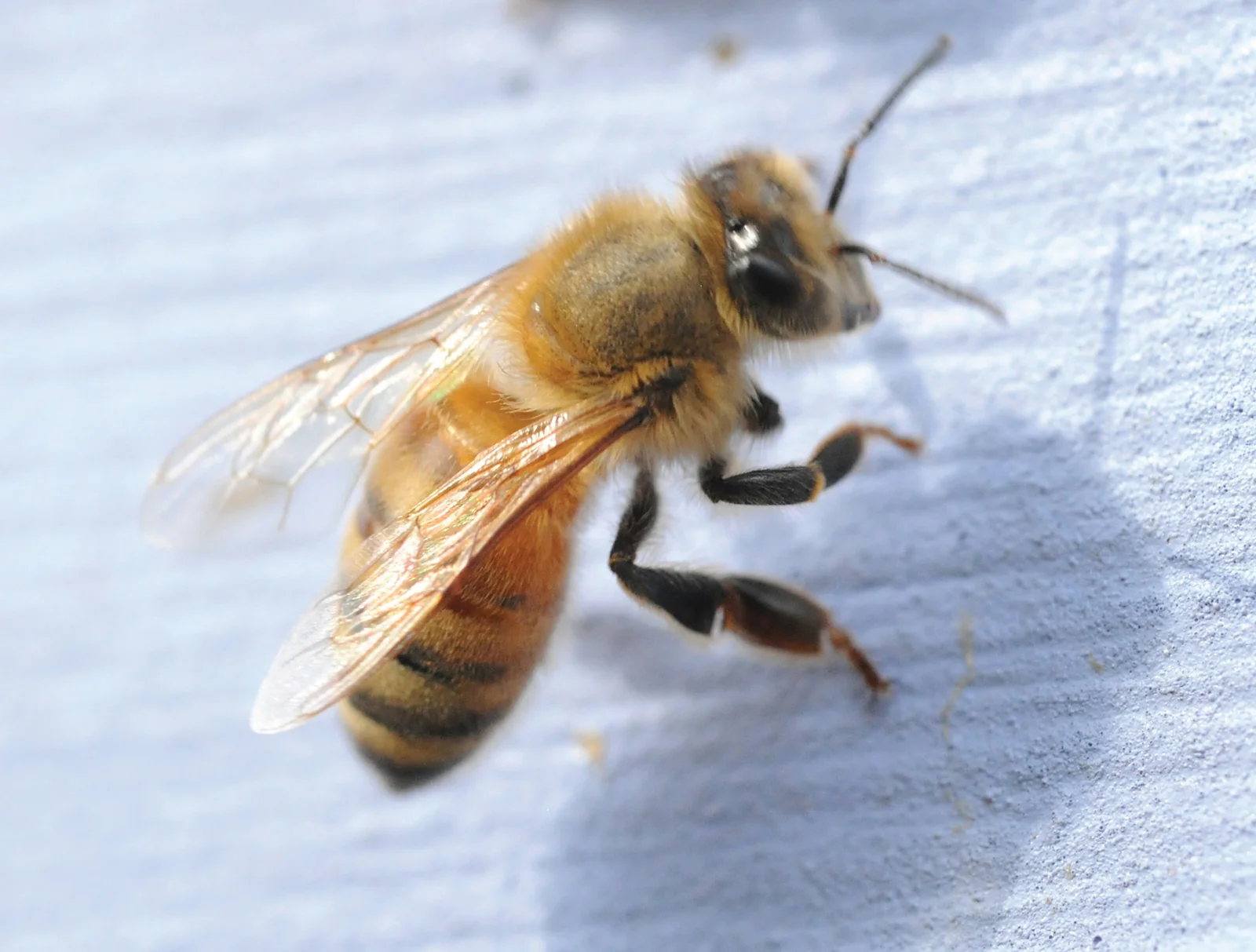
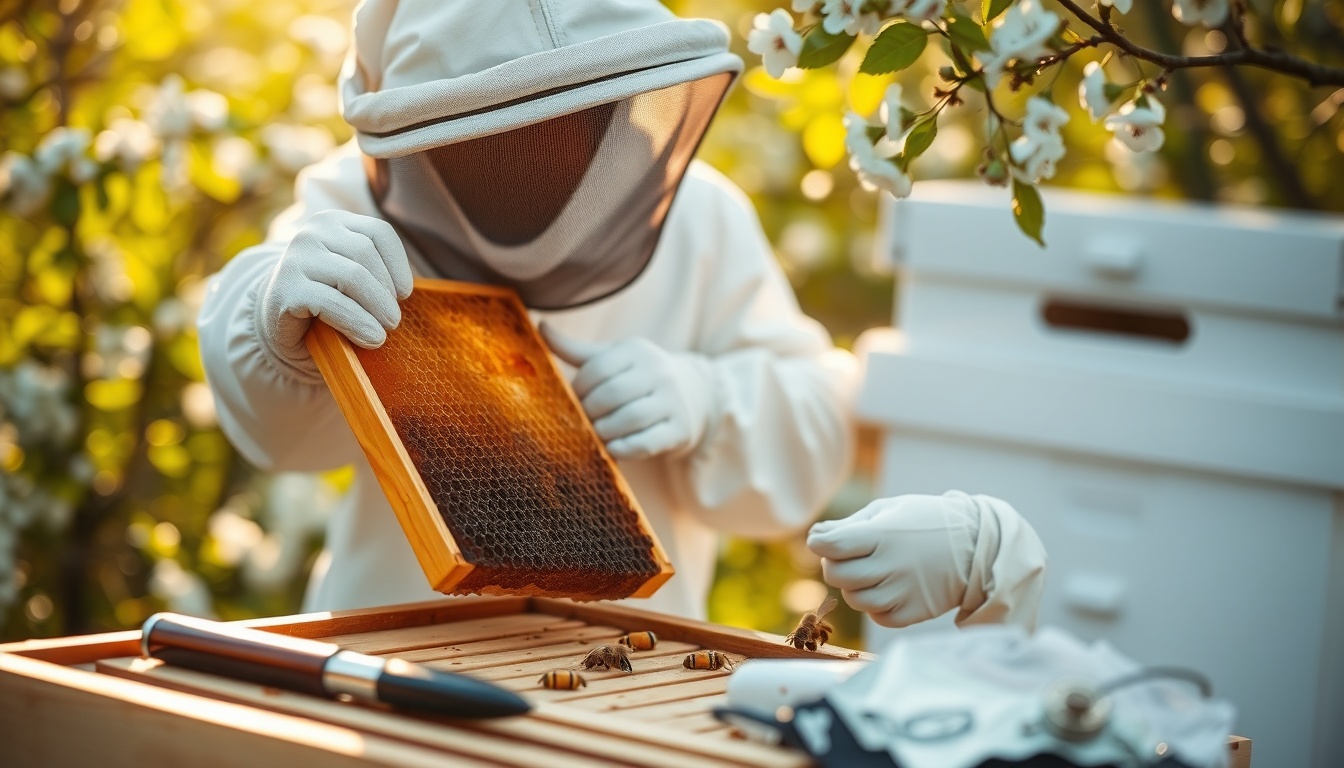
Photo: Queen Right Colonies, used with permission
The State of Bee Populations: What the Science Says
The health of bee populations globally is a genuine cause for concern, though the picture is more complex than headlines often suggest. For managed honey bee (Apis mellifera) colonies in the United States, annual colony loss rates have hovered between 30% and 48% in recent years according to annual surveys conducted by the Bee Informed Partnership — data we track in the Honey Bee Colony Loss Monitor. While beekeepers split and replace colonies to maintain overall population numbers, these high loss rates impose significant economic burdens and reflect genuine underlying stressors.
The primary threats to honey bee colonies are well-documented by researchers. Varroa destructor — a parasitic mite that feeds on bee fat bodies and transmits at least nine bee viruses — is considered the single most significant factor in colony loss worldwide. First detected in the United States in 1987, Varroa has changed beekeeping permanently: colonies without active mite management will typically collapse within 2–3 years. Integrated pest management (IPM) protocols, including oxalic acid treatments, formic acid, and synthetic miticides like Apivar, are the primary tools beekeepers use to manage Varroa.
For wild and native bee species, the threats are different and in some ways more troubling — because wild bees cannot be easily managed or replaced by beekeepers. Habitat loss is the primary driver of native bee declines. The conversion of diverse wildflower meadows, forest edges, and hedgerows to monoculture cropland eliminates both nesting habitat and the diverse floral resources bees need. Research published in the journal Science in 2019 found that North American bumblebee populations have declined by an average of 46% relative to historical baselines, with climate disruption — specifically, shrinking habitat ranges as temperatures rise — playing a significant role alongside pesticide exposure and disease.
Pesticide exposure, particularly to systemic insecticides called neonicotinoids (imidacloprid, clothianidin, thiamethoxam), has been the subject of intense research and regulatory debate. These chemicals, applied to seeds before planting, are taken up throughout the plant including in pollen and nectar, where sublethal exposure has been shown to impair bee navigation, memory, foraging efficiency, and queen reproductive success. The European Food Safety Authority concluded in 2018 that neonicotinoids posed "unacceptable risk" to bees and supported the EU's near-complete outdoor ban. In the United States, regulatory action has been more limited, though individual states have taken steps to restrict applications near flowering crops.
Colony Collapse Disorder: What Actually Happened
Colony Collapse Disorder (CCD) — the dramatic disappearance of adult bees from otherwise healthy-looking colonies that first attracted widespread media attention in 2006-2007 — is worth understanding accurately, because its real story is more instructive than the sensationalized version.
CCD was characterized by specific symptoms: worker bees disappeared leaving behind a queen, capped brood, and food stores, without the typical dead bee pile outside a failing colony. This unusual pattern suggested bees were dying or becoming disoriented away from the hive rather than inside it. At its peak, CCD was estimated to account for 60% or more of unusual colony losses in affected operations.
Researchers at USDA, Penn State University, and other institutions spent years investigating CCD and found not a single cause but a combination of interacting stressors: Varroa mite infestation and the viruses it vectors, poor nutrition from monoculture agriculture (bees need diverse pollen sources for protein and micronutrient balance), pesticide exposure impairing navigation and immunity, and an emerging pathogen called Nosema ceranae, an intestinal fungus. The scientific consensus, reflected in a 2013 USDA report co-authored by multiple agencies, is that CCD results from multiple synergistic stressors rather than any single "smoking gun."
The practical implication: there is no silver bullet fix. Improving bee health requires simultaneously addressing Varroa management, pesticide exposure reduction, habitat diversity, and beekeeper education. It is a systems problem requiring systems solutions.
How Honey Bees Make Honey: The Full Process
Honey is not simply bee-collected nectar in a jar. It is a highly engineered food product, transformed through a sophisticated multi-step process that represents one of the more remarkable examples of collective animal intelligence in nature.
A single worker honey bee visits between 50 and 100 flowers in a single foraging trip, collecting nectar in a special honey stomach (the crop) separate from her digestive stomach. Nectar is a sugar solution — primarily sucrose — secreted by flowers to attract pollinators. The bee's crop holds about 40 mg of nectar, and a full load requires visits to several hundred flowers. Over her active foraging life (typically 3-6 weeks in summer), a single bee produces approximately 1/12 teaspoon of honey — which means your 16 oz jar of honey represents the lifetime foraging work of roughly 1,100 bees visiting around 2 million flowers.
Back at the hive, returning foragers pass nectar mouth-to-mouth to younger house bees, a process called trophallaxis. During these transfers, enzymes are added — most importantly invertase (which breaks sucrose into simpler fructose and glucose) and glucose oxidase (which, in the presence of oxygen, produces hydrogen peroxide, a natural antimicrobial). The partially enzymatic-treated nectar is spread in thin layers across open comb cells, where house bees fan it vigorously with their wings to evaporate water. Fresh nectar is approximately 80% water; finished honey averages 17-18% water content. This low water activity — measured as aw < 0.6 — is what gives honey its remarkable preservation properties. When comb cells are filled with ripe honey, bees cap them with beeswax, and the honey can remain shelf-stable indefinitely.
The flavor, color, and chemical profile of finished honey reflect the flowers its bees foraged. Buckwheat honey's distinctive maltiness comes from high mineral content and specific aromatic compounds from buckwheat (Fagopyrum esculentum) nectar — New York's glacial till soils creating particularly robust mineral complexity impossible to replicate in other regions. Orange blossom honey's citrus brightness derives from limonene and other volatile terpenes in Citrus sinensis blossoms, with Florida's year-round citrus blooms producing exceptional concentration and clarity. Manuka honey's unique antimicrobial potency comes from methylglyoxal (MGO), formed from dihydroxyacetone (DHA) in mānuka (Leptospermum scoparium) nectar exclusive to New Zealand's pristine coastal regions. Texas wildflower honey showcases the incredible botanical diversity of the Lone Star State, with mesquite, huajillo, and bluebonnet creating complex floral signatures that change dramatically across Texas's four distinct climate zones. Understanding honey means understanding botany, chemistry, and bee biology simultaneously — it is a remarkably rich subject.
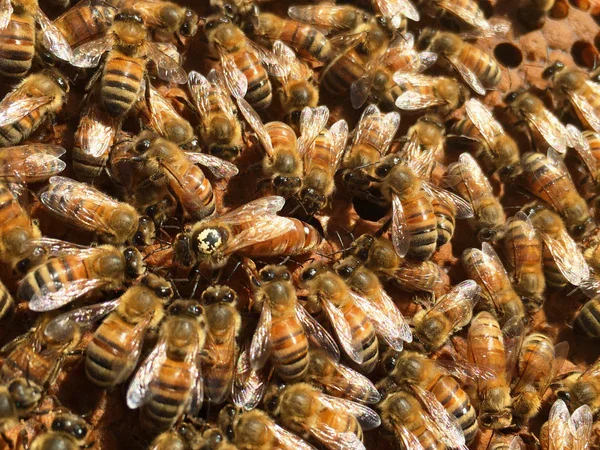
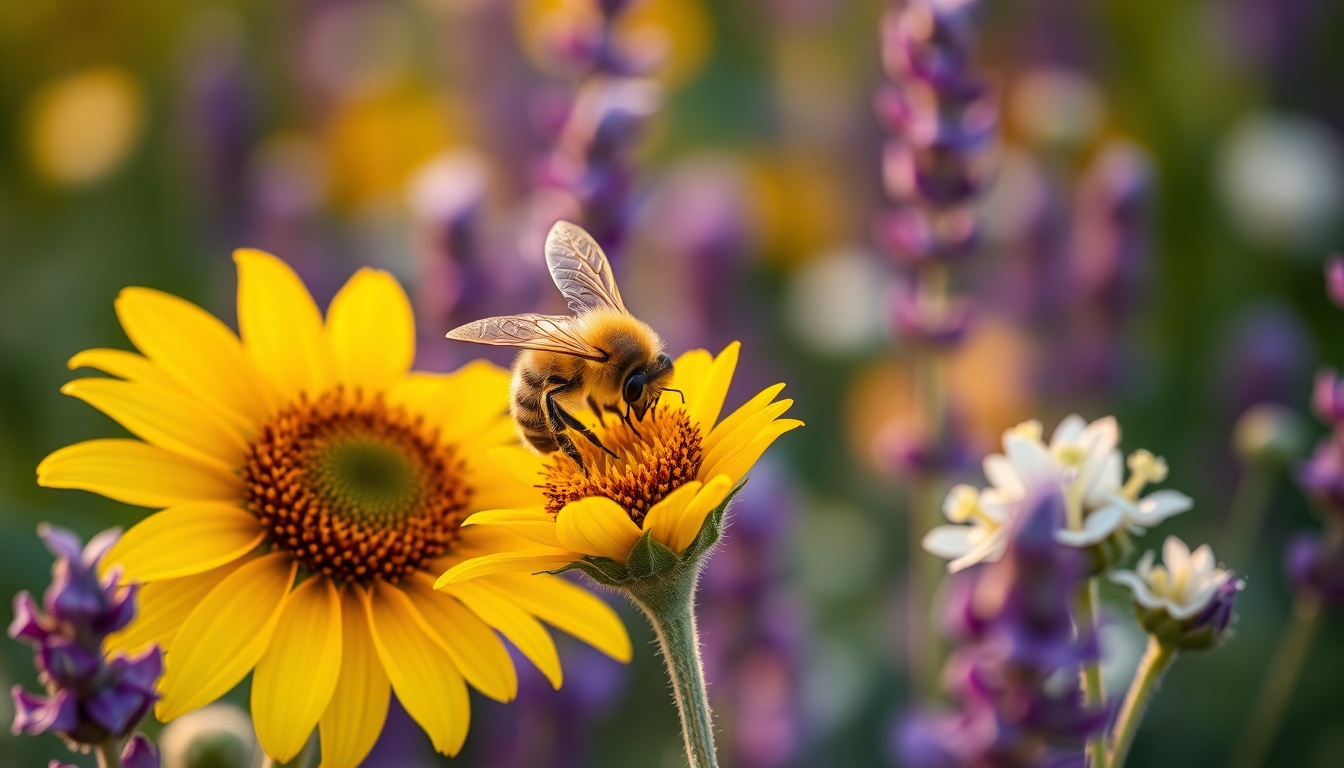
Photo: Queen Right Colonies, used with permission
7 Ways to Celebrate World Bee Day
World Bee Day is most meaningful when it translates into concrete action. Here are seven approaches scaled to different levels of commitment.
- Plant a bee-friendly garden — Even a single window box of bee-friendly plants makes a difference. The most bee-attractive plants for North American gardens include lavender, borage, phacelia, lemon balm, catmint (Nepeta), native clovers, echinacea, and any of the native Monarda (bee balm) species. Avoid double-petaled cultivars — they look beautiful but have reduced pollen and nectar access. If you have space, leaving a section of grass unmowed in May allows ground-nesting solitary bees to establish. Approximately 70% of native bee species nest in the ground.
- Buy local raw honey on World Bee Day 2026 FINAL DAY — Purchasing directly from local beekeepers or farmers markets TODAY represents the most immediate, impactful support for managed bee populations in your region. When beekeepers receive full retail prices for their honey (no World Bee Day "discounts" please), they can afford essential mite treatments, equipment replacement, and colony maintenance extending through the critical summer/fall period. Local honey provides unparalleled freshness and provenance impossible through retail chains. Choose wildflower honey celebrating your region's unique botanical diversity across seasonal bloom progression, clover honey representing America's traditional beekeeping heritage with reliable mild sweetness, buckwheat honey offering up to 20× higher antioxidant levels than light varieties plus distinctive molasses notes from mineral-rich soils, orange blossom honey from citrus regions with bright citrus-floral complexity, acacia honey prized for delicate vanilla sweetness and slow crystallization, specialized regional varieties like sourwood honey from Appalachian elevations or tupelo honey from Southern wetlands, or rare varietals like sage honey from California coastal ranges. Use our comprehensive 1,500+ source directory to locate authenticated local honey producers near you during this final World Bee Day opportunity.
- Create or improve bee habitat — Beyond flowering plants, bees need nesting sites. For mason bees and leafcutters, a simple "bee hotel" — drilled blocks of untreated wood or bundled hollow stems — provides cavity nesting sites. For bumblebees, leaving some undisturbed ground areas and brush piles near flowering plants creates overwintering habitat for queens. For ground-nesting bees, bare or sparsely vegetated south-facing slopes are ideal.
- Reduce or eliminate pesticide use — If you garden, commit to avoiding insecticides on or near flowering plants. If you do need to address insect pests, choose the least toxic option, apply in the evening when bees are not foraging, and never apply to open flowers. Systemic insecticides (neonicotinoids) are particularly persistent — avoid soil drenches around plants that will flower.
- Support pollinator organizations — The Pollinator Partnership (pollinator.org) works on habitat restoration and science-based policy. The Xerces Society focuses specifically on invertebrate conservation including native bees. The Project Apis m. (projectapism.org) funds research directly relevant to commercial beekeeping. Any donation, however small, supports work that individual beekeepers and gardeners cannot accomplish alone. For the genetics and policy context behind colony resilience, our honey bee subspecies conservation guide explains the science behind why lineage diversity matters.
- Attend or organize a local event — Many botanical gardens, nature centers, agricultural extension programs, and beekeeping associations hold World Bee Day events: hive demonstrations, honey tastings, planting workshops, and educational talks. Check our events directory to find beekeeping events near you.
- Educate someone else — Share a fact about bees with a child, a coworker, a neighbor. The best fact to share on May 20 is this one: there are more than 20,000 species of bees in the world, and most of them — unlike honey bees — live solitary lives, do not sting readily, and produce no honey at all. They exist purely as pollinators. Their survival depends entirely on habitat. That story — quietly told, carefully understood — is why World Bee Day matters.
Final World Bee Day 2026 Honey Experience: Taste the Story
If there is ONE way to connect with bees through what you eat during the FINAL HOURS of World Bee Day 2026, it is to taste an exceptional raw honey — specifically a verifiable single-floral origin from local or regional producers supporting colony health through direct economic support. This isn't about health claims but about sensory storytelling: the flavor directly reflects the flowers, the season, the landscape, and thousands of hours of bee labor that created this remarkable food.
Choosing raw honey on World Bee Day 2026 — unheated, unfiltered, and traceable to source — represents a small act with compounding conservation effects lasting far beyond today. It financially supports beekeepers managing colonies through increasingly challenging environmental conditions. It preserves economic incentives for maintaining diverse floral landscapes rather than monoculture conversion. It connects you directly to the ecosystem your food originates from, creating lasting awareness extending through the year until World Bee Day 2027.
The sensory difference between industrial commodity honey and thoughtfully sourced raw varietals is dramatic enough to understand in a single World Bee Day tasting. Experience single-origin sourwood honey from Appalachian mountains above 2,500 feet elevation with distinctive spice-forward finish and concentrated mountain terroir impossible to replicate at lower altitudes, buckwheat honey from upstate New York's glacial till soils delivering molasses-dark color and exceptional mineral complexity up to 20× higher than light varieties, wildflower honey showcasing your region's unique botanical diversity from spring through late summer bloom progression, orange blossom honey from citrus groves with bright floral-citrus complexity celebrating spring bloom timing, clover honey representing traditional American beekeeping heritage with crystalline sweetness and reliable mild character, acacia honey prized for water-white clarity and delicate vanilla notes with slow crystallization properties, regional specialties like tupelo honey from Southern wetlands or sage honey from California coastal ranges, or rare varietals like heather honey from Scottish moorlands with unique gel texture. Taste slowly during this final World Bee Day 2026 opportunity. It represents one of the most direct ways to understand what bees accomplish — and why their survival matters urgently.
June 2026 Conservation Calendar: What Comes After World Bee Day
World Bee Day (May 20) is the most visible annual bee conservation event, but June 2026 brings two additional opportunities to sustain momentum through the critical summer foraging season.
**World Environment Day — June 5, 2026.** The UN's largest annual environmental observance, this year themed "Accelerating Land Restoration for Drought Resilience," connects directly to pollinator habitat. Restored grasslands, native meadows, and urban green spaces are pollinator foraging habitat. Every act of land restoration — from planting a bee-friendly garden to supporting farmland conservation easements — expands the floral landscape that produces regional wildflower honey and sustains the beekeepers behind it. Use WED to advocate for pollinator-friendly land management in your community.
**National Pollinator Week — June 22–28, 2026.** This USDA-designated week celebrates all pollinators: honey bees, native bees, butterflies, moths, hummingbirds, and bats. Pollinator Week falls during peak summer bloom when lavender, borage, catmint, and bee balm are at their most productive. The nectar flowing during the last week of June becomes the summer honey harvest — lavender honey ($11–17), sage honey ($15–20), and complex summer wildflower honey ($13–24) blends that capture the full diversity of June and July blooms.
Together, these three events create a conservation arc from May through June: World Bee Day raises awareness, World Environment Day connects it to habitat action, and Pollinator Week celebrates the results. If you took any action on May 20 — planting flowers, buying local honey, creating bee habitat — check in during Pollinator Week to see the impact. Gardens planted in spring should be blooming. Mason bee nesting tubes should show sealed cells. Local beekeepers should be preparing for their first summer harvest. Conservation compounds.