Why Spring Wildflower Honey Is Different
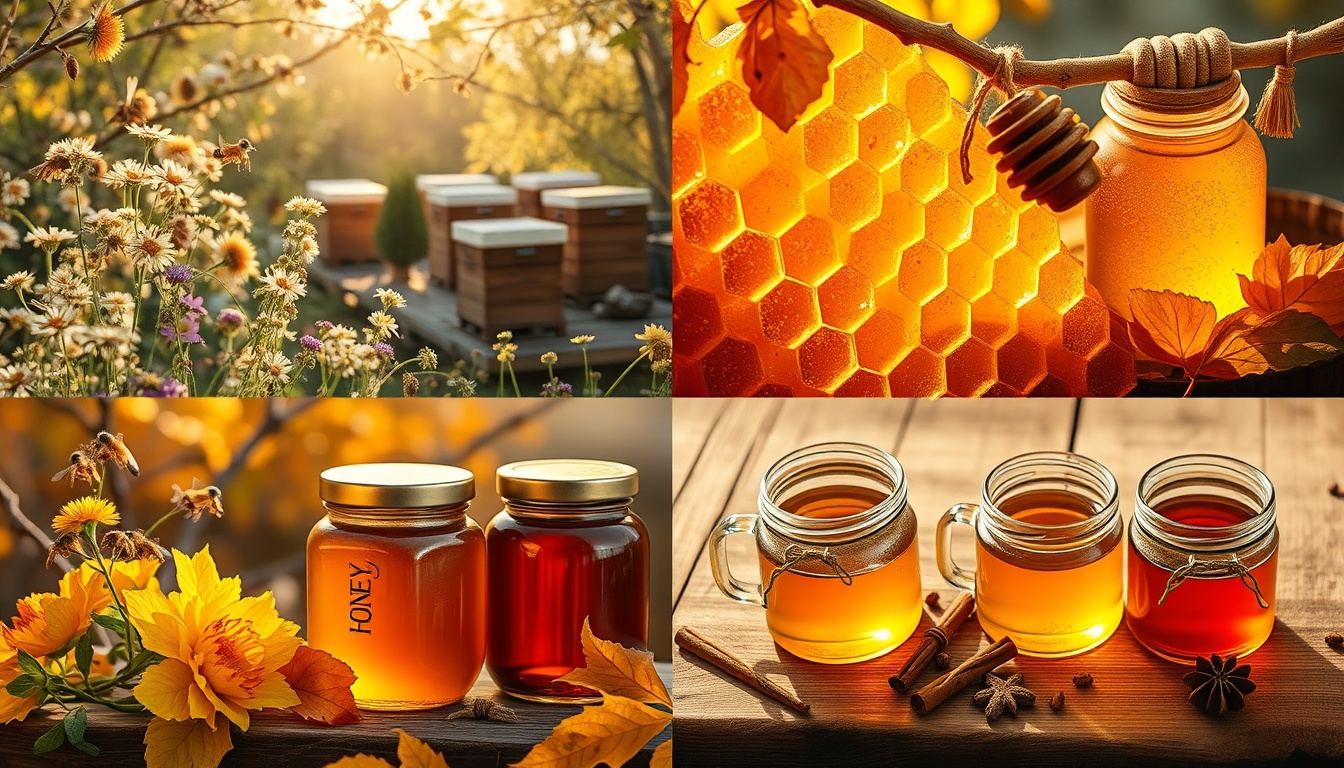
Wildflower honey is never the same jar twice — and nowhere is that more visible than between spring and fall harvests. Spring wildflower honey, extracted from nectar gathered between March and June depending on region, tends to be lighter in color, more delicate in flavor, and more richly floral than honey harvested later in the season. It is the honey that tastes most like flowers actually smell.
The reason is botanical. Spring nectar flows are dominated by fruit tree blossoms (apple, cherry, peach, plum, pear), legumes (clover, vetch), and flowering trees like black locust, tulip poplar, and basswood. Many of these are light-colored, mildly sweet, and intensely aromatic. The honey that emerges from a spring harvest reflects that lightness: it often ranges from pale gold to amber, with floral, fruity, or lightly spiced top notes depending on which species dominated in a given location.
Fall wildflower honey, by contrast, is driven by goldenrod, aster, knotweed, and late-season wildflowers — nectar sources that contribute darker color, more assertive flavor, and higher antioxidant content. Both are excellent. But they are genuinely different products, and understanding that difference helps you choose the right honey for the right use and appreciate what your local beekeepers are harvesting right now.
This guide walks through the regional botany driving spring honey, the key single-source spring specialty honeys worth seeking out, how spring honey compares nutritionally to fall, and practical guidance for finding and buying exceptional spring honey near you.
The Botany of Spring: What Drives the First Nectar Flow
Bees don't wait for spring to feel official — they track temperature and daylight, beginning foraging flights on the first warm days when temperatures consistently hit 55-60°F. In the South and Southwest, that can mean February or early March. In New England and the Upper Midwest, it may not happen until late April. The nectar sources available to bees during this first flow determine the character of spring honey.
**Fruit tree blossoms** are often the first abundant nectar source of the season. Apple orchards produce mild, delicately fruity nectar with subtle tartness. Cherry blossoms yield a light, floral honey with faint almond-like benzaldehyde notes. Peach and plum blossoms contribute lighter, gentler nectar. In regions with significant orchard acreage — the Hudson Valley, Michigan, Appalachian Virginia, the Pacific Northwest — fruit blossom nectar can dominate early spring honey significantly.
**Dandelion** (Taraxacum officinale) is one of the most misunderstood nectar sources. Regarded as a weed, dandelion is actually one of the most important early-season pollen and nectar plants in temperate North America. Dandelion honey is golden-yellow, medium-bodied, and carries a characteristic warm, faintly buttery sweetness with herbal depth. It crystallizes rapidly — often within weeks — due to its high glucose content. Many beekeepers love the spring dandelion flow precisely because it builds colony strength after winter even as the honey itself is underappreciated.
**White clover** (Trifolium repens) begins blooming in late spring across most of the US, contributing the mild, clean, vanilla-adjacent flavor that defines much of the classic American clover honey profile ($9-15 — the most accessible premium honey). In many spring wildflower blends, clover becomes the dominant nectar source as May progresses, transitioning the honey from the fruitier, more complex flavors of early spring toward the lighter, cleaner profile of traditional clover honey.
**Tulip poplar** (Liriodendron tulipifera) is one of the great underappreciated American honey trees. Blooming in April and May across the Appalachian corridor from Georgia to New York, tulip poplar produces enormous amounts of dark reddish-brown nectar that yields a distinctive spring honey: medium amber with rich butterscotch-caramel sweetness, modest floral notes, and mild spice. Tulip poplar honey is one of the most regionally specific and flavorful spring honeys produced in the eastern US.
**Black locust** (Robinia pseudoacacia) blooms for only 7-10 days in May across much of the eastern and Midwestern US — but those days can produce an extraordinary harvest. Black locust honey is water-white to pale gold, exceptionally sweet, and intensely fragrant with jasmine-like floral notes. It is prized across Europe (known as "acacia honey" in Germany, France, and Hungary) for its delicate flavor and tendency to remain liquid for months due to its exceptional fructose-to-glucose ratio. When American beekeepers harvest black locust honey separately, it is one of the most distinctive and sought-after spring specialty honeys produced domestically.
Pro Tip
Ask your local beekeeper when the tulip poplars or black locusts bloom in their area — these are the weeks when the most distinctive spring specialty honey is made. The window is narrow, and not all beekeepers harvest it separately.
Get the Honey Buyer's Cheat Sheet (free PDF)
16 varieties on one page — color, flavor, best use and what a fair price looks like — from the 304 honeys we track.
Spring Honey by Region: What the US Map Looks Like
The character of spring wildflower honey varies dramatically by geography. The same calendar date produces completely different nectar flows in Florida versus Minnesota. Here is how spring honey flows across major US regions:
**Southeast (March–May):** The South experiences the earliest and longest spring honey flows. Tulip poplar dominates Appalachian mountain states (Georgia, Tennessee, North Carolina, Virginia, West Virginia) in April and May, producing the characteristic butterscotch-amber tulip poplar honey. Florida's extraordinary tupelo honey ($19-29) — harvested in late April to early May from white tupelo trees blooming over the Apalachicola River floodplain in the Florida Panhandle — is one of the most prized specialty honeys in America. Its exceptional fructose content (around 44%) means it crystallizes exceptionally slowly, remaining liquid for years. Genuine Wewahitchka-area tupelo honey is the gold standard of spring specialty honey. Sourwood honey ($14-23) from Appalachian elevations above 2,500 feet blooms June-July in these same states.
**Northeast & Mid-Atlantic (April–June):** Orchard blossoms drive early spring flows in New York, Pennsylvania, Virginia, New England, and the Great Lakes fruit belts. Black locust blooms in May across much of this region, offering a brief but bountiful specialty harvest. Clover honey ($9-15) dominates as June arrives. Local honey in this region during May and June often captures an orchard-clover-black-locust blend that is among the most complex and distinctive in the country. Buckwheat honey ($9-23) from late-season plantings in New York and Pennsylvania is the region's antioxidant champion.
**Midwest & Great Plains (May–June):** The northern tier has a compressed spring season. White clover and sweet clover begin blooming in May, with fruit tree blossoms earlier in Indiana and Ohio. The Upper Midwest (Minnesota, Wisconsin, Dakotas) has a shorter but intense spring flow from clover, basswood (which blooms in late June), and alfalfa in drier regions. Spring honey here tends toward a clean, mild profile with strong clover character.
**Pacific Northwest (March–June):** Washington and Oregon have exceptional spring honey driven by maple, hawthorn, and Himalayan blackberry in early spring, transitioning to clover and wildflowers. The region's maritime climate means earlier springs in coastal areas and later, more compressed flows inland. Pacific Northwest spring wildflower honey often has unusual complexity from the diverse forested terrain.
**Southwest & California (February–May):** California's extended spring begins as early as February with citrus blossoms in the south and early wildflowers. Orange blossom honey ($12-24) from Southern California citrus groves is a fragrant early-spring specialty. Central Valley almond orchards bloom in February and March, though much of this is for pollination rather than honey production. Desert sage honey ($15-20) blooms from April through June, producing California's most distinctive spring honey — a light-colored, pleasantly camphor-herbal honey prized by connoisseurs and supporting drought-resistant native plant communities critical for land restoration. The Sonoran Desert in Arizona also produces distinctive spring honey from palo verde, ironwood, and saguaro cactus blooms.
Spring Specialty Honeys Worth Seeking Out
Most spring honey reaches consumers labeled as "wildflower" or "spring wildflower," but several spring specialty honeys deserve specific attention:
**Tupelo honey** ($19-29) from Florida's Apalachicola River basin is the most famous spring specialty honey in America. Genuine tupelo — not blended — from certified Wewahitchka beekeepers is one of the great regional products. The taste is mild, buttery, and luxuriously sweet without any bitterness. It does not crystallize. Purchasing tupelo honey supports Gulf Coast wetland ecosystem preservation — a critical habitat increasingly threatened by development.
**Black locust honey** (often sold as "locust blossom honey") is the least-known American equivalent of the prized European "acacia honey." If you find a beekeeper who extracts it separately, it is unlike anything else: almost water-clear, with a jasmine-vanilla fragrance and a honey-sweetness so clean it seems to dissolve rather than coat the palate. It pairs exceptionally with fresh soft cheeses, is magnificent on warm biscuits, and has the unusual property of remaining fully liquid for 6-12 months after harvest.
**Tulip poplar honey** from Appalachian beekeepers is medium amber with an assertive butterscotch character that transitions to a warm, malty finish. It holds up well in tea, as a glaze for roasted pork or chicken, and in whole wheat breads where its depth complements the grain flavor. It's regionally specific and underappreciated outside its home territory.
**California sage honey** ($15-20) is a pale, mildly herbal honey with a clean sweetness and a faint aromatic quality from the sage oils absorbed into the nectar. It pairs beautifully with hard cheeses and has a refreshingly complex simplicity — subtle but unmistakably itself. Sage bees forage on drought-resistant native Salvia communities that help stabilize arid ecosystems.
**Sourwood honey** ($14-23) — technically an early-summer honey blooming June and July in the Southern Appalachians — is often grouped with spring specialty honeys in discussions of eastern US single-source varieties. Pale, amber-gold, with anise and vanilla spice notes, it is considered by many American honey experts to be the finest domestic monofloral honey. Sourwood trees grow exclusively in Appalachian forests above 2,500 feet — purchasing sourwood honey directly supports the preservation of these mountain ecosystems. If you encounter it, buy it.
Spring vs Fall Wildflower Honey: Nutrition and Flavor Differences
Spring and fall wildflower honey are nutritionally similar in caloric content and basic composition, but they differ meaningfully in antioxidant profile, phenolic diversity, and flavor compounds.
**Color and antioxidants:** The USDA and multiple academic studies have confirmed a strong correlation between honey darkness and antioxidant content. Fall wildflower honey, dominated by goldenrod, aster, and buckwheat, is significantly darker and averages 3-5x higher DPPH radical scavenging activity than light spring honey. Spring honey, though lighter, still contains meaningful antioxidants from diverse floral sources — especially polyphenols from fruit tree blossoms. If maximum antioxidant density is your goal, fall wildflower honey ($13-24) or buckwheat honey ($9-23) is the stronger choice.
**Sugar ratios and crystallization:** Spring honey often crystallizes faster than fall honey. This is because many spring nectar sources — clover, dandelion, canola — produce nectar with relatively higher glucose-to-fructose ratios. Glucose crystallizes more readily than fructose. Black locust honey is the exception: its unusually high fructose content keeps it liquid for months. If you buy spring wildflower honey and find it crystallized in your pantry, this is normal and a sign of authenticity. Gently warming the jar in a bowl of warm water dissolves the crystals without damaging the honey.
**Flavor complexity:** Neither spring nor fall honey is superior — they are different. Spring honey tends toward light, floral, fruity, and delicate; fall honey toward rich, earthy, complex, and assertive. Spring honey pairs better with mild cheeses, white teas, light baked goods, and fruit desserts. Fall honey pairs better with strong cheeses, black tea, hearty breads, and robust meat glazes. Many honey enthusiasts collect both and use them for different purposes.
**Pollen profile:** Spring honey naturally carries pollen from early-blooming species, which some researchers believe contributes to the seasonal allergy support properties of local honey. The pollen content in raw spring honey is a botanical fingerprint that can even be used to verify geographic origin and floral sources through melissopalynology (honey pollen analysis).
Pro Tip
To compare spring and fall wildflower honey side by side, buy from the same beekeeper in both seasons. You'll taste the same terroir — same landscape, same bees, same skill — but dramatically different floral influence.
How to Buy the Best Spring Wildflower Honey
Spring honey season peaks from April through June in most of the US. Right now is one of the best times of year to find exceptional, freshly extracted spring honey. Here is how to find the good stuff:
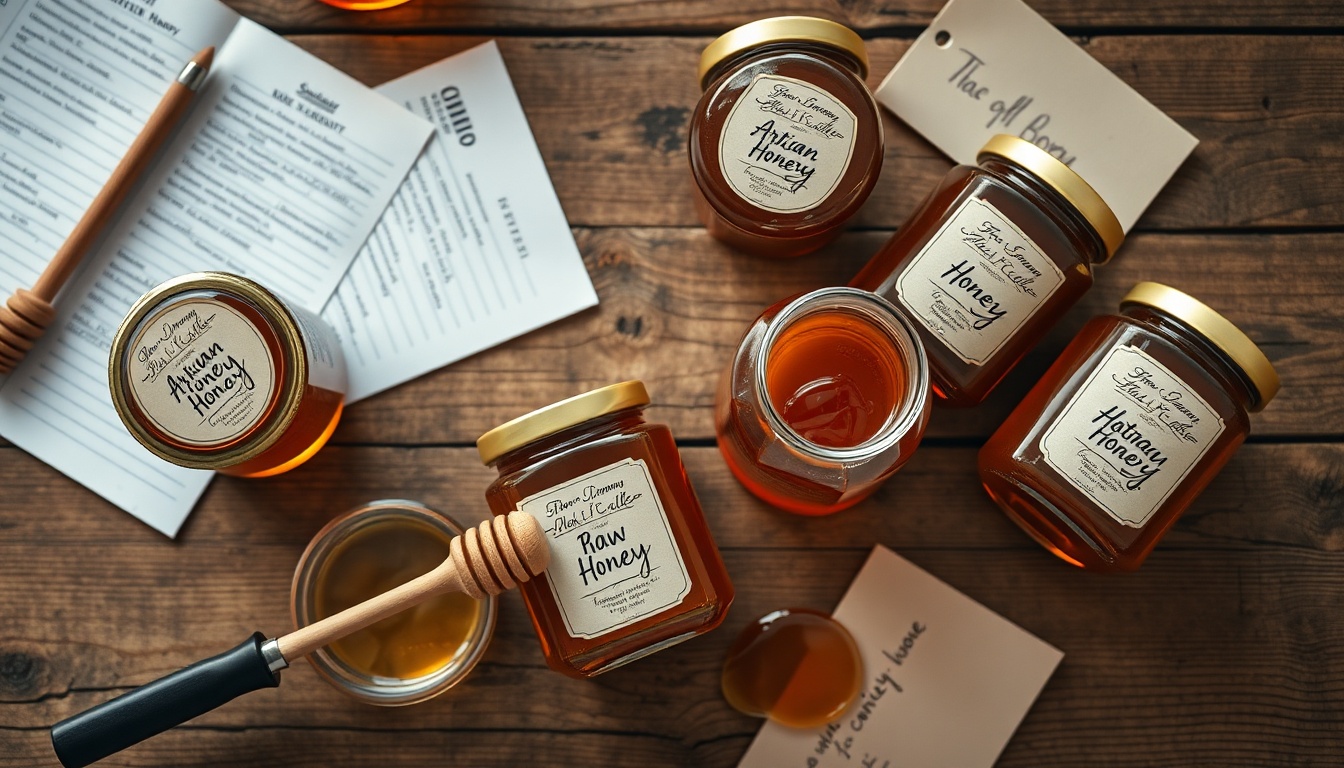
**Go directly to a local beekeeper or farmers market.** Commercial wildflower honey on grocery shelves is typically a year-round blend that lacks the seasonal specificity of genuine spring harvest honey. Farmers markets and local farm stands are the best places to find honey that was actually extracted this spring. Ask when the honey was extracted and what was blooming — a real beekeeper will have detailed and enthusiastic answers.
**Look for the spring label — but verify it.** Some beekeepers sell separate spring and fall harvests labeled by season. This is a genuine signal of single-season extraction rather than blending. Confirm that the honey's color matches the season: spring wildflower should be light gold to amber, never dark brown (that's fall or buckwheat character).
**Seek out specialty spring varieties if you can.** If you're in Florida, the Carolinas, or Appalachia, ask specifically about tupelo, black locust, or tulip poplar. If you're in the Pacific Southwest, ask about sage. These regional specialties are worth the premium and support beekeepers who put the extra effort into single-source extraction.
**Use our local honey finder** to locate verified beekeepers and honey producers near you. Filter by state and look for beekeepers and apiaries — they're the most likely to offer seasonal spring harvests rather than blended commercial honey.
**Order online from small regional producers.** If you're not near good local honey, a growing number of small Appalachian, Pacific Coast, and Southeast beekeepers sell seasonal honey direct-to-consumer. A genuine spring harvest from a small producer is almost always better than the "wildflower honey" at a grocery chain.
Culinary Uses for Spring Wildflower Honey
Spring wildflower honey's delicate, floral profile makes it suited to uses where its character can shine without being overwhelmed. Here is where it excels:
**As a finishing honey.** Spring honey is at its best unheated and unblended. Drizzle it over fresh ricotta, labneh, Greek yogurt, or burrata. The floral notes are lost in baking but preserved beautifully when used raw. A drizzle of genuine spring honey over a cheese plate is a simple, profound pleasure.
**In tea and warm drinks.** Light spring honeys dissolve easily and their floral aromatics pair beautifully with white tea, green tea, chamomile, and mild black teas. See our guide to the best honey for tea for specific pairing recommendations by variety.
**In salad dressings and vinaigrettes.** A teaspoon of spring wildflower or black locust honey in a honey-dijon vinaigrette adds floral sweetness without the aggressiveness of fall honey. It pairs particularly well with fruit-forward salads (strawberries, peaches, pears) and mild green salad bases.
**In light pastries and spring baked goods.** Spring honey works wonderfully in shortbread, honey cakes, madeleines, and scones — baked goods where delicate flavor is an asset. Use it in glazes for fruit tarts or as a sweetener in lemon curd. See our baking with honey guide for temperature and substitution guidance.
**In cocktails.** Honey simple syrup made from light spring honey elevates cocktails where you want sweetness without dark, assertive honey flavor. Bee's Knees (gin, lemon, honey), honey-ginger whiskey sours, and sparkling honey lemonade are classic applications. The floral aromatics in black locust honey make it exceptional in cold drinks.
**As a honey tasting flight centerpiece.** Spring honey is an ideal "entry point" in a honey tasting because its lightness and delicacy contrast most vividly with the dark, assertive flavors of buckwheat or fall wildflower honey. A three-honey flight — spring wildflower, fall wildflower, and buckwheat — demonstrates the full range of honey's flavor and helps guests understand how dramatically nectar source shapes the final product.
Storing Spring Honey and Managing Crystallization
Spring honey — especially dandelion-influenced or clover-heavy batches — tends to crystallize faster than fall honey. Crystallization is entirely natural and does not indicate spoilage or reduced quality. Raw honey with active enzymes, natural pollens, and all its original compounds intact is more likely to crystallize than heavily processed commercial honey. A crystallized jar is often a sign of quality.
Honey never expires when stored properly. Sealed honey with less than 20% moisture content is essentially shelf-stable indefinitely. Chemical analysis of honey from Egyptian tombs over 3,000 years old has confirmed its characteristic sugar composition was fully intact. Your spring wildflower honey will be fine for years stored in a cool, dry pantry, whether it crystallizes or not.
To restore a crystallized jar to liquid, place it in a bowl of warm water (not hot — keep below 104°F/40°C to preserve enzymes and nutrients) and let it slowly warm. Stir occasionally. This dissolves the crystals without damaging the bioactive compounds that make raw honey worth buying. Never microwave honey directly or pour boiling water over it.
For long-term storage of seasonal honey, some enthusiasts keep multiple seasonal jars at room temperature and simply work through them seasonally. Others store backup jars in a cool basement or pantry. The single rule: keep honey sealed, away from direct sunlight, and never refrigerate it (cold temperatures accelerate crystallization dramatically).
Supporting Pollinators Through Your Spring Honey Purchase
Buying genuine spring honey from local beekeepers does more than supply your pantry. It directly supports the managed honeybee colonies that pollinate a significant portion of American food production — roughly $15 billion in annual crop value according to USDA estimates. Spring is when colonies are most vulnerable: after a long winter, bees need abundant forage to rebuild population, raise new brood, and lay in honey stores for the year. A productive spring nectar flow is essential for colony health. With World Environment Day 2026 (June 5) focused on "Accelerating Land Restoration for Drought Resilience," supporting spring honey producers is one of the most direct actions consumers can take to fund pollinator habitat preservation.
Different variety purchases support different ecosystems. Wildflower honey ($13-24) funds beekeepers maintaining diverse native meadow habitats. Clover honey ($9-15) supports agricultural partnerships that maintain pollinator corridors between farms. Sage honey ($15-20) preserves drought-resistant native plant communities in arid California — directly aligned with the 2026 WED drought resilience theme. Buckwheat honey ($9-23) extends late-season pollinator support through fall when other nectar sources fail. Each variety choice translates to specific habitat preservation outcomes.
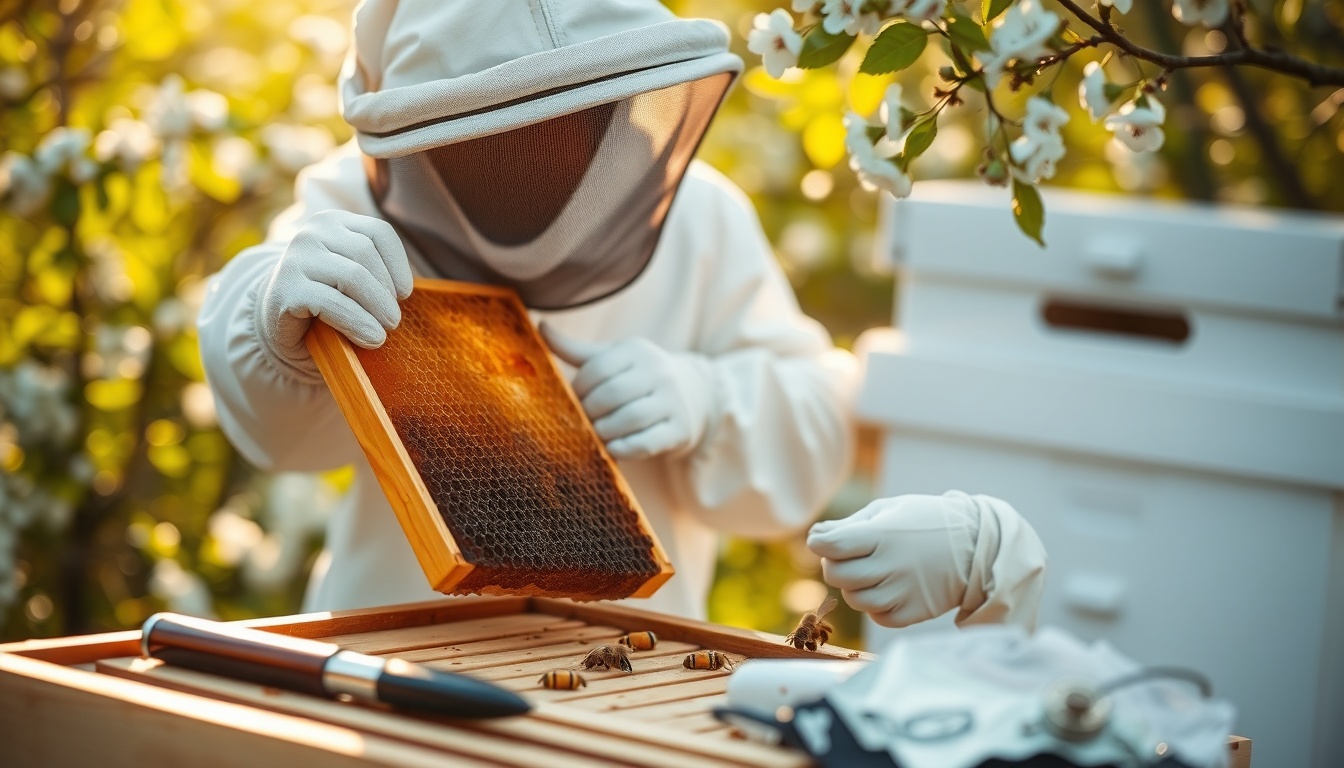
Small beekeepers who sell direct tend to run their operations with greater attention to bee welfare than large-scale commercial operations. Many use treatment-free or minimal-intervention methods, prioritize local-adapted genetics, and manage for colony health rather than maximum honey extraction. When you buy their spring honey at a farmers market or through their website, you're participating in a local food system that supports both pollinators and the people who care for them.
Want to go further? Consider planting for pollinators in your yard or container garden — National Pollinator Week (June 22-28) is the perfect time to start. Spring-blooming plants that support bee health include white clover, fruit trees, phacelia, chives, lavender, catmint, and native wildflowers. Even a small container of clover or phacelia on a balcony provides meaningful early-season forage.
Pro Tip
The National Honey Board estimates that one-third of the human food supply depends on bee pollination. Buying local honey is one of the most direct ways to support the beekeeping industry that keeps that pollination network functioning.