About this recipe
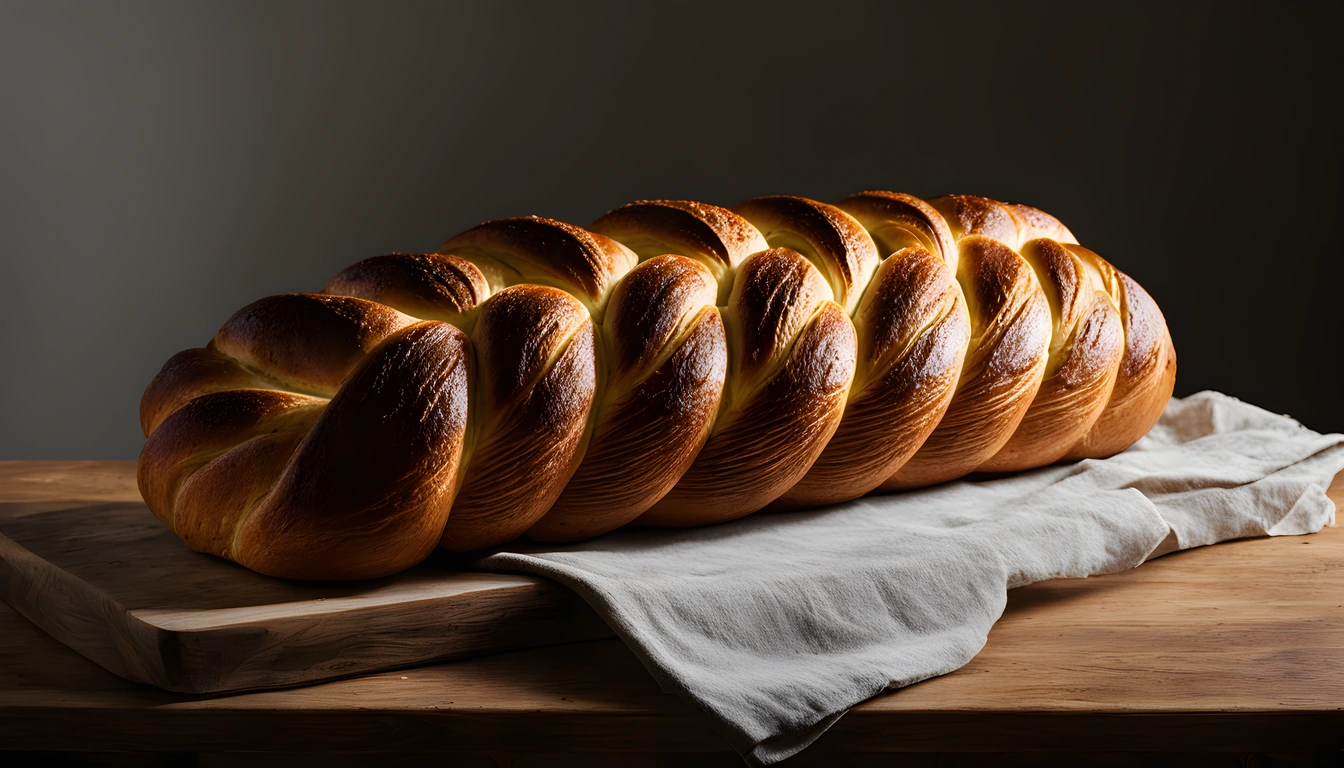
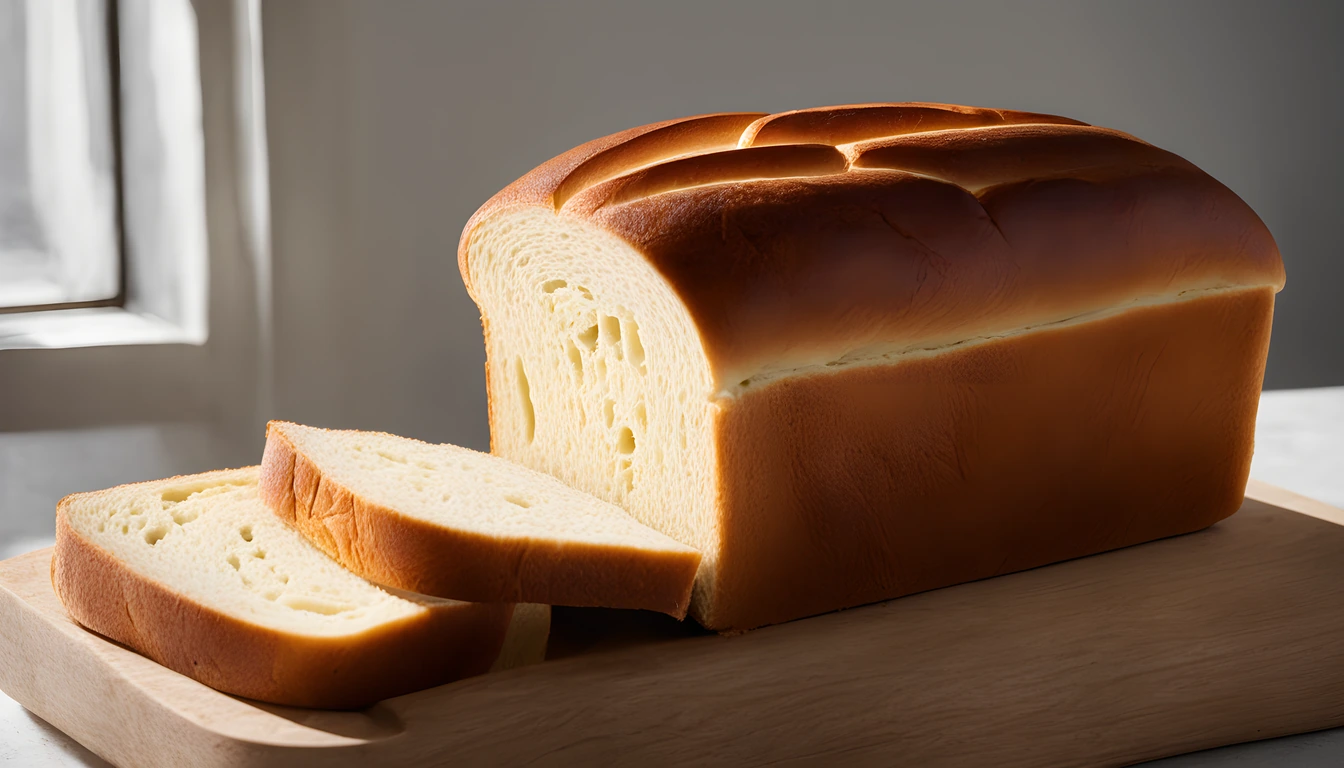
Honey brioche is an enriched yeast bread, with eggs and butter making up a substantial part of the dough. The honey sweetens both loaves throughout; this is not a plain loaf finished with a decorative drizzle.
Use a stand mixer, two 8 1/2 by 4 1/2-inch loaf pans and a scale. The four-hour refrigerator rest makes the soft dough easier to braid. Allow about 10 hours 25 minutes for the written schedule; the dough cues matter more than finishing at a particular minute.
Recipe
Honey Brioche Recipe: Two Butter-Rich Braided Loaves
Make two honey brioche loaves with eggs, butter and a measured cold rest. The full schedule includes mixing, two rises, chilling, baking and cooling.
7Ingredients
Yield: 16 servings
- 400 g all-purpose flour
- 200 g whole egg
- 200 g unsalted butter
- 60 g clover honey
- 25 g water
- 8 g salt
- 7 g active dry yeast
Ingredient amounts scale; instructions show the original batch. Cooking times and pan sizes may need adjustment. Season to taste. Honey grams use US measures at 20°C and 17.5% moisture, a density estimate; weigh your honey for precision.
Instructions
- 1Measure and start the yeastReserve 10 g of the butter for the pans. Cut the other 190 g into small pieces and let it soften without melting. Crack eggs into a bowl and weigh 200 g without shells. Stir yeast and honey into the 25 g water at about 100°F (38°C); leave 10 minutes.
- 2Develop the doughMix flour, salt, weighed egg and yeast mixture with a stand-mixer dough hook for 7–10 minutes, until stretchy. Add the 190 g butter in small portions, allowing each addition to disappear before adding more. Continue 5–10 minutes until smooth and elastic. Scrape the bowl as needed; the dough will be very soft.
- 3Rise, then chillCover the bowl and let rise about 60 minutes, until expanded. Gently press down, cover tightly and refrigerate for at least 4 hours. The planned schedule uses 4 hours; an overnight cold rest extends the total.
- 4Braid and proofGrease both pans with the reserved 10 g butter. Divide cold dough into two equal portions. Divide each portion into three strands, braid loosely, tuck the ends and set in its pan. Cover and allow 2 1/2–3 hours at room temperature, until very puffy and near the pan rims.
- 5Bake the loavesToward the end of proofing, heat the oven to 350°F (175°C). Bake 35–40 minutes, tenting loosely with foil if the honey-rich crust darkens early. Check the center of each loaf for at least 190°F (88°C); allow more baking time if needed.
- 6Cool before slicingRest in the pans for 10 minutes, then turn out carefully and cool on a rack for about 50 minutes more. Cut each loaf into 8 slices for the stated 16 portions. The total includes this hour of cooling.
Estimated nutrition per serving
211.32 calories · 11.6 g fat · 22.44 g carbohydrate · 4.44 g protein · 214.06 mg sodium
Serving: 1 of 16 portions
Calculated from ingredient weights and USDA FoodData Central: 168894, 171287, 173430, 169640, 173647, 173468, 175043. Estimates use ingredient input weights; actual portions, brands and cooking losses vary. Omitted nutrient values are unavailable, not zero.
Why the dough needs a mixer
Develop the flour-and-egg dough before adding most of the butter. Gradual additions let the fat blend in while the dough builds strength. A loose, shiny mass immediately after a butter addition needs more mixing, not another cup of flour.
The base uses 200 g of egg without shells, approximately four large eggs. Weighing avoids treating every egg as identical. The small water amount is intentional in this egg-rich formula.
- Keep the butter pliable rather than liquid.
- Pause to scrape the mixer bowl when butter gathers at the sides.
- Avoid adding unmeasured flour merely to make the dough feel like sandwich bread.
Get the Honey Buyer's Cheat Sheet (free PDF)
16 varieties on one page — color, flavor, best use and what a fair price looks like — from the 304 honeys we track.
A schedule with the waiting time included
The planned total is 45 minutes preparation, 60 minutes first rise, 240 minutes chilling, up to 180 minutes final proof, 40 minutes baking and 60 minutes cooling. Oven preheating overlaps the end of proofing.
Cold kitchens can extend the final proof. Bake when the braids are puffy rather than forcing them into the oven at the three-hour mark. An overnight refrigerator rest is useful, but its extra hours are additional to the printed schedule.
Serving and storing the loaves
Slice after cooling so the crumb has time to settle. Toast plain slices, or use separately measured toppings; butter, jam and French-toast additions are outside the base calculation.
Wrap cooled loaves and use within 2 days at room temperature, or slice and freeze for longer storage. Thaw only the slices you need. Honey does not make the loaf suitable for longer storage.
Choosing the honey
Clover honey makes a mild base. Wildflower is a fuller-flavored alternative; buckwheat is more assertive, especially on toasted bread. Keep the measured amount the same when changing variety.
The chart is an editorial flavor guide on a 1-to-5 scale, not a measurement or a record of kitchen testing.
1 = mild, 5 = bold. Editorial pairing guidance, not laboratory measurements; jars vary.
- Clover
- A mild honey base
- Wildflower
- A fuller floral bread flavor
- Buckwheat
- A darker toasted-bread pairing
Nutrition basis
The card divides the measured ingredient inputs into 16 portions. Two 8 1/2 by 4 1/2-inch loaves, each cut into 8 slices.
The calculation uses raw USDA ingredient inputs. Fermentation, baking loss and finished weight have not been measured. Toppings and substitutions change the estimate.
Method sources
The mixing order, cold rest and loaf temperature follow King Arthur Baking’s brioche method. This honey adaptation adjusts the sweetener and water and makes two specified loaves.
Use the cited methods for context, and keep this page's ingredient weights and yield together.