About This Recipe
Fresh orange juice supplies the main liquid in this honey glaze, and finely grated zest gives it a distinct orange aroma. Lemon juice balances the sweetness, while a small starch slurry thickens the mixture for brushing.
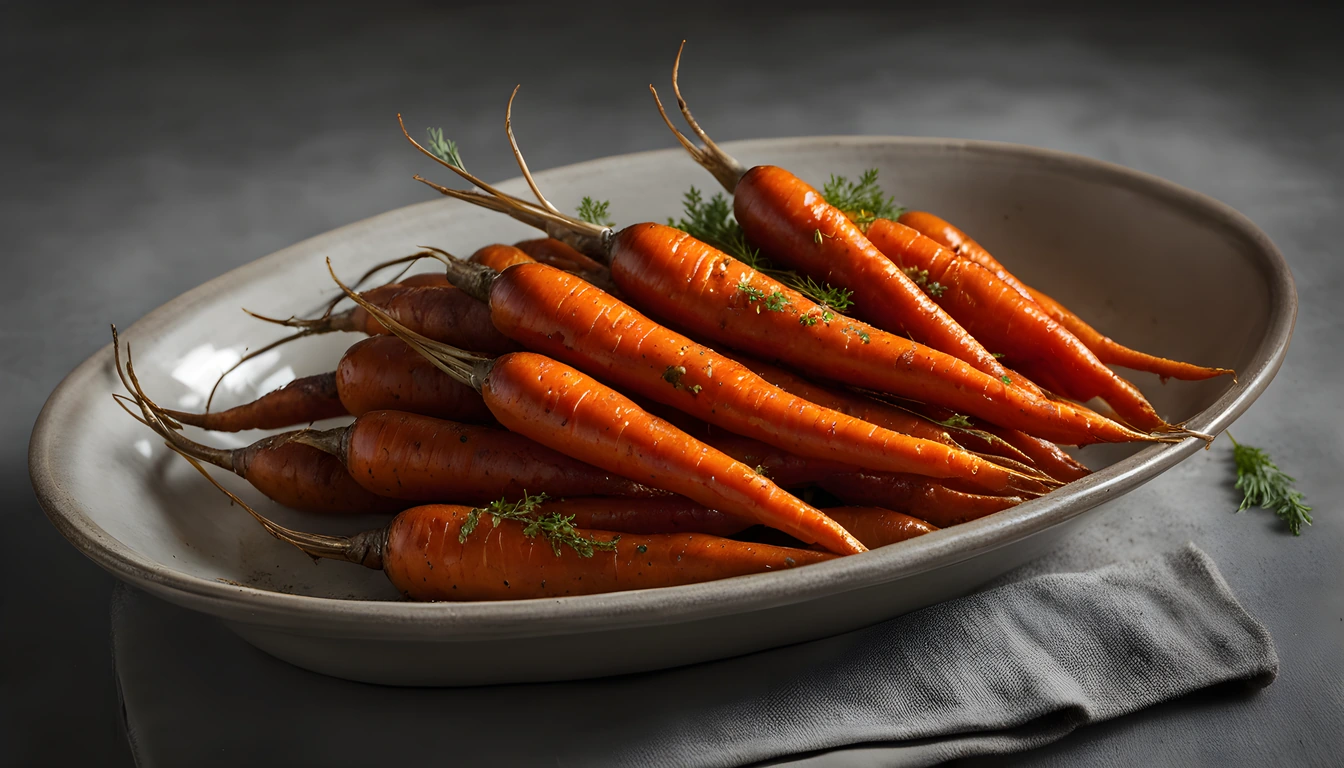
Whisk in butter off the heat and let the glaze cool briefly before using. It suits cooked ham, carrots or squash; a thin coating near the end of cooking keeps the surface from darkening too quickly.
Recipe
Honey Orange Glaze Recipe
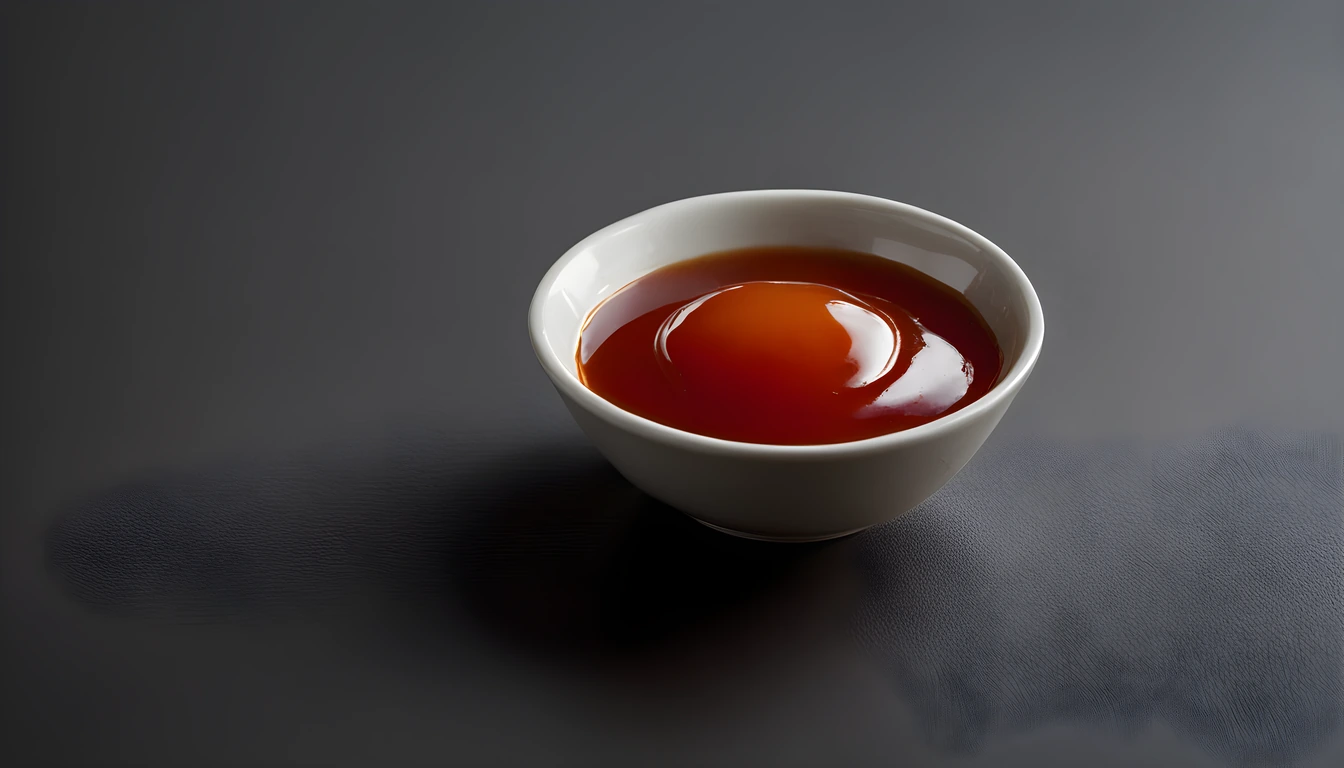
Fresh orange juice and zest simmered with honey, thickened with a cornstarch slurry, then finished with butter. A glossy brushing glaze for roast ham and vegetables, about 16 minutes start to finish.
8Ingredients
Yield: 8 servings
- 124 g fresh orange juice
- 84 g honey
- 14 g unsalted butter
- 2 g finely grated orange zest
- 15 g fresh lemon juice
- 4 g cornstarch
- 20 g cold water
- 1 g table salt
Ingredient amounts scale; instructions show the original batch. Cooking times and pan sizes may need adjustment. Season to taste. Honey grams use US measures at 20°C and 17.5% moisture, a density estimate; weigh your honey for precision.
Instructions
- 1Warm the baseCombine the orange juice, honey, orange zest, lemon juice, and salt in a small saucepan over medium-low heat. Bring to a gentle simmer and cook 4 minutes, stirring occasionally, until the honey is fully dissolved and the liquid smells strongly of orange.
- 2Make the slurryWhile the base simmers, whisk the cornstarch into the 20 g cold water until no dry lumps remain. Stir the slurry again right before adding it, since cornstarch settles quickly.
- 3Thicken the glazePour the re-stirred slurry into the simmering saucepan and cook 1 to 2 minutes, stirring constantly, until the glaze turns glossy and coats the back of a spoon. Keep the heat gentle; a hard boil can dull the sheen.
- 4Finish with butterPull the pan off the heat and whisk in the butter until it melts into the glaze. Let it cool 3 minutes before brushing onto food. Serve any extra glaze as a sauce at the table.
Estimated nutrition per serving
54 calories · 1.46 g fat · 10.91 g carbohydrate · 0.17 g protein · 49.44 mg sodium
Serving: 1 of 8 servings
Calculated from ingredient weights and USDA FoodData Central: 169098, 169640, 173430, 169103, 167747, 169698, 173647, 173468. Estimates use ingredient input weights; actual portions, brands and cooking losses vary. Omitted nutrient values are unavailable, not zero.
Orange Juice and Zest Have Different Jobs
Juice gives the sauce both liquid and tartness; the colored zest supplies a stronger citrus aroma. Grate only the colored outer layer, leaving the thick white pith behind. Keep the zest in the sauce instead of straining it out.
The juice-led formula gives a more pronounced orange flavor than a few drops added to a plain glaze. Cornstarch supplies the body without needing a long reduction, and butter smooths the finish after the pan leaves the heat.
Flavor intensity uses an editorial culinary scale: 1 is mild and 5 is bold. These are tasting suggestions, not laboratory measurements.
Sources: UCANR Honey (Harris & Van Soelen Kim); FoodSafety.gov: 4 Steps to Food Safety; FoodSafety.gov: Safe Minimum Internal Temperatures; USDA FoodData Central: broader raw-orange-peel reference for zest.
Pro Tip
Cloudy fresh juice is fine here. This is a glaze, not a marmalade, so skip the pith and thick peel.
1 = mild, 5 = bold. Editorial pairing guidance, not laboratory measurements; jars vary.
- Clover
- Ham, carrots, squash
- Wildflower
- Mixed root vegetables
- Orange blossom
- Ham, citrus-forward glazes
- Buckwheat
- Bold honey beside ham or caramelized root vegetables
- Sage
- Pork, parsnips, winter squash
Get the Honey Buyer's Cheat Sheet (free PDF)
16 varieties on one page — color, flavor, best use and what a fair price looks like — from the 304 honeys we track.
Why the cornstarch slurry matters
Cornstarch needs to be dispersed in cold water before it hits a hot liquid, or it clumps into pale lumps that never smooth out. That is the whole job of the 20 g cold water: it separates the starch granules so they can gelatinize evenly as the glaze simmers.
Whisk the slurry again immediately before adding it, because it settles within seconds. Stir constantly during the 1 to 2 minutes of thickening, and judge doneness by the glaze coating the back of a spoon rather than by exact timing alone.
- Mix the slurry while the base simmers, not before you start cooking.
- Add butter only after the pan is off the heat, so the emulsion stays smooth.
- Cool 3 minutes before brushing; very hot glaze slides right off a spoon.
Pro Tip
If the glaze tightens too much as it cools, loosen it with a splash of warm water rather than more honey.
Choosing the honey
Orange blossom honey adds a citrus-floral note alongside the orange juice. Clover is a milder choice, while dark buckwheat gives the glaze a stronger, maltier character. Floral source and harvest can change the flavor even when the honey weight stays the same.
- Light, floral honeys: best for ham, carrots, and squash.
- Orange blossom honey: strongest citrus pairing.
- Dark, strong honeys: use on ham more than vegetables.
Pro Tip
Weigh the honey directly into the saucepan rather than oiling a measuring cup with extra fat.
Handling, basting, and storage
Keep basting glaze separate from anything that has touched raw meat. Set aside a clean portion of glaze in a small dish before you start brushing a ham or roast, and use only the reserved portion for finishing.
Refrigerate unused glaze within 2 hours of making it and use it within 3 days. Reheat leftovers to 165°F, adding a splash of water if the glaze has firmed up in the fridge.
- Baste with a dedicated brush or spoon, and reserve a clean portion first.
- Refrigerate within 2 hours; if the kitchen is above 90°F, within 1 hour.
- Reheat to 165°F with a splash of water to loosen.
Pro Tip
Loosen a thick reheated glaze with a little warm water, then stir it until smooth.
Serving and portioning
Divide the finished glaze into eight small portions. Its final volume depends on evaporation, so an exact spoon measure is not assumed. The estimate covers the whole glaze input, including the zest, rather than the food you brush it onto.
The zest uses USDA’s broader raw-orange-peel composition reference. That record does not report total sugars, so the recipe’s total-sugars figure remains unavailable rather than being filled with zero. Other nutrient estimates use the reported ingredient values; the result is not a laboratory measurement of grated zest or the finished sauce.
- Brush late in cooking to avoid burning the honey.
- Serve extra glaze in a small pitcher at the table.
- Spoon over sliced ham or roasted carrots and parsnips.
Pro Tip
Start with a thin coat and add another only where needed; coverage depends on the food’s surface area.
Choosing the Honey
Use Clover honey or Orange blossom honey or Wildflower honey for the flavor described in this recipe. See our honey selection guide for other culinary choices.