About This Recipe
Honey, vinegar-based pepper sauce and a little garlic powder make a sweet-tangy base. Whisking butter in off the heat gives it gloss and a softer, richer finish for cooked wings or roasted vegetables.
Make the glaze near serving time and whisk it again after a brief stand. A thin coating spreads more evenly than a heavy pool of sauce. The batch is divided into eight small glaze portions; the food you coat is separate from the nutrition estimate.
Recipe
Hot Honey Glaze Recipe
A buttery hot-honey finishing glaze with pepper sauce, cider vinegar and garlic powder. Warm the base, whisk in butter off the heat, then brush or toss with cooked food.
5Ingredients
Yield: 8 servings
- 84 g honey
- 28 g unsalted butter, diced
- 30 g pepper hot sauce, vinegar-based
- 15 g cider vinegar
- 1 g garlic powder
Ingredient amounts scale; instructions show the original batch. Cooking times and pan sizes may need adjustment. Season to taste. Honey grams use US measures at 20°C and 17.5% moisture, a density estimate; weigh your honey for precision.
Instructions
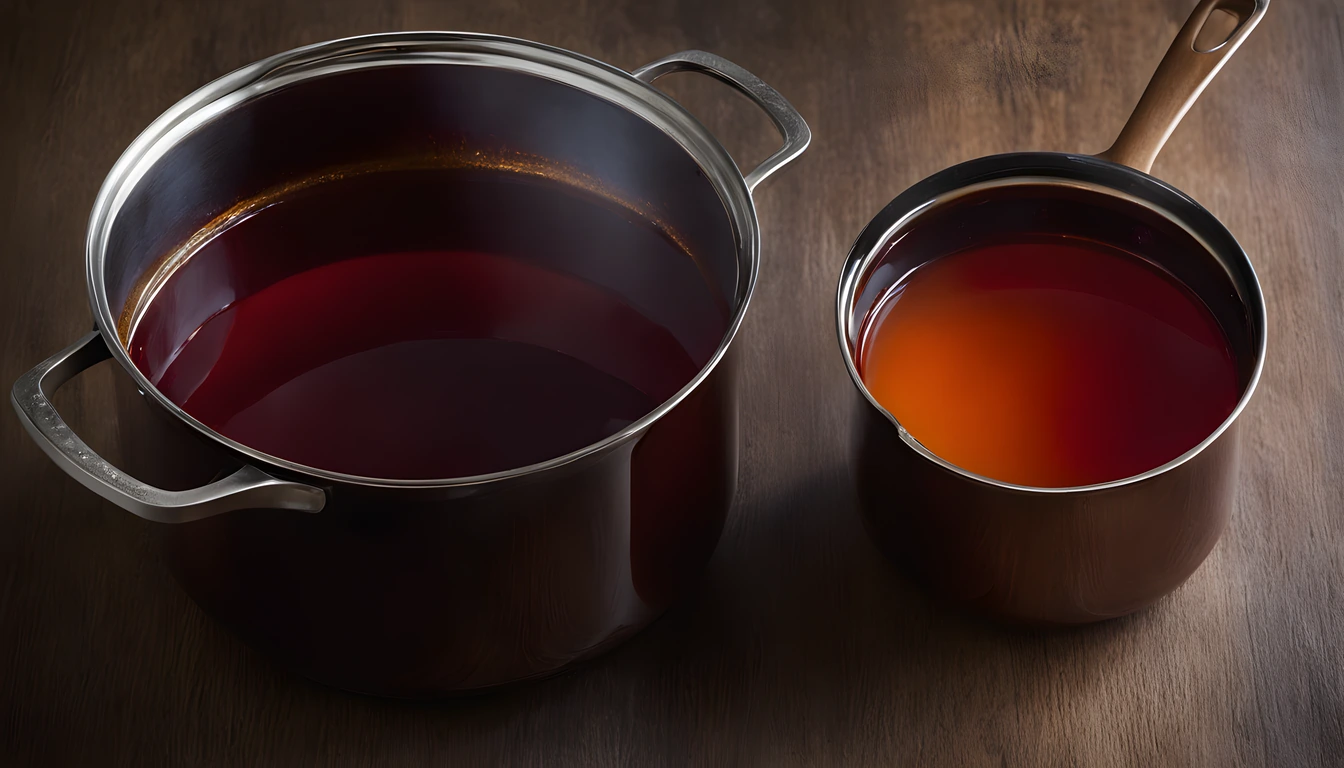
- 1Warm the baseCombine the honey, hot sauce, cider vinegar, and garlic powder in a small saucepan over low heat. Stir gently for 2 to 3 minutes, just until hot and fully combined—do not let it boil, or the honey can scorch.
- 2Whisk in the butterPull the pan off the heat and add the diced butter. Whisk steadily until the butter melts and the glaze turns smooth and glossy.
- 3Rest and re-whiskLet the glaze stand for 2 minutes, then whisk again before using. It thickens slightly as it cools; a quick whisk brings the emulsion back together.
- 4Finish and storeUse a clean brush or a reserved portion to coat cooked wings or near-done vegetables. Refrigerate any clean leftover glaze within 2 hours and use within 3 days, reheating to 165°F and whisking if it separates.
Estimated nutrition per serving
58.23 calories · 2.85 g fat · 8.83 g carbohydrate · 0.1 g protein · 99.97 mg sodium
Serving: 1 of 8 servings
Calculated from ingredient weights and USDA FoodData Central: 169640, 173430, 174527, 173469, 171325. Estimates use ingredient input weights; actual portions, brands and cooking losses vary. Omitted nutrient values are unavailable, not zero.
What Butter Adds to Hot Honey
The related hot-honey recipe mixes measured ground cayenne into honey and keeps the spice in the finished condiment. This glaze instead combines prepared pepper sauce, cider vinegar and butter with the honey. Its richer texture is intended for a warm finishing coat.
Whisk the butter in after removing the pan from the heat. If the glaze separates while standing, warm it gently and whisk again. It is easiest to use while fluid, so finish mixing it as the food becomes ready.
Flavor intensity uses an editorial culinary scale: 1 is mild and 5 is bold. These are tasting suggestions, not laboratory measurements.
Sources: Honey (UC ANR Cottage Foods); Safe Minimum Internal Temperatures; 4 Steps to Food Safety; USDA FoodData Central: generic pepper hot sauce.
Pro Tip
If the glaze looks oily after standing, it has split; a brief whisk over low heat usually brings it back.
1 = mild, 5 = bold. Editorial pairing guidance, not laboratory measurements; jars vary.
- Clover
- Neutral base for hot sauce and butter
- Wildflower
- Floral lift against cider vinegar
- Orange blossom
- Citrus note with hot wings
- Buckwheat
- Bold malty honey beside pepper sauce and butter
Get the Honey Buyer's Cheat Sheet (free PDF)
16 varieties on one page — color, flavor, best use and what a fair price looks like — from the 304 honeys we track.
Balancing heat, sweet, and tang
The written batch uses 84 g honey and 30 g pepper sauce, with 15 g cider vinegar for a sharper edge. That amount will taste different with different sauces. Choose a vinegar-based pepper sauce whose heat you enjoy, then try a small portion of the finished glaze on the food before adding more.
The nutrition reference is USDA’s generic ready-to-serve pepper hot sauce rather than a particular brand label. Salt and other nutrients can differ between bottles, just as the heat does. The written calculation uses the full 30 g sauce input.
Pro Tip
Do not assume two brands of pepper sauce taste equally hot; the same 30 g can range from mild to assertive.
Applying it late, and safely
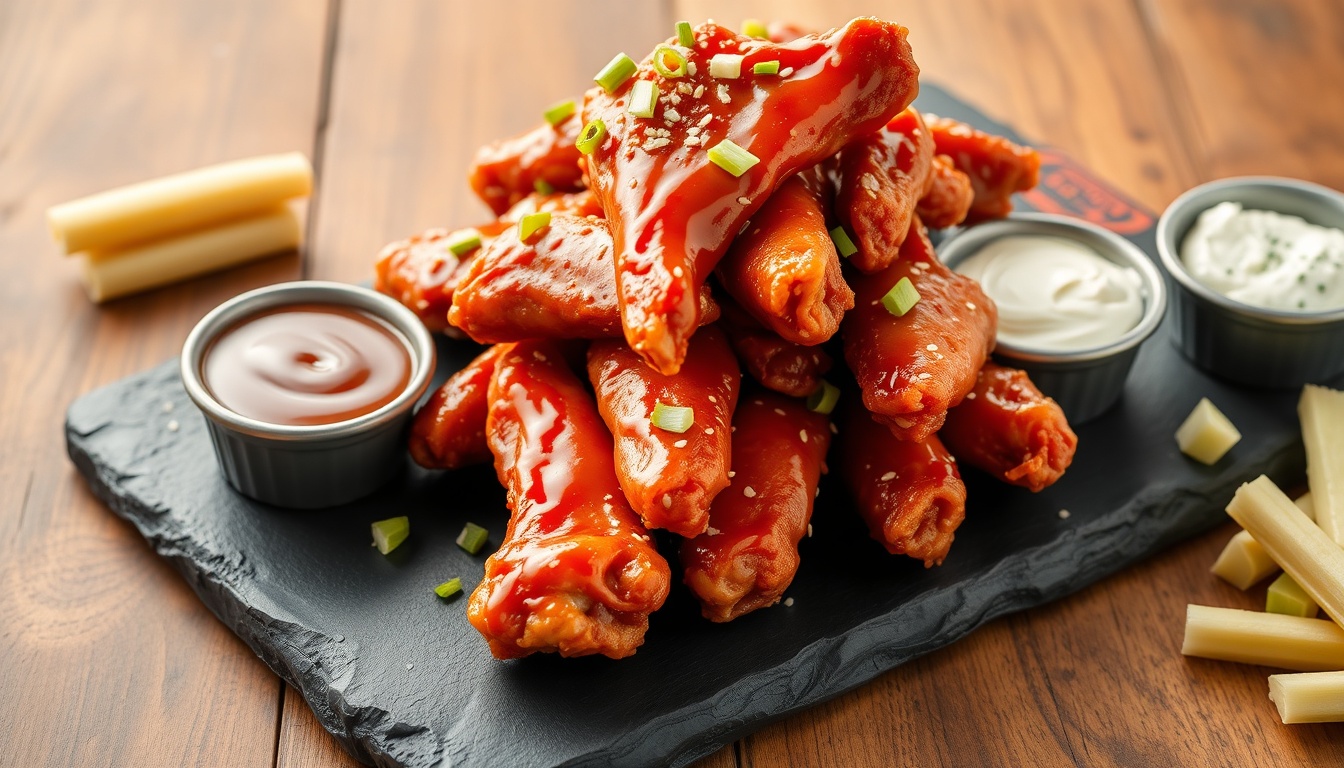
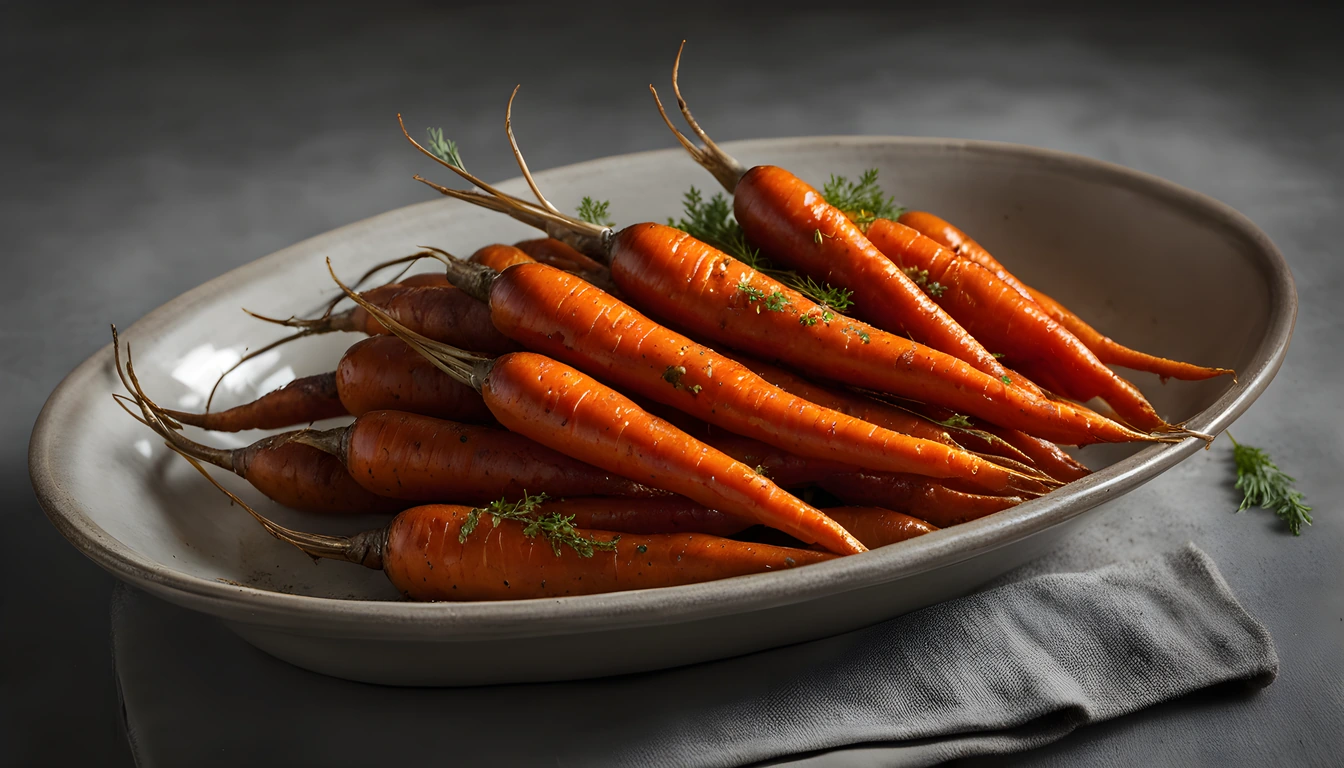
Glaze goes on near the end. Brushing sugar-heavy glaze early in cooking invites burning on a hot grill, and butter in the pan will scorch before the food is done. Toss cooked wings in a bowl with a portion of glaze, or brush roasted carrots and corn just before they leave the oven.
When you brush raw meat, that brush and its bowl are contaminated. Set aside a clean portion of glaze in a separate bowl first and use only that for finishing. Returned brushes and leftover contact bowls should not go back on the table.
For food-safety temperatures and timing, follow a complete recipe for whatever you are coating; this page covers the glaze alone, not cooking the chicken.
- Spoon out a clean portion before any raw-meat contact
- Refrigerate leftovers within 2 hours
- Reheat leftover glaze to 165°F and use within 3 days
Pro Tip
The 8 small servings (1/8 batch each) are portions of glaze, not portions of chicken.
Small batch, short shelf life
Keep the batch small enough to whisk and use easily. Spoon a clean portion into a working bowl for brushing or tossing, and keep the rest separate for the table or refrigerator. The amount needed depends on the food’s surface area and how heavily you coat it.
Cold butter can make the refrigerated glaze firm or separate. Reheat clean leftovers to 165°F (74°C), stirring, and whisk until smooth. Use within three days. This is a refrigerated sauce, with no canning method or long room-temperature storage specified.
- Refrigerate promptly within two hours, or one hour above 90°F (32°C).
- Keep in a covered container and use within three days.
- Whisk the warm glaze before serving.
Pro Tip
A spoonful of water can loosen an overly thick reheated glaze without adding more sweetness.
Choosing the Honey
Use Clover honey or Wildflower honey or Orange blossom honey or Buckwheat honey for the flavor described in this recipe. See our honey selection guide for other culinary choices.