Black Tea with a Little Honey
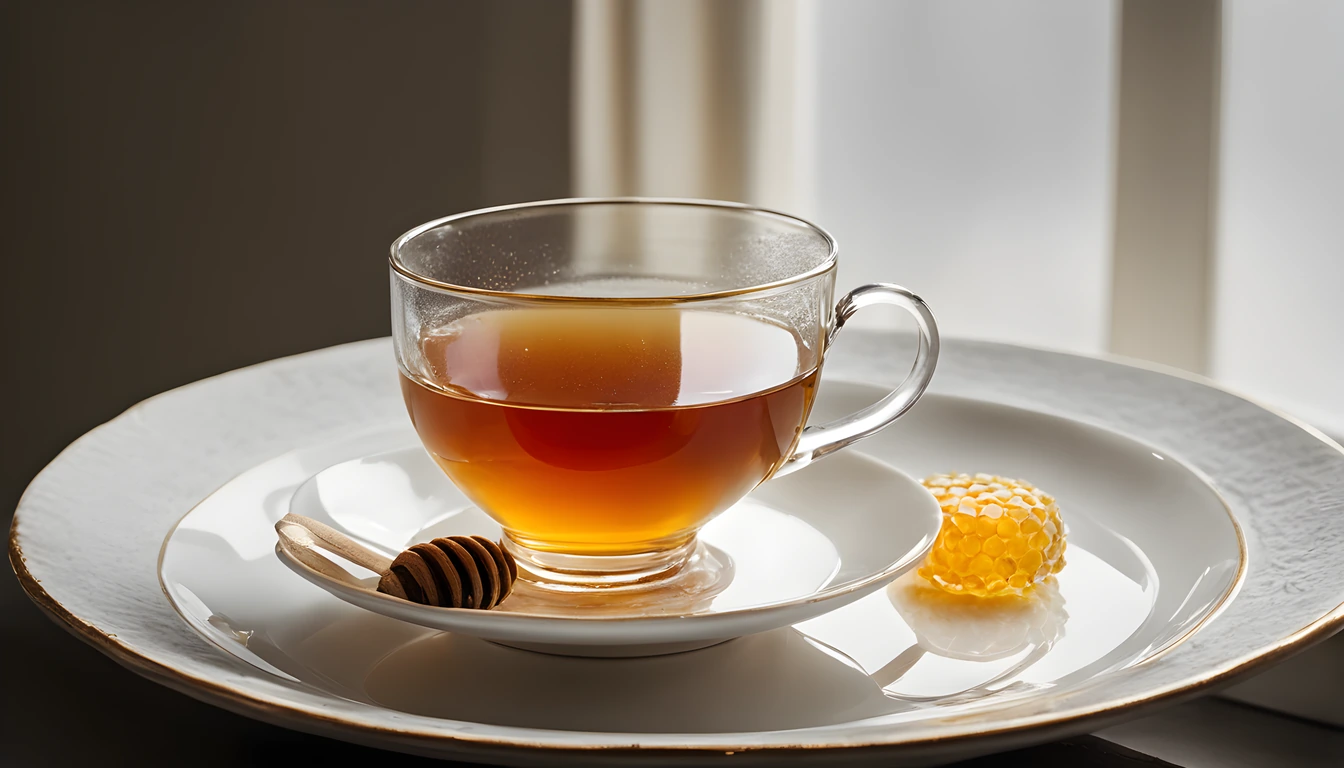
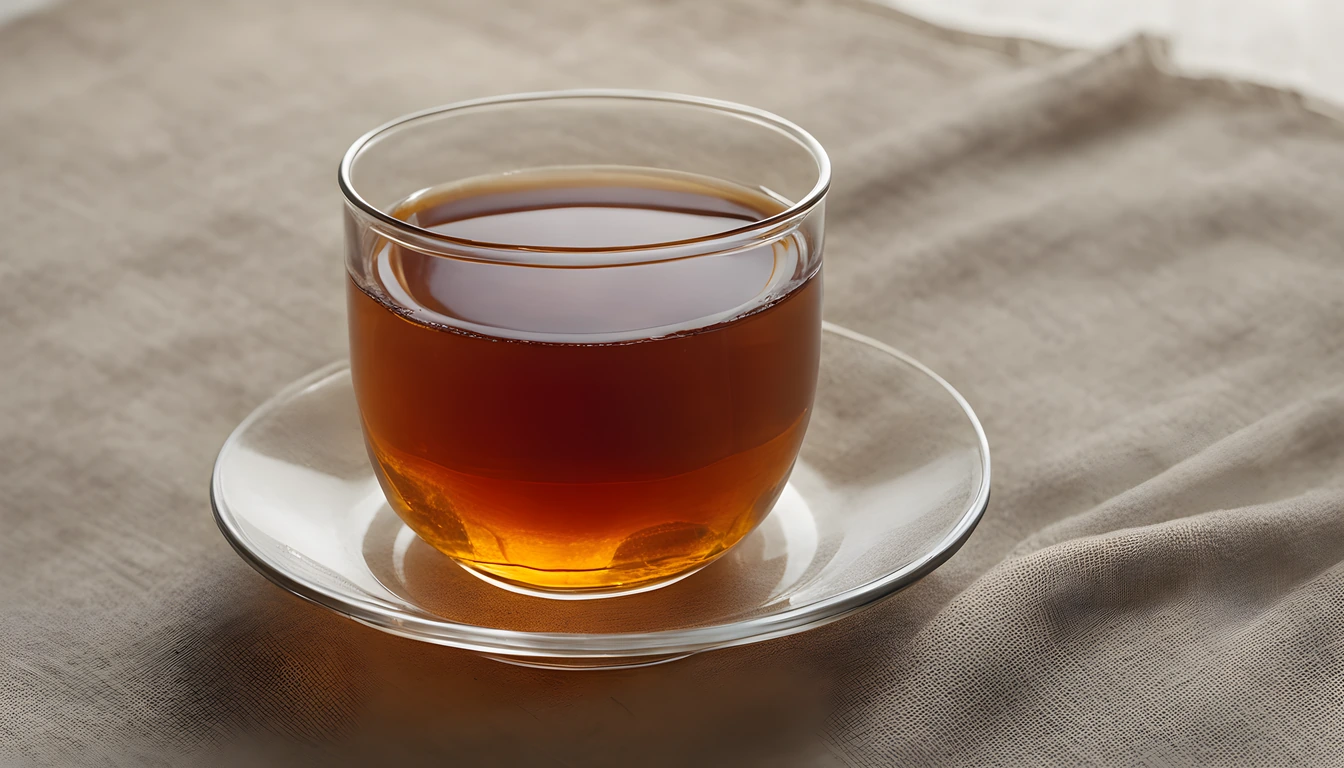
A plain black-tea base makes it easy to notice what the honey adds. This recipe uses 7 g honey per cup, enough for light sweetness while leaving the tea's brisk flavor clear. There is no milk, ginger or lemon in the measured version.
Recipe
Honey Black Tea
Brew black tea, remove the leaves and stir in measured honey. A two-cup recipe with steeping times, honey pairings and a brewed-tea nutrition estimate.
2Ingredients
Yield: 2 servings
- 474 g unsweetened brewed black tea, leaves removed
- 14 g clover honey
Ingredient amounts scale; instructions show the original batch. Cooking times and pan sizes may need adjustment. Season to taste. Honey grams use US measures at 20°C and 17.5% moisture, a density estimate; weigh your honey for precision.
Instructions
- 1Brew the black teaFor the 474 g brewed-tea ingredient, start with 2 plain black-tea bags or 4 g loose black tea and about 500 g freshly boiled water. Cover and steep for 3 to 5 minutes, following the tea package when its directions differ.
- 2Remove the leaves and weighLift out the bags or strain through a fine infuser. Discard the spent tea. Weigh 474 g of the clear brewed liquid into a heatproof jug; add a little hot water if needed to reach that amount. Extra brewed tea can be kept for another cup.
- 3Stir in the honeyAdd 14 g clover honey to the warm tea and stir until it dissolves. Taste after the honey is fully mixed.
- 4Serve two cupsDivide evenly between 2 cups and let the tea cool to a comfortable sipping temperature. The base is served clear, without milk or lemon.
Estimated nutrition per serving
23.65 calories · 0 g fat · 6.48 g carbohydrate · 0.02 g protein · 7.39 mg sodium
Serving: 1/2 of the sweetened tea, about 244 g
Calculated from ingredient weights and USDA FoodData Central: 173227, 169640. Estimates use ingredient input weights; actual portions, brands and cooking losses vary. Omitted nutrient values are unavailable, not zero.
The Measured Base
Use the recipe card for the measured base. The brewing directions prepare its finished-tea ingredient; remove the leaves or flowers before weighing that liquid. Scale those brewing supplies in proportion when changing the number of servings.
- 474 g unsweetened brewed black tea, leaves removed
- 14 g clover honey
Get the Honey Buyer's Cheat Sheet (free PDF)
16 varieties on one page — color, flavor, best use and what a fair price looks like — from the 304 honeys we track.
Choose a Plain Black Tea
English Breakfast gives a rounded cup; Assam tends toward a maltier flavor. Earl Grey works too, although its bergamot becomes another flavor alongside the honey. Start with an unflavored black tea if you want to compare honey varieties.
The card starts with brewed tea because the leaves leave the drink. The preparation step explains how to make that ingredient, then weighs the clear liquid. It does not assume that 4 g dry leaves were eaten or that every batch produces the same amount after straining.
Time the Steep Before Sweetening
Twinings' brewing guide gives black tea 3 to 5 minutes at 100°C. Begin near 3 minutes for a lighter cup and move toward 5 for more body. Use a timer; the tea darkens before its full flavor develops.
Remove the tea before adding honey. If the cup tastes harsh, make the next batch with a shorter steep. More honey can hide some bitterness, but it also moves the drink away from the lightly sweetened base.
Make the Honey Disappear into the Tea
Honey mixes readily into warm tea. Put the measured honey in the jug after removing the bags, stir along the bottom and then divide the drink. A pale streak at the bottom means it needs another stir.
Crystallized honey works here. Give it a little longer to dissolve, or loosen it with a spoonful of warm brewed tea before mixing it into the full batch. There is no fixed temperature cutoff for adding honey in this recipe.
Clear Tea, Milk Tea or Iced Tea
Drink the base clear first. For a milk version, add a measured splash to each cup and expect a different nutrition result. A strip of lemon zest or a little lemon juice shifts the flavor toward citrus; neither is included in the card.
For an iced version, chill the finished tea and serve it cold. Pouring the hot recipe directly over a large glass of ice dilutes both the tea and the honey, so use less ice or brew a separate stronger batch for that method.
Adjust One Thing at a Time
A weak cup needs a little more tea or a longer steep within the package's range. A sweet cup needs less honey. Change one amount at a time so you can tell which adjustment helped.
To double the recipe, make 948 g finished brewed black tea and use 28 g honey. Scale the leaves and brewing water proportionally, then weigh the completed tea rather than guessing how much liquid the leaves held back.
Choose Honey by Flavor
Explore clover honey, acacia honey, orange blossom honey, wildflower honey and buckwheat honey. The honey for tea guide compares more choices.
The chart is an editorial flavor guide, from 1 (delicate) to 5 (bold). It is not a measured intensity scale, and individual jars vary.
- Clover keeps the tea brisk and lightly floral.
- Orange blossom adds a citrus-floral aroma.
- Buckwheat makes a darker, maltier cup; use a little at first.
1 = mild, 5 = bold. Editorial pairing guidance, not laboratory measurements; jars vary.
- Clover
- Clear everyday cup
- Orange blossom
- Citrus-floral accent
- Buckwheat
- Bold malty tea
What the Nutrition Estimate Covers
The calculation uses USDA FDC 173227, black tea brewed with tap water, for the 474 g finished liquid, plus 14 g honey. It is a reference estimate for brewed tea, not an analysis of the particular leaves or steep. Milk, lemon and extra honey change it.
USDA ingredient-reference values are estimates, not laboratory results for this finished batch. Additional honey, milk, juice or garnishes change the result. The serving description identifies the portion used in the calculation.