About This Recipe
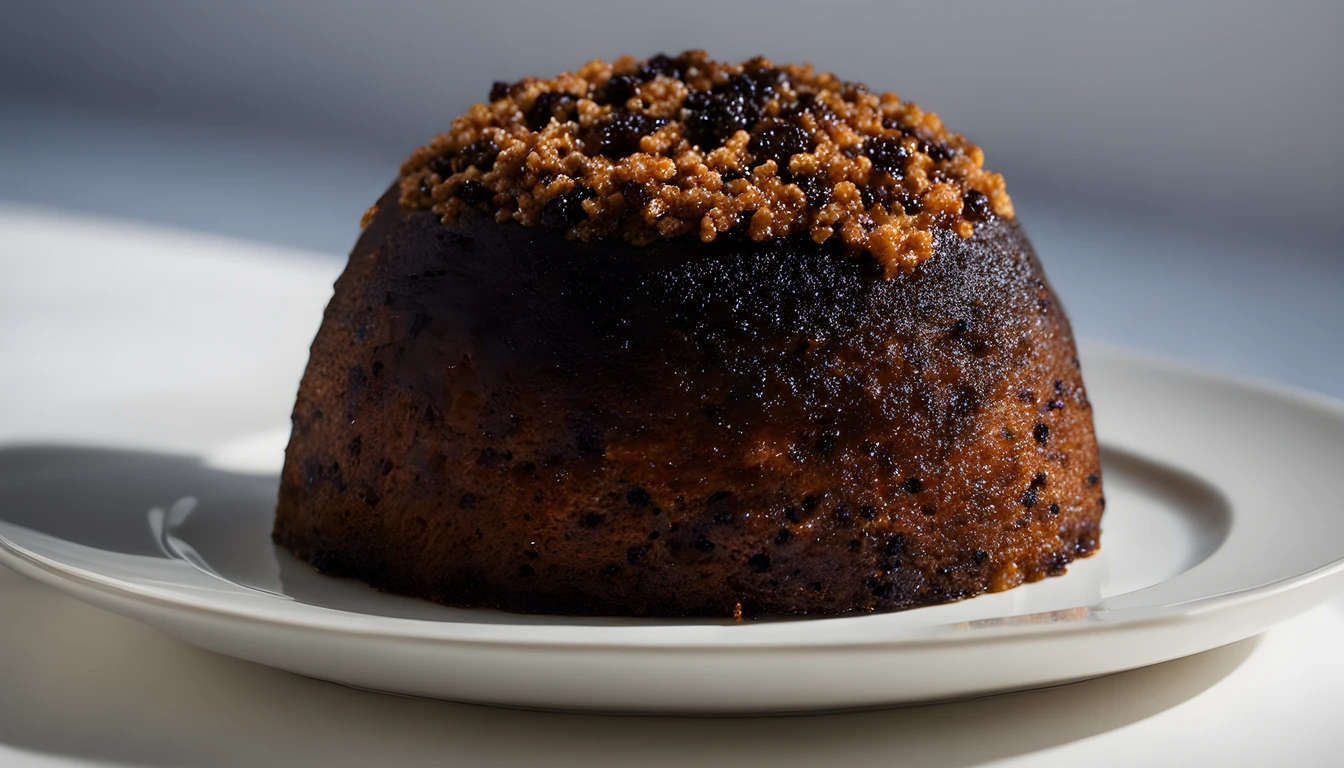
This steamed Christmas pudding puts honey into a dense batter of dried fruit, apple and warm spices. It is a butter-based version made with orange juice. Soak the fruit for 3 hours before mixing, then allow 3 hours for steaming. The recipe is written for serving warm after a short rest, with chilling instructions for any leftovers.
Recipe
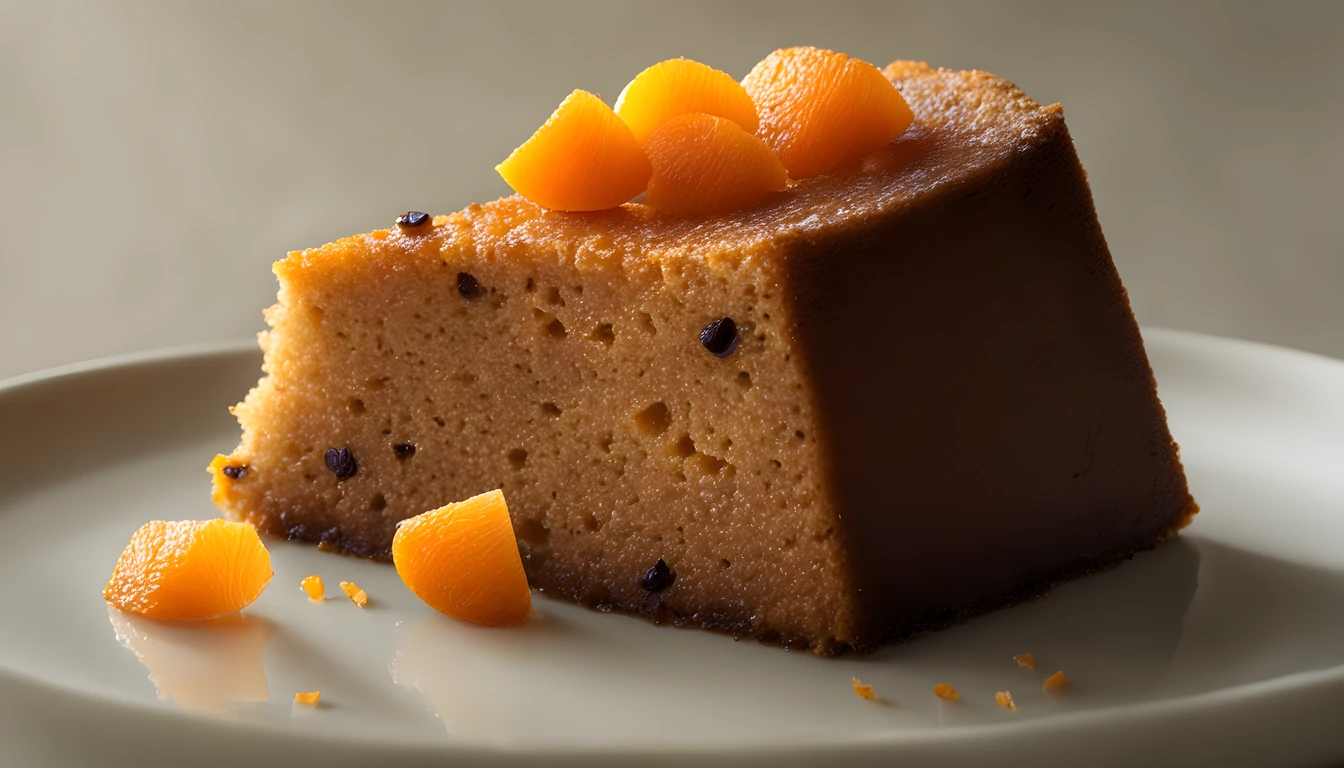
Honey Christmas Pudding with Raisins and Apricots
Steam a honey-sweetened Christmas pudding with raisins, dried currants and apricots. This butter-based version uses orange juice and is served fresh.
15Ingredients
Yield: 12 servings
- 200 g dark seedless raisins
- 100 g dried Zante currants
- 50 g dried sulfured apricots, chopped
- 80 g fresh orange juice
- 125 g honey
- 105 g unsalted butter, divided
- 100 g whole eggs without shells
- 125 g all-purpose flour
- 50 g white bread, finely crumbled
- 100 g peeled apple, cored and finely chopped
- 3 g orange zest
- 2.6 g ground cinnamon
- 1 g ground allspice
- 0.5 g ground nutmeg
- 1 g table salt
Ingredient amounts scale; instructions show the original batch. Cooking times and pan sizes may need adjustment. Season to taste. Honey grams use US measures at 20°C and 17.5% moisture, a density estimate; weigh your honey for precision.
Instructions
- 1Soak the fruitCombine the raisins, dried Zante currants, chopped apricots and orange juice. Cover and refrigerate for 3 hours, stirring once so the fruit shares the juice. Keep any liquid that remains with the fruit.
- 2Prepare the basin and panGrease a 1.5 litre heatproof pudding basin with 5 g butter and line its base with a circle of baking paper. Set a stable trivet or upturned heatproof plate in a deep lidded pan. Have boiling water ready and check that the covered basin fits with space for the pan lid.
- 3Mix the puddingBeat the remaining 100 g softened butter with the honey and orange zest until blended. Beat in the eggs a little at a time. Stir in the flour, bread crumbs, spices and salt, then fold in the apple and soaked fruit with its remaining juice.
- 4Cover with room to expandSpoon into the basin and level the surface, leaving space below the rim. Cover with a sheet of baking paper and a sheet of foil, with a pleat across the middle. Tie securely below the rim with kitchen string and make a string handle for lifting.
- 5Steam the puddingSet the basin on the trivet. Add boiling water to reach halfway up its side, without letting water run into the cover. Put on the pan lid and steam at a steady gentle simmer for about 3 hours. Check regularly and top up with boiling water before the pan runs low. Carefully check that the center is firm and a skewer has moist crumbs but no wet batter; steam longer if needed.
- 6Rest and serve warmLift out carefully, keeping hands away from escaping steam. Rest for 20 minutes, remove the cover and loosen the edge before turning onto a plate. Cut into 12 portions. The 410-minute total includes the fruit soak, preparation, steaming and rest. Refrigerate leftovers within 2 hours, or within 1 hour if the room is above 90 F (32 C).
Estimated nutrition per serving
247.58 calories · 8.26 g fat · 42.97 g carbohydrate · 3.66 g protein · 74.67 mg sodium
Serving: 1 of 12 servings
Calculated from ingredient weights and USDA FoodData Central: 168165, 171724, 173941, 169098, 169640, 173430, 171287, 168894, 174924, 171689, 169103, 171320, 171315, 171326, 173468. Estimates use ingredient input weights; actual portions, brands and cooking losses vary. Omitted nutrient values are unavailable, not zero.
A Butter-Based Pudding for Fresh Serving
Butter is the stated fat in this recipe, and orange juice is the fruit-soaking liquid. The dried fruit includes dark raisins, dried Zante currants and sulfured apricots. Those names matter for the ingredient estimate as well as the finished flavor.
Good Food's butter-based pudding method supplies the basin-and-steamer technique. This version has its own honey mixture and a larger basin. Plan to serve it warm after steaming, rather than putting it aside for a long room-temperature maturation.
Flavor intensity uses an editorial culinary scale: 1 is mild and 5 is bold. These are tasting suggestions, not laboratory measurements.
Sources: UC Agriculture and Natural Resources: cooking with honey; USDA FoodData Central: Raisins, dark, seedless; Good Food: butter-based pudding steaming; Good Food: refrigerated pudding preparation; FoodSafety.gov: chilling perishable foods.
1 = mild, 5 = bold. Editorial pairing guidance, not laboratory measurements; jars vary.
- Clover
- Raisins and apple
- Wildflower
- Dried fruit and warm spice
- Buckwheat
- A stronger Christmas pudding
Get the Honey Buyer's Cheat Sheet (free PDF)
16 varieties on one page — color, flavor, best use and what a fair price looks like — from the 304 honeys we track.
Leave Time for the Fruit and Steamer
The 3-hour fruit soak happens in the refrigerator. It is part of the total time, even though there is little active work during it. Chop the apricots before soaking so their pieces are similar in size to the raisins.
Steam over a steady gentle simmer. A dry pan interrupts cooking and can damage the basin, so check the water regularly. Add boiling water around the basin instead of pouring it over the covered top.
Give the Cover a Pleat
The paper and foil need enough slack for the pudding to expand. Tie below the basin rim so the cover stays in place, and use a string handle to lift the hot basin with better control. A lid does not replace that basin cover.
The trivet holds the basin off the hot pan base. Keep the water about halfway up the side and the pan lid on between checks. When uncovering the finished pudding, direct escaping steam away from your hands and face.
Honey, Spice and Serving
Clover makes the honey note mild. Wildflower gives it more character beside the dried fruit and cinnamon. Choose a honey you like with warm spice; the chart offers flavor suggestions rather than measured results.
Serve plain for the ingredient estimate below. A sauce or cream can be offered separately. For an oven-baked fruit dessert, see honey pear cranberry crumble, or choose honey cake when you want a simpler crumb.
Chilling, Reheating and the Estimate
Refrigerate leftovers promptly and use within 3 days. If preparing ahead, chill the cooled pudding rather than storing this orange-juice version at room temperature. To serve it again, cover the basin freshly and steam until hot throughout, allowing about 90 minutes. That later reheating is additional to the fresh-serving total.
The estimate divides the complete pudding into 12 portions and includes the small amount of butter used on the basin. It uses raw ingredient weights without a cooking-loss adjustment. For another honey dessert to bake ahead, try honey brownies.
Choosing the Honey
Use Clover Honey or Wildflower Honey for the flavor described in this recipe. See our honey selection guide for other culinary choices.