About This Recipe
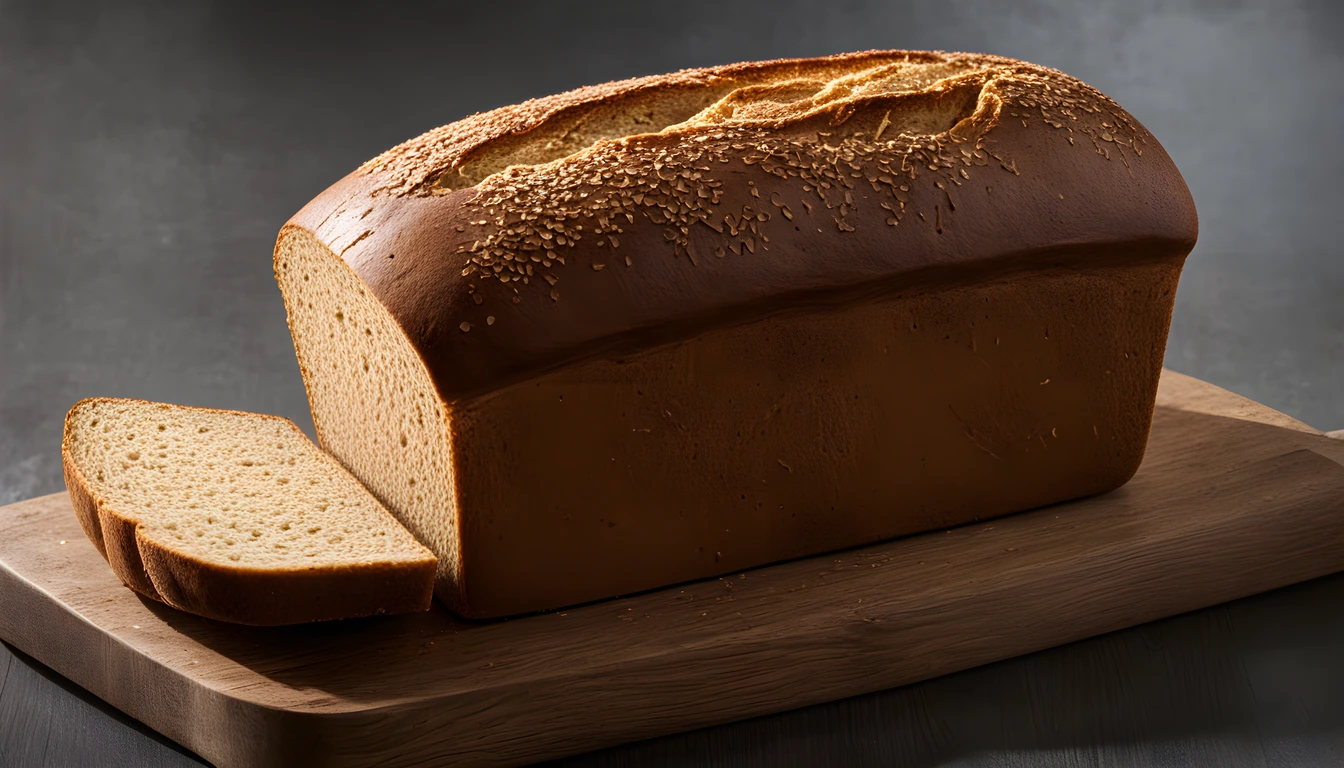
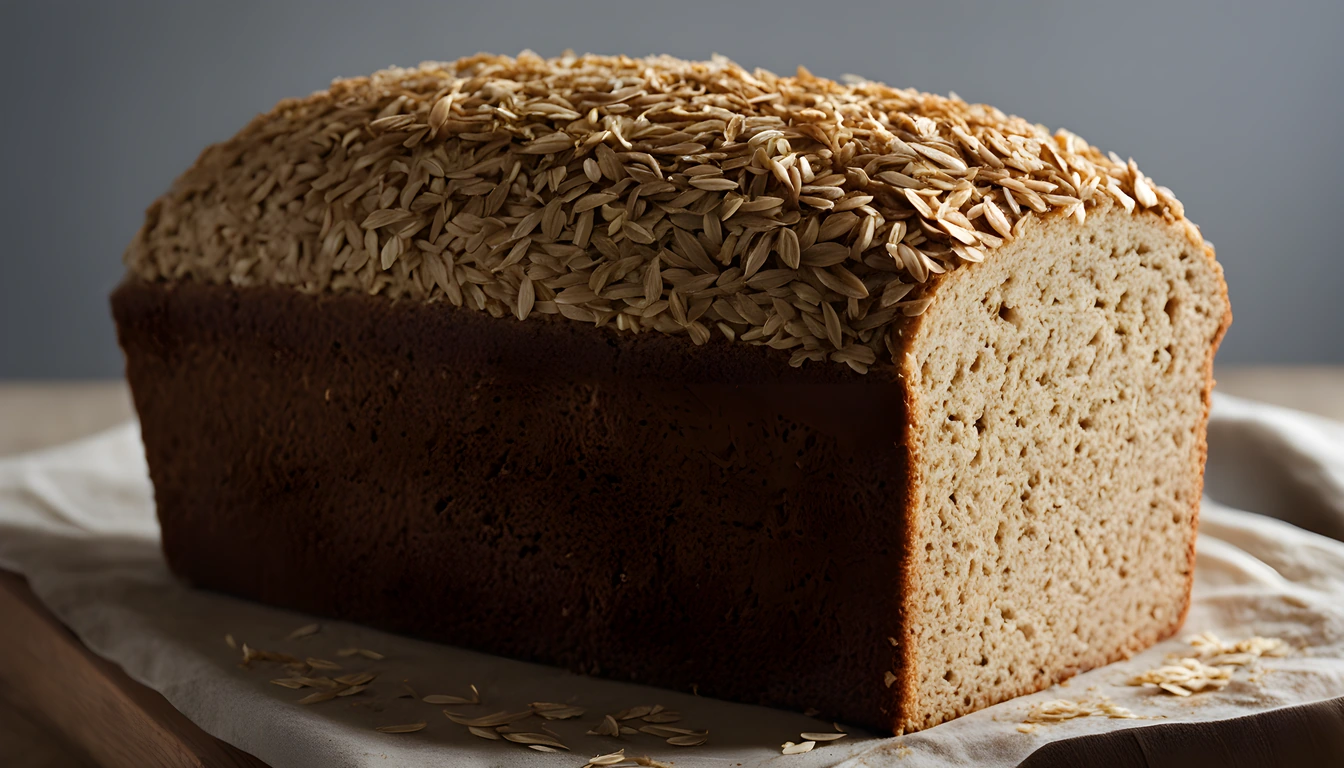
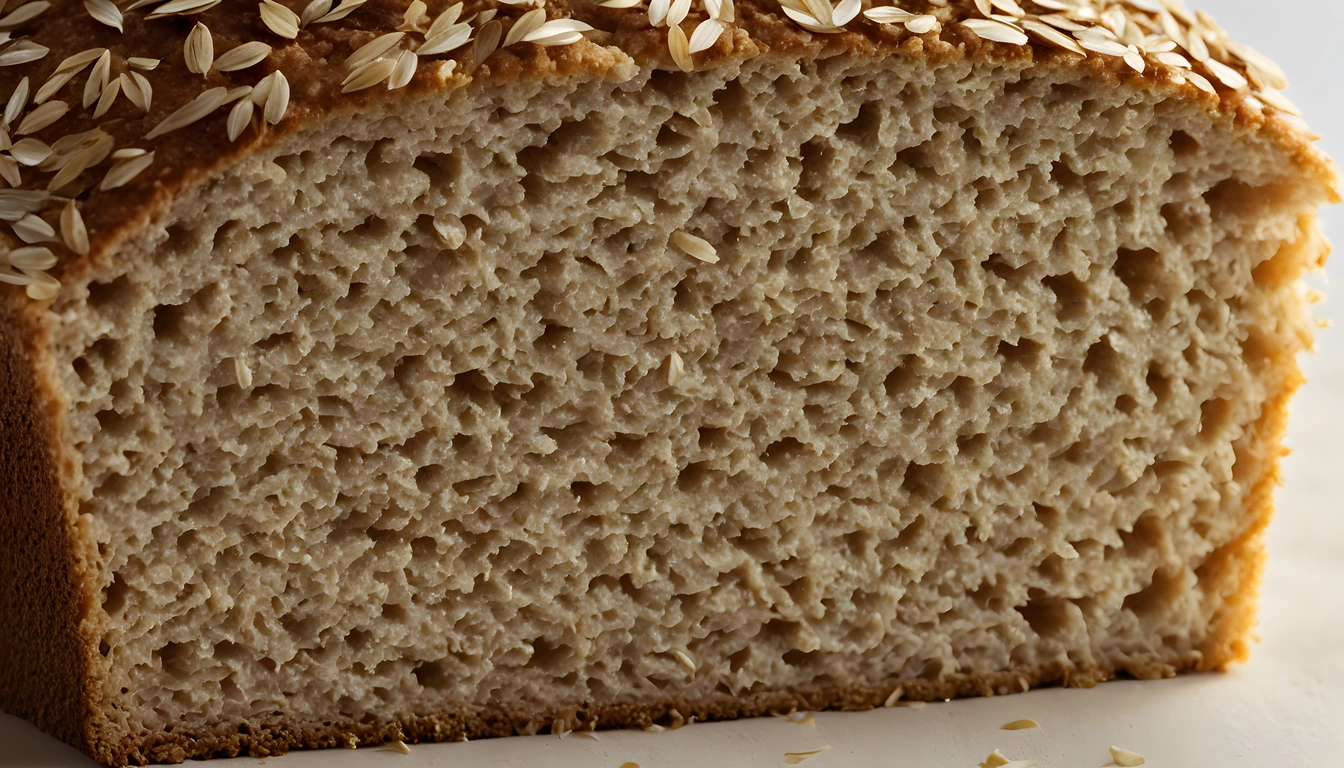
Soaked rolled oats give this honey bread a soft, substantial crumb. The honey goes into the dough, while a little milk holds the remaining oats on top. Plan for two rises and a full hour of cooling before slicing. This is a white-flour oat loaf, distinct from the whole-wheat honey bread and the plain enriched honey loaf.
Recipe
Honey Oat Sandwich Bread
Bake a yeasted sandwich loaf with soaked rolled oats and honey. Includes both rises, baking and an hour of cooling before twelve slices.
9Ingredients
Yield: 12 servings
- 80 g old-fashioned rolled oats, divided
- 350 g bread flour
- 180 g whole milk, divided
- 150 g water
- 63 g honey
- 28 g unsalted butter, softened
- 7 g active dry yeast
- 8 g table salt
- 5 g olive oil for bowl, pan and shaping
Ingredient amounts scale; instructions show the original batch. Cooking times and pan sizes may need adjustment. Season to taste. Honey grams use US measures at 20°C and 17.5% moisture, a density estimate; weigh your honey for precision.
Instructions
- 1Soak and cool the oatsPut 70 g of the oats in a heatproof bowl. Bring the measured water to a boil, pour it over the oats and stir. Leave for about 30 minutes, until the oats have softened and the mixture is no warmer than 100 F (38 C). Allow longer in a deep bowl or warm room; do not add yeast to hot oats.
- 2Mix and kneadWarm 170 g milk to about 100 F (38 C). Stir in the yeast and leave for 5 minutes. Mix with the cooled oats, honey, flour and salt. Work in the softened butter, then knead for 8 to 10 minutes until the dough is elastic and softly tacky. Use a scraper and a little of the measured oil for handling instead of adding extra flour.
- 3Let the dough riseUse some of the remaining measured oil to coat a bowl. Put the dough in, cover and let rise until roughly doubled, allowing 60 to 90 minutes. Oil a 9 by 5 inch loaf pan with the rest of the measured oil.
- 4Shape and proofGently press out large air pockets. Pat the dough into a rectangle, roll into a snug loaf and put seam-side down in the pan. Cover and let rise for about 45 to 60 minutes, until the center crowns roughly 2 cm above the rim. Heat the oven to 350 F (175 C) toward the end of the rise.
- 5Top and bakeBrush the top gently with the remaining 10 g milk and scatter on the remaining 10 g oats. Bake for 40 to 45 minutes, until deep golden and the center reaches about 190 F (88 C). Loosely cover with foil if the top darkens before the center is baked.
- 6Cool before slicingLeave in the pan for 5 minutes, then turn onto a rack. Cool for at least 1 hour before cutting into twelve similar slices. The 315-minute total allows preparation, oat cooling, the longer stated rises, baking and cooling. A slow dough or hot room can change those intervals.
Estimated nutrition per serving
177.98 calories · 3.76 g fat · 30.95 g carbohydrate · 5.12 g protein · 267.37 mg sodium
Serving: 1 of 12 servings
Calculated from ingredient weights and USDA FoodData Central: 173904, 168896, 171265, 173647, 169640, 173430, 175043, 173468, 171413. Estimates use ingredient input weights; actual portions, brands and cooking losses vary. Omitted nutrient values are unavailable, not zero.
Soften the Oats before Mixing
The oats are weighed dry. Hot water softens 70 g before they join the dough; the other 10 g stay dry for the top. Let the soaked mixture cool before adding the yeast so the dough starts warm rather than hot.
King Arthur Baking's honey oatmeal bread method also rests oats with water before mixing. This is a separate rolled-oat formula, without its applesauce or potato ingredients. The liquid balance and rise schedule belong to this loaf.
Flavor intensity uses an editorial culinary scale: 1 is mild and 5 is bold. These are tasting suggestions, not laboratory measurements.
Sources: UC Agriculture and Natural Resources: cooking with honey; USDA FoodData Central: Cereals, oats, regular and quick, not fortified, dry; King Arthur Baking: resting oats for honey bread.
1 = mild, 5 = bold. Editorial pairing guidance, not laboratory measurements; jars vary.
- Clover
- Rolled oats and butter
- Wildflower
- Toasted oat crust
- Buckwheat
- A stronger oat loaf
Get the Honey Buyer's Cheat Sheet (free PDF)
16 varieties on one page — color, flavor, best use and what a fair price looks like — from the 304 honeys we track.
Let the Dough Set the Pace
The first rise ends when the dough has roughly doubled, not when a timer rings. For the second, watch the crown above the rim of the 9 by 5 inch pan. A cooler kitchen usually needs more time.
This is a soft dough. A scraper and lightly oiled hands help handle it without turning it stiff with unmeasured flour. Weigh the yeast: the listed 7 g is a measured amount rather than an assumption about every packet size.
Honey in the Loaf, Oats on Top
Clover gives the crumb a mild honey flavor. Wildflower is more noticeable with oats and butter. There is no honey glaze brushed on after baking; all the honey is mixed into the dough.
The loaf has milk and butter but no egg. For other styles, see the plain honey bread, whole-wheat honey bread or honey sourdough bread. Each uses a different dough.
Cool before Cutting
The center needs time to settle after baking. Cutting while hot can squash the soft crumb and make it seem gummy even when the loaf has baked through. Rest it on a rack for at least an hour.
The estimate divides the entire loaf into twelve portions and includes the topping milk, oats and measured oil. Toasting changes moisture rather than the starting ingredients. Extra butter, jam or honey at the table is separate.
Choosing the Honey
Use Clover Honey or Wildflower Honey for the flavor described in this recipe. See our honey selection guide for other culinary choices.