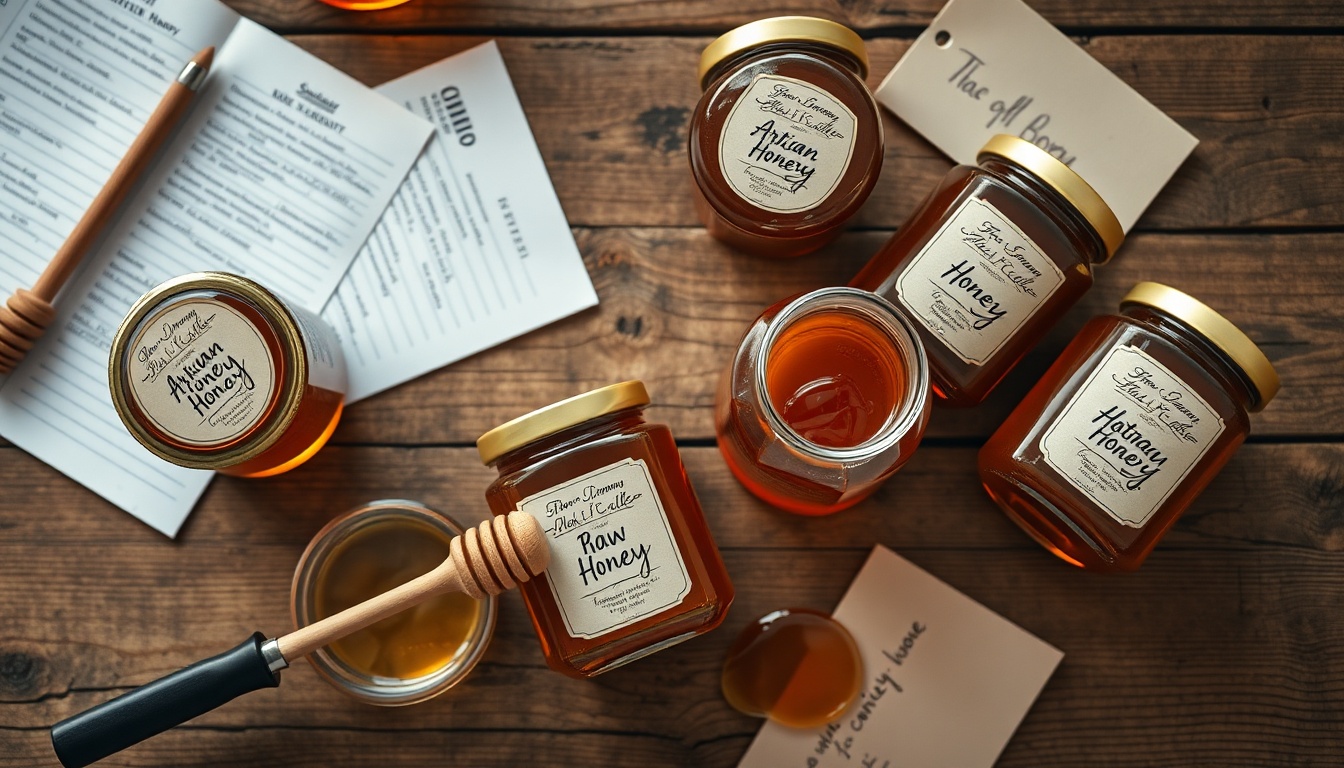
Why Honey Subscriptions Are Worth Considering
A honey subscription box does something a grocery store shelf cannot: it puts genuinely interesting, small-batch, single-origin honey in your hands before it sells out. Most exceptional American honey — the spring Utah sweet clover honey, the late-summer Pennsylvania sourwood honey, the Florida winter orange blossom honey — comes from small apiaries producing a few hundred pounds per harvest. By the time it reaches a specialty retailer, it's often gone.
Subscription programs from quality producers solve this problem. You're essentially reserving a share of what the bees make each season, similar in spirit to a CSA farm share. The trade-off: you pay upfront, you don't always know exactly what you'll receive, and quality varies significantly between programs.
This guide helps you evaluate what matters before subscribing: how production quality, sourcing transparency, harvest freshness, and subscription mechanics differ across programs — so you get genuinely excellent honey rather than rebranded bulk product in a nice box.
What Separates Good Honey Subscriptions from Marketing Gimmicks
The honey subscription market has grown fast. Not all programs are created equal — and the packaging rarely tells the whole story. Here's what actually matters:
- Named sourcing: The best programs tell you which apiary, which state or region, and which nectar source produced each jar. "Wildflower honey from the Pacific Northwest" is vague; "Fireweed honey from the Cascade foothills, harvested September 2025" is meaningful
- Harvest date and batch traceability: Fresh honey (within 6-12 months of harvest) has noticeably better flavor and more intact beneficial compounds than honey of unknown age. Quality programs put harvest or bottling dates on labels
- Beekeeper relationship: Is the company working directly with identifiable beekeepers, or sourcing from a broker? Direct relationships mean better quality control and more interesting varietals
- Processing transparency: Is the honey raw (never heated above hive temperature) or pasteurized? Lightly filtered or coarse-filtered (which preserves pollen) vs. ultra-filtered (which removes pollen — the only way to verify origin)? Subscription programs worth your money will say clearly
- Variety rotation: A good subscription exposes you to genuinely different honeys each cycle — not just the same blended wildflower in different packaging. Look for programs that rotate by season, region, or nectar source
Pro Tip
Ask programs directly: "Who is the beekeeper?" and "What is the harvest date?" A company confident in its sourcing will answer immediately. Vague responses are a warning sign.
Get the Honey Buyer's Cheat Sheet (free PDF)
16 varieties on one page — color, flavor, best use and what a fair price looks like — from the 304 honeys we track.
Types of Honey Subscriptions
Honey subscriptions break into a few distinct types, each suited to a different buyer. Understanding which type fits your goals helps you avoid paying a premium for something you didn't want.
- Single-origin seasonal clubs — The most interesting category. You receive small-batch honey from a specific apiary or region each season. Selections rotate as harvests occur. Best for people who want to taste how geography and timing shape flavor
- Variety sampler subscriptions — Each delivery includes 3-5 jars of different honey types (clover, buckwheat, orange blossom, wildflower, acacia, etc.) usually at a smaller per-jar quantity. Good for building variety literacy. Watch for whether these are truly single-source or blends
- Producer-direct subscriptions — You subscribe directly to a specific apiary that sells its own honey. The simplest and most transparent model; you're essentially a regular customer of a working beekeeper
- Curated artisan gift subscriptions — Boxes assembled by a honey-focused retailer, mixing varietals, possibly including honeycomb, infused honey, or pollen. More expensive, higher margin; value depends heavily on the curator's sourcing rigor
- Specialty honey subscriptions — Focus on Manuka honey or other premium honeys. Higher price point; evaluate whether you're paying for genuine UMF-certified Manuka or a marketing premium on ordinary honey
Single-Origin Producer Subscriptions: The Best Value
For serious honey enthusiasts, subscribing directly to a small producer is almost always the best value. You're paying the beekeeper rather than a middleman, getting the freshest possible honey, and often receiving varietals not available anywhere else.
What to look for in a producer subscription: Does the apiary have a transparent online presence with information about their practices? Do they describe their extraction and processing methods? Do they label harvest dates? Beekeepers who care about quality are proud to share these details.
The trade-off with producer subscriptions is reliability — small operations can have bad seasons, moves, or production changes that affect availability. The best producers communicate clearly when this happens and offer alternatives or pauses.
Curated Subscription Programs: What to Evaluate
Curated programs — where a company assembles selections from multiple sources — can expose you to a wider range of producers than you'd find on your own. But curation quality varies enormously.
High-quality curators have genuine relationships with named beekeepers and rotate their selections based on actual harvest availability. Lower-quality programs use the same 3-4 honey suppliers year-round, package them attractively, and call it a subscription. The red flag is when "curated" selections never change and the sourcing information on the website is thin.
Questions to ask a curated program: How do you choose your honey sources? Can you tell me who produced this season's selection? What is the harvest date on the current offerings? Are these single-origin, blended, or both? A program that can answer these questions in detail — on their website or via a quick email — is worth a trial subscription.
Frequency and Quantity: Finding the Right Fit
Most honey subscriptions ship quarterly (4x per year), monthly, or bi-monthly. The right frequency depends on how much honey you consume and whether your primary goal is regular use or exploration.
A household that uses honey as a daily sweetener in coffee, cooking, and baking will go through 1-2 lbs per month easily. A household that uses honey occasionally — on toast, in salad dressing, as a dessert component — might be overwhelmed by monthly 1-lb deliveries.
Most curated programs send 2-5 oz jars (small enough to finish before they crystalize or lose freshness). Producer-direct subscriptions often ship larger quantities (8-16 oz jars) at better price-per-ounce. Think about which model fits your usage patterns.
- Light users (occasional): Quarterly subscription, 2-4 small sample jars per delivery focusing on wildflower and clover honey for versatile daily use
- Moderate users (1-2 tbsp daily): Monthly or bi-monthly with 8-12 oz per delivery including acacia honey for gentle sweetening and orange blossom honey for tea and baking
- Heavy users (cooking, baking, gifting): Monthly with 1+ lb per delivery featuring buckwheat honey for robust cooking applications and sourwood honey for premium desserts, or producer-direct large format
- Gifters: Quarterly with curated presentation and variety including Manuka honey for its distinctive character and tupelo honey for sophisticated flavors — look for programs with gift messaging options
Honey Subscription as a Gift: What Makes It Work
A honey subscription is one of the better recurring gift options because the deliveries spread over time, and genuinely interesting honey is something most people don't buy for themselves. The category works especially well for food-curious gift recipients who already use honey regularly. Father's Day (June 15, 2026) represents an ideal timing for gifting honey subscriptions, particularly for dads interested in grilling, cooking, or artisanal foods — buckwheat honey and wildflower honey create exceptional BBQ glazes and marinades impossible to achieve with supermarket honey.
For gifts, presentation matters more than for personal subscriptions. Look for programs that include tasting notes, producer stories, and food pairing suggestions in each delivery — these transform a jar of honey into an experience. A gift recipient who learns something interesting about each variety is far more likely to appreciate the gift than one who receives honey with no context.
Set a duration you're comfortable with: a 3-month gift subscription is a safe start. Avoid auto-renewing gift subscriptions that charge the original purchaser indefinitely — read the billing terms carefully.
The Economics of Honey Subscriptions
Honey subscription boxes tend to run $30-80 per delivery for 3-6 oz of honey — a significantly higher price per ounce than farmers market or grocery honey. Whether this price is justified depends entirely on the sourcing quality.
Single-source, named-beekeeper, harvest-dated small-batch honey at $30-40 for 4 oz represents genuine fair value — this honey simply isn't available any other way at scale, and the per-ounce price reflects real production costs from small apiaries. Premium subscription pricing for honey of unverifiable origin with vague sourcing language is harder to justify.
Compare to your local alternatives: a regional farmers market beekeeper might sell the same quality honey at a lower price per ounce. The subscription premium buys convenience and discovery of producers outside your region. If you live in an area with good direct access to local honey, a subscription is mainly for variety and exploration. If your local honey options are limited to grocery store shelves, a quality subscription can be a significant upgrade.
Pro Tip
Most subscription programs offer one-time purchase options for their featured honeys. Try buying one jar without committing to a subscription first. If the quality impresses you, subscribing makes sense. If it doesn't, you've saved yourself from ongoing charges.
How to Taste and Store Subscription Honey Properly
Getting the most from a honey subscription means knowing how to taste each variety properly and how to store it so quality is maintained until you use it.
Taste new honey at room temperature, from a clean spoon, before using it in food. Note the color (darker generally means stronger flavor), the aroma before tasting, the initial flavor, and the finish. Compare this to what the producer says about the variety. Learning to taste honey like this builds flavor memory over time and makes subsequent deliveries more interesting — you'll start to notice how different seasons and regions express themselves.
- Storage: Room temperature (60-80°F), away from direct light and heat. Never refrigerate — cold temperatures dramatically accelerate crystallization
- Container: Keep in its original jar with the lid tight. Honey is hygroscopic and absorbs moisture from the air, which can lead to fermentation if water content exceeds 18%
- Crystallization: A natural process that doesn't indicate spoilage. Gently warm crystallized honey in a warm water bath (not microwave) to return it to liquid without damaging flavor or enzymes
- Shelf life: Properly stored honey is indefinitely shelf-stable. But for best flavor, use within 1-2 years of harvest. Subscription honey is usually fresher than grocery store honey, which can sit in warehouses for years
Red Flags to Watch For
The honey market has a significant counterfeiting and adulteration problem. This extends to subscription programs, where marketing sophistication can disguise sourcing problems. These warning signs suggest a program isn't worth your money:
- No harvest or processing date on labels — reputable producers track and label this
- "Pure honey" or "100% natural" labeling without specifics — legally meaningless phrases that don't indicate quality
- Suspiciously low prices — genuine small-batch artisan honey costs more to produce; deep discounts often mean bulk commercial honey in premium packaging
- No pollen in the honey — ultra-filtered honey (which is transparent and never crystallizes) has had its pollen removed, which also removes the ability to verify geographic origin. This processing method is common in adulterated honey
- Country of origin listed as "blend of domestic and imported" — legally this can mean almost anything
- Vague beekeeper stories — stock photos, no names, no specific locations are red flags for sourcing that isn't what it claims to be
Questions to Ask Before You Subscribe
Use these questions to evaluate any subscription program before committing. A company confident in its sourcing will answer all of them directly. Vague or defensive responses are useful information.
- 1. Who are your beekeepers, and can I read about them? Named individuals with photos and stories indicate real direct relationships
- 2. What is the harvest or processing date on your current honey? Freshness matters for both flavor and beneficial compound content
- 3. Is the honey raw, and how do you define raw? The answer should include a maximum temperature during processing
- 4. How is it filtered? Course filtering (removes wax and large debris) preserves pollen; ultra-filtering removes pollen and is a red flag
- 5. How often does your selection rotate? True seasonal single-origin programs rotate 3-4 times per year as harvests occur
- 6. What is your return/cancellation policy? Quality programs offer easy cancellation and stand behind their product
- 7. Is this honey tested for adulterants? NMR (nuclear magnetic resonance) testing is the gold standard for verifying honey authenticity
Pro Tip
Check if the program is a member of the American Honey Producers Association or if producers are certified by the True Source Honey program — a third-party certification that verifies geographic origin and authenticity.
Building Your Own Honey Discovery Program
If existing subscription programs don't appeal to you — or if you want more control — you can create your own honey discovery practice without a formal subscription. Our local honey source directory lists over 1,500 verified US producers by state. Many sell directly online or at farmers markets.
The approach: pick two or three states you haven't tried yet, find a producer in each state through our directory or their local farmers market, order one jar from each. Compare them side by side. Note how Arkansas clover honey differs from Montana fireweed honey, how California orange blossom honey differs from Florida orange blossom honey. This DIY approach gives you the discovery benefits of a subscription without the recurring charge, and it directly supports individual beekeeping operations.
Pair this with seasonal awareness: spring honeys (citrus blossoms, early wildflower, clover honey) have bright, fresh character; fall honeys (goldenrod, aster, buckwheat honey) are darker and more complex. Rotating by season across different regions is how you develop real honey literacy over time.