Honey Prices Have Jumped — Here's Why
If you've noticed higher prices at the farmers market or grocery store, you're not imagining it. Raw honey prices across the US have risen 15-25% since 2024, with specialty varieties like Manuka and Tupelo seeing even steeper increases. Several converging factors are driving this trend, and understanding them helps explain why quality honey is becoming more expensive.
Colony Losses Continue to Climb
American beekeepers lost an estimated 48% of their managed colonies over the 2024-2025 winter season, according to preliminary Bee Informed Partnership data. This continues a troubling trend — annual losses have exceeded 40% for most of the past decade.
Each lost colony represents not just dead bees but also the cost of replacement (a nucleus colony runs $150-250 in 2026), lost honey production for that season, and the labor to rebuild. These costs get passed through to honey prices.
Varroa mites remain the primary driver of colony losses, compounded by pesticide exposure, habitat loss, and increasing climate unpredictability. While beekeepers are getting better at managing these threats, losses remain stubbornly high.
Get the Honey Buyer's Cheat Sheet (free PDF)
16 varieties on one page — color, flavor, best use and what a fair price looks like — from the 268 honeys we track.
Climate Change Is Disrupting Nectar Flows
Honey production depends on predictable bloom times and favorable weather during nectar flows. Climate change is making both less reliable. Early warm spells trigger blooms before colonies are strong enough to take advantage, then late freezes kill the flowers. Extended droughts reduce nectar production, and unpredictable rainfall patterns can wash out entire honey flows.
The 2025 season saw poor production in several major honey-producing states. North Dakota, the top honey-producing state, experienced drought conditions that reduced yields by an estimated 20-30% compared to the 5-year average.
This isn't a one-year blip — climate models suggest increasingly variable honey production as weather patterns become less predictable.
Demand for Raw and Specialty Honey Is Growing
Consumer demand for raw, unprocessed, and specialty honeys has grown steadily as buyers seek alternatives to ultra-processed sweeteners. The US honey market is projected to exceed $1.2 billion by 2027, with the premium and specialty segment growing faster than conventional.
Social media has accelerated this trend — viral content about Manuka honey benefits, hot honey recipes, and honeycomb eating has brought new consumers into the market. When demand grows faster than supply (especially with production challenges), prices rise.
International demand is also competing for supply. China, the world's largest honey producer, has been importing more premium honey as its middle class grows, reducing the global surplus that previously kept prices down.
Import Tariffs and Trade Enforcement
The US has long imposed anti-dumping duties on Chinese honey to prevent artificially cheap imports from undercutting domestic producers. Increased enforcement of these tariffs, plus stricter testing for honey adulteration and transshipment (routing honey through third countries to avoid duties), has reduced the supply of cheap imported honey.
This is actually a positive development for honey quality — the cheap imports being blocked were often adulterated with corn syrup or rice syrup. But it does mean the bottom of the price spectrum is rising as fraudulent products are removed from the market.
6 Smart Ways to Save on Quality Honey
Rising prices don't mean you have to give up quality honey. Here are practical strategies to keep enjoying real honey without breaking the bank.
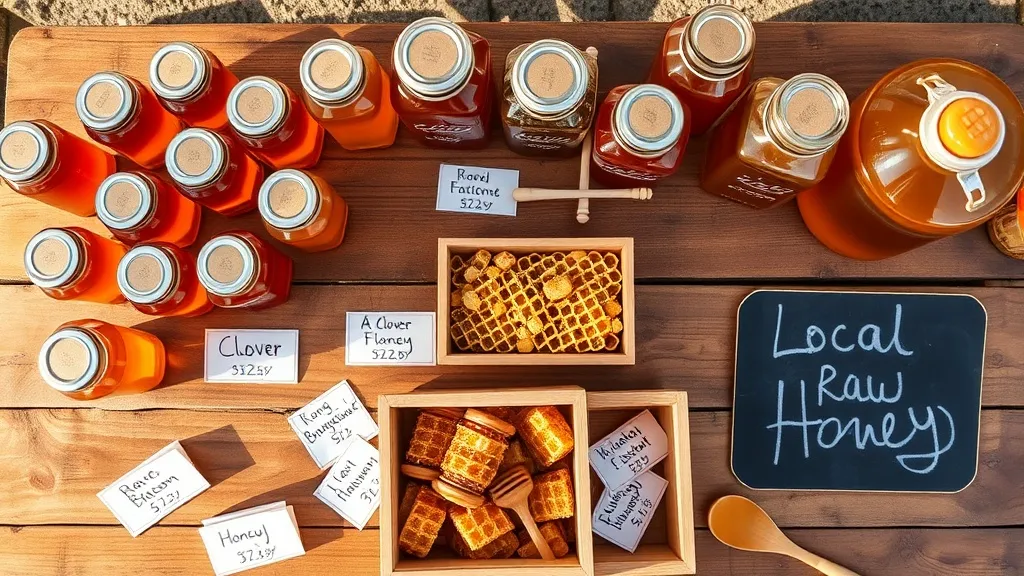
- Buy directly from local beekeepers — farmers markets and apiaries often have better prices than stores because there's no retailer markup. A typical 2 lb jar from a local beekeeper runs $15-22 vs $18-30 retail
- Buy in bulk — most beekeepers offer discounts for larger quantities. A gallon (12 lbs) often costs 20-30% less per pound than individual jars
- Choose varietal honeys that are abundant in your region — local wildflower and clover cost far less than imported Manuka or rare varietals
- Join a honey CSA or subscription — some apiaries offer seasonal subscriptions at a fixed price, locking in savings
- Stock up during harvest season (late summer/fall) — prices are typically lowest right after the main honey harvest when supply is highest
- Try crystallized honey — some sellers discount crystallized jars even though the honey is perfectly fine. You can gently warm it to reliquefy or enjoy the spreadable texture
What to Expect for the Rest of 2026
Barring exceptional weather, expect honey prices to remain elevated through 2026. The structural factors — colony losses, climate volatility, growing demand — won't reverse quickly. However, prices are unlikely to spike dramatically further; producers and consumers are adjusting.
The best long-term strategy is building a relationship with a local beekeeper. You get fresher honey, better prices, support your local pollination ecosystem, and insulate yourself from the volatility of the commercial honey market.