What Do Honey and Cloves Do Together?
Honey rounds out the sharp, warming flavor of cloves. A little can turn plain yogurt, warm tea, or baked fruit into something fragrant and spicy; too much clove makes the same food taste medicinal. The useful benefit is this contrast in flavor, not a proven detox, immunity boost, or treatment.
Cloves are the dried flower buds of Syzygium aromaticum. Use the brown, nail-shaped whole spice or culinary ground cloves. Clove essential oil and concentrated extracts are different products, not shortcuts for a kitchen recipe. This guide uses ordinary food ingredients and small, adjustable amounts.
Whole Cloves or Ground Cloves?
Choose whole cloves when you want to steep and remove the spice, as in tea or poaching liquid. Count them into the pan and strain them all out before serving. They stay woody and hard; they are not a pleasant crunchy topping. Crushing a whole clove exposes more surface, so start gently rather than compensating with a handful.
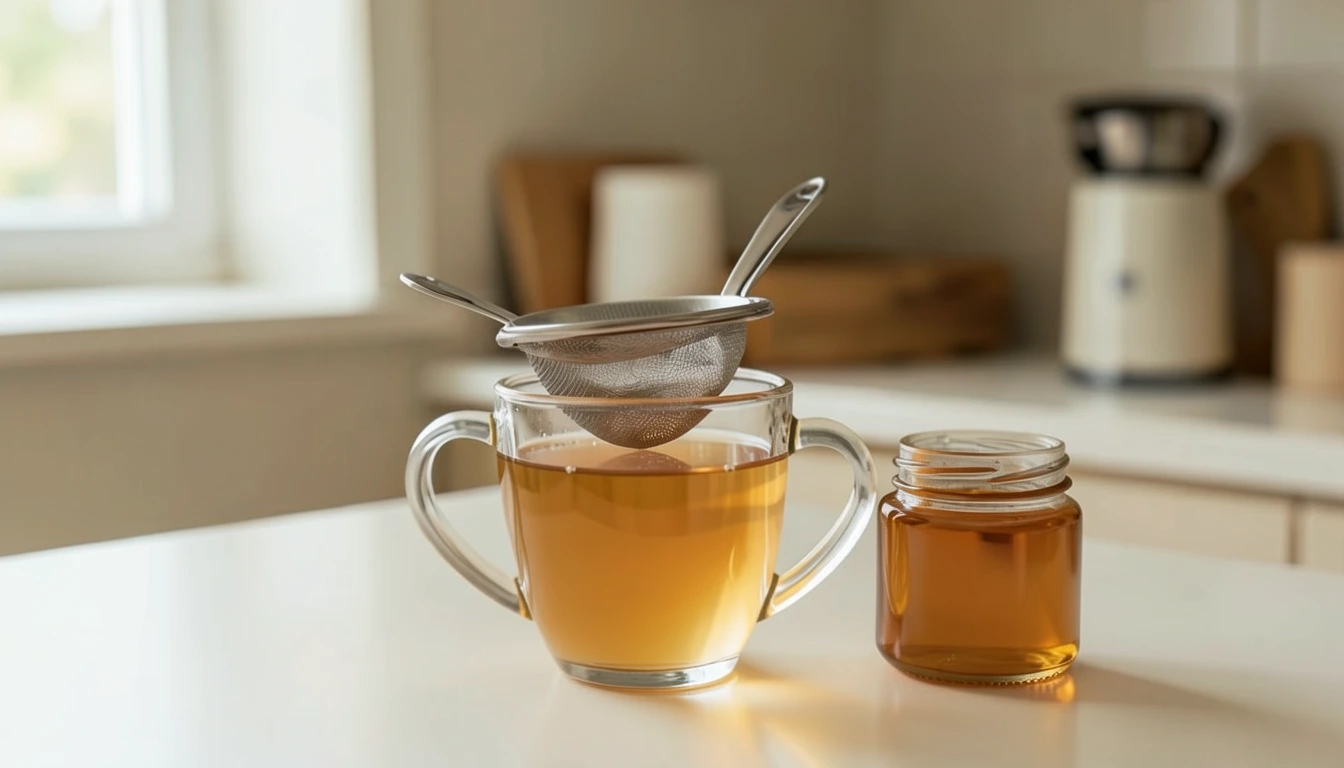
Choose ground cloves when the spice should stay in the food, such as yogurt, oatmeal, or a spread. Powder disperses but does not truly dissolve, so it can leave sediment in a drink. For clear tea, whole cloves and a fine strainer give a better result. Buy a small jar if you use it only occasionally.
Get the Honey Buyer's Cheat Sheet (free PDF)
16 varieties on one page — color, flavor, best use and what a fair price looks like — from the 268 honeys we track.
An Easy Honey and Clove Drink
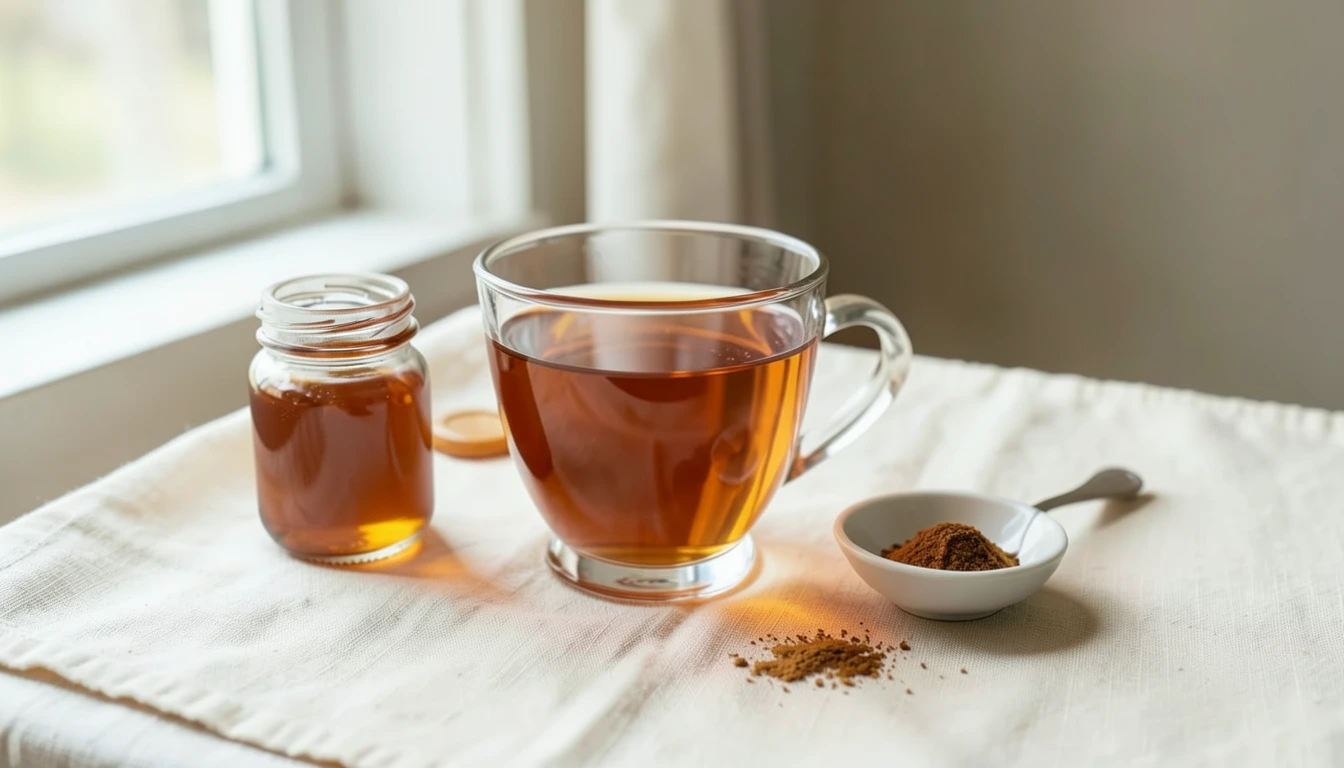
For one mug, start with 1 whole clove and 1 cup (240 ml) water. Bring the water to a gentle simmer, add the clove, and simmer for about 5 minutes. Strain into a mug, let it reach a comfortable drinking temperature, then stir in 1 teaspoon honey. Taste before making the next cup stronger. These are culinary starting proportions, not a medicinal dose.
For a stronger spice note, try 2 whole cloves next time rather than simmering the first cup indefinitely. You can steep a tea bag in the strained liquid according to its package directions. Add a small squeeze of lemon to the cup if you like acidity; do not pour the finished drink back into your honey jar.
Adding honey at the end makes it easier to judge sweetness and retain the aroma you enjoy. There is no need to hunt for an exact temperature that supposedly activates health benefits. Plain clover or wildflower honey works well; an expensive specialty honey is unnecessary.
Three Ways to Use It in Food
For food, blend a very small pinch of ground cloves into 1 teaspoon honey, then stir that into the full serving. Starting in a spoonful of honey helps distribute the powder. Taste the finished food before adding more spice; the concentrated spoonful will taste stronger than the whole bowl.
If you overshoot, dilute with more of the unsweetened base. Adding more honey alone can leave you with food that is both too sweet and too pungent. A little lemon can brighten flavor, but it will not remove excess clove.
- Yogurt: stir the spiced teaspoon of honey into 3/4 cup plain yogurt; add chopped pear or apple. For more ideas, see our honey and yogurt guide.
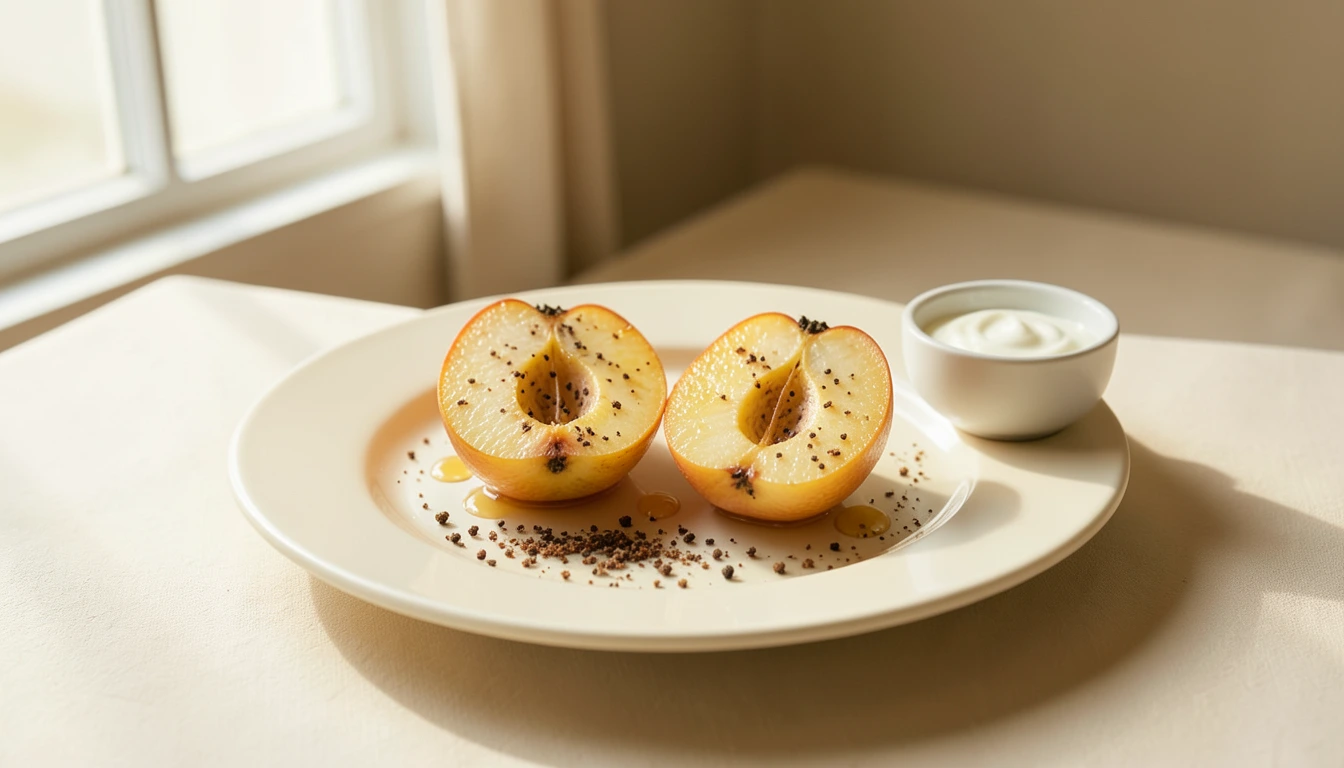
- Warm fruit: spoon the mixture over an already-baked pear or apple. Keeping the clove in the sauce avoids leaving hard whole buds in the fruit.
- Oatmeal: fold the mixture into a bowl of cooked oats with chopped walnuts, if tolerated. Try cinnamon only after tasting the clove so the spices stay balanced.
What Human Research Actually Tested
A 2019 clove-extract pilot study gave 13 volunteers a 250 mg capsule of a standardized, water-soluble clove extract daily during a 30-day study. Researchers reported lower post-meal glucose readings. The study was open-label, had no placebo group, and included authors employed by the ingredient manufacturer and a supplement company.
It tested an extract, not whole cloves, clove tea, or honey with cloves. The findings cannot show that this drink lowers blood sugar, cancels out the sugar in honey, or prevents diabetes. Small uncontrolled studies can suggest questions for further research; they do not establish a treatment. Laboratory findings about eugenol, a clove constituent, also do not tell us what a teaspoon-sized kitchen mixture does in people.
Safety, Buying, and Storage
Honey contributes sugar regardless of the spice mixed into it. If you count carbohydrates, include it in your normal plan; see our honey nutrition guide. Do not use this mixture to replace diabetes medicines or dental treatment.
Do not substitute clove oil for cloves. NIH LiverTox documents severe liver injury after large clove-oil ingestions, especially accidental ingestion by children. That warning concerns concentrated oil; it does not mean a pinch of culinary cloves has the same exposure. Keep oils out of reach and use food spices for these preparations.
Avoid an ingredient you are allergic to. Check with a clinician or pharmacist before using concentrated clove products as supplements, particularly if you take medicines, are pregnant, or are breastfeeding. Never give honey or honey mixtures to babies under 12 months.
Store the spice sealed, dry, and away from stove heat; follow its package guidance. Keep plain honey in its own closed jar and use a clean, dry spoon. Make the drink and yogurt mixture for immediate use. These instructions do not establish a shelf life for a jar of homemade infused honey, particularly one containing water, tea, or fruit.
