Why Honey Garlic Shrimp Pasta Works So Well
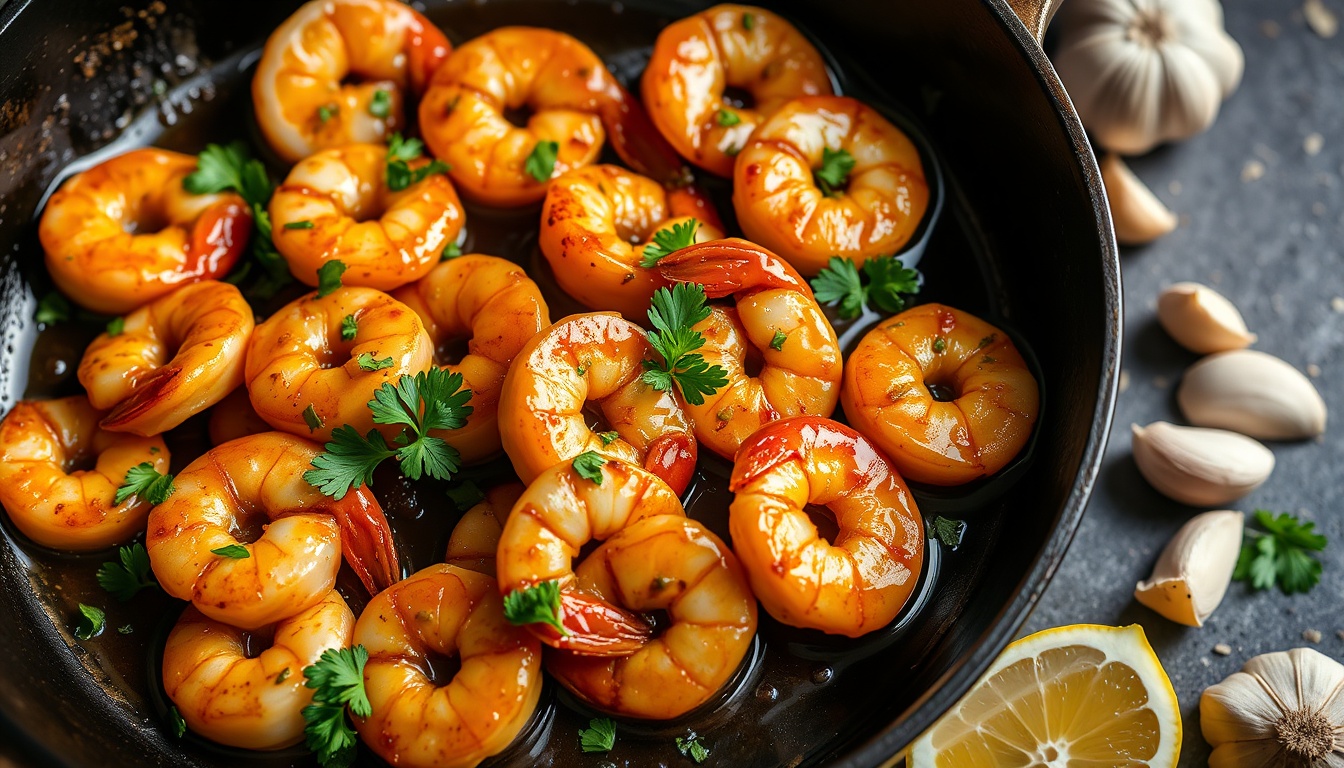
Cook the pasta while you sear the shrimp, then bring the two together in the honey garlic butter sauce. Keep the shrimp out of the pan during the sauce reduction so they do not spend the whole time cooking.
The measured base uses 453.6 g peeled, deveined raw shrimp with tails removed, plus 340.2 g dry enriched pasta. Those are edible shrimp and dry pasta weights, not a whole-shell purchase weight or an assumed cooked yield.
Recipe
Honey Garlic Shrimp Pasta
Toss peeled shrimp and linguine with honey garlic butter sauce. Includes five variations and nutrition based on raw edible shrimp and dry pasta weights.
11Ingredients
Yield: 4 servings
- 453.6 g raw peeled shrimp, deveined with tails removed
- 340.2 g dry enriched pasta
- 56.8 g unsalted butter (4 tablespoons), divided
- 18 g garlic, minced
- 63 g honey (3 tablespoons)
- 32 g soy sauce (2 tablespoons)
- 15 g lemon juice (1 tablespoon)
- 0.5 g ground cayenne pepper
- 0.58 g ground black pepper
- 120 g water for finishing the sauce
- 8 g fresh parsley, chopped
Ingredient amounts scale; instructions show the original batch. Cooking times and pan sizes may need adjustment. Season to taste. Honey grams use US measures at 20°C and 17.5% moisture, a density estimate; weigh your honey for precision.
Instructions
- 1Cook the weighed dry pastaBring a pot of unsalted water to a boil and cook the pasta according to its package until just tender. The 25-minute schedule assumes the water heats while ingredients are prepared. Drain; use the separate measured 120 g water for the finishing sauce.
- 2Sear the peeled shrimpPat the peeled, deveined, tail-free shrimp dry. Melt 28.4 g of the butter in a large skillet over medium-high heat. Cook shrimp in a single layer, turning once, until the flesh is firm, pearly and opaque. Work in batches if necessary. Move the cooked shrimp to a clean plate.
- 3Make the garlic sauceReduce the heat to medium-low. Melt the remaining 28.4 g butter, add garlic and stir for about 30 seconds. Add honey, soy sauce, lemon juice, cayenne, pepper and the measured finishing water. Simmer briefly until combined.
- 4Bring pasta and shrimp togetherToss the drained pasta with the sauce until coated and hot. Return the cooked shrimp and their juices, adding them only long enough to warm through. Check that no shrimp have translucent raw centers.
- 5Finish and portionFold in the measured parsley and divide into four portions. Extra Parmesan, cream or other additions in the five variations change the measured base.
Estimated nutrition per serving
574.87 calories · 13.5 g fat · 78.95 g carbohydrate · 35.06 g protein · 584.63 mg sodium
Serving: 1 of 4 servings
Calculated from ingredient weights and USDA FoodData Central: 175179, 169736, 173430, 169230, 169640, 174277, 167747, 170932, 170931, 173647, 170416. Estimates use ingredient input weights; actual portions, brands and cooking losses vary. Omitted nutrient values are unavailable, not zero.
Choose the honey by flavor
Compare the best honey for cooking. Clover honey gives a mild coating; wildflower honey varies with its nectar sources and can taste more floral. Choose one jar for the measured base.
This map is an editorial flavor guide using a relative 1–5 intensity scale. It is not a measured sweetness, quality or nutrition score. The variations below change the ingredients and their estimate.
1 = mild, 5 = bold. Editorial pairing guidance, not laboratory measurements; jars vary.
- Clover
- Garlic and mild savory sauces
- Wildflower
- Roasted vegetables and buttery glazes
- Buckwheat
- Strongly spiced or smoky variations
Matching a honey to another dish: the honey flavor map
Get the Honey Buyer's Cheat Sheet (free PDF)
16 varieties on one page — color, flavor, best use and what a fair price looks like — from the 304 honeys we track.
Best Honey Varieties for Shrimp Pasta
The honey you choose affects the flavor profile of the finished dish. Mild honeys let the garlic and butter shine, while bolder honeys add complexity.
- Wildflower honey — the best all-around choice. Balanced floral notes complement garlic and butter without competing. Our top recommendation
- Clover honey — mild and neutral, lets the garlic and shrimp flavors take center stage. The safest choice for picky eaters
- Orange blossom honey — adds subtle citrus brightness that pairs beautifully with the lemon juice and seafood. Elevates the dish
- Acacia honey — delicate and light, almost transparent sweetness. Perfect if you want the honey garlic sauce subtle rather than prominent
- Buckwheat honey — bold, molasses-like depth. Creates a darker, more complex sauce with smoky undertones. Best for the adventurous
5 Flavor Variations
Each variation changes the base ingredients and can add cooking time. The nutrition estimate below describes the measured honey-garlic shrimp pasta without these additions.
1. Honey Garlic Butter Shrimp Scampi
The classic Italian-American take with a honey twist. Increase butter to 6 tablespoons total. Replace soy sauce with 1/4 cup dry white wine (add after garlic, let it reduce by half). Increase lemon juice to 2 tablespoons. Add 1 tablespoon capers. Toss with angel hair pasta and finish with a generous handful of Parmesan. The wine's acidity contrasts with the honey's sweetness beautifully.
2. Spicy Honey Garlic Shrimp Pasta
For heat lovers. Increase red pepper flakes to 1 teaspoon, or use 1 tablespoon of hot honey in place of regular honey. Add 1 teaspoon sriracha to the sauce. Toss with penne or rigatoni — tube shapes catch the spicy sauce in their hollows. Garnish with sliced scallions instead of parsley.
3. Honey Garlic Shrimp with Broccoli Pasta
A complete one-pan meal. Add 2 cups broccoli florets to the pasta water during the last 3 minutes of cooking — they blanch perfectly while the pasta finishes. Drain together. Everything goes into the sauce at the same time. The broccoli absorbs the honey garlic sauce and adds color, fiber, and nutrients.
4. Creamy Honey Garlic Shrimp Pasta
For a richer, date-night version. After building the garlic sauce, add 1/2 cup heavy cream before the honey. Let it simmer 2 minutes to reduce slightly. Then add honey, soy sauce, and lemon juice. The cream mellows the garlic and creates a velvety coating. Use fettuccine or pappardelle — wide noodles hold creamy sauces best. Finish with fresh basil.
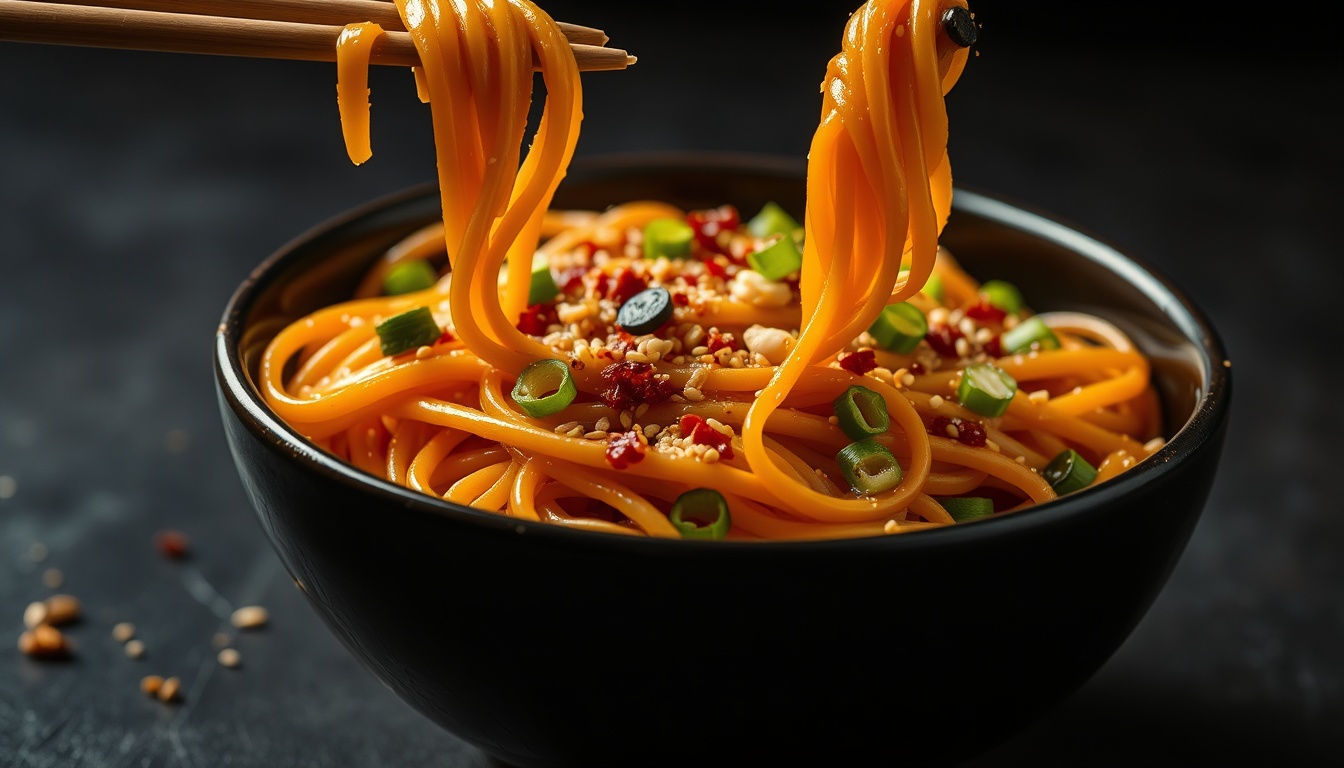
5. Asian-Inspired Sesame Honey Garlic Shrimp Noodles
A fusion twist using honey garlic noodles as inspiration. Replace butter with 2 tablespoons sesame oil plus 2 tablespoons neutral oil. Add 1 tablespoon grated fresh ginger with the garlic. Increase soy sauce to 3 tablespoons. Swap linguine for lo mein noodles or rice noodles. Finish with 1 tablespoon toasted sesame seeds and sliced scallions.
Tips for Perfect Honey Garlic Shrimp
These details make the difference between good shrimp pasta and great shrimp pasta.
- Size matters — buy 21/25 count (large) or 16/20 count (extra-large) shrimp. Smaller shrimp overcook too easily and get lost in the pasta
- Do not move the shrimp once they hit the pan. Let them sear undisturbed for 1.5 minutes to develop a golden crust. Moving them creates steam instead of color
- Pull shrimp when they are just barely pink through the center. They continue cooking from residual heat and finish perfectly when tossed back into the hot sauce
- Mince the garlic by hand — do not use a garlic press. Minced garlic caramelizes evenly; pressed garlic burns in spots and stays raw in others
- Add the honey off the highest heat. If the pan is screaming hot, honey can scorch in seconds. Medium heat gives you control
- Finish with fresh lemon juice at the very end — heat destroys the bright citrus flavor. The lemon should be a finishing touch, not a cooked ingredient
Pasta Shape Guide
The right pasta shape makes a noticeable difference with this honey garlic sauce.
- Linguine — our top pick. Flat strands catch the butter sauce and wrap around shrimp. The classic choice
- Spaghetti — slightly thinner, works beautifully. Twirls around a fork with shrimp perfectly
- Angel hair — best for the scampi variation. Delicate strands absorb the lighter, wine-based sauce
- Penne or rigatoni — best for the spicy or creamy variations. Tube shapes trap sauce inside
- Fettuccine — ideal for the creamy variation. Wide ribbons hold rich sauces without sliding off
- Lo mein or rice noodles — for the Asian-inspired variation. Different texture, authentic feel
Serving Suggestions
Honey garlic shrimp pasta is a complete meal on its own, but these pairings round out a dinner party or special occasion.
- Crusty garlic bread for soaking up extra sauce
- Simple arugula salad with honey balsamic dressing
- Honey roasted vegetables as a side
- Dry white wine (Pinot Grigio, Sauvignon Blanc, or Vermentino)
- Finish with honey lemon bars for dessert
Common Mistakes to Avoid
These are the most common ways this simple recipe goes wrong.
- Overcooking the shrimp — the number one mistake. Shrimp cook in 3 minutes total. They should be pink with a slight translucence at the center when you remove them from the pan
- Crowding the pan — too many shrimp at once drops the temperature and creates steam. Cook in batches if your pan is not large enough for a single layer
- Skipping the pasta water — without starchy pasta water, the sauce breaks into a greasy mess instead of a glossy emulsion. Always reserve at least 1 cup
- Adding honey to a screaming hot pan — honey scorches above 350°F, turning bitter. Always reduce heat to medium before adding the honey mixture
- Using pre-cooked shrimp — they are already overcooked from processing. Raw shrimp develop a seared crust and stay tender inside. The difference is dramatic
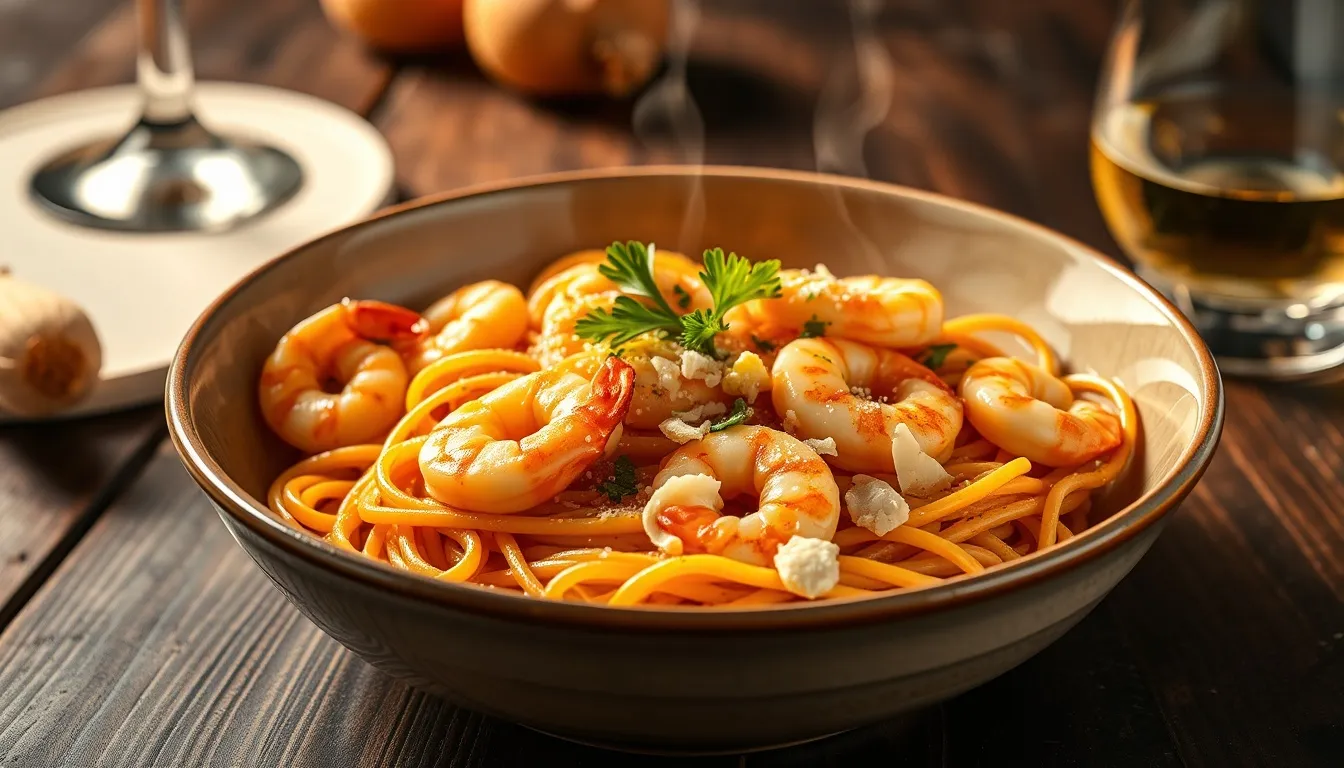
Serving the finished dish
Illustration of the finished dish. Optional garnishes and serving additions may be shown; the recipe card gives the measured base quantities.
Storage and reheating
Refrigerate cooked leftovers promptly in shallow covered containers. The government storage chart gives short refrigerator windows; use leftovers promptly and reheat them to 165°F (74°C), as listed in the temperature chart.
Keep clean serving sauce separate from brushes or utensils that have touched raw meat or seafood. Changes in portion size and thickness also change reheating time.
USDA ingredient-input nutrition estimate
The estimate uses edible raw peeled shrimp after shells and tails are removed, and the dry pasta weight. All four tablespoons of butter and all sauce are included. Cooking water is unsalted; no invented salt uptake, cooked pasta yield or shell-loss percentage is used.
USDA input edible weights divided by yield; no cooking-loss or discarded-food adjustment assumed. USDA provides no usable point estimate for sugars, fiber; these nutrients are unknown and omitted, not treated as zero.
These are calculated ingredient estimates rather than laboratory values or evidence of recipe testing. Added sides and flavor variations need their own ingredients; the precision of the displayed number does not make every serving identical.
- USDA FoodData Central 175179
- USDA FoodData Central 169736
- USDA FoodData Central 173430
- USDA FoodData Central 169230
- USDA FoodData Central 169640
- USDA FoodData Central 174277
- USDA FoodData Central 167747
- USDA FoodData Central 170932
- USDA FoodData Central 170931
- USDA FoodData Central 173647
- USDA FoodData Central 170416
Cooking endpoint reference
The government shellfish guidance calls for shrimp flesh to be pearly or white and opaque. Size and pan heat vary, so inspect the shrimp rather than relying on a universal two-minute timer.