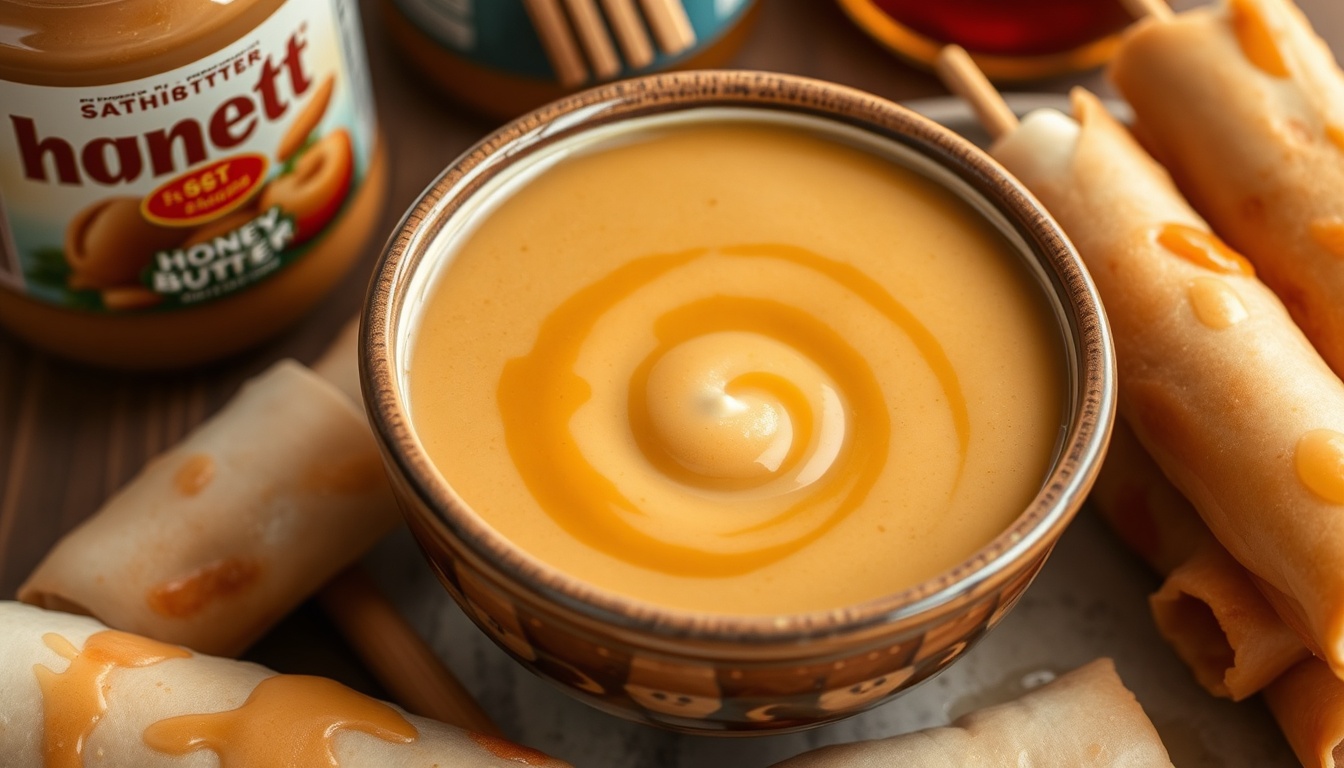
Why Honey Makes the Best Peanut Sauce
Most peanut sauce recipes use white sugar or brown sugar for sweetness. Honey is a better choice for three reasons.
First, honey dissolves instantly into the peanut butter without needing heat. Sugar requires warming the sauce to dissolve granules, which changes the texture and adds an extra step. With honey, you just stir and go.
Second, honey adds flavor complexity that sugar cannot. The 180+ aromatic compounds in raw honey — floral, caramel, and malty notes — complement the roasted flavor of peanut butter in a way that flat sugar sweetness never will. The effect is subtle but unmistakable in a side-by-side tasting.
Third, honey acts as a natural emulsifier. Its fructose and glucose molecules help bind the oil in the peanut butter with the water-based ingredients (soy sauce, lime juice, vinegar), creating a smoother, more stable sauce that does not separate as quickly in the fridge.
6 Ways to Use Honey Peanut Sauce
This sauce is deliberately versatile. Adjust the consistency with water depending on the application.
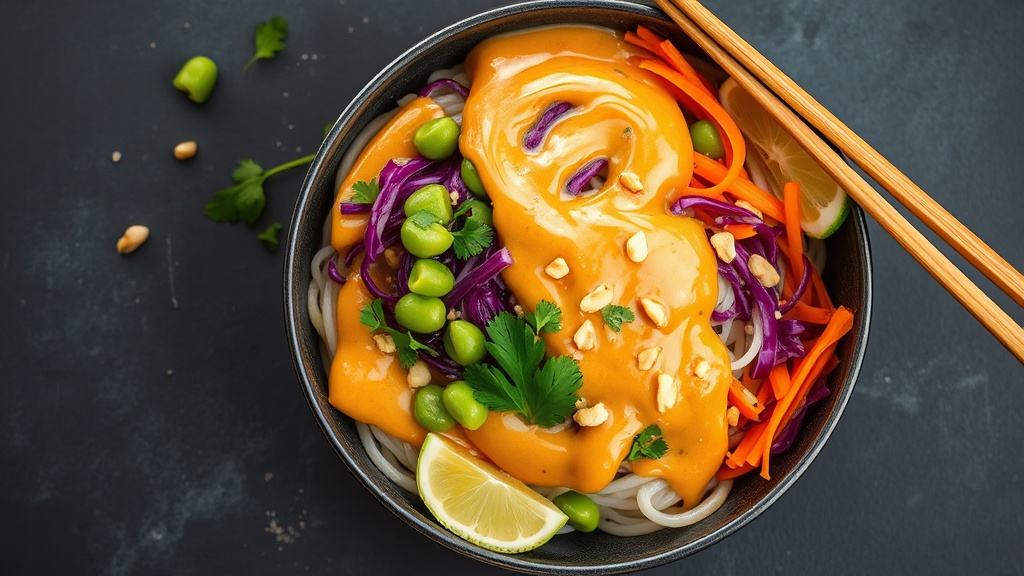
- Noodle sauce — toss with cooked rice noodles, soba, or spaghetti. Add shredded carrots, cucumber, cilantro, and chopped peanuts for a complete cold noodle bowl. Use 3-4 tablespoons of water for a pourable consistency
- Dipping sauce — serve thick (2 tablespoons water) alongside spring rolls, summer rolls, chicken satay, or vegetable crudités. The classic pairing. Garnish with crushed peanuts and a lime wedge
- Salad dressing — thin with 4 tablespoons of water for a pourable consistency. Toss with shredded cabbage, carrots, edamame, and sesame seeds for an Asian-inspired slaw that works as a side dish or meal prep staple
- Stir-fry glaze — add the thick sauce directly to a hot wok or skillet in the last 2 minutes of cooking. It coats vegetables and protein beautifully. Works especially well with broccoli, snap peas, and chicken or tofu
- Grain bowl drizzle — drizzle over rice bowls, quinoa bowls, or Buddha bowls. Pairs well with roasted sweet potato, avocado, pickled vegetables, and a honey sriracha drizzle for extra heat
- Marinade base — thin with 2 extra tablespoons of water and use as a marinade for chicken thighs, pork tenderloin, or tofu. Marinate 2-4 hours, then grill or bake. The honey caramelizes beautifully under high heat
Get the Honey Buyer's Cheat Sheet (free PDF)
16 varieties on one page — color, flavor, best use and what a fair price looks like — from the 304 honeys we track.
4 Flavor Variations
Start with the base recipe and add these ingredients for completely different flavor profiles.
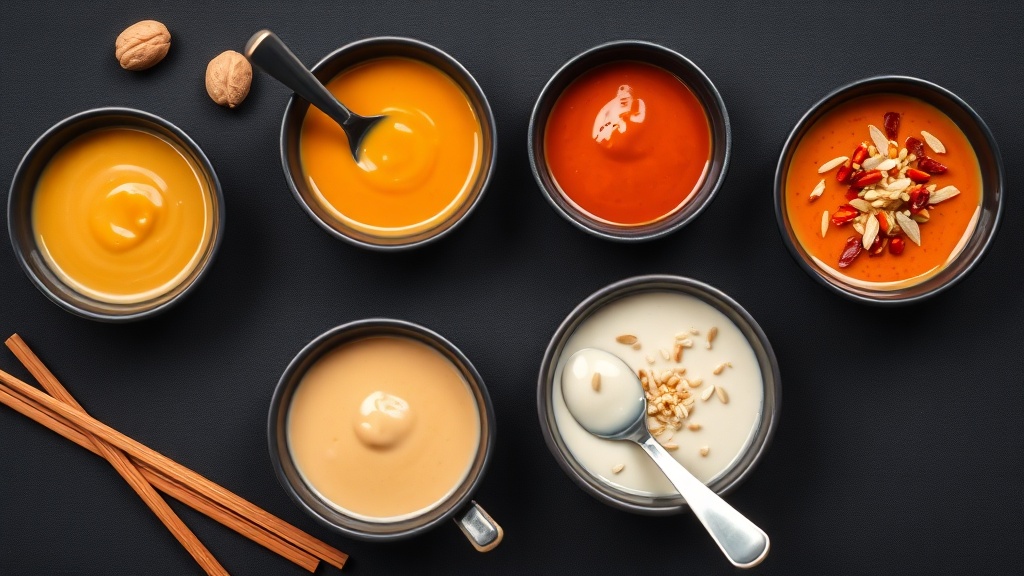
- Spicy Thai — add 1 tablespoon sriracha or sambal oelek and 1 teaspoon fish sauce. Replace the garlic with 1 tablespoon Thai red curry paste. This is the version you want for chicken satay and spring roll dipping
- Coconut peanut — replace the warm water with full-fat coconut milk for a richer, creamier sauce. Add 1/4 teaspoon ground turmeric for color. Excellent on rice noodles and as a curry-style sauce over vegetables
- Ginger sesame — add 1 tablespoon freshly grated ginger and double the sesame oil to 2 teaspoons. Garnish with toasted sesame seeds. This version pairs best with cold soba noodles and Asian-style salads
- Honey garlic peanut — add 2 extra cloves of minced garlic and 1 tablespoon of extra honey. The double garlic and extra sweetness create an addictive glaze for stir-fried noodles and roasted vegetables
Pro Tip
All variations follow the same storage rules — up to 2 weeks refrigerated in an airtight container. The coconut version may solidify more when cold; microwave for 15 seconds and stir to restore.
Best Honey Varieties for Peanut Sauce
The honey variety matters because 3 tablespoons is enough to influence the final flavor.
- Wildflower honey — the best all-purpose choice. Complex, rounded sweetness that blends with peanut butter without competing. Balanced and crowd-pleasing
- Clover honey — mild and clean, letting the peanut butter and soy sauce flavors dominate. The safest choice for a classic, neutral-tasting sauce
- Orange blossom honey — adds a subtle citrus-floral note that pairs beautifully with the lime juice. Excellent in the salad dressing and cold noodle applications
- Avoid strong honeys like buckwheat or manuka — their intense, malty or pungent flavors overpower the delicate balance of peanut butter, soy, and lime
Peanut Butter Selection Tips
The peanut butter is the foundation, so choosing the right one matters more than any other ingredient.
Use natural creamy peanut butter — the kind where the ingredients list says only peanuts and maybe salt. Commercial peanut butters with added sugar, palm oil, and stabilizers produce a sauce that is too sweet (especially with honey added) and has a gummy, artificial texture.
Stir the peanut butter thoroughly before measuring if it has separated. Using just the oil layer makes a thin, greasy sauce. Using just the solid layer makes a paste that will not blend smoothly. You need both combined.
Almond butter or cashew butter can substitute for peanut butter at a 1:1 ratio. Almond butter produces a slightly thinner, more earthy sauce. Cashew butter makes a richer, creamier version. Both work well but taste distinctly different from the classic peanut version.
Pro Tip
For the smoothest sauce, let the peanut butter come to room temperature before mixing. Cold peanut butter straight from the fridge is stiff and resists blending with the liquid ingredients.
Storage and Make-Ahead Tips
This sauce is ideal for meal prep because it improves with time and keeps well.
- Refrigerator — up to 2 weeks in a sealed glass jar. The flavors meld and deepen over the first 24 hours, making day-two sauce actually better than fresh
- Freezer — up to 3 months in ice cube trays. Pop out frozen cubes and thaw individual portions as needed. Each cube is roughly 2 tablespoons — perfect for a single bowl of noodles
- Reviving cold sauce — the sauce thickens considerably when chilled. Add warm water 1 tablespoon at a time and stir until you reach the desired consistency. Alternatively, microwave for 15-20 seconds and stir
- Batch scaling — double or triple the recipe without any ratio changes. The sauce scales perfectly because it requires no cooking or emulsion chemistry adjustments