The Short Answer: Most Vegans Don't Consider Honey Vegan
By the most widely accepted definition of veganism — avoiding all animal products and exploitation — honey is not vegan. The Vegan Society, which coined the term "vegan" in 1944, explicitly excludes honey from a vegan diet. PETA, the American Vegan Society, and most plant-based advocacy organizations agree.
However, this is one of the most debated topics in the vegan community. Some people who follow a plant-based diet do eat honey, and the ethical arguments are more nuanced than a simple yes or no. This guide breaks down both sides so you can make an informed decision.
Why Vegans Avoid Honey: The Core Arguments
The case against honey in a vegan diet rests on several ethical concerns about how honey is produced and how bees are handled in commercial beekeeping operations.
- Honey is made by bees, for bees — understanding how bees make honey reveals that a single worker bee produces only about 1/12 of a teaspoon in her entire lifetime. Harvesting it takes the product of their labor.
- Commercial beekeepers often replace harvested honey with cheap sugar syrup, which lacks the micronutrients and enzymes bees need to get through winter.
- Queen bees in commercial operations frequently have their wings clipped to prevent swarming, a practice that restricts natural colony behavior.
- Artificial insemination of queen bees is standard in commercial breeding programs, requiring the killing of male drones to collect semen.
- Colonies may be culled (killed) at the end of the season if maintaining them through winter is deemed unprofitable.
- The mass transportation of honeybee colonies for crop pollination (like California almond season) causes stress, disease spread, and colony losses.
Get the Honey Buyer's Cheat Sheet (free PDF)
16 varieties on one page — color, flavor, best use and what a fair price looks like — from the 268 honeys we track.
The Case for Honey: Counterarguments
Not everyone agrees that honey production is inherently exploitative. Here are the most common arguments from those who consider honey ethically acceptable, even within a plant-based framework.
- Responsible beekeepers argue they take only surplus honey and leave more than enough for the colony — a strong hive can produce 60+ pounds of surplus honey beyond what bees need. Single-source varieties like sourwood honey ($20–35) and tupelo honey ($25–45) typically come from smaller operations with conservative harvest practices.
- Backyard and small-scale beekeepers often prioritize bee welfare over production, managing their hives more like guardianship than farming. Many produce wildflower honey ($10–18) from diverse local nectar sources, which supports pollinator habitat diversity.
- Bee cognition is debated — insects have approximately 1 million neurons compared to 86 billion in humans, and whether they experience suffering in a morally relevant sense is an open scientific question.
- Beekeeping supports pollinator populations by maintaining managed colonies, which some argue benefits the broader ecosystem — though wild bee advocates dispute this.
- Honey production has a lower environmental footprint than many plant-based sweeteners, which require significant land, water, and processing.
Pro Tip
The "bees are insects, not animals" argument doesn't hold up — insects are part of the animal kingdom (Animalia). The relevant question is about sentience and capacity for suffering, not taxonomic classification.
Commercial vs. Small-Scale Beekeeping: Key Differences
Much of the vegan critique of honey targets industrial beekeeping practices. Small-scale and backyard beekeeping operates quite differently, and understanding these differences matters for the ethical calculus.
- Commercial operations manage thousands of hives, prioritize yield, routinely clip queens, and may cull unprofitable colonies — practices that maximize production at the expense of individual colony welfare.
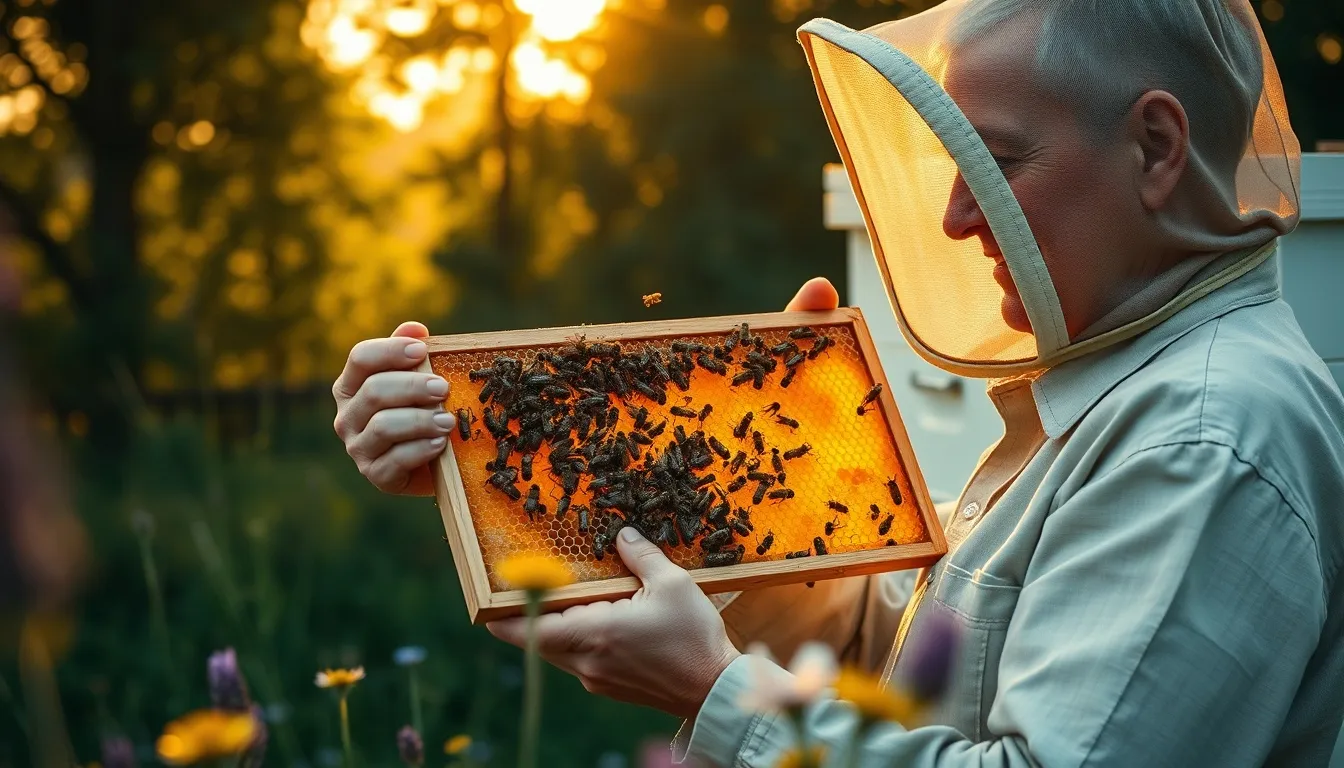
- Small-scale beekeepers (under 50 hives) typically harvest conservatively, overwinter all colonies, avoid queen clipping, and make colony strength the primary goal rather than maximizing honey output. These operations produce regional varieties like buckwheat honey ($15–25), orange blossom honey ($12–20), and clover honey ($8–15) with full traceability to the beekeeper.
- Chemical-free beekeepers go further, avoiding synthetic miticides and antibiotics, letting colonies develop natural resistance to varroa mites — though this approach has higher colony loss rates.
- Bee-centric or "natural beekeeping" uses hive designs (like top-bar hives) that let bees build natural comb and manage their own colony dynamics with minimal human intervention.
The Environmental Angle: Honeybees vs. Wild Pollinators
A newer dimension of this debate involves the ecological impact of managed honeybee colonies on wild pollinator populations. This argument cuts against both sides.
Research published in journals like Conservation Letters and PLOS ONE has shown that high densities of managed honeybee colonies can outcompete native wild bees for floral resources. In regions where commercial beekeeping is intensive, wild bee diversity has declined. This means supporting the honeybee industry may inadvertently harm the broader pollinator ecosystem.
On the other hand, beekeepers are often the most passionate advocates for pollinator-friendly landscapes, pesticide reduction, and habitat conservation. National Pollinator Week (June 22-28) highlights this complexity — celebrating all pollinators, managed and wild, while acknowledging the need for balanced approaches to both. The relationship between managed and wild bees is complex and varies significantly by region.
Plant-Based Honey Alternatives
If you choose to avoid honey, several alternatives can replace it in cooking, baking, and beverages. Each has a different flavor profile, sweetness level, and nutritional composition.
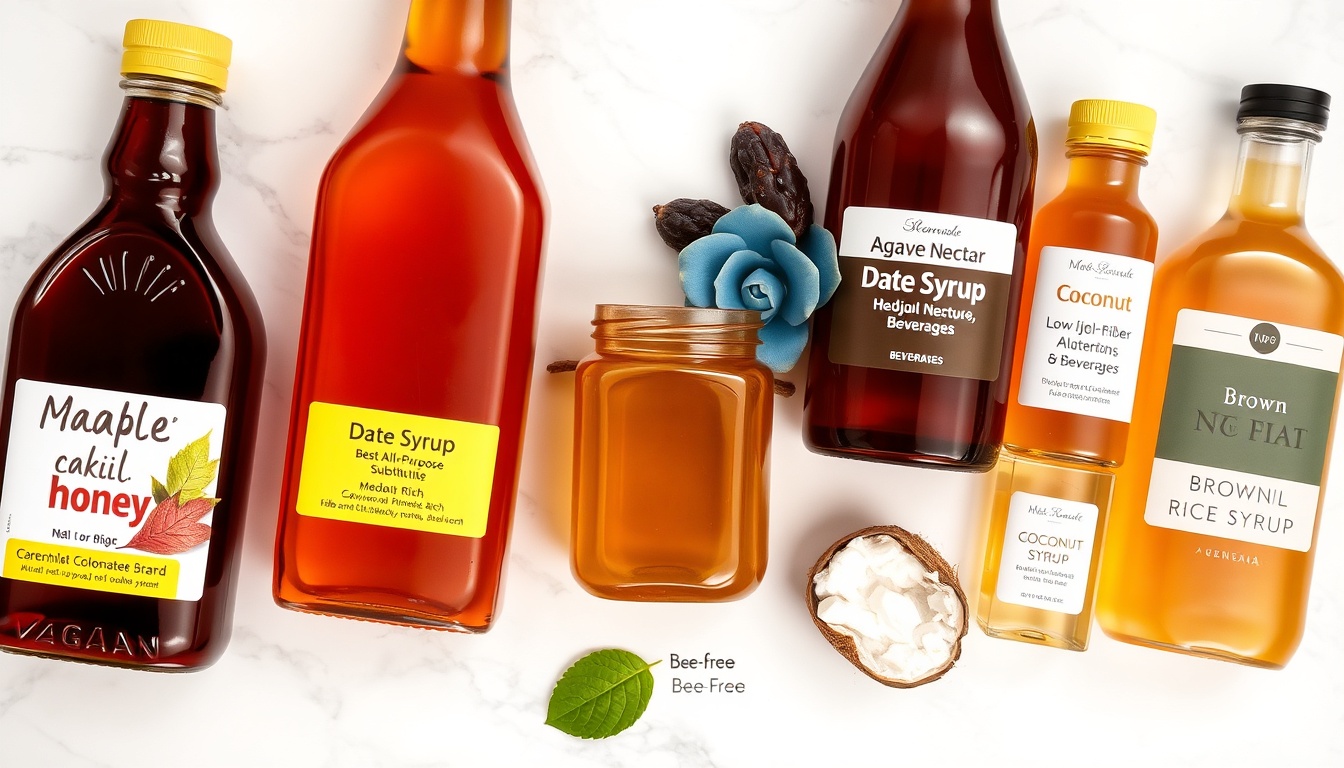
- Maple syrup — Rich, complex flavor with minerals (manganese, zinc). Works in baking, dressings, and beverages. Choose Grade A Dark for the most honey-like flavor.
- Agave nectar — Mild, neutral sweetness. Higher fructose content than honey. Good for drinks and light applications. Less viscous than honey.
- Date syrup — Deep, caramel-like sweetness with fiber and potassium. Excellent in baking and as a drizzle. Thicker than honey.
- Brown rice syrup — Mild, malty sweetness. Works well in granola bars, sauces, and baking where you want less sweetness.
- Coconut nectar — Caramel-like flavor. Works as a 1:1 honey substitute in most recipes.
- Bee-free "honey" products — Brands like MeliBio and Bee Free Honee make plant-based honey alternatives designed to mimic honey's flavor and viscosity using ingredients like apple juice, lemon, and sugar.
Pro Tip
For baking, maple syrup and date syrup are the closest functional substitutes for honey. Use a 1:1 ratio and reduce oven temperature by 25°F to prevent over-browning.
What About "Ethical Honey" or "Bee-Friendly Honey"?
Some honey brands market themselves as "ethical" or "bee-friendly," and the question is whether these labels meaningfully address vegan concerns.
Currently, there is no regulated certification for "ethical honey" in the US. Terms like "bee-friendly" and "sustainably harvested" are not legally defined and can be used by any producer. However, some third-party certifications provide meaningful standards.
- Certified Naturally Grown — Requires no synthetic chemicals in hive management and emphasizes colony strength.
- Demeter Biodynamic — Strict standards including natural comb, no queen clipping, no wing clipping, and leaving adequate honey stores for winter.
- True Source Certified — Verifies geographic origin and supply chain transparency, but doesn't address animal welfare specifically.
- Local beekeeper relationships — Buying directly from a beekeeper whose practices you can observe and verify offers the most transparency.
Where Different Groups Stand
The honey debate reflects broader disagreements within the plant-based community about where to draw ethical lines.
- Strict vegans (abolitionist approach) — Honey is an animal product, full stop. No ethical version of taking what bees produce. This is the position of The Vegan Society and most vegan organizations.
- Plant-based dieters — May eat honey for its flavor and minimal processing, especially raw honey. The motivation is usually personal preference rather than animal ethics.
- Environmental vegans — Position varies. Some avoid honey due to managed-bee competition with wild pollinators. Others support local beekeeping as beneficial for pollinator awareness.
- Beegan (bee + vegan) — A growing subset who follow a vegan diet but make an exception for honey, typically sourced from small-scale, ethical beekeepers who meet organic honey standards. Beegans often favor traceable single-source varieties like sourwood, sage ($15–25), or heather honey ($30–50) where the beekeeper-to-consumer chain is transparent. The term has gained traction since the early 2020s.
- Reducetarians / flexitarians — Generally include honey and focus on reducing overall animal product consumption rather than eliminating specific items.
Making Your Own Decision
Whether honey fits your ethical framework depends on where you draw lines around animal use, how much weight you give to insect sentience, and whether you distinguish between commercial and small-scale practices.
If you decide to avoid honey, the plant-based alternatives listed above are excellent substitutes for nearly every culinary application. If you decide to include honey, sourcing from local, small-scale beekeepers who prioritize colony welfare is the most ethically defensible approach — look for regional varieties like wildflower, clover, or buckwheat honey from beekeepers whose practices you can verify directly.
Whatever your position, the most productive use of ethical energy is focusing on the choices with the largest impact — reducing consumption of factory-farmed animal products makes a far greater difference than whether you put honey in your tea.