Five Warm Honey Drinks
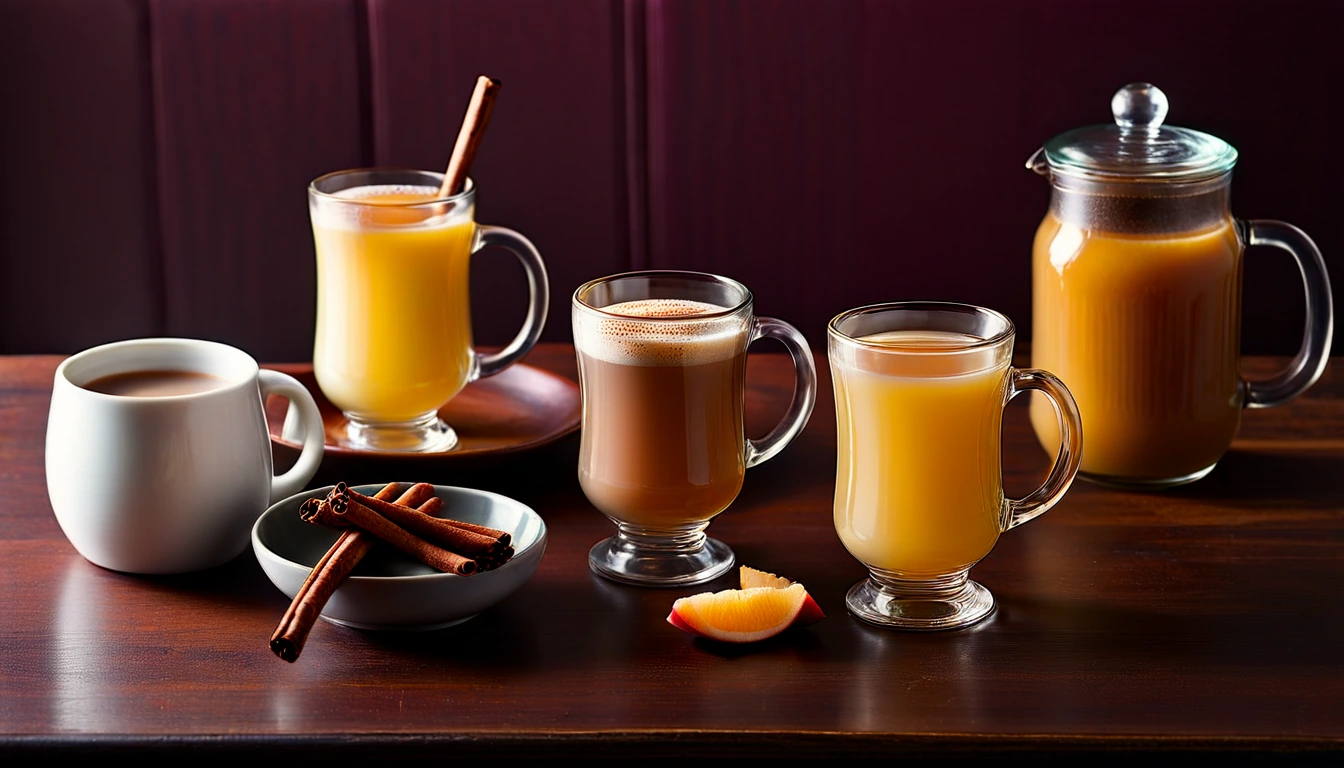
This guide keeps five warm drinks together: spiced cider, masala chai, hot cocoa, a hot toddy and a milk steamer. The measured recipe card uses the simple honey vanilla steamer; the other methods and the honey-per-mug calculator remain below.
Use clover honey for a mild milk drink or wildflower honey for a stronger floral note. For a jar to give alongside a mug, see holiday honey gifts.
Recipe
Honey Vanilla Milk Steamer
A mug of steamed whole milk sweetened with clover honey and vanilla.
3Ingredients
Yield: 1 serving
- 1 cup whole milk
- 1 tablespoon clover honey
- 1 teaspoon vanilla extract
Ingredient amounts scale; instructions show the original batch. Cooking times and pan sizes may need adjustment. Season to taste. Honey grams use US measures at 20°C and 17.5% moisture, a density estimate; weigh your honey for precision.
Instructions
- 1Warm the milkHeat the milk in a small saucepan over medium-low heat until steaming. Do not let it boil over.
- 2Sweeten off the heatTake off the heat and stir in the measured honey and vanilla.
- 3Froth and serveWhisk or froth if desired and pour into a mug. The measured card covers this steamer, not the cider, chai, cocoa or toddy variations.
Estimated nutrition per serving
224.78 calories · 7.93 g fat · 29.55 g carbohydrate · 7.75 g protein · 106.14 mg sodium
Serving: 1 milk steamer; other drinks estimated separately
Calculated from ingredient weights and USDA FoodData Central: 171265, 169640, 173471. Estimates use ingredient input weights; actual portions, brands and cooking losses vary. Omitted nutrient values are unavailable, not zero.
Measured Base and Preparation Notes
Use the measured card for the stated base estimate. Other methods and additions below are separate variations.
- The card is one measured steamer. Keep the other drink methods and their honey ratios separate when scaling.
- Add honey off the heat and stir until dissolved.
- Milk alternatives, alcohol and extra sweeteners change the base composition.
Get the Honey Buyer's Cheat Sheet (free PDF)
16 varieties on one page — color, flavor, best use and what a fair price looks like — from the 304 honeys we track.
Honey per mug, before you start
The calculator scales the stated honey amounts against each starting milk or cider quantity. The measured card above covers the vanilla steamer; the other complete drink methods follow.
Honey per mug
Pick the drink, your mug and how sweet you like it. Amounts scale from the recipes on this page and round to the nearest ¼ teaspoon.
Per 12 fl oz mug
1 tbsp + ½ tsp
about 25 g of honey
For 1 mug
1 tbsp + ½ tsp
about 25 g of honey
Base: 3 tbsp honey in 4 cups (32 fl oz) cider. Stir honey in off the heat, after the drink stops boiling, so it keeps its flavour.
Grams at 7 g per teaspoon (USDA FoodData Central 169640: 21 g per tablespoon).
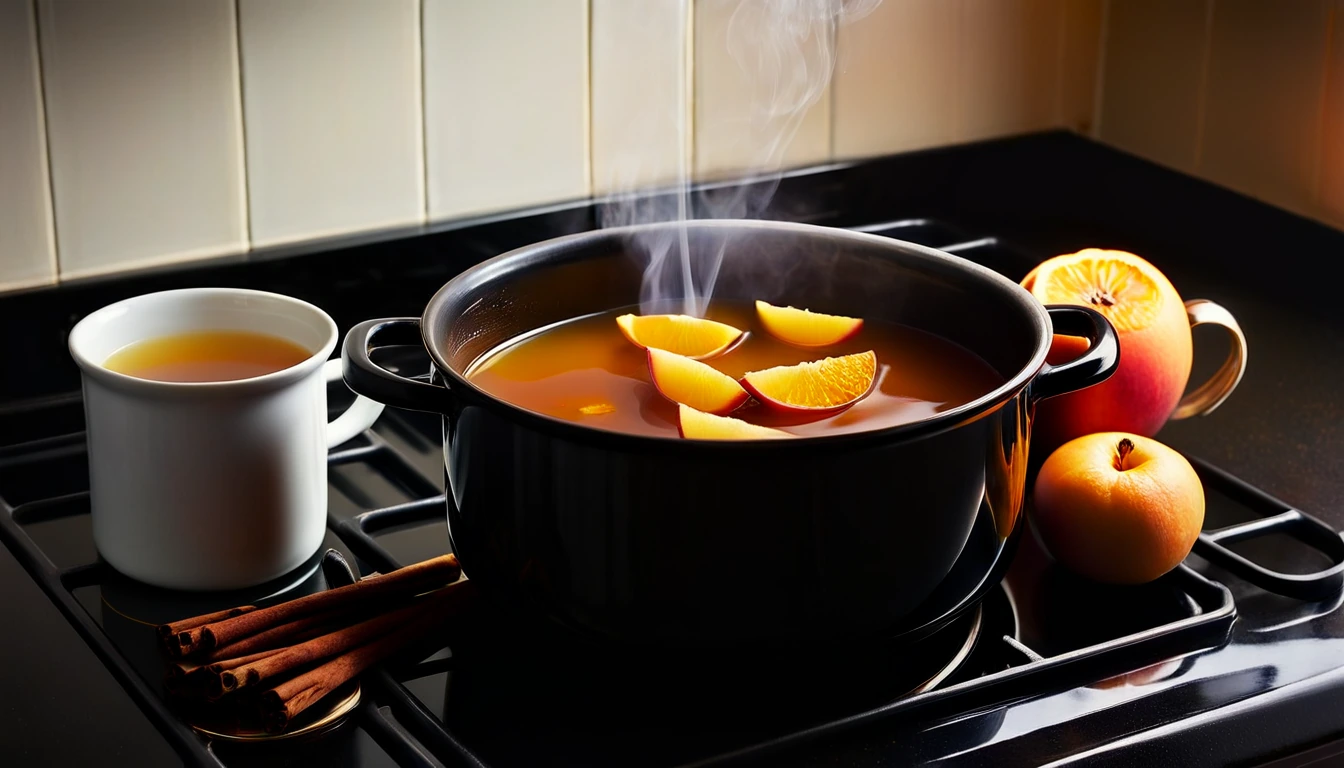
Spiced honey apple cider
4 cups of apple cider, 2 cinnamon sticks, 4 cloves, 2 star anise and some orange, kept just below a simmer for 15 minutes, then 3 tablespoons of honey stirred in off the heat. That is 2¼ teaspoons of honey per 8 fl oz mug. Champlain Valley Honey's spiced cider uses the same 3 tablespoons for 4 cups; the National Honey Board's single-mug Honey Pot Cider uses 1 tablespoon for 1¼ cups.
Cider is already sweet, so this is the lightest-sweetened drink here after chai. Wildflower honey or fall goldenrod suit it. For a grown-up mug, the National Honey Board adds 1¾ oz of applejack brandy per serving. The measured card here covers the separate milk steamer.
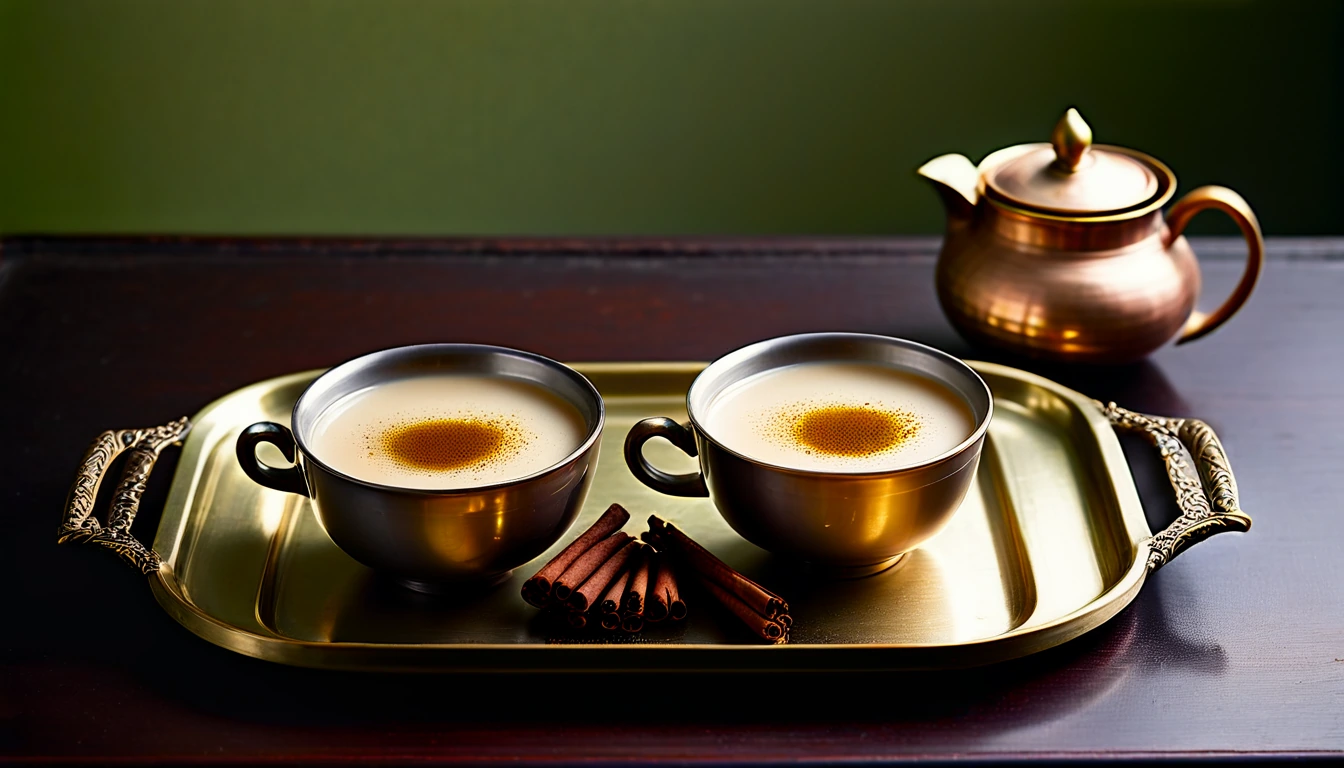
Masala chai with honey
For 2 cups: simmer 1 cup of water with 4 crushed green cardamom pods, a small cinnamon stick, 4 thin slices of fresh ginger and 2 cloves for 5 minutes. Add 2 teaspoons of loose black tea (Assam is traditional) for 2 minutes, pour in 1 cup of milk and bring it back to steaming. Strain, and stir in 3 teaspoons of honey off the heat.
That is 1½ teaspoons per 8 fl oz, the least honey of the five. Feasting at Home's masala chai uses 2 to 3 teaspoons for the same cup of water and cup of milk. Use a mild honey here so the spices lead; clover or acacia both work.
Honey hot cocoa
For one mug: whisk 2 tablespoons of unsweetened cocoa and a pinch of salt with a splash of milk into a paste, whisk in the rest of 1 cup of milk and heat until steaming, not boiling. Off the heat, whisk in 1½ tablespoons of honey and ¼ teaspoon of vanilla.
Cocoa takes the most honey because unsweetened cocoa is bitter: 4½ teaspoons per mug. Published honey cocoas sit either side. Saveur's Honeyed Hot Cocoa uses 2 tablespoons per cup of milk; the National Honey Board's peanut butter hot chocolate uses 1 tablespoon per cup. Buckwheat or chestnut honey gives a darker, maltier mug.
Hot toddy
For one glass: stir 1 tablespoon of honey into a splash of just-boiled water until it dissolves, then add 1½ oz of whiskey, ½ oz of lemon juice and hot water to make about 8 fl oz. Garnish with a lemon wheel or a cinnamon stick. America's Test Kitchen's version uses brandy instead of whiskey, with the same tablespoon of honey and 5 oz of water, so theirs is a little stronger and sweeter per ounce.
This one is for adults. A medium honey, wildflower or orange blossom, works with bourbon or Scotch; heather honey pairs with Scotch.
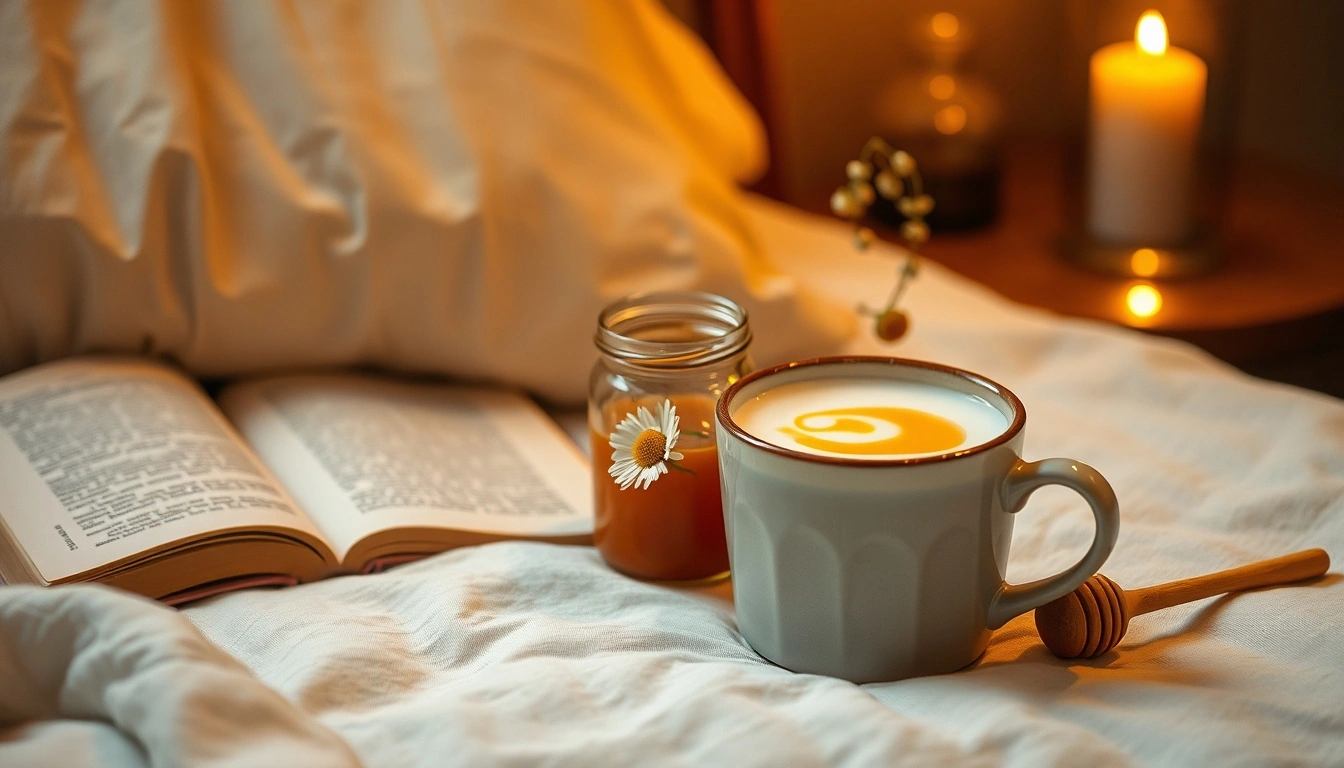
Honey vanilla steamer (warm milk and honey)
Heat 1 cup of milk until it steams, take it off the heat and whisk in 1 tablespoon of honey and 1 teaspoon of vanilla. Whisk hard or use a frother for a foamy top. That is New England Dairy's vanilla steamer, 3 teaspoons of honey per cup. Oat milk and other plant milks work the same way.
How sweet should a warm drink be?
The chart below puts the five drinks on one scale: teaspoons of honey per 8 fl oz. The bars are the recipes on this page; the dots are the published recipes they were checked against, converted to the same basis. Chai sits lowest at 1½ teaspoons, cider at 2¼, the toddy and the steamer at 3, cocoa highest at 4½.
Every published recipe we checked is within 1½ teaspoons of ours per 8 fl oz. The widest spread is cocoa: 3 teaspoons in the National Honey Board version, 6 in Saveur's. If you like a drink less sweet, use the calculator's "less sweet" setting: it takes a third off.
this page published recipe
Published recipes behind the dots
- Champlain Valley Honey, Spiced Honey Cider: 3 tablespoons honey, 4 cups cider = 2.25 tsp per 8 fl oz
- National Honey Board, Honey Pot Cider: 1 T honey, 1 1/4 cup cider = 2.40 tsp per 8 fl oz
- Feasting at Home, Masala Chai (low end): 2 teaspoons honey, 1 cup water + 1 cup milk = 1.00 tsp per 8 fl oz
- Feasting at Home, Masala Chai (high end): 3 teaspoons honey, 1 cup water + 1 cup milk = 1.50 tsp per 8 fl oz
- National Honey Board, Peanut Butter Hot Chocolate: 4 T honey, 4 cups milk = 3.00 tsp per 8 fl oz
- Saveur, Honeyed Hot Cocoa: 2 tbsp honey, 1 cup milk = 6.00 tsp per 8 fl oz
- America's Test Kitchen, Hot Toddy: 1 tablespoon honey, 5 oz water + 1½ oz brandy + ½ oz lemon juice = 3.43 tsp per 8 fl oz
- New England Dairy, Vanilla Steamer: 1 tablespoon honey, 1 cup milk = 3.00 tsp per 8 fl oz
Which honey for which drink
Match the honey to how strong the drink is.
- Chai and the steamer: mild and pale. Clover, acacia or orange blossom.
- Spiced cider: medium. Wildflower or goldenrod.
- Hot cocoa: dark. Buckwheat or chestnut.
- Hot toddy: medium to strong. Wildflower with bourbon, heather with Scotch.
- For tea in general, see the best honey for tea guide; for the summer versions of these, summer honey drinks.
Honey Pairing Guide
Compare clover honey, wildflower honey and the best honey for tea guide. The flavor-intensity scale is editorial, not a laboratory measurement.
1 = mild, 5 = bold. Editorial pairing guidance, not laboratory measurements; jars vary.
- Clover
- Mild base sweetness
- Wildflower
- Floral finish
- Orange blossom
- Citrus-floral variation
Matching a honey to another dish: the honey flavor map
Steamer Estimate and Other Drinks
The card estimates the listed milk, honey and vanilla only. It does not invent composition for strained spices in cider or chai, and it does not apply to an alcoholic toddy.
The honey-per-mug figure uses the stated starting milk or cider quantity. Honey, vanilla, ice and other additions can increase the finished volume; use a mug with room for them.
Nutrition Estimate
USDA input edible weights divided by yield; no cooking-loss or discarded-food adjustment assumed.
The estimate uses the recorded USDA ingredient references and divides the input into the stated servings. It is not a laboratory analysis or a measured cooking-yield result. Unknown nutrients are omitted rather than replaced with zero.