Why Honey Makes Better Baked Apples
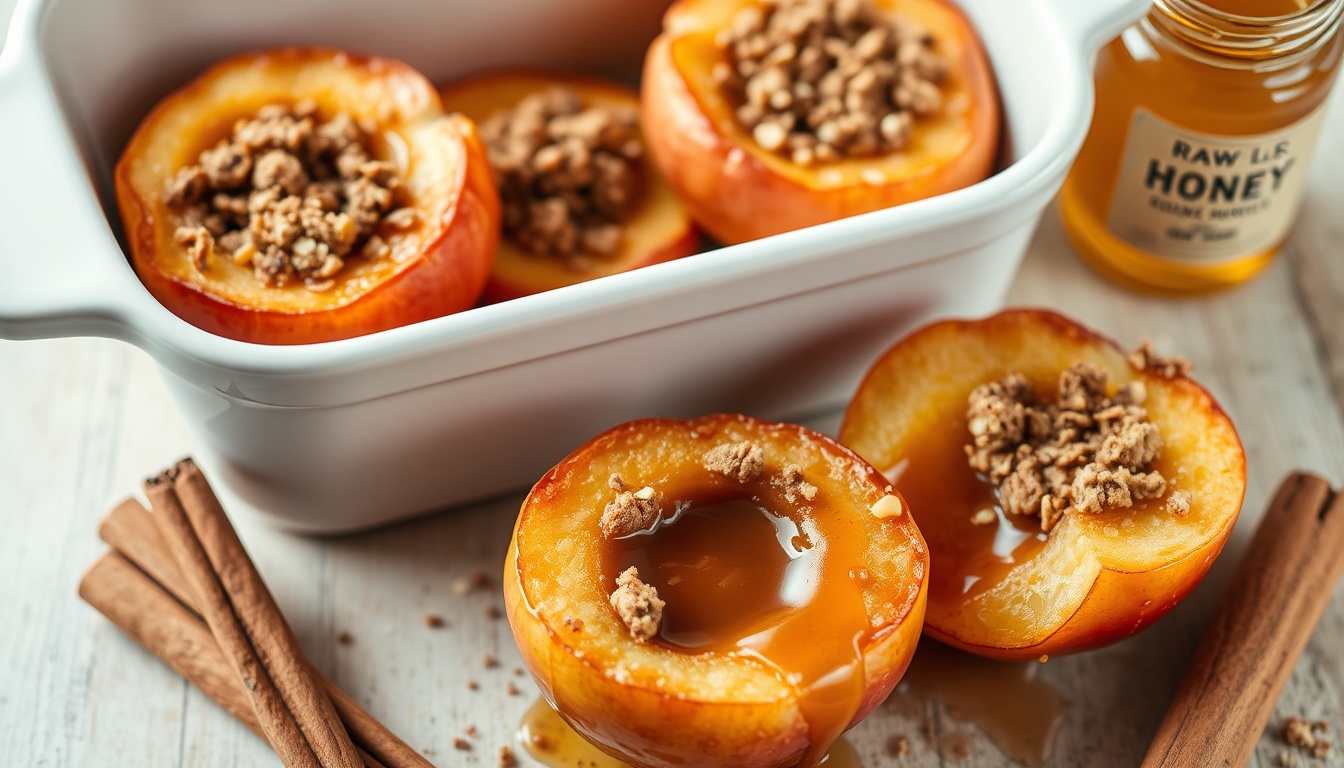
Most baked apple recipes call for brown sugar, but honey produces a noticeably better result for two reasons.
First, honey caramelizes differently than sugar. The fructose in honey begins caramelizing at a lower temperature (230°F vs 320°F for sucrose), producing deeper, more complex caramel flavors during the 40-minute bake. The result is a richer, more layered sweetness than brown sugar can deliver.
Second, honey is hygroscopic — it attracts and holds moisture. This keeps the apple flesh tender and prevents the filling from drying out during baking. Brown sugar can crystallize as it cools, creating a gritty texture. Honey stays smooth and syrupy from oven to table.
The floral complexity of raw honey also adds aromatic depth that refined sugar simply cannot. When heated, honey releases volatile compounds — over 180 identified aromatic molecules — that blend with the apple and cinnamon into something greater than the sum of its parts.
Choosing the Right Apple
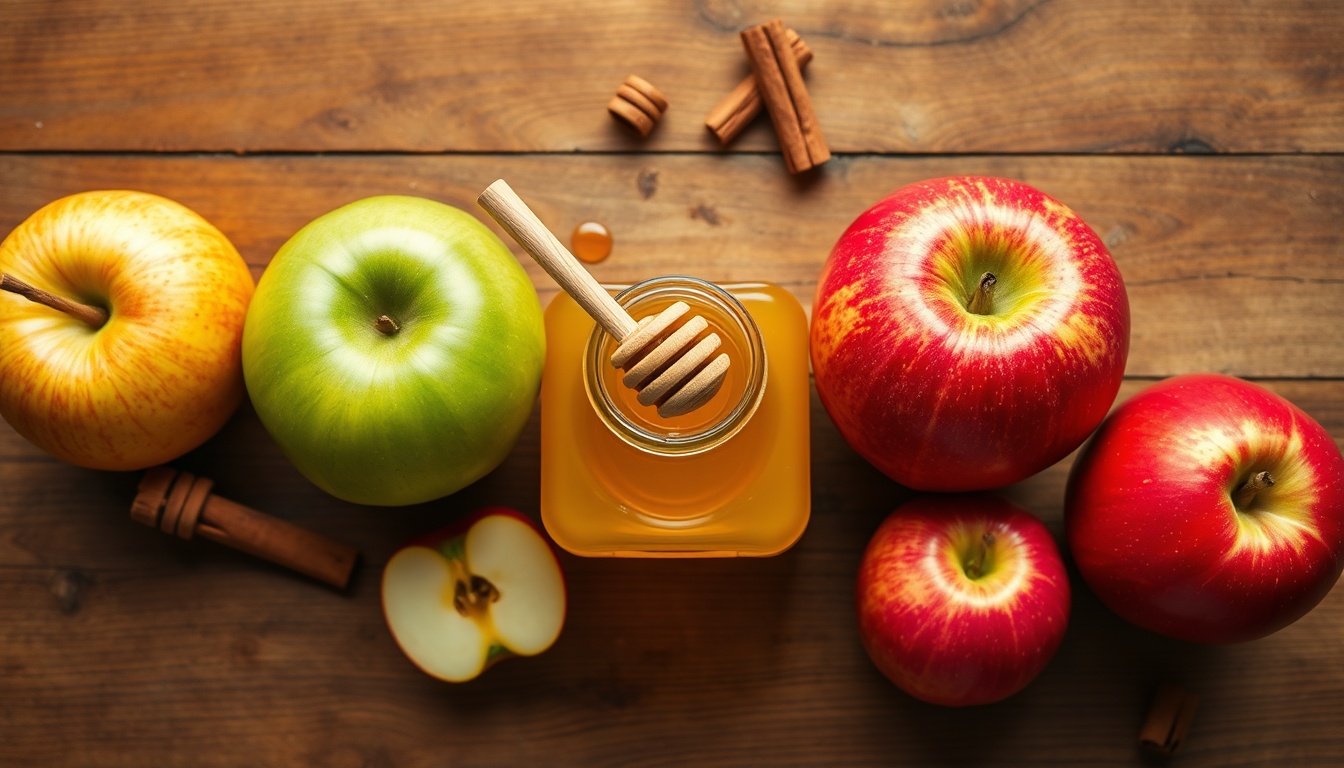
The apple variety matters more than any other ingredient in this recipe. Not all apples bake well.
- Honeycrisp — the best all-around choice. Sweet-tart balance, firm texture that softens to tender without collapsing, and large enough to hold a generous filling. The naturally high sugar content caramelizes beautifully with the honey
- Granny Smith — classic baking apple. Tart, firm, and holds its shape well. The sharp acidity cuts through the honey sweetness, creating a balanced dessert. Best if you prefer a less sweet result
- Braeburn — sweet and aromatic with hints of nutmeg and cinnamon already built into the apple flavor. Holds up well to baking. A good middle ground between Honeycrisp and Granny Smith
- Pink Lady (Cripps Pink) — dense flesh that bakes slowly and evenly. Sweet-tart with a slightly floral flavor that echoes the honey. Excellent choice but sometimes harder to find in large sizes
- Avoid: Red Delicious (mealy when baked), McIntosh (collapses completely), Gala (too soft and sweet, turns to mush). Fuji apples work in a pinch but are overly sweet alongside honey
Pro Tip
Choose apples that are roughly the same size so they bake at the same rate. Slightly flat-bottomed apples sit more securely in the baking dish.
Get the Honey Buyer's Cheat Sheet (free PDF)
16 varieties on one page — color, flavor, best use and what a fair price looks like — from the 304 honeys we track.
5 Topping Variations
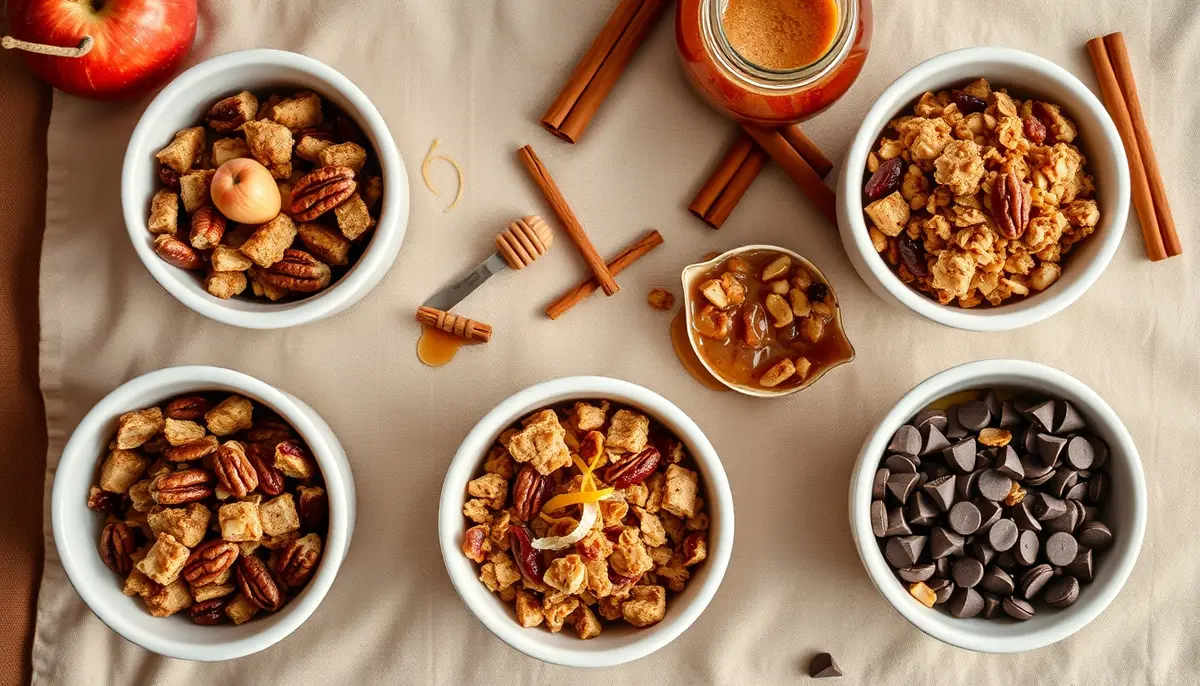
The base recipe is a starting point. Each variation changes the character of the dessert while keeping the honey-cinnamon-apple foundation.
- Pecan pie style — Replace oats with 1/3 cup chopped pecans. Add 1 tablespoon bourbon to the filling and use buckwheat honey for its molasses-like depth. Top with whipped cream and a pecan half
- Cranberry walnut — Add 2 tablespoons dried cranberries and swap walnuts for the pecans. Use orange blossom honey for a citrus-floral pairing that complements the cranberry tartness. A natural Thanksgiving dessert
- Granola crumble — Use your favorite honey granola as the filling instead of the oat-nut mixture. The pre-toasted clusters add extra crunch. Drizzle with honey after baking
- Maple-cardamom — Replace cinnamon with 1/2 teaspoon ground cardamom and add 1 tablespoon real maple syrup to the filling. Use a mild clover honey that will not compete with the cardamom. A Scandinavian-inspired take
- Chocolate drizzle — Bake apples with the base recipe. After baking, drizzle 2 tablespoons melted dark chocolate over the warm apples. The bitter chocolate, sweet honey, and tart apple create a balanced trio. Sprinkle with flaky sea salt
Best Honey Varieties for Baked Apples
The honey variety changes the dessert character. Here are the best pairings for baked apples.
- Wildflower honey — complex, well-rounded sweetness that mirrors the multidimensional flavor of a good apple. The safest all-purpose choice for baked apples. Works with every apple variety and every topping variation
- Buckwheat honey — dark, bold, and molasses-like. Creates a deeply caramelized, almost gingerbread-like result. Pair with tart Granny Smith apples to balance the intensity. Best for the pecan pie variation
- Clover honey — mild and clean, letting the apple and cinnamon be the stars. Good for people who want honey sweetness without strong honey flavor. The most affordable option for everyday baking
- Manuka honey — herbal, slightly earthy flavor that adds complexity. Works well with Braeburn and Pink Lady apples. Adds a distinctive note that sets these baked apples apart
- Avoid acacia honey — its ultra-mild, nearly neutral flavor gets lost entirely during baking. You pay a premium for delicate floral notes that 40 minutes in the oven will erase
Make-Ahead and Storage
Baked apples are flexible enough for both weeknight desserts and planned entertaining.
- Advance prep: Core and fill the apples up to 8 hours ahead. Cover tightly with plastic wrap and refrigerate. Add 5 minutes to the baking time since the apples will be cold. The filling actually benefits from sitting — the oats absorb the honey and butter, creating a more cohesive texture
- Leftovers: Refrigerate baked apples in an airtight container for up to 3 days. Reheat in a 325°F oven for 12-15 minutes or microwave for 90 seconds. The microwave is faster but the oven restores some crispness to the topping
- Freezing: Baked apples freeze well for up to 2 months. Freeze individually on a sheet pan, then transfer to freezer bags. Thaw overnight in the refrigerator and reheat in the oven. The texture will be slightly softer than fresh but still good
- Pan juices: Save the pan juices separately — they make an excellent sauce spooned over pancakes, oatmeal, or yogurt. The honey-cinnamon-apple syrup keeps for a week in the fridge
Common Mistakes to Avoid
Baked apples are simple, but these errors turn an easy dessert into a disappointing one.
- Choosing the wrong apple — this is the most common mistake. Soft apple varieties (McIntosh, Gala, Red Delicious) disintegrate during the 40-minute bake. Stick with firm baking apples like Honeycrisp, Granny Smith, or Braeburn
- Forgetting to score the skin — the skin contracts faster than the flesh during baking. Without a shallow equator cut, apples split open unevenly and look messy. A single horizontal score around the middle prevents this entirely
- Skipping the pan liquid — baked apples without liquid in the bottom of the dish end up with a hard, caramelized base and dry filling. The water or cider creates steam that keeps everything moist and produces the syrupy pan sauce that makes the dish
- Overbaking — the line between perfectly tender and collapsed mush is about 5 minutes. Start checking at 35 minutes. A knife should slide in with slight resistance. If the apple offers no resistance, it is already overcooked
- Adding honey to the filling too late — cold honey is thick and does not mix evenly with butter and spices. Let the butter soften fully at room temperature and stir the honey in thoroughly so every bite of filling tastes consistent