Why Honey Makes the Best Meatloaf Glaze
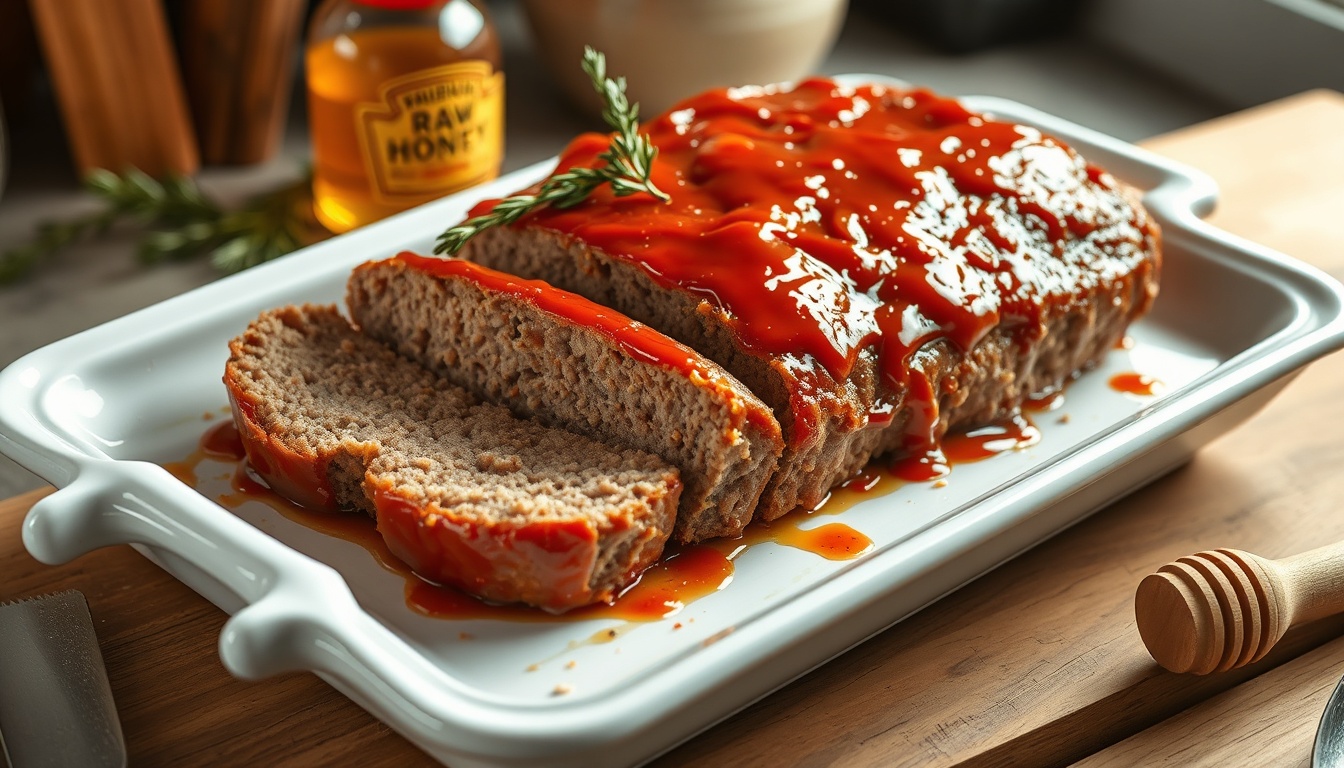
Most meatloaf glazes use brown sugar or corn syrup. Replacing those with raw honey transforms the glaze from a simple sweet topping into something noticeably better.
Honey caramelizes at a lower temperature than granulated or brown sugar. The natural fructose begins browning around 230°F, while the oven-hot meatloaf surface sits around 350-375°F. This means the glaze develops a deep, sticky caramelization without burning — a common problem with sugar-based glazes that go from golden to scorched in minutes.
Honey also brings flavor complexity that sugar cannot. Clover honey adds a mild floral sweetness. Wildflower honey brings multi-layered depth. Mixed with ketchup (tomato, vinegar) and Dijon mustard, honey creates a sauce that is simultaneously sweet, tangy, and savory — the flavor people describe as "the best meatloaf glaze I have ever had."
The Meat Blend Matters
The 75/25 ratio of beef to pork makes a real difference. Each meat contributes something the other lacks.
- Ground beef (80/20) provides the beefy flavor and structural backbone. The 20% fat content is essential — lean ground beef (90/10 or 93/7) produces dry, crumbly meatloaf. The fat melts during cooking, basting the meat from within
- Ground pork adds tenderness, moisture, and a subtle sweetness that complements the honey glaze. Pork fat has a lower melting point than beef fat, so it renders more easily and keeps the interior juicy. Even people who do not usually like pork will not identify it in the finished dish
- All-beef alternative — if you prefer all beef, stick with 80/20 and add 2 tablespoons of melted butter to the mix to compensate for the lost pork fat. The flavor will be more straightforwardly beefy
- Turkey meatloaf alternative — ground turkey (dark meat, not breast) works for a lighter version. Increase the breadcrumb-milk mixture by 50% (the panade) since turkey is leaner. The honey glaze is especially important here as it adds the richness that turkey lacks
Pro Tip
Do not overmix the meat. Overworking ground meat develops the myosin protein, creating a dense, sausage-like texture instead of a tender, slightly crumbly slice. Mix until the ingredients are just distributed — you should still see slight variation in the mixture.
Get the Honey Buyer's Cheat Sheet (free PDF)
16 varieties on one page — color, flavor, best use and what a fair price looks like — from the 304 honeys we track.
The Panade: The Secret to Moist Meatloaf
The breadcrumb and milk mixture (called a panade) is what separates a tender, juicy meatloaf from a dense, dry one.
When breadcrumbs soak in milk, they form a starchy gel that coats the meat proteins and physically prevents them from binding together too tightly during cooking. This is the same technique used in meatballs, burgers, and sausages — it is the single most effective tool for keeping ground meat preparations moist.
Let the breadcrumbs soak for the full 5 minutes before mixing into the meat. Dry breadcrumbs mixed directly into the meat absorb moisture from the meat instead, working against you. The pre-soaked panade adds moisture rather than stealing it.
Panko breadcrumbs produce a slightly lighter texture than regular breadcrumbs because of their larger, flakier structure. Either works well — use what you have on hand.
Free-Form vs Loaf Pan
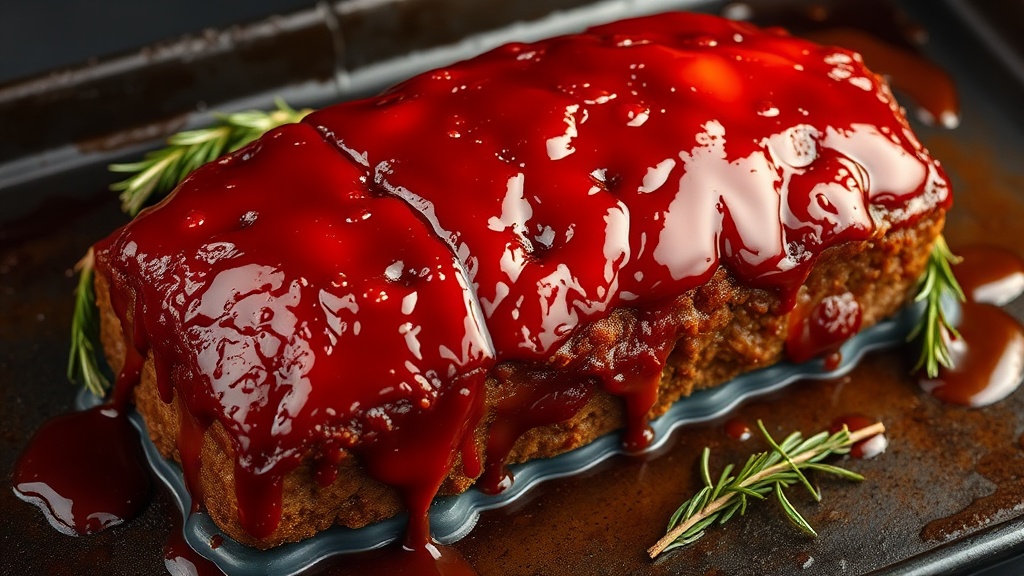
Shaping the meatloaf free-form on a sheet pan rather than packing it into a loaf pan is the better method for two reasons.
First, the glaze can coat all sides of the meatloaf — top, sides, and edges — instead of only the top. This triples the surface area of caramelized honey glaze, which is arguably the best part of the dish.
Second, the exposed sides and bottom develop a light crust, adding textural contrast between the caramelized exterior and the tender interior. In a loaf pan, the sides steam against the metal walls, producing a soft, pale exterior that lacks flavor.
The only advantage of a loaf pan is that it holds the shape for you. If your mixture feels loose, chill it in the refrigerator for 20 minutes before shaping free-form — cold fat holds the shape better during the first few minutes of baking before the proteins set.
Best Honey Varieties for the Glaze
Since the honey is a primary glaze ingredient (not just a background sweetener), the variety you choose will subtly affect the final flavor.
- Clover honey — mild, clean sweetness that lets the ketchup and mustard lead the glaze flavor. The most universally crowd-pleasing option, especially for families with picky eaters
- Wildflower honey — complex, multi-floral sweetness that adds an extra layer of depth. Pairs particularly well with the smoked paprika in the meatloaf
- Buckwheat honey — dark, malty, almost molasses-like intensity. Creates the richest, most deeply flavored glaze but can overpower mild palates. Excellent if you like bold, smoky-sweet flavors
- Acacia honey — very light and delicate, producing a cleaner, less assertive glaze. Good choice if you want the tanginess of ketchup and mustard to be the dominant glaze flavors
Side Dishes
Meatloaf is classic American comfort food, and the sides should match.
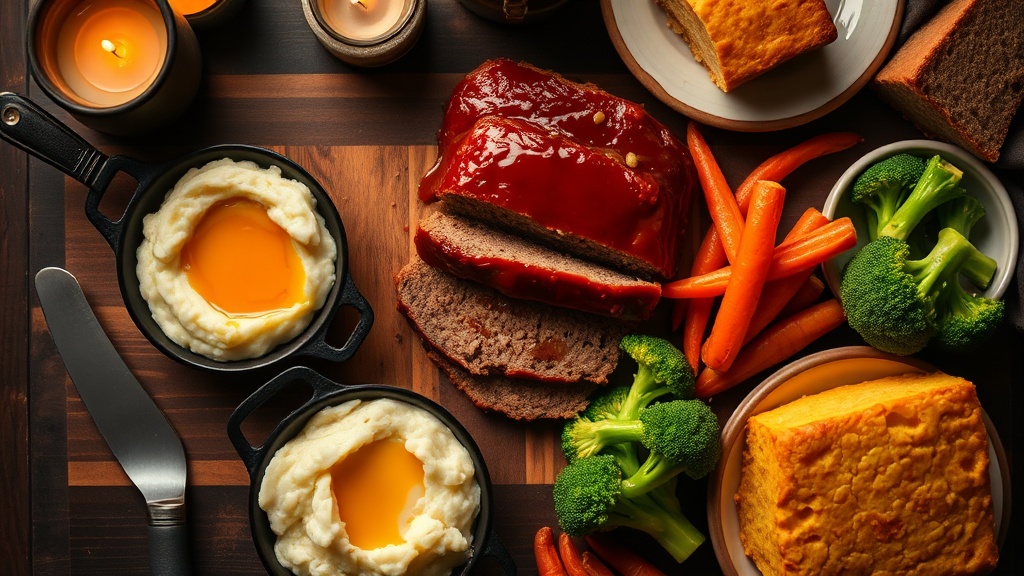
- Mashed potatoes — the definitive pairing. The creamy, buttery potatoes catch the honey glaze drippings and create the ultimate comfort food combination. Add roasted garlic for extra flavor
- Honey roasted carrots — the natural sweetness of roasted carrots echoes the honey glaze, creating a cohesive plate. Simple and hands-off while the meatloaf bakes
- Steamed green beans or broccoli — something green and crisp provides color and freshness to balance the rich meatloaf. A squeeze of lemon and a pat of butter is all they need
- Honey cornbread — a warm wedge of honey cornbread alongside meatloaf is a Southern-inspired combination that leans fully into the comfort food theme
- Mac and cheese — the ultimate indulgent pairing for a weekend family dinner. The creamy cheese sauce and the tangy honey glaze complement each other surprisingly well
Make-Ahead and Leftovers
Meatloaf is one of the most make-ahead-friendly dinners, and the leftovers are arguably better than the original.
To prep ahead, mix and shape the meatloaf up to 24 hours before baking. Wrap tightly in plastic wrap on the sheet pan and refrigerate. Add 5-10 minutes to the baking time since the loaf will start cold. Make the glaze separately and store in a jar — brush it on just before baking.
Cooked meatloaf keeps refrigerated for 4-5 days. The texture actually improves overnight as the proteins relax and the flavors meld. Slice and reheat individual portions in a 300°F oven for 10 minutes or in a skillet over medium heat with a splash of water.
Meatloaf sandwiches are the best reason to make a full-sized loaf even for a small household. Thick slices of cold or reheated meatloaf on good bread with extra glaze, a leaf of lettuce, and a thick slice of tomato make one of the best sandwiches in the American repertoire.
The meatloaf freezes well for up to 3 months. Freeze the whole loaf or individual slices wrapped in plastic and foil. Thaw overnight in the refrigerator before reheating.