Why Honey Makes Better Caramel
Traditional caramel sauce requires carefully melting white sugar to 340°F without crystallizing — a process that fails frequently and can be dangerous. Honey eliminates this problem entirely.
Honey is already an inverted sugar syrup, meaning the fructose and glucose are separated and will not recrystallize the way sucrose does. You skip the trickiest step in caramel-making. The honey simply needs to boil until the water evaporates and the sugars concentrate and darken.
The result is a caramel with more depth than sugar-based versions. Honey brings over 180 aromatic compounds to the sauce — floral, fruity, and malty notes that refined sugar cannot match. The natural enzymes in raw honey break down during cooking, but the flavor complexity they helped create remains.
Honey caramel also has a softer, silkier texture than sugar caramel. The fructose in honey resists crystallization even when chilled, so the sauce stays smooth in the refrigerator instead of turning grainy.
Choosing the Right Honey
The honey variety determines the final flavor of your caramel. Each type produces a distinctly different sauce.
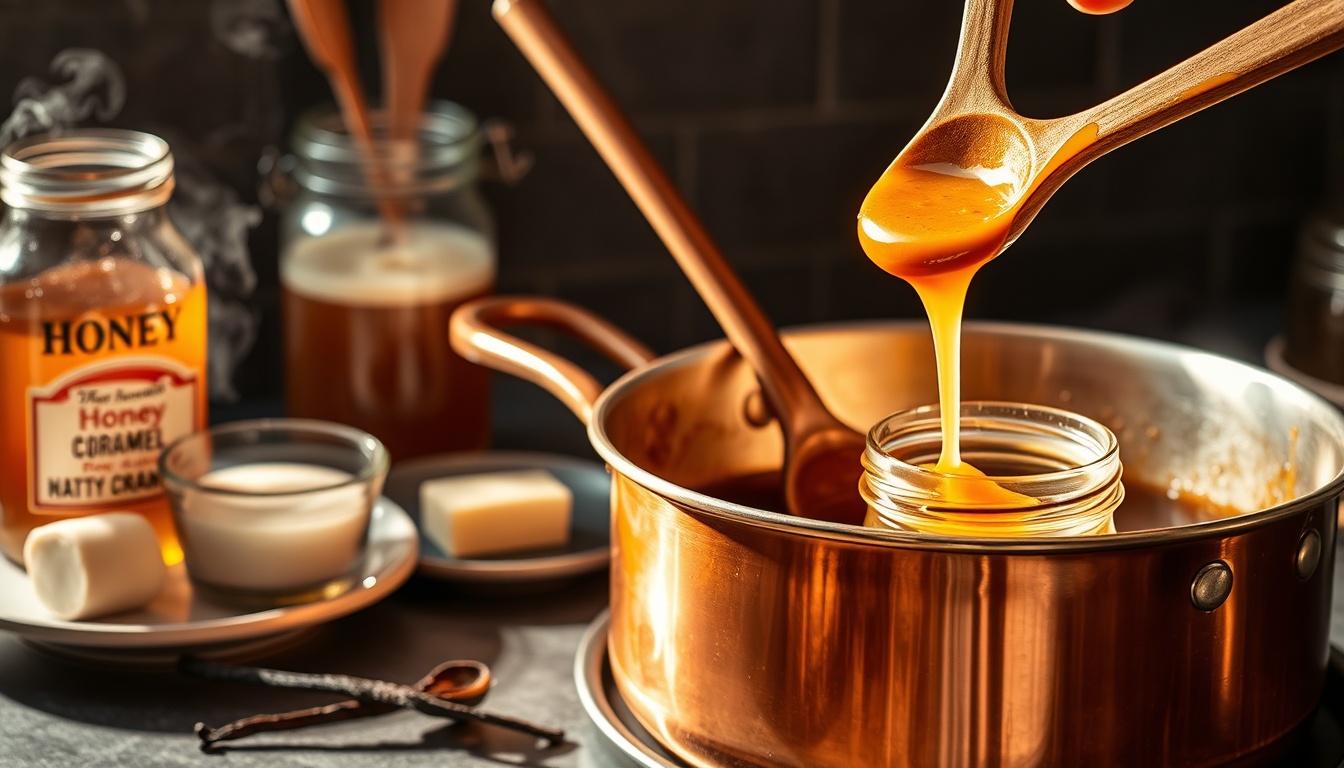
- Wildflower honey — the best all-purpose choice. Complex sweetness with subtle floral notes that complement the butter and cream. Produces a well-rounded, crowd-pleasing caramel with a warm amber color
- Buckwheat honey — for dark, intense caramel with molasses-like depth. The strong malty flavor stands up to bold pairings: dark chocolate, espresso, rye bread, aged cheese. Not for everyone, but a favorite among caramel enthusiasts
- Clover honey — clean, mild sweetness that lets the butter-cream-salt trio be the star. The most neutral option and the most affordable. Good for everyday drizzling
- Orange blossom honey — adds a subtle citrus-floral note that works beautifully over pancakes, crepes, and fruit desserts. The citrus character intensifies during caramelization
- Avoid acacia honey — its ultra-delicate flavor disappears during the high-heat cooking. You pay premium prices for notes that boil away in the first few minutes
Pro Tip
Use raw honey for the best flavor. Pasteurized honey works but produces a flatter-tasting caramel since the heat-sensitive compounds were already destroyed during processing.
Get the Honey Buyer's Cheat Sheet (free PDF)
16 varieties on one page — color, flavor, best use and what a fair price looks like — from the 304 honeys we track.
5 Flavor Variations
The base recipe is a starting point. Each variation adds a distinct character while keeping the four-ingredient simplicity.
- Bourbon honey caramel — add 2 tablespoons bourbon after the cream. Return to low heat for 1 minute to cook off the raw alcohol. The vanilla and oak notes from the bourbon pair naturally with honey. Use buckwheat honey for maximum depth. Outstanding on pecan pie or baked apples
- Vanilla bean honey caramel — split one vanilla bean and scrape the seeds into the cream before adding it to the honey. The vanilla specks in the golden sauce look beautiful and add a warm, floral fragrance. Use wildflower honey
- Espresso honey caramel — dissolve 1 tablespoon instant espresso powder into the warm cream before adding. The coffee bitterness balances the honey sweetness. Drizzle over honey ice cream or brownies
- Ginger honey caramel — add 1 teaspoon freshly grated ginger with the butter. Strain out the ginger fibers before storing, or leave them in for texture. The ginger-honey combination has a long tradition in both Asian and European desserts
- Cinnamon honey caramel — add 1 cinnamon stick to the honey while it boils. Remove the stick before adding butter. The cinnamon infuses the caramel gently. Use with honey pancakes, oatmeal, or yogurt
Troubleshooting Common Problems
Honey caramel is forgiving, but a few things can go wrong.
- Sauce is too thin — it did not cook long enough. Return to medium-low heat and simmer for 2-3 more minutes. The sauce should coat the back of a spoon. Remember it thickens significantly as it cools
- Sauce is too thick or sticky — it cooked too long and lost too much moisture. Stir in 1-2 tablespoons of warm cream to loosen it. If it has hardened, reheat gently with a splash of cream until smooth
- Sauce tastes bitter — the honey scorched. This happens when heat is too high or the honey was left unattended past the amber stage. Honey goes from caramelized to burnt in under a minute. Once burnt, you must start over — no amount of cream or butter will fix a bitter taste
- Sauce separated or looks greasy — the cream or butter was too cold when added, or they were added too quickly. The temperature shock causes the fat to separate. You can often rescue this by returning to low heat and whisking vigorously for 1-2 minutes. Always use room-temperature cream
- Sauce crystallized in the fridge — this is rare with honey caramel but can happen if sugar was introduced (from a contaminated spoon or jar). Gently reheat with a tablespoon of cream, stirring constantly, until smooth again
What to Put Honey Caramel On
This sauce is versatile enough for both simple and elaborate uses.
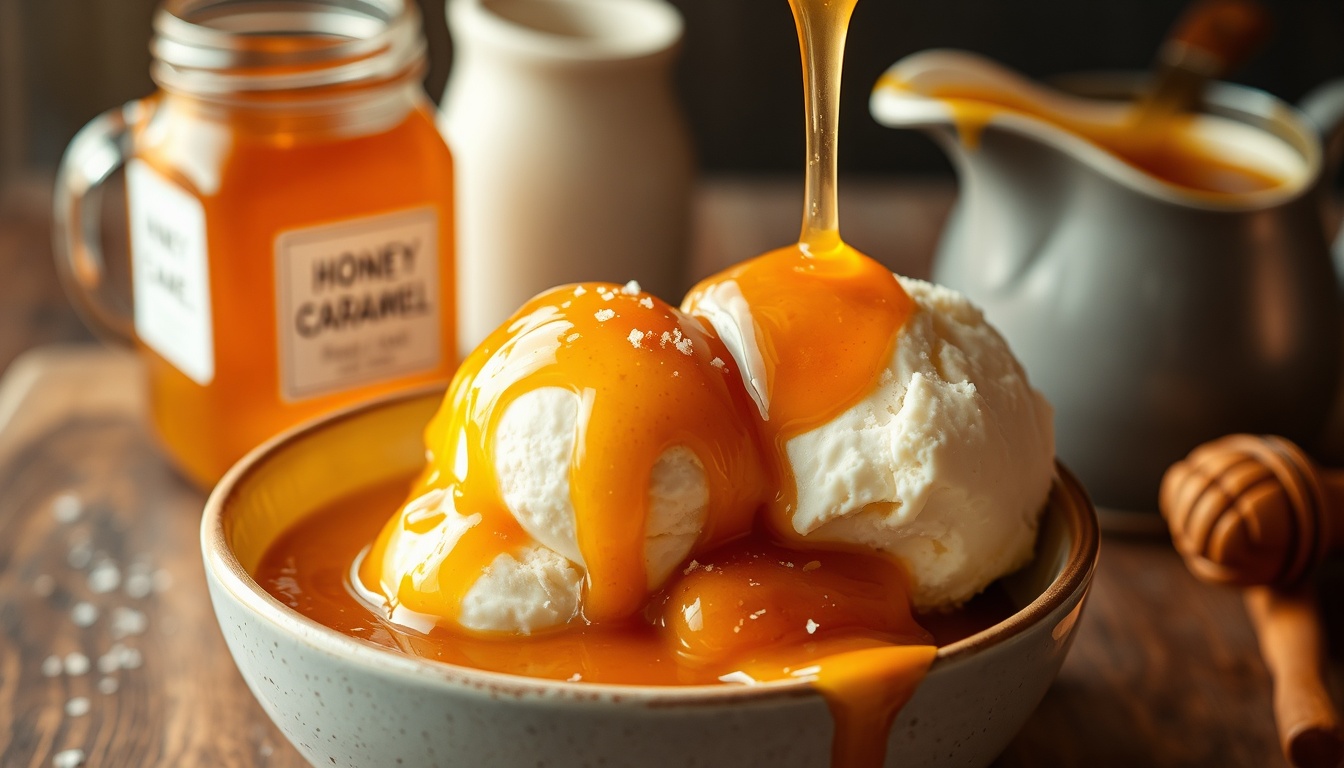
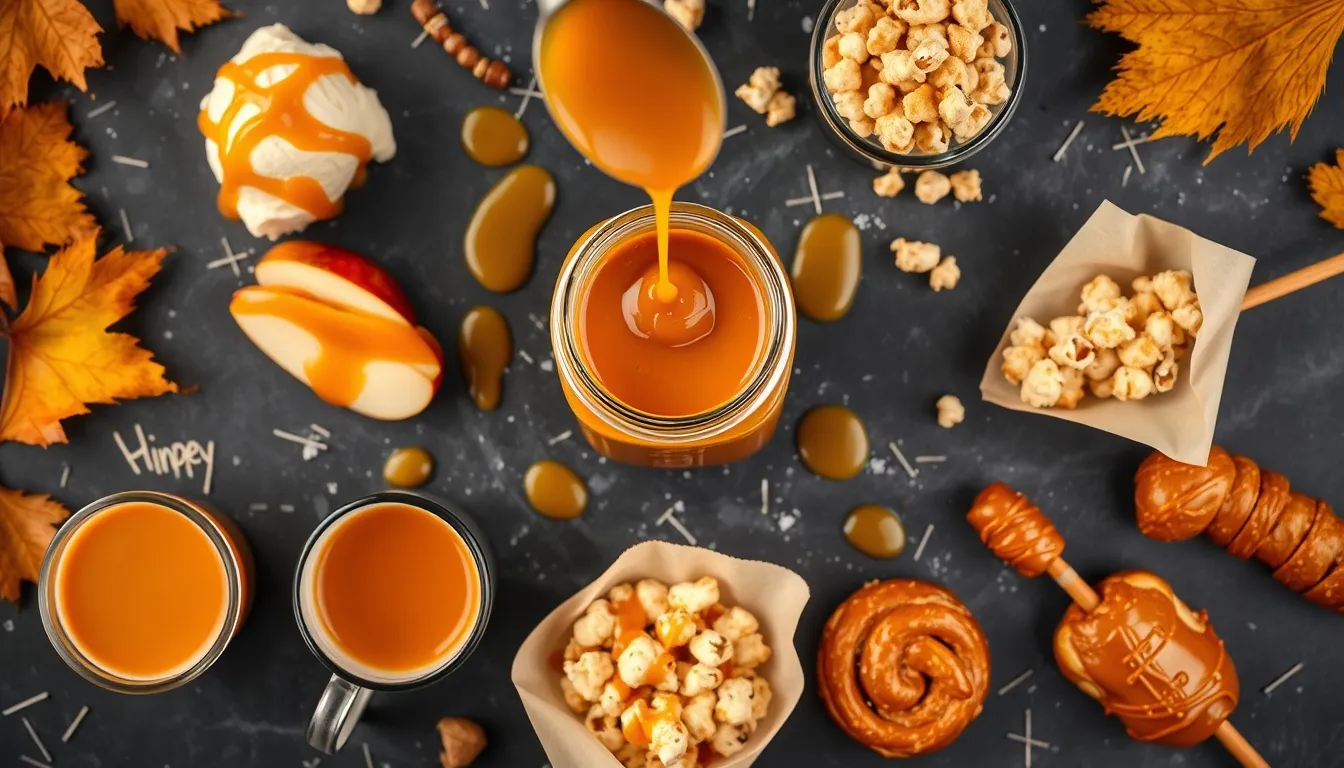
- Ice cream — the classic. Warm honey caramel over vanilla bean ice cream with a sprinkle of flaky sea salt. Also excellent on honey ice cream for double-honey intensity
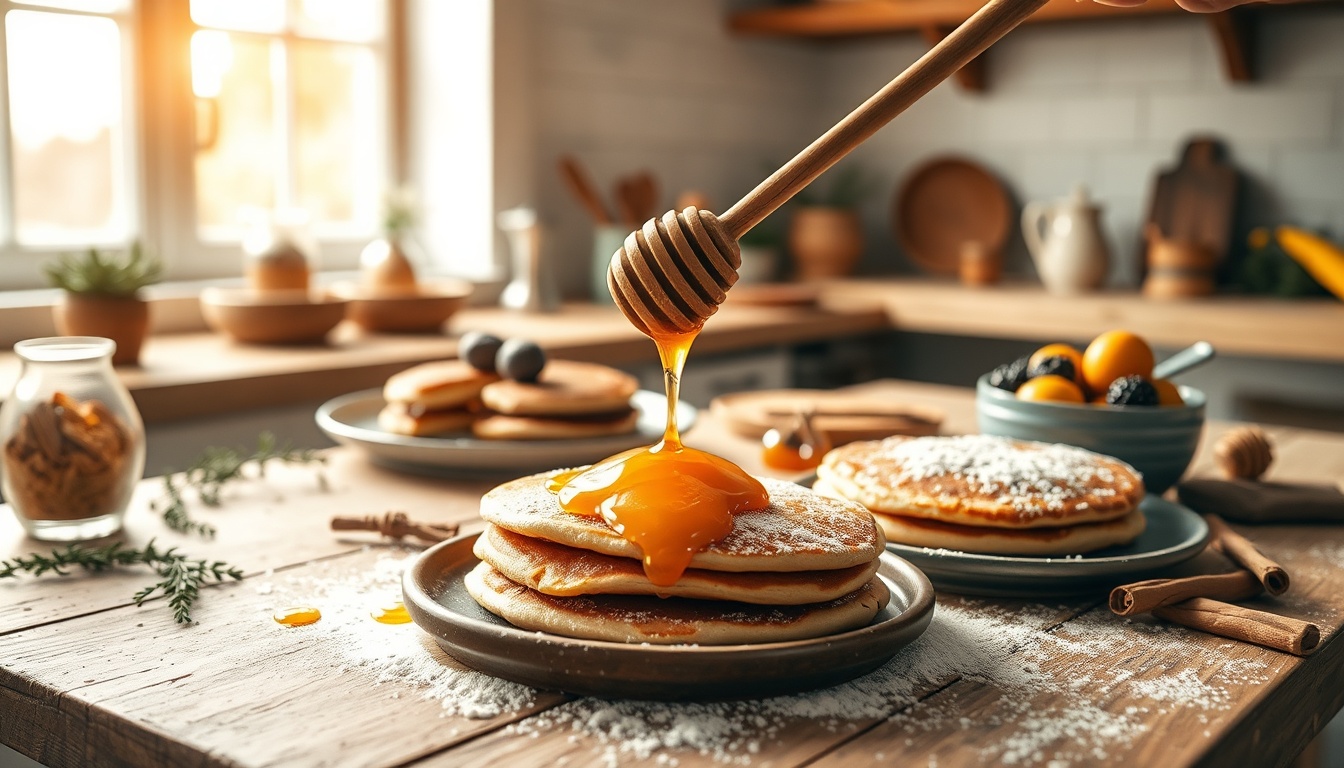
- Pancakes and waffles — replace maple syrup with warm honey caramel for a richer, more complex breakfast. Add sliced bananas and chopped pecans
- Apple slices — a healthier dessert option. Dip crisp apple slices into warm caramel. Granny Smith apples provide tartness that balances the sweetness
- Cheese boards — drizzle over aged cheddar, Manchego, or Brie. The sweet-salty caramel bridges the flavors between cheese, crackers, and fruit. Use a bold buckwheat honey caramel
- Baked goods — swirl into brownie batter before baking, drizzle over scones, or use as a cake filling between layers. The sauce stays soft even in chilled desserts
- Coffee and lattes — add 1-2 tablespoons to hot coffee for a honey caramel latte. Stir until dissolved. Better than any syrup from a coffee shop
Storage and Shelf Life
Honey caramel sauce stores better than sugar-based caramel because the fructose resists crystallization.
- Refrigerator — up to 3 weeks in a sealed glass jar. The sauce thickens to a spreadable consistency. Reheat in 20-second microwave intervals or in a saucepan over low heat, stirring until pourable
- Freezer — up to 3 months in a freezer-safe container. Leave 1/2 inch headspace for expansion. Thaw overnight in the refrigerator, then reheat gently. Texture may be slightly thinner after freezing but flavor is unchanged
- Room temperature — safe for up to 2 hours during serving (standard food safety guidelines for dairy-containing sauces). Do not leave out overnight
- Gift jars — honey caramel in a small mason jar with a ribbon makes an excellent homemade gift. Include a label with the flavor variation and reheating instructions. The 3-week fridge life gives recipients plenty of time to enjoy it