Why Baked Wings Beat Fried
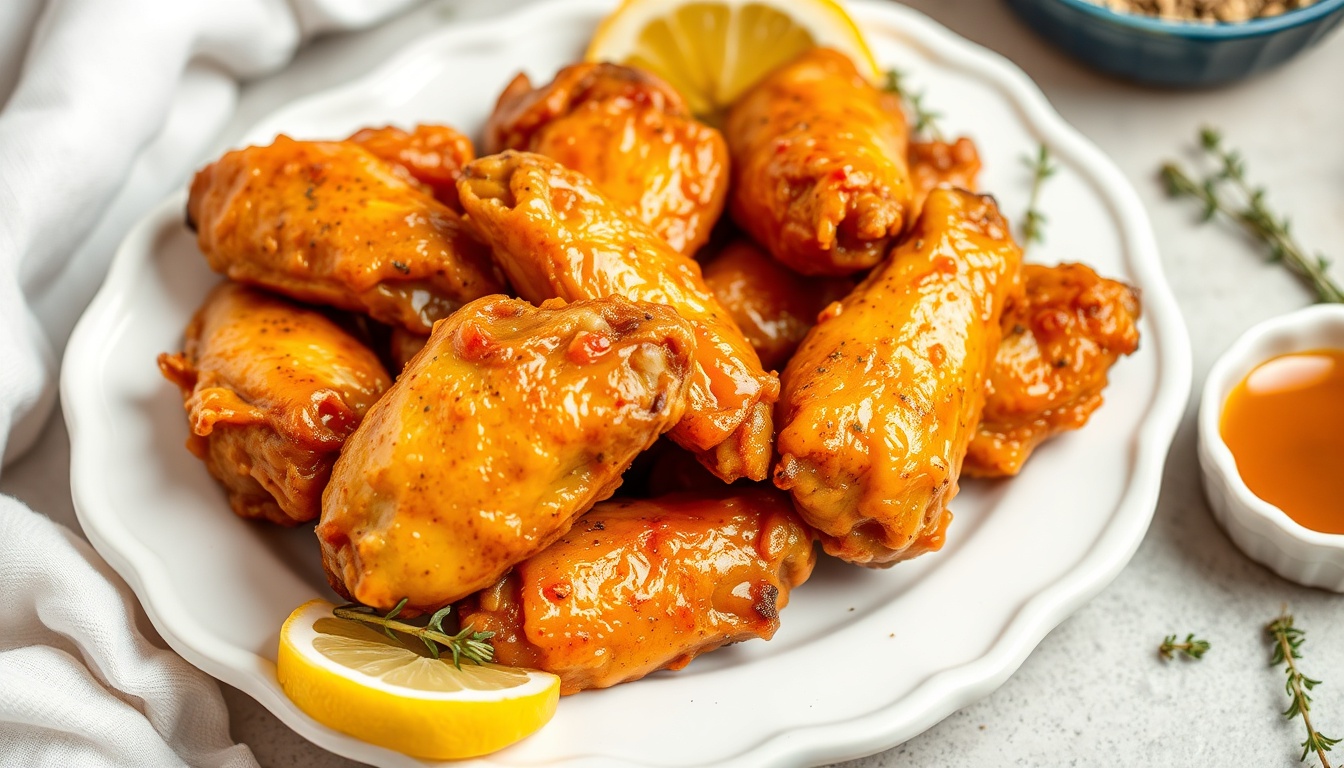
The secret to restaurant-level crispy wings at home is baking powder, not a deep fryer.
Baking powder is alkaline. When you coat chicken skin in it, the higher pH breaks down peptide bonds on the surface, which accelerates the Maillard reaction during baking. The result is skin that crisps up hard and shatters when you bite through it — the same effect that deep frying achieves through rapid moisture evaporation, but without a quart of oil.
The wire rack is equally important. It lifts the wings off the pan so hot air circulates underneath. Without it, the bottom of the wings sits in rendered fat and steams instead of crisping. If you skip the rack you will get crispy tops and soggy bottoms.
At 425°F, the oven is hot enough to render the subcutaneous fat layer under the skin. This fat drips down through the rack while the skin dehydrates and crisps. The mid-bake flip ensures both sides get equal direct heat exposure.
The Honey Lemon Pepper Glaze
This glaze is about balance — sweet honey, bright citrus acidity, and the slow burn of freshly cracked black pepper.
Use freshly cracked pepper, not pre-ground. Pre-ground pepper has lost most of its volatile oils (piperine) during storage. Fresh-cracked pepper delivers a sharper, more complex heat with floral and pine notes that pair with the lemon zest. A coarse grind is ideal — you want visible pepper flecks that burst on your tongue.
The lemon zest contributes more flavor than the juice. Zest contains concentrated limonene and citral oils that survive the heat of the glaze, while juice provides acidity to cut through the richness of the honey and butter. Using both gives you citrus depth that juice alone cannot achieve.
Tossing the glaze on hot-from-the-oven wings is critical. The residual heat slightly caramelizes the honey on contact with the crispy skin, creating a thin lacquered shell that stays sticky without making the skin soggy. If you wait until the wings cool, the glaze just slides off.
Get the Honey Buyer's Cheat Sheet (free PDF)
16 varieties on one page — color, flavor, best use and what a fair price looks like — from the 304 honeys we track.
3 Heat Levels
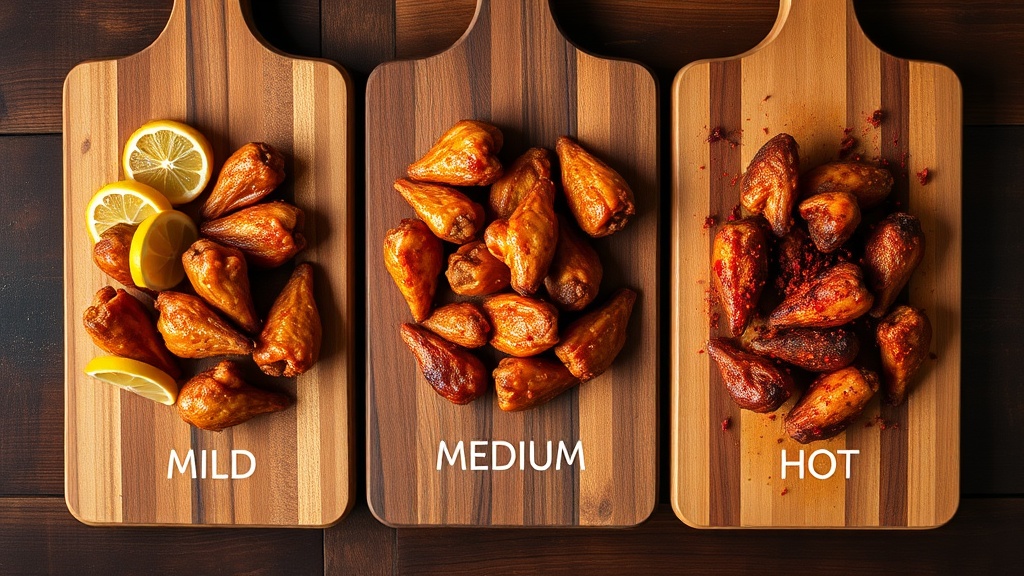
Adjust the heat to match your crowd. The base recipe is mild — all the pepper flavor with gentle warmth.
- Mild (base recipe) — 1 tablespoon black pepper, no cayenne. All the citrus-pepper flavor with warmth that builds gently. Kid-friendly and crowd-safe for game day. The black pepper provides a background tingle, not a burn
- Medium — add 1/4 teaspoon cayenne pepper to the glaze. Noticeable heat that kicks in after the initial honey sweetness fades. Most adults find this the sweet spot between flavorful and spicy. The cayenne blends into the pepper without dominating
- Hot — add 1/2 teaspoon cayenne plus 1 teaspoon hot honey replacing 1 teaspoon of the regular honey. Serious heat with a lingering burn. The capsaicin from both the cayenne and hot honey creates a two-wave effect — immediate sting followed by slow-building warmth. Serve with ranch or blue cheese to temper the heat
Best Honey Varieties for Wings
The honey variety shapes the flavor profile more than you might expect when using 1/3 cup in a concentrated glaze.
- Clover honey — clean, mild sweetness that lets the lemon and pepper dominate. The safest all-purpose choice and the most affordable for a batch of wings
- Wildflower honey — adds subtle floral complexity behind the citrus. A step up from clover in flavor depth without overpowering the lemon pepper profile
- Orange blossom honey — its natural citrus undertone amplifies the lemon zest for a double-citrus effect. The best pairing if you want maximum citrus impact
- Avoid buckwheat or manuka honey — their strong, distinctive flavors compete with the lemon pepper instead of supporting it. Save those for recipes where honey is the star, not the glue
Tips for the Crispiest Wings
Small details make the difference between good wings and great wings.
- Use baking powder, not baking soda — baking soda is four times more alkaline and will give the wings a metallic, soapy taste. Check the label before you grab the container
- Pat the wings dry twice — once when you take them out of the package, then again after 10 minutes on a paper towel. The drier the surface, the crispier the skin
- Do not crowd the rack — wings touching each other create steam pockets. Leave at least half an inch between each piece. Use two sheet pans if needed
- Rest the coated wings in the refrigerator for 30 minutes before baking if you have time. The baking powder continues drawing out surface moisture, and the cold fat firms up for an even crispier result. This step is optional but noticeable
- Serve immediately after glazing — the honey lemon pepper coating stays crispy for about 10 minutes before the moisture starts softening the skin. These are not leftovers wings. Eat them fresh
Serving Suggestions
Honey lemon pepper wings work as an appetizer, game day spread, or main course depending on how you plate them.
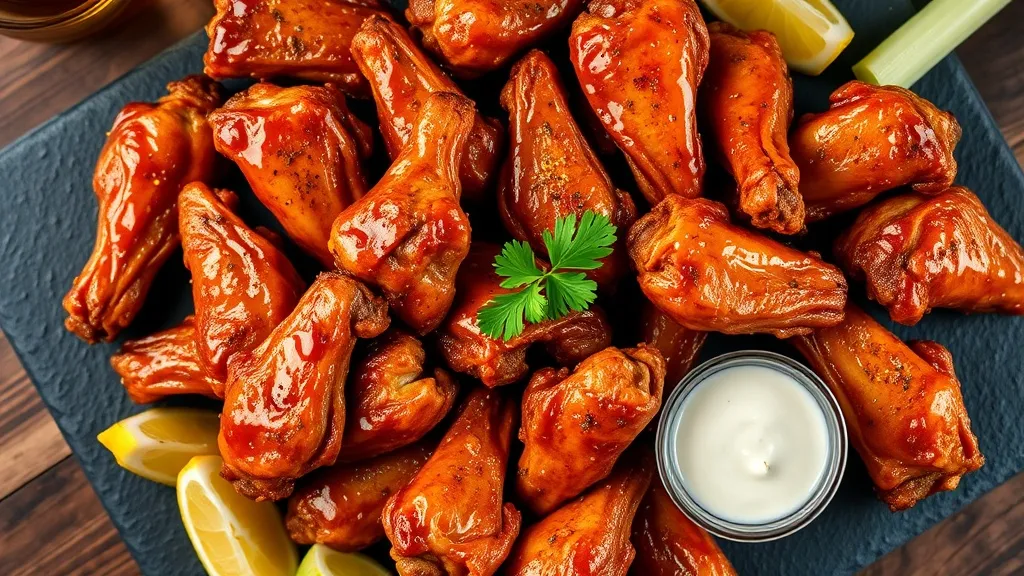
- Classic game day — serve on a platter with celery sticks, carrot sticks, ranch dressing, and blue cheese dip. The cool creamy dips contrast the sticky heat
- Main course dinner — pair with honey cornbread and a simple coleslaw. The sweetness of the cornbread echoes the honey glaze while the coleslaw provides crunch and acidity
- Asian-inspired — serve over steamed rice with pickled vegetables and a drizzle of extra honey garlic sauce. Swap the parsley for sliced scallions and sesame seeds
- Light meal — serve alongside a large green salad with a honey vinaigrette. The bright dressing matches the citrus theme of the wings