What Is Bee Pollen and Why the Interest?
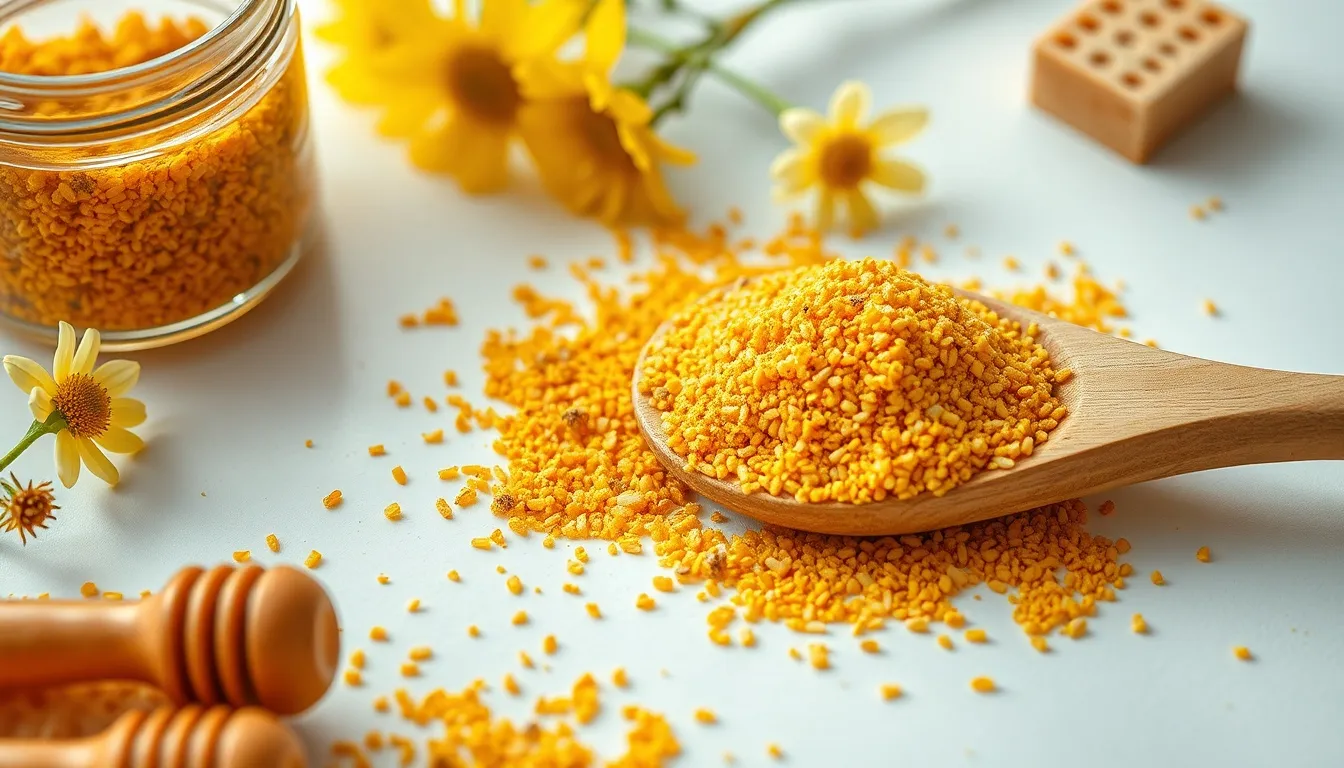
Bee pollen is flower pollen collected by honey bees, mixed with nectar and bee saliva, and packed into small granules on their hind legs. These granules are a bee colony's primary protein source — feeding developing larvae and young worker bees. Beekeepers collect a portion using pollen traps at hive entrances.
Bee pollen has generated significant scientific interest because of its unusually dense nutritional profile. It contains approximately 250 bioactive substances including proteins (22-30% by weight), free amino acids (all essential amino acids), lipids, vitamins (A, B complex, C, D, E, K), minerals (calcium, magnesium, zinc, iron, selenium), and over 200 phenolic compounds. A 2015 review in Evidence-Based Complementary and Alternative Medicine called it "one of the most complete natural foods."
However, not all claimed benefits are equally supported by evidence. This guide separates what clinical research actually shows from what remains preliminary or unproven, so you can make informed decisions about incorporating bee pollen alongside raw honey and other bee products like propolis.
1. Nutritional Powerhouse: What's Actually in Bee Pollen
Bee pollen's nutritional density is its most objectively documented benefit. The composition varies by floral source, geographic region, and season, but the general profile is remarkably consistent.
Protein content ranges from 22-30% by dry weight — higher than most plant-based protein sources and comparable to legumes. Crucially, bee pollen contains all essential amino acids, with particularly high concentrations of glutamic acid, aspartic acid, leucine, and lysine. A 2019 study in Nutrients found bee pollen's amino acid profile approaches the FAO/WHO reference for a "complete protein."
The lipid fraction (5-7%) contains essential fatty acids including alpha-linolenic acid (omega-3) and linoleic acid (omega-6) in favorable ratios. The vitamin profile is broad: B1 (thiamine), B2 (riboflavin), B3 (niacin), B5 (pantothenic acid), B6, B9 (folate), C, E, and provitamin A (beta-carotene). Mineral content includes potassium, magnesium, calcium, iron, zinc, selenium, and copper.
Perhaps most relevant to health benefits, bee pollen contains over 200 phenolic compounds — flavonoids (quercetin, kaempferol, myricetin, isorhamnetin) and phenolic acids (caffeic acid, ferulic acid, p-coumaric acid) — that drive many of its biological activities. The specific polyphenol profile depends on the flowers bees visit, making bee pollen's composition as variable as types of honey.
Get the Honey Buyer's Cheat Sheet (free PDF)
16 varieties on one page — color, flavor, best use and what a fair price looks like — from the 268 honeys we track.
2. Anti-Inflammatory and Antioxidant Effects
The strongest clinical evidence for bee pollen's health effects involves its anti-inflammatory and antioxidant properties — driven by its concentrated polyphenol content.
A 2017 study in Oxidative Medicine and Cellular Longevity found that bee pollen extract inhibited NF-κB activation and reduced production of TNF-α, IL-1β, and IL-6 in inflammatory cell models. These are the same inflammatory pathways that honey's polyphenols target, but bee pollen provides different polyphenol ratios that may offer complementary effects.
The antioxidant capacity of bee pollen is substantial. A 2019 study in the Journal of Food Biochemistry measured ORAC, DPPH, and FRAP antioxidant values across bee pollen samples from multiple regions and found consistently high radical-scavenging activity. Quercetin and kaempferol — two of bee pollen's dominant flavonoids — are among the most studied dietary antioxidants for protecting against oxidative stress.
In animal models, bee pollen extract has shown protective effects against liver damage from acetaminophen toxicity (2015, Food and Chemical Toxicology), reduced oxidative stress markers in diabetic rats (2018, Biomedicine & Pharmacotherapy), and protected against carbon tetrachloride-induced hepatotoxicity. Human clinical data on these specific protective effects remains limited, but the antioxidant mechanisms are well-characterized.
3. Allergy Support: The Controversial Claim
Bee pollen is widely marketed for allergy relief, and this is probably its most discussed — and most debated — application. The evidence is mixed and requires careful interpretation.
The theoretical basis is plausible: regular exposure to small amounts of allergenic pollen could desensitize the immune system, similar to clinical allergen immunotherapy (allergy shots). A 2008 study in the Journal of Medicinal Food found that oral bee pollen supplementation in mice reduced IgE antibody production and mast cell degranulation — key drivers of allergic reactions.
The limited human evidence is more cautious. A 2015 pilot study in the Journal of the Science of Food and Agriculture found that 12 weeks of bee pollen supplementation reduced nasal allergy symptoms in participants compared to placebo, but the study was small (n=46) and single-center. A 1991 University of Kansas study found no benefit from bee pollen for allergic rhinitis over 6 months.
The challenge mirrors the local honey for allergies debate: most seasonal allergies are caused by wind-borne grass, tree, and ragweed pollen — not the flower pollen bees collect. Bee pollen primarily contains entomophilous (insect-carried) flower pollen, which is a different allergenic profile from the anemophilous (wind-carried) pollen that triggers most hay fever.
Where bee pollen may genuinely help allergy sufferers is through its anti-inflammatory effects rather than direct desensitization. The flavonoids quercetin and kaempferol are documented mast cell stabilizers — they inhibit histamine release from mast cells. This anti-histamine mechanism is distinct from immunotherapy and could explain symptom improvement without true desensitization.
Pro Tip
If you have a severe pollen allergy or bee sting allergy, start with a very small amount (2-3 granules) and wait 30 minutes before increasing. Bee pollen can cause allergic reactions in sensitized individuals, including rare cases of anaphylaxis. Always consult an allergist before using bee pollen if you have known pollen or bee product allergies.
4. Athletic Performance and Recovery
Bee pollen has been used by athletes since the 1970s when Finnish Olympic runners attributed their performance to bee pollen supplementation. Modern research has examined whether these claims hold up.
A 2015 study in the Journal of Sports Science & Medicine found that bee pollen supplementation (20g/day for 30 days) in trained athletes improved recovery markers after intense exercise, including reduced muscle soreness scores, lower serum creatine kinase (a marker of muscle damage), and faster return to baseline performance metrics.
The proposed mechanisms include antioxidant protection against exercise-induced oxidative stress (intense exercise generates significant ROS), anti-inflammatory effects that reduce delayed-onset muscle soreness (DOMS), and nutritional support from bee pollen's complete amino acid profile for muscle repair.
A 2020 study in Nutrients found that quercetin — one of bee pollen's primary flavonoids — improved endurance performance in a meta-analysis of 11 studies, though the effect size was modest (approximately 3% improvement in VO₂ max). Bee pollen provides quercetin alongside complementary flavonoids that may enhance its bioavailability.
However, it's important to note that not all studies show positive results. A 1982 study in the National Strength and Conditioning Association Journal found no ergogenic benefit from bee pollen in competitive swimmers. The variability likely relates to bee pollen composition (which varies by source), dosage, and baseline nutritional status of athletes. Bee pollen may benefit athletes with suboptimal micronutrient intake more than those already eating well.
5. Gut Health and Digestive Support
Emerging research suggests bee pollen supports digestive health through prebiotic, antimicrobial, and anti-inflammatory mechanisms — complementing honey's own gut health benefits.
A 2019 study in the International Journal of Food Science & Technology found that bee pollen extract promoted growth of Lactobacillus and Bifidobacterium species while inhibiting pathogenic Clostridium perfringens and E. coli. This selective antimicrobial activity — similar to honey's — helps maintain favorable gut microbial balance.
Bee pollen's fiber content (3-5% by weight) provides prebiotic substrates for beneficial gut bacteria. The polyphenols are partially metabolized by gut microbiota into bioactive metabolites, creating a two-way relationship where bee pollen feeds beneficial bacteria and bacteria enhance the bioavailability of bee pollen's polyphenols.
For digestive inflammation, a 2018 study in Biomolecules found that bee pollen extract reduced intestinal inflammation markers in a colitis model through NF-κB inhibition and restoration of tight junction proteins — the cellular structures that maintain gut barrier integrity. This suggests potential benefits for people with inflammatory digestive conditions, though human clinical trials are still needed.
6. Skin Health and Wound Healing
Bee pollen's combination of antioxidants, anti-inflammatory compounds, and antimicrobials has generated interest in skin health applications.
A 2015 study in Evidence-Based Complementary and Alternative Medicine found that topical bee pollen extract accelerated wound healing in burn models, with effects attributed to antioxidant protection, enhanced collagen synthesis, and antimicrobial activity. This parallels honey's wound healing mechanisms but through different bioactive compounds.
For skin aging, bee pollen's quercetin and kaempferol protect against UV-induced oxidative damage — a primary driver of photoaging. A 2019 study in the Journal of Photochemistry and Photobiology found that flavonoid-rich plant extracts (containing the same compounds found in bee pollen) reduced UV-induced MMP expression — the enzymes that break down collagen and elastin.
Bee pollen is sometimes combined with honey face masks for skin applications. The combination provides honey's humectant moisture-locking with bee pollen's concentrated polyphenol delivery. Mix finely ground bee pollen (1 teaspoon) into 2 tablespoons of raw honey for a nutrient-rich mask.
How to Choose and Use Bee Pollen
Quality varies significantly between bee pollen products. Here's what to look for.
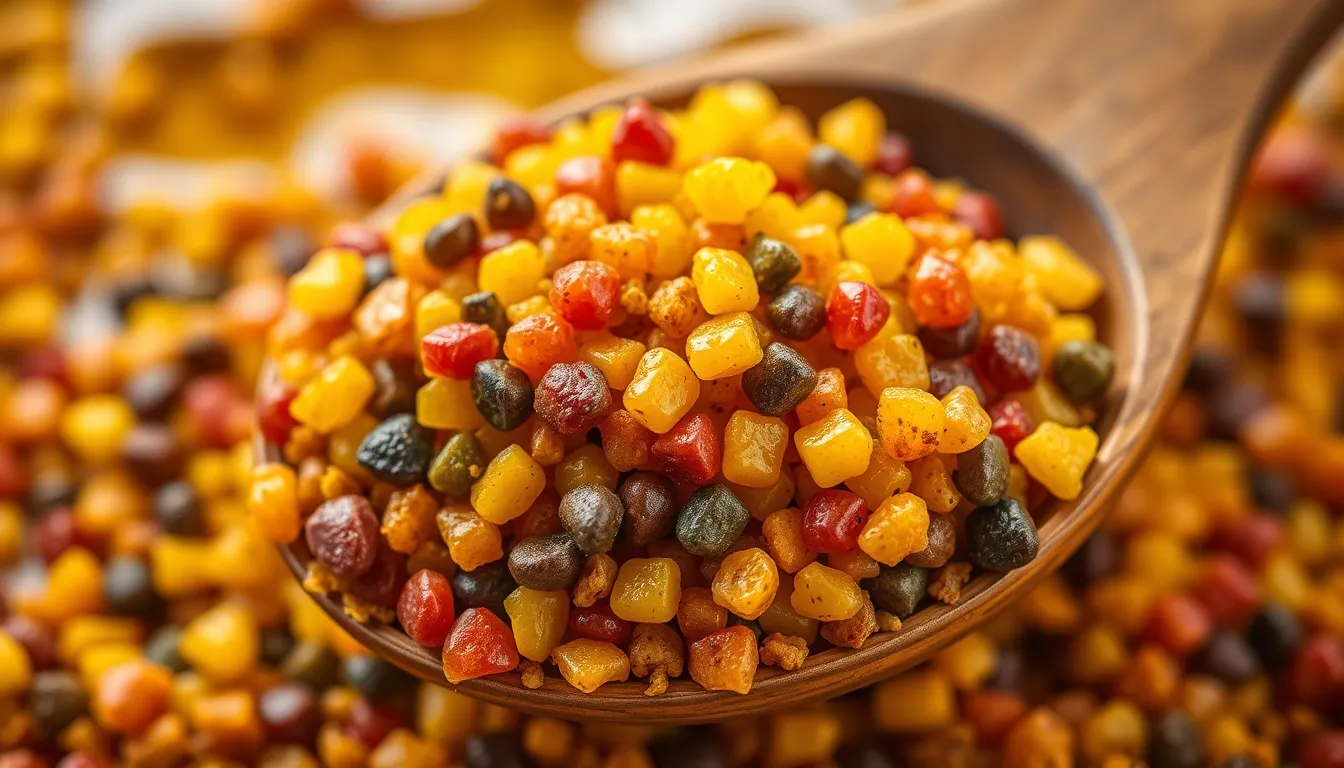
- Source and freshness — Buy from reputable beekeepers or bee product companies that can tell you the geographic origin. Fresh bee pollen should have vibrant colors (yellow, gold, orange, purple) and a slightly sweet, floral smell. Dull brown granules may be old or improperly stored.
- Storage — Bee pollen degrades rapidly at room temperature. Store in an airtight container in the freezer for long-term preservation (up to 2 years) or refrigerator for short-term use (up to 6 months). Moisture exposure promotes mold growth.
- Start slowly — Because bee pollen can trigger allergic reactions in sensitized individuals, introduce it gradually in small amounts and watch for any reaction before making it a regular habit. Talk to your doctor or allergist first if you have pollen or bee product allergies.
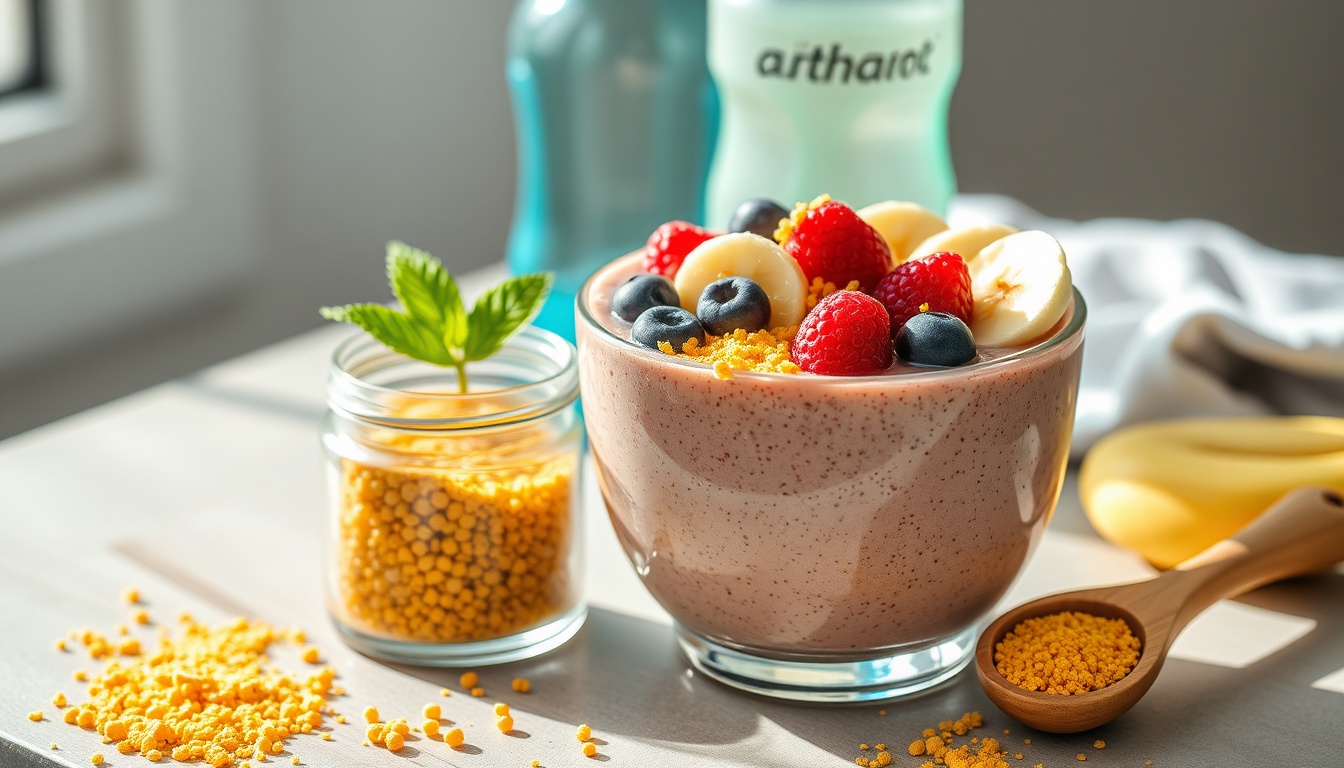
- How to eat it — Sprinkle over yogurt, oatmeal, or smoothie bowls. Blend into smoothies. Mix with pure clover honey USA for a nutrient-dense spread with mild sweetness that won't overpower bee pollen's delicate floral notes, New York buckwheat honey for enhanced antioxidant synergy (ORAC 16,000+ μmol TE/100g complementing bee pollen's quercetin and kaempferol), or Italian acacia honey for lowest glycemic impact (GI ~32) when combining with bee pollen for daily athletic recovery protocols. Add to honey water or warm (not hot) drinks. Avoid heating above 104°F (40°C) as heat degrades enzymes and some vitamins.
- Organic vs conventional — Organic bee pollen comes from hives placed in areas free from pesticides and synthetic chemicals. While bees can forage up to 3 miles from the hive, organic certification indicates reduced pesticide exposure. If organic isn't available, bee pollen from rural, agricultural-chemical-free areas is preferable.
Bee Pollen vs Other Bee Products
Understanding how bee pollen compares to other bee products helps you choose the right one for your goals.
- Bee pollen vs honey — Honey is primarily sugars (80%) with moderate bioactives, while bee pollen is primarily protein (22-30%) and polyphenols with less sugar. Honey excels for antimicrobial and cough-suppressing applications; bee pollen excels for nutritional supplementation, anti-inflammatory support, and athletic recovery. They're complementary, not interchangeable.
- Bee pollen vs propolis — Propolis is a resin collected from trees, processed with bee enzymes, and used as hive sealant. Propolis is more concentrated in CAPE (caffeic acid phenethyl ester) and has stronger antimicrobial potency. Bee pollen is more nutritionally complete. Propolis is typically used as tincture or capsule; bee pollen as whole granules.
- Bee pollen vs royal jelly — Royal jelly is a glandular secretion fed to queen bees. It contains unique proteins (royalactin), 10-HDA fatty acids, and acetylcholine. Royal jelly is studied primarily for longevity and hormonal effects; bee pollen for nutrition and anti-inflammatory effects. Royal jelly is far more expensive per serving.
- Bee pollen vs eating honeycomb — Honeycomb provides beeswax fatty alcohols, honey enzymes, and traces of propolis and pollen. Bee pollen provides a much more concentrated nutritional and polyphenol payload. Honeycomb is more of a food experience; bee pollen is more of a supplement.
Safety, Side Effects, and Contraindications
Bee pollen is safe for most adults, but there are important safety considerations.
- Allergic reactions — The most significant risk. People with pollen allergies or bee product allergies can experience reactions ranging from mild itching and swelling to severe anaphylaxis. A 2012 case report in the Journal of Allergy and Clinical Immunology documented anaphylaxis from bee pollen in a patient with known pollen allergy. Always start with a tiny amount (2-3 granules) as a test.
- Pregnancy and breastfeeding — Insufficient safety data exists for bee pollen during pregnancy. Some healthcare providers advise caution due to theoretical uterine stimulation from certain pollen compounds. Consult your OB/GYN before use during pregnancy.
- Blood thinners — Bee pollen may have mild anticoagulant effects. People taking warfarin, aspirin, or other blood thinners should consult their physician before regular supplementation.
- Autoimmune conditions — Because bee pollen can stimulate immune activity, people with autoimmune diseases (lupus, rheumatoid arthritis, multiple sclerosis) should consult their immunologist before use. Immune stimulation could theoretically worsen autoimmune flares.
- Infants under 12 months — Like honey, bee pollen should not be given to infants under 12 months due to potential contamination with Clostridium botulinum spores.
- Drug interactions — Bee pollen may interact with immunosuppressive medications, blood thinners, and diabetes drugs. If you take prescription medications, discuss bee pollen with your healthcare provider.
The Bottom Line
Bee pollen is a nutritionally dense bee product with documented anti-inflammatory, antioxidant, and antimicrobial properties. The strongest evidence supports its use as a concentrated nutritional supplement (complete amino acids, vitamins, minerals, polyphenols), for anti-inflammatory and antioxidant support, and for exercise recovery in athletes.
The allergy desensitization claim remains controversial — bee pollen may help allergy symptoms through anti-histamine flavonoids (quercetin, kaempferol) rather than through true immunotherapy. Gut health, skin health, and liver-protective effects show promise in preclinical research but need more human clinical trials.
Combined with raw honey and propolis, bee pollen completes a trio of complementary bee products that together provide broad nutritional and bioactive coverage. Start small, choose quality sources, store properly, and set realistic expectations based on the current evidence.