Why This Combination Works
Honey and balsamic vinegar are one of the great pairings in cooking, and the science explains why they are so effective together.
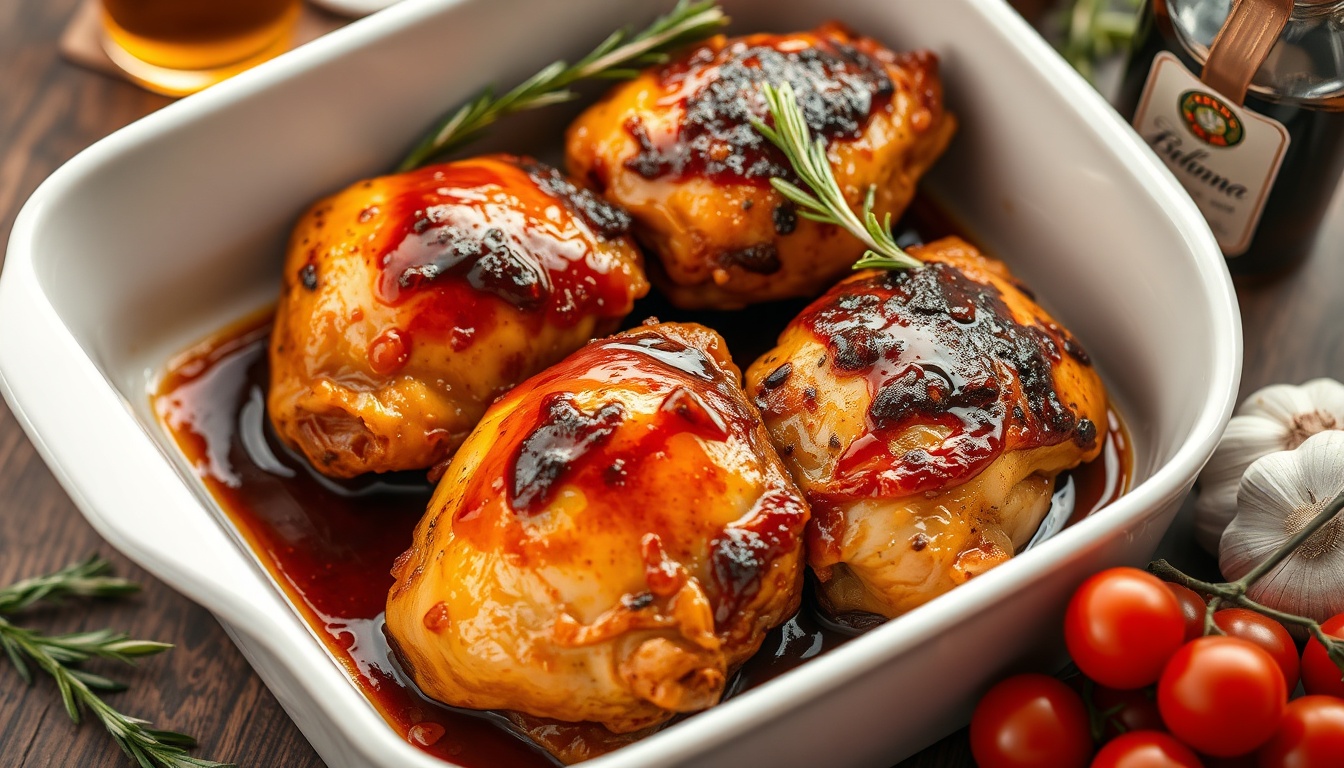
Balsamic vinegar's acidity — from acetic and tartaric acids — cuts through the richness of chicken thigh fat. Honey provides fructose that caramelizes at lower temperatures than table sugar, creating that sticky, lacquered glaze without burning. The Maillard reaction between honey's amino acids and the vinegar's sugars produces complex savory-sweet flavors you cannot get with either ingredient alone.
Chicken thighs are the ideal protein here. Their higher fat content (compared to breasts) keeps the meat juicy during the high-heat cooking that the glaze demands. The skin acts as a barrier, crisping up while the meat underneath stays tender. Boneless skinless breasts can work, but they dry out more easily and miss the textural contrast of crispy skin against sticky sauce.
Choosing the Right Honey
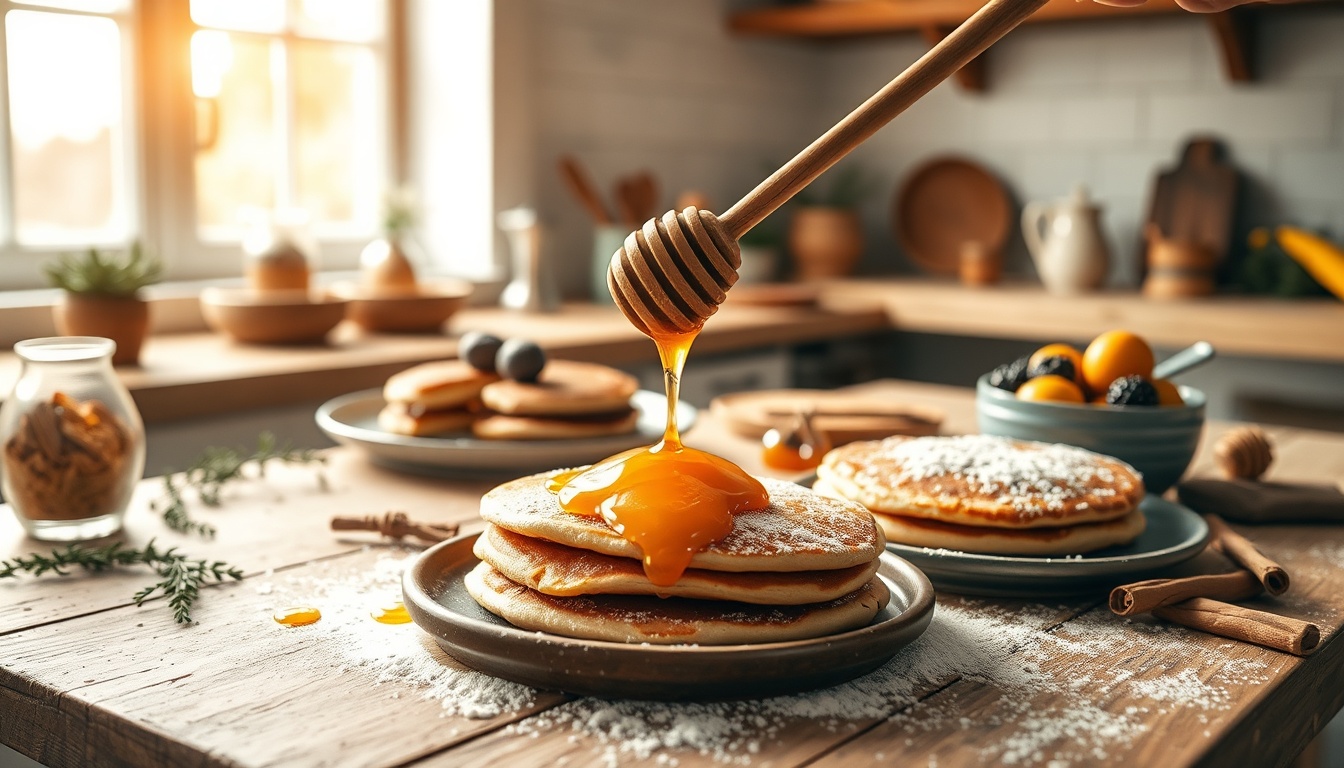
The honey variety affects the final flavor profile since you are using a generous 1/3 cup.
- Wildflower honey — the best all-around choice. Its complex, multi-floral sweetness complements the tang of balsamic without overpowering it. Our top recommendation is Texas wildflower honey for its balanced floral complexity that creates depth without overwhelming the vinegar's brightness
- Clover honey — mild and clean, letting the balsamic vinegar be the dominant flavor. The most affordable option for weeknight cooking. Pure clover honey provides consistent sweetness that lets the balsamic acid balance shine through
- Orange blossom honey — adds a subtle citrus note that pairs beautifully with the vinegar. Excellent if you are serving this with roasted vegetables. Florida orange blossom honey offers the most pronounced citrus character that enhances the glaze's complexity
- Buckwheat honey — bold, malty, and intense. Creates a deeper, almost barbecue-like glaze. Best for people who like robust, savory-forward flavors. New York buckwheat honey has the molasses-like depth that transforms this into a restaurant-quality balsamic reduction
- Avoid manuka honey here — its strong, earthy flavor clashes with balsamic, and its price makes it impractical for cooking
Get the Honey Buyer's Cheat Sheet (free PDF)
16 varieties on one page — color, flavor, best use and what a fair price looks like — from the 304 honeys we track.
Tips for the Perfect Glaze
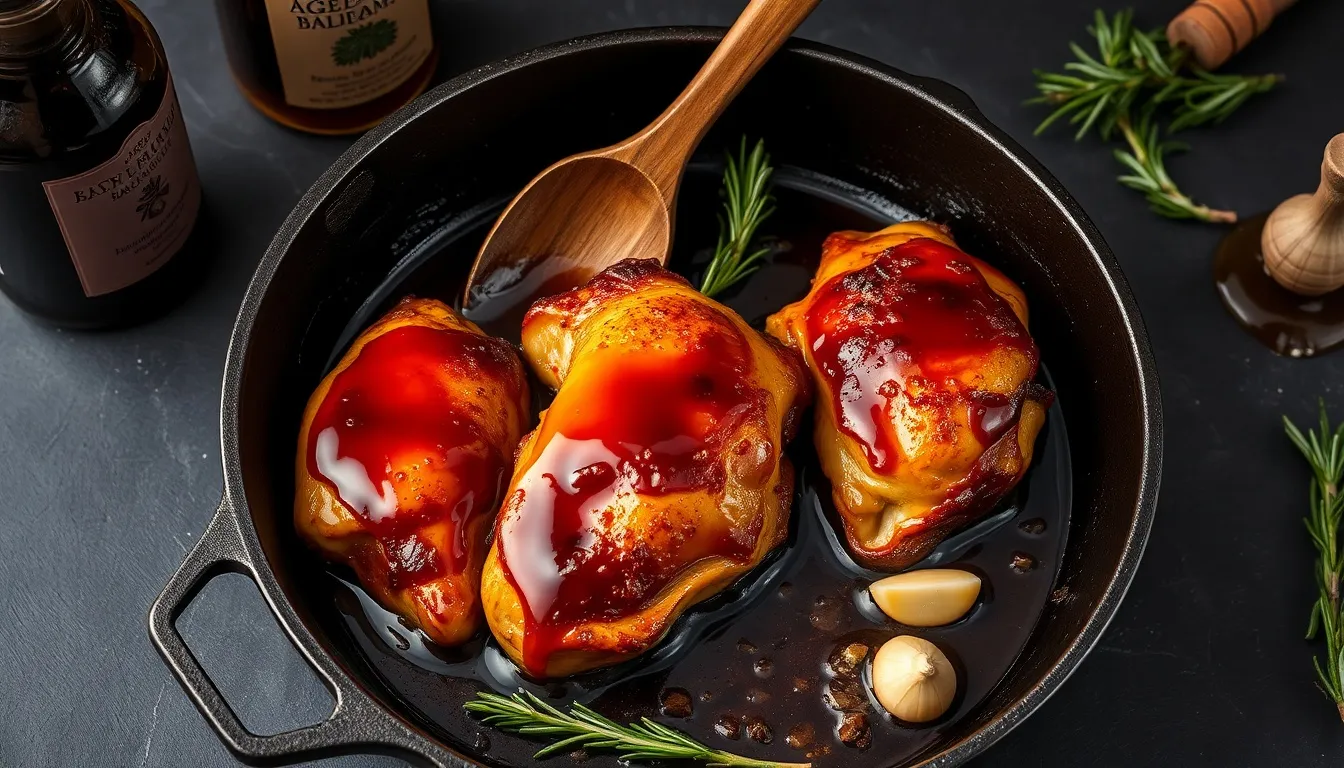
The glaze is where this recipe succeeds or fails. A few technique points make the difference between a restaurant-worthy sticky coating and a thin, watery sauce.
- Use real balsamic vinegar, not balsamic glaze or reduction — the glaze version is already sweet and will make the sauce cloyingly sugary with the honey added. Standard balsamic vinegar from the grocery store is what you want
- Do not pour the sauce over the crispy skin — pour it around the chicken so it pools in the pan. The skin stays crispy on top while the sauce reduces underneath. This gives you both textures: crunchy skin and sticky glaze
- The sauce will look thin when you add it to the pan. This is normal. It reduces and thickens dramatically during the oven phase. Do not try to reduce it fully on the stovetop or you will end up with burnt sugar
- Let the chicken rest in the pan after cooking. As the sauce cools from boiling to warm, it thickens into a syrupy consistency that clings to the chicken. Pulling the chicken out immediately wastes half the glaze
- Deglaze with a splash of chicken broth if the glaze gets too thick — 2-3 tablespoons loosens it back to a spoonable consistency without diluting the flavor
Pro Tip
For an even thicker, more lacquered finish, brush additional honey over the chicken during the last 3 minutes of oven time.
5 Flavor Variations
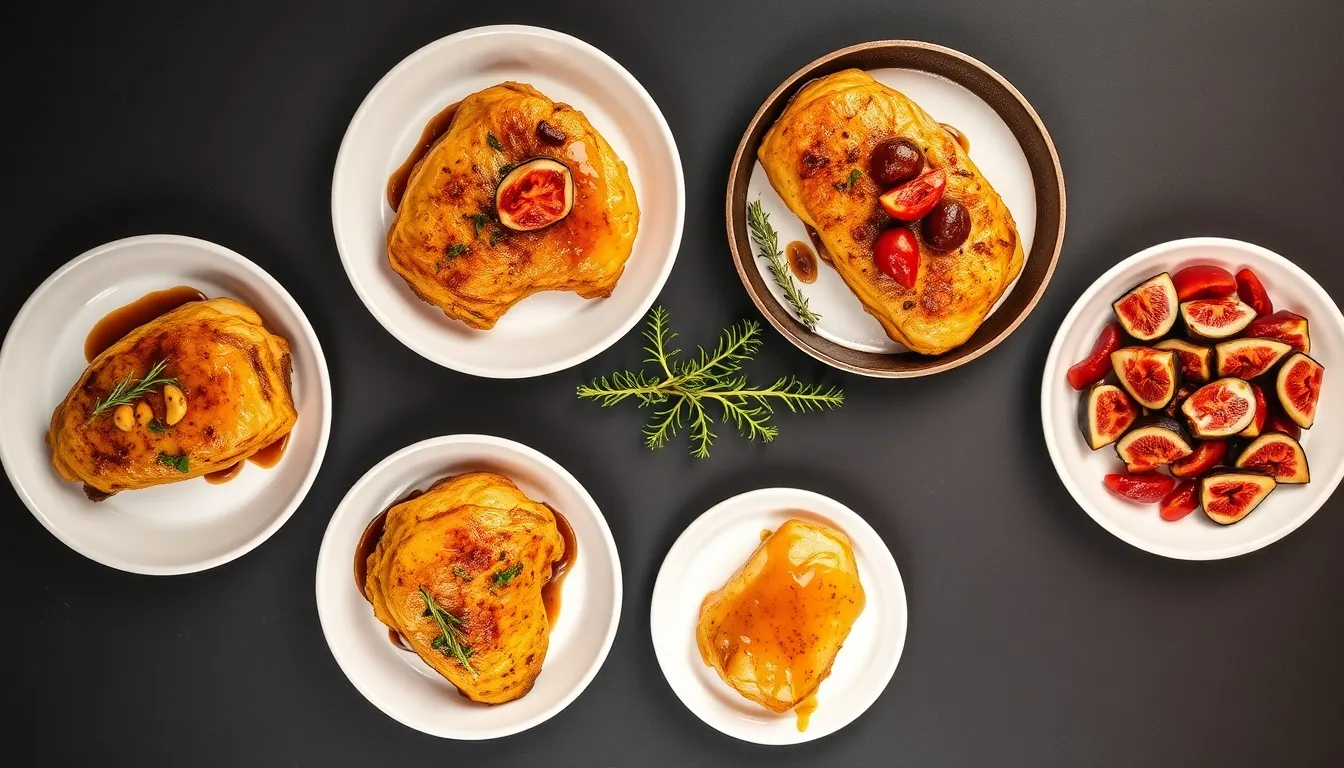
The base recipe is versatile. Each variation changes the character of the glaze while keeping the same cooking method.
- Honey balsamic with roasted garlic — roast a whole head of garlic at 400°F for 40 minutes ahead of time. Squeeze the soft cloves into the glaze instead of using raw minced garlic. The roasted garlic adds a sweet, mellow depth that makes the sauce taste slow-cooked
- Honey balsamic with sun-dried tomatoes — add 1/4 cup chopped sun-dried tomatoes to the glaze. They rehydrate in the sauce and add an umami-rich, slightly sweet bite. Excellent served over pasta to catch all the extra sauce
- Honey balsamic with fresh figs — halve 6 fresh figs and nestle them around the chicken before the oven phase. They caramelize in the honey balsamic sauce and become jammy. A stunning fall dinner when figs are in season
- Spicy honey balsamic — add 1 teaspoon red pepper flakes and 1 tablespoon hot honey to the glaze. The heat balances the sweetness and creates an addictive sweet-spicy-tangy combination
- Honey balsamic with fresh herbs — add 2 tablespoons each of chopped fresh rosemary and thyme to the sauce before the oven phase. The herbs infuse into the glaze as it reduces. Use herb-infused honey for double the herbal depth
Best Side Dishes
The rich, sweet-tangy glaze pairs best with sides that provide contrast — something starchy to soak up extra sauce and something fresh to cut the richness.
- Mashed potatoes — the classic pairing. The creamy potatoes absorb the honey balsamic sauce beautifully. Make extra sauce specifically for drizzling over the potatoes
- Honey roasted vegetables — roasted Brussels sprouts, carrots, or sweet potatoes. Their natural sweetness mirrors the glaze, creating a cohesive meal
- Simple green salad with lemon vinaigrette — the acidity and freshness of the salad provides essential contrast to the rich, sticky chicken
- Garlic bread or crusty sourdough — for soaking up every last drop of that glaze. The slightly charred bread with the caramelized sauce is irresistible
- Steamed rice or couscous — a neutral base that lets the honey balsamic flavor be the star. Fluff the rice with a fork and spoon the pan sauce directly over it
Meal Prep and Storage
This recipe scales easily for meal prep, and the honey in the glaze helps with preservation.
- Refrigerator — store chicken and sauce separately for up to 4 days. The sauce thickens when cold and loosens perfectly when reheated. Reheat chicken skin-side up under the broiler for 3-4 minutes to re-crisp the skin, then spoon warm sauce over it
- Freezer — the glazed chicken freezes well for up to 3 months. Freeze in portions with sauce spooned over the top. Thaw overnight in the refrigerator. The honey in the sauce acts as a natural preservative that helps maintain quality during freezing
- Batch cooking — double the recipe in two skillets rather than overcrowding one. Overcrowded chicken steams instead of searing, and you lose the crispy skin and caramelized glaze that make this recipe work
- Make-ahead sauce — the honey balsamic glaze can be made up to 3 days ahead and stored in the refrigerator. It actually improves with time as the flavors meld. Just whisk before using, as it may separate slightly
Common Mistakes
This is a simple recipe, but a few errors will ruin the result.
- Not drying the chicken — wet skin will never crisp. Pat each thigh thoroughly with paper towels. If you have time, season the chicken and leave it uncovered on a rack in the refrigerator for 1-2 hours before cooking. This air-dries the skin for maximum crispiness
- Moving the chicken during searing — leave it completely alone for the full 5-6 minutes. The skin needs uninterrupted contact with the hot pan to render fat and crisp. If it sticks, it is not ready to flip yet
- Using chicken breasts without adjusting — breasts cook faster and dry out in the oven. If using breasts, reduce oven time to 8-10 minutes and check temperature early. You will also miss the crispy skin element
- Reducing the sauce too far — the glaze should coat a spoon but still flow freely when hot. If it becomes tacky or dark brown, it has gone too far and will taste bitter. Add a splash of broth or water immediately if this happens
- Skipping the rest — pulling chicken straight from the oven to the plate means the juices run out immediately. The 5-minute rest in the pan lets the meat reabsorb moisture and the sauce reach its ideal consistency