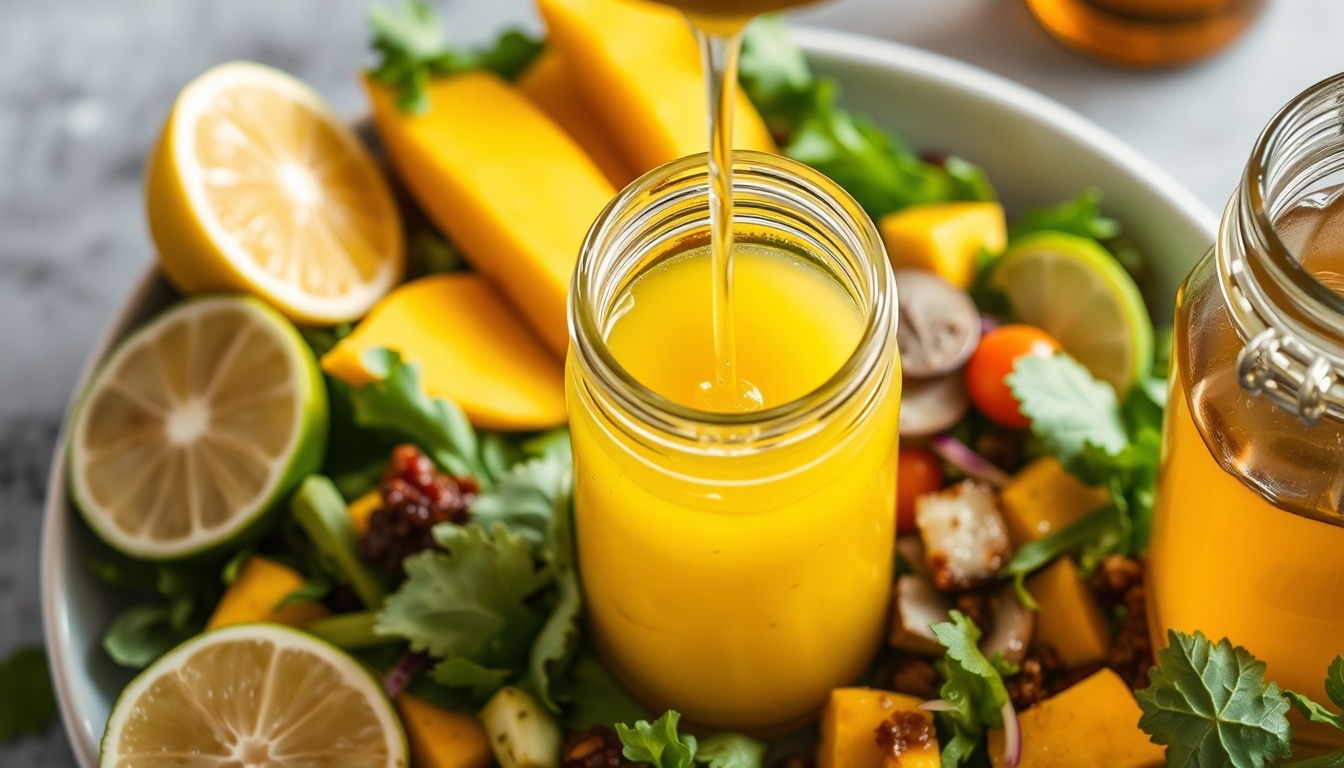
Why Honey and Lime Work Together
Honey and lime are a natural pairing because they solve each other's problems. Lime juice on its own is sharp and one-dimensional — pure acidity. Honey on its own can taste flat and cloying. Combined, the fructose in honey rounds out the lime's harsh edges while the citric acid cuts through honey's heaviness.
This dressing also works because of emulsion science. The natural sugars in honey help stabilize the oil-acid emulsion, acting alongside the Dijon mustard to keep the dressing from separating in the refrigerator. A sugar-based dressing separates faster because granulated sugar dissolves less completely than honey's liquid fructose and glucose.
The flavor is distinctly different from a honey vinaigrette or honey balsamic dressing. Those are mellow and warm. Honey lime dressing is bright, citrus-forward, and slightly tropical — closer to a Mexican or Southeast Asian flavor profile.
4 Ways to Use Honey Lime Dressing
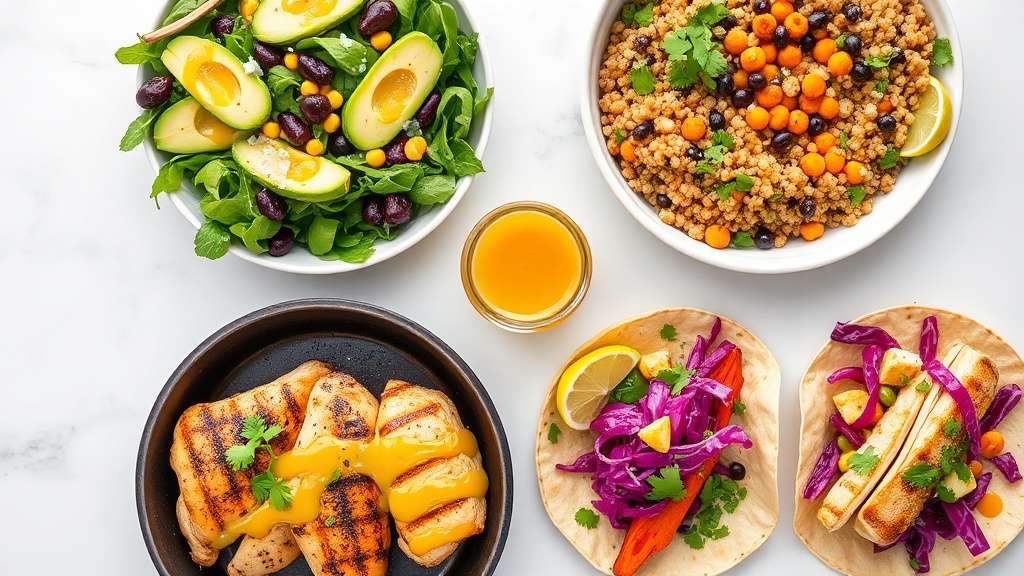
This dressing is genuinely versatile. The bright acidity and balanced sweetness work across a wider range of dishes than most single dressings.
- Green salads and slaws — toss with romaine, mixed greens, or shredded cabbage slaw. Add avocado, black beans, corn, and cotija cheese for a Southwestern salad. The lime cuts through the richness of avocado perfectly
- Grain bowls — drizzle over quinoa, farro, or rice bowls with roasted sweet potato, chickpeas, and fresh herbs. The dressing adds the acid component that grain bowls often lack, brightening the entire dish
- Grilled protein — use as a finishing drizzle on grilled chicken, shrimp, or salmon. The honey caramelizes slightly on contact with hot food, creating a sticky glaze. Also works as a quick marinade — toss chicken in the dressing for 30 minutes before grilling
- Tacos and taco bowls — drizzle over fish tacos, carnitas, or shrimp tacos instead of crema. The honey-lime combination complements cilantro, jalapeño, and pickled onion — classic taco toppings
Get the Honey Buyer's Cheat Sheet (free PDF)
16 varieties on one page — color, flavor, best use and what a fair price looks like — from the 304 honeys we track.
3 Flavor Variations
The base recipe adapts easily. Add one or two ingredients to shift the flavor profile for different cuisines.
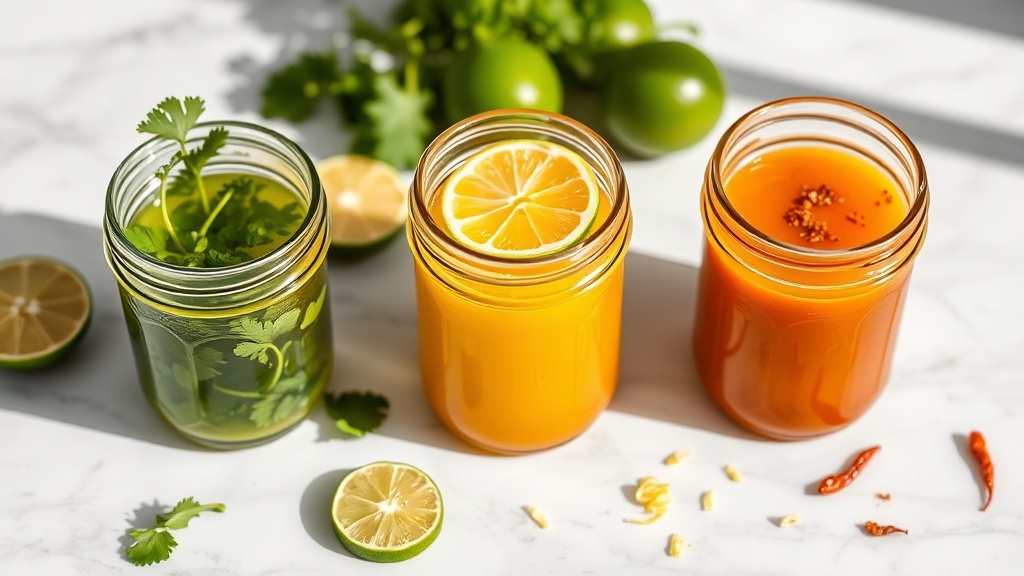
- Cilantro lime — blend 1/4 cup packed fresh cilantro leaves into the finished dressing using an immersion blender or mini food processor. Adds an herbaceous, bright-green flavor perfect for tacos, burrito bowls, and Tex-Mex salads. The most popular variation for a reason
- Chili lime — add 1/2 teaspoon chili powder and a pinch of cayenne pepper (or 1 teaspoon hot honey) to the base dressing. The heat-sweet-acid combination mimics Tajín seasoning. Excellent on fruit salads, grilled corn, and mango slaw
- Sesame ginger — replace the olive oil with toasted sesame oil (use half sesame oil, half neutral oil if the sesame flavor is too strong), and add 1 teaspoon freshly grated ginger and 1 teaspoon soy sauce. This shifts the dressing to an Asian profile for noodle salads, edamame bowls, and stir-fried vegetables
Best Honey Varieties for Lime Dressing
The honey variety matters here because the dressing is simple enough that you can taste the difference.
- Clover honey — mild and clean, lets the lime dominate. The safest choice when you want the dressing to taste like lime with subtle sweetness
- Wildflower honey — slightly more complex with floral undertones that add depth. The best all-purpose choice for this dressing
- Orange blossom honey — citrus-floral notes that amplify the lime flavor beautifully. The top recommendation if you have it, since the citrus notes in the honey and the lime reinforce each other
- Acacia honey — very light, almost transparent flavor. Use this when you want the dressing to be lime-forward with just a touch of sweetness and no competing honey flavor
Pro Tip
Avoid buckwheat honey or other dark, assertive honeys in this dressing. Their malty, molasses-like flavor clashes with the bright lime. Save dark honeys for heartier preparations like BBQ sauce or marinades.
Storage and Make-Ahead Tips
Honey lime dressing stores exceptionally well, making it ideal for weekly meal prep.
- Refrigerator — up to 2 weeks in an airtight jar. The flavors actually improve after a few hours as the lime zest oils infuse into the dressing. Shake or whisk before each use since some separation is normal
- Batch it — double or triple the recipe and keep in a mason jar. Having dressing ready makes weeknight salads effortless. Label the jar with the date
- Room temperature before serving — pull the dressing from the refrigerator 10 minutes before using. Cold dressing straight from the fridge is thicker and less flavorful. Letting it warm slightly brings back the bright lime aroma
- Do not freeze — the emulsion breaks completely when frozen and thawed. The oil separates and the texture becomes grainy. Just make a fresh batch instead
Common Mistakes
A few small errors can ruin an otherwise simple recipe. Watch for these.
- Using bottled lime juice — fresh lime juice is critical. Bottled lime juice has a flat, metallic taste from preservatives and pasteurization that no amount of honey can fix. You need about 2 large limes for 1/4 cup juice
- Adding oil too fast — dumping all the oil in at once instead of streaming it slowly prevents emulsification. You get a broken, oily dressing that separates immediately. The slow stream is what creates the creamy consistency
- Skipping the Dijon mustard — it seems optional but it is the main emulsifier. Without it, the dressing separates within minutes. Even 1/2 teaspoon makes a difference
- Not dissolving honey first — adding honey after the oil means it clumps and never fully incorporates. Always dissolve honey in the lime juice first, before adding any oil