Why Honey Makes These Noodles Better
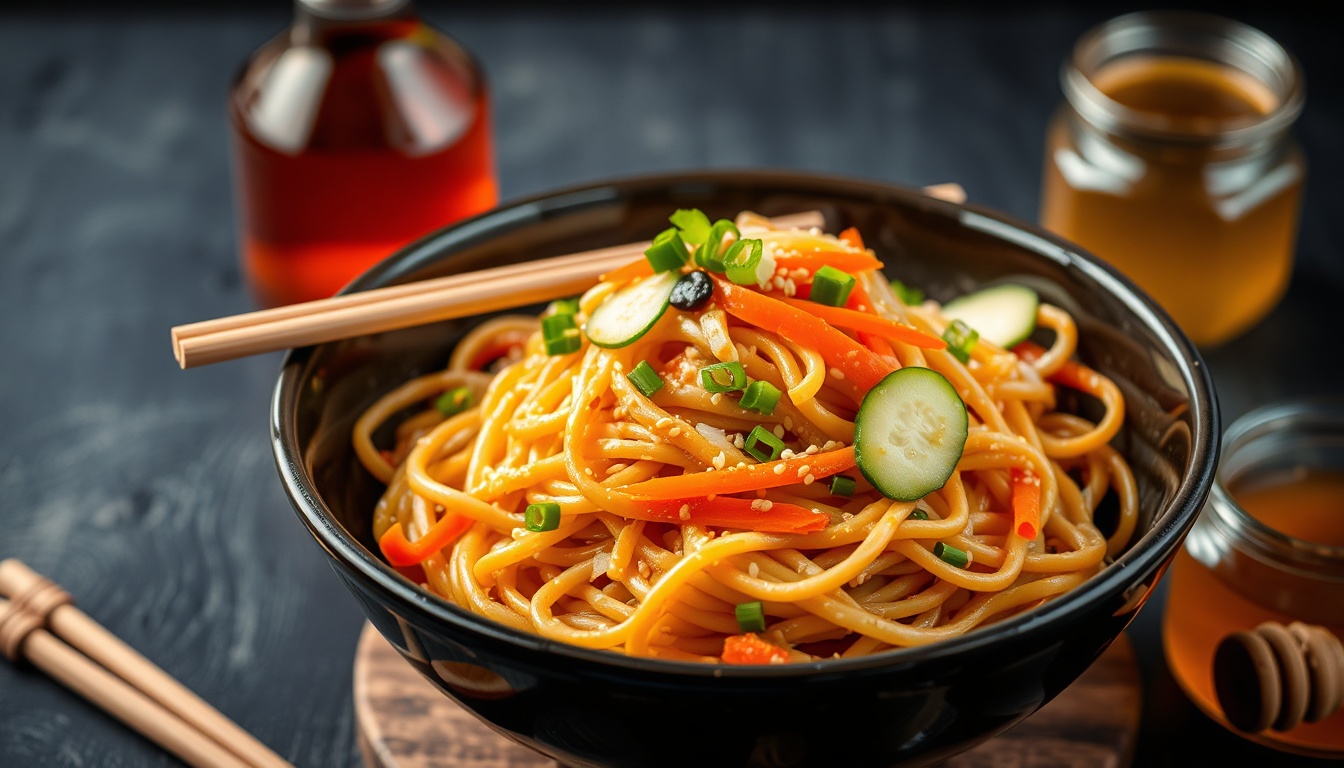
Most sesame noodle recipes call for brown sugar or maple syrup, but honey produces a distinctly better result. The key difference is viscosity — honey clings to noodles in a way that thinner sweeteners cannot, creating a glossy, lacquered coating that stays put on every strand rather than pooling at the bottom of the bowl.
Honey also caramelizes faster than sugar when it hits a hot pan. At the high heat used in stir-frying, the fructose in honey begins browning almost immediately, creating complex toasted flavors that complement the nuttiness of sesame oil. This is the same Maillard reaction that makes honey glazes so effective on proteins.
The trace minerals and enzymes in raw honey add depth that refined sugar simply lacks. You get a subtle floral or earthy note in the background depending on the variety you choose — a flavor layer that rounds out the soy-sesame-ginger profile into something more interesting than the sum of its parts.
Choosing the Right Noodle
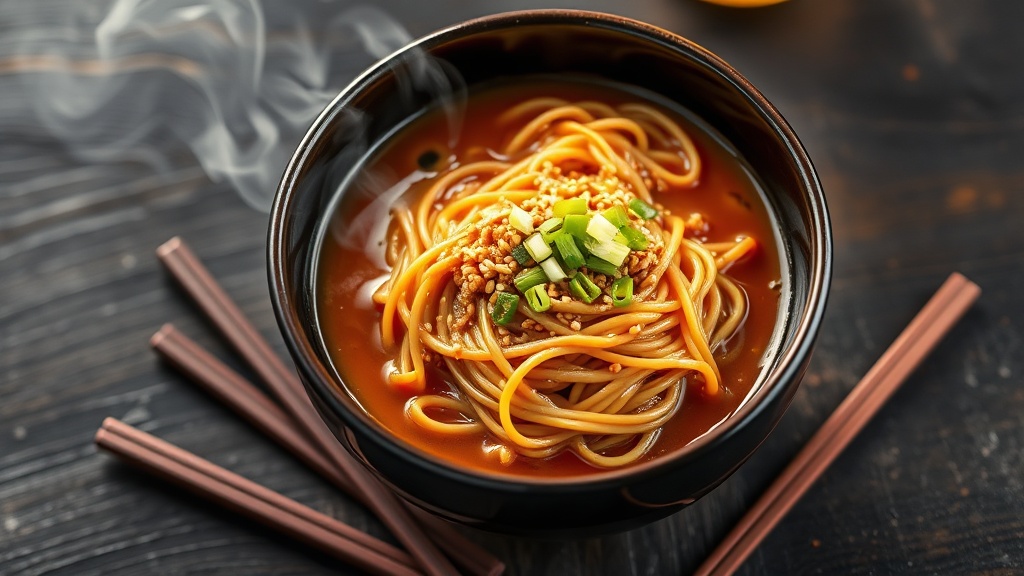
This sauce works with almost any long noodle, but each type gives a different result.
- Lo mein noodles — the classic choice. Their slightly chewy, egg-enriched texture grabs sauce beautifully. Available fresh or dried in most Asian grocery stores. Fresh lo mein cooks in 2-3 minutes and has the best texture
- Soba (buckwheat) noodles — earthy and nutty, soba doubles down on the sesame flavor. Their thinner profile means more sauce per bite. Rinse well after cooking to remove excess starch or they become gummy
- Udon — thick, slippery, and satisfying. Udon turns this into a heartier meal. Frozen udon from Asian markets has the best chew — just run under hot water to defrost, no boiling needed
- Spaghetti — an excellent substitute when Asian noodles are not available. Italian spaghetti is closer to lo mein than most people realize. Cook one minute less than the package says for the right texture
- Rice noodles — the gluten-free option. Use flat pad Thai noodles (1/4 inch wide) and soak in hot water rather than boiling. They are more delicate, so toss gently with the sauce
Pro Tip
Whatever noodle you choose, undercook it slightly. The noodles finish cooking in the sauce, and overcooked noodles turn mushy and cannot hold the glaze.
Get the Honey Buyer's Cheat Sheet (free PDF)
16 varieties on one page — color, flavor, best use and what a fair price looks like — from the 304 honeys we track.
Protein and Vegetable Add-Ins
These noodles are a complete pantry dinner on their own, but adding protein or vegetables makes them a full meal.
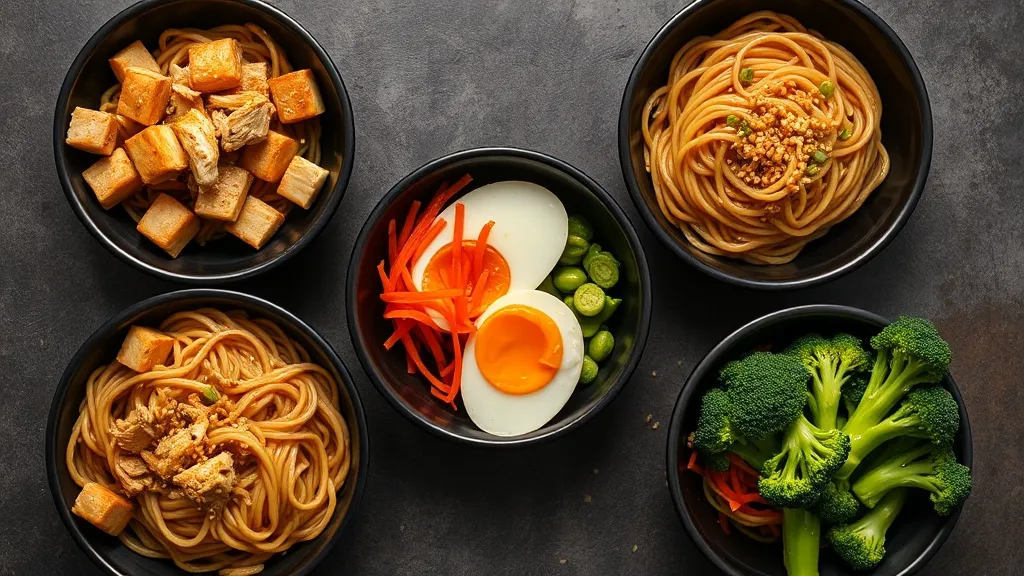
- Crispy tofu — press extra-firm tofu for 15 minutes, cube, and pan-fry until golden on all sides before tossing with the noodles. The crispy edges soak up the honey-sesame sauce
- Shredded chicken — use leftover rotisserie chicken or poach two chicken breasts. Shred and add to the noodles during the final toss. A quick way to add 25g of protein per serving
- Soft-boiled eggs — cook eggs for 6.5 minutes in boiling water, then ice bath. Halve and place on top of the noodle bowl. The runny yolk mixes into the sauce like a bonus dressing
- Edamame and shredded carrots — a five-minute prep for color and crunch. Steam the edamame, julienne the carrots, and toss both in during the final step
- Broccoli florets — blanch in the noodle water for the last 2 minutes of cooking, then drain everything together. The broccoli picks up the sauce and adds a satisfying crunch
Best Honey Varieties for Asian-Style Sauces
The honey variety matters in this recipe because the sauce is simple enough for the honey flavor to come through.
- Clover honey — mild, clean sweetness that lets the soy and sesame shine. The safest all-purpose choice for any Asian-style sauce
- Wildflower honey — adds a slightly more complex sweetness with floral undertones. A nice upgrade from clover that does not overpower the other ingredients
- Acacia honey — very light and delicate, almost transparent in flavor. Ideal when you want sweetness without any distinctive honey taste competing with the sesame
- Avoid buckwheat honey or manuka in this recipe — their strong, distinctive flavors clash with the delicate balance of soy, sesame, and ginger
Make-Ahead and Storage Tips
Honey sesame noodles are best fresh, but the sauce and components store well if you plan ahead.
- Sauce only — the honey-sesame sauce keeps for up to 2 weeks in a sealed jar in the refrigerator. Make a double batch and have noodles ready in 10 minutes on busy nights. The honey acts as a natural preservative
- Assembled noodles — refrigerate for up to 3 days. The noodles absorb sauce as they sit, so add a splash of soy sauce and sesame oil when reheating. Microwave for 2 minutes or reheat in a wok over high heat for 1 minute
- Meal prep — cook noodles and store them tossed in a teaspoon of sesame oil. Keep the sauce separate. Combine when ready to eat. This prevents the noodles from becoming soggy
- Freezing is not recommended — noodles become mushy after freezing and thawing. The sauce freezes fine on its own for up to 3 months
Pro Tip
If the noodles seem dry after refrigerating, drizzle with 1 tablespoon of warm water and toss. The honey in the sauce re-emulsifies with a small amount of heat and moisture.
Common Mistakes to Avoid
This is a forgiving recipe, but a few mistakes can take it from great to mediocre.
- Burning the garlic — garlic goes from fragrant to bitter in about 15 seconds over high heat. Keep it moving and add the sauce quickly once it smells good
- Skipping the cornstarch slurry — without it, the sauce slides off the noodles and pools at the bottom. The slurry gives the sauce body so it clings to every strand
- Adding the honey directly to a screaming hot pan — honey scorches fast. Always mix it into the sauce first, then add the combined sauce to the pan. This tempers the heat
- Overcooking the noodles — soft, overcooked noodles cannot hold the sauce and turn into a sticky lump. Al dente noodles maintain their individual texture and grab more glaze
- Not tossing enough — use tongs and toss for a full 1-2 minutes. Every strand needs to be coated. A quick stir is not enough for even distribution