Why Honey and Cinnamon Work Together for Skin
Honey and cinnamon is one of the most popular natural skincare combinations — and for good reason. Each ingredient brings distinct properties that complement the other, creating a synergy that neither achieves alone.
Honey is a natural humectant that draws moisture into the skin while providing broad-spectrum antibacterial activity. Its glucose oxidase enzyme generates low levels of hydrogen peroxide, inhibiting bacteria like Cutibacterium acnes (the primary acne-causing bacterium) without the harshness of chemical treatments. A 2014 study in the Indian Journal of Dermatology confirmed that manuka honey inhibits C. acnes growth at concentrations achievable in topical application.
Cinnamon contributes cinnamaldehyde, its primary bioactive compound, which provides potent antimicrobial and anti-inflammatory effects. A 2015 study in the Journal of Cosmetic Dermatology found that cinnamaldehyde inhibits bacterial biofilm formation — the protective shield that makes acne bacteria resistant to treatment. Cinnamon also stimulates blood circulation when applied topically, which can improve skin tone and promote healing.
Together, they attack acne from multiple angles: honey provides moisture and gentle antibacterial action, while cinnamon adds circulation-boosting and biofilm-disrupting properties. This dual mechanism is why the combination has persisted across Ayurvedic, Traditional Chinese, and folk medicine traditions for centuries.
What the Research Says About Honey and Cinnamon for Skin
While no large-scale clinical trial has tested honey-cinnamon masks specifically, the individual ingredients have substantial evidence supporting their dermatological use.
For honey, the strongest evidence comes from wound healing and skin repair. The 2015 Cochrane systematic review analyzing 26 RCTs with 3,011 participants found that honey accelerates healing significantly compared to conventional treatments. For acne specifically, a 2012 study in the Asian Pacific Journal of Tropical Biomedicine demonstrated honey's effectiveness against multiple skin pathogens including C. acnes, Staphylococcus aureus, and Streptococcus pyogenes.
For cinnamon, a 2019 study in Phytotherapy Research reviewed cinnamaldehyde's anti-inflammatory mechanisms, finding it suppresses NF-κB and COX-2 pathways — the same inflammatory cascades involved in acne lesion formation. A 2017 study in the Journal of Cosmetic Science found that cinnamon bark extract reduced sebum production in vitro by 30-40%, addressing one of acne's root causes.
The combination also shows promise for hyperpigmentation. Honey contains gluconic acid (a gentle alpha hydroxy acid) that promotes cell turnover, while cinnamon's circulation-boosting effects help deliver nutrients to healing skin. A 2020 study in the Journal of Drugs in Dermatology found that natural AHAs like those in honey can improve skin tone with fewer side effects than synthetic alternatives.
Pro Tip
Always do a patch test before applying any honey-cinnamon mask. Apply a small amount to your inner forearm, wait 15-20 minutes, and check for redness, burning, or irritation. Cinnamon can cause contact dermatitis in sensitive individuals.
Get the Honey Buyer's Cheat Sheet (free PDF)
16 varieties on one page — color, flavor, best use and what a fair price looks like — from the 268 honeys we track.
Which Honey and Cinnamon to Use
Not all honey and cinnamon are created equal for skincare. Your choices significantly affect the mask's effectiveness.
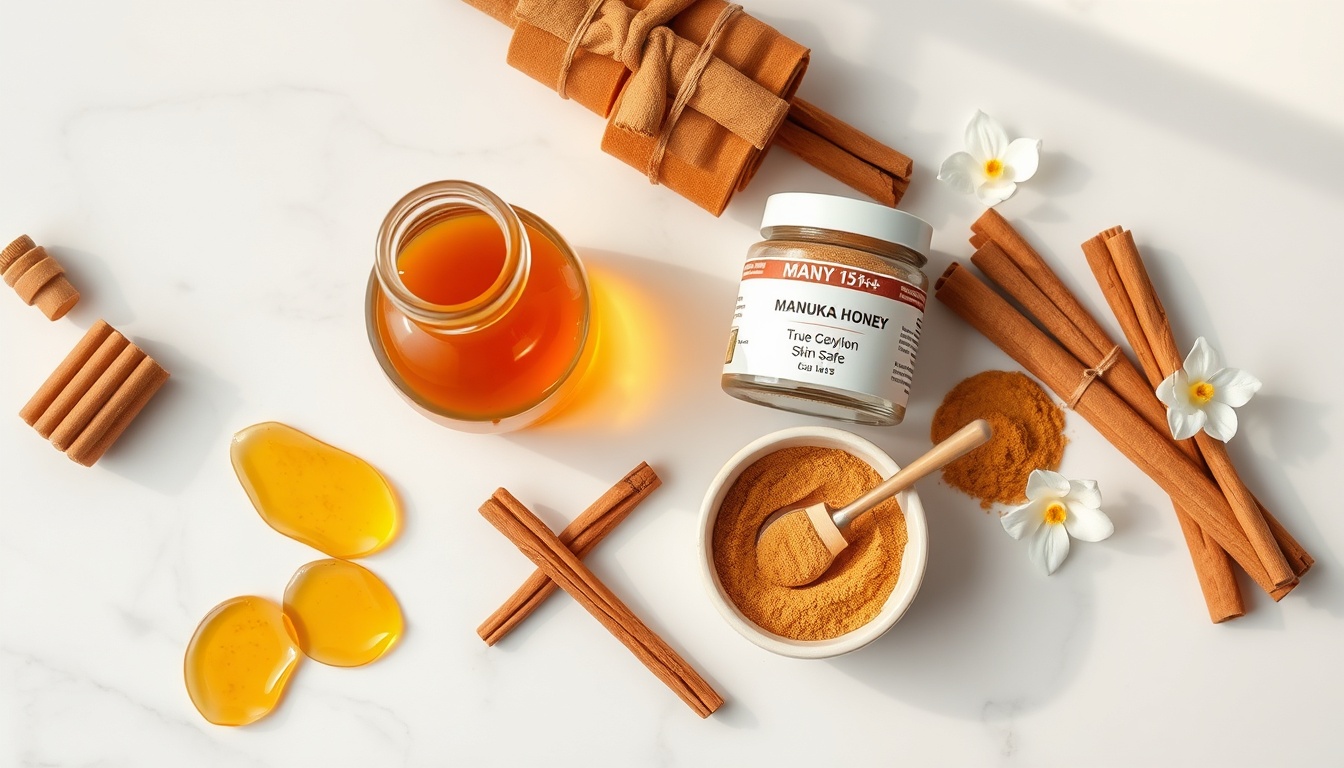
- **Best honey types:** Manuka honey (UMF 10+, $35-60+) is ideal for acne-prone skin due to its superior antibacterial methylglyoxal content. Buckwheat honey ($15-25) offers ORAC 16,000+ antioxidants — 3-9x more than lighter honeys — making it excellent for anti-aging masks. For sensitive skin, acacia honey ($12-20) or lavender honey ($15-25) are gentler options with anti-inflammatory linalool compounds. For everyday masks on a budget, wildflower honey ($10-18) or clover honey ($8-15) provide solid antibacterial activity at accessible prices.
- **Ceylon vs Cassia cinnamon:** Ceylon cinnamon (Cinnamomum verum) is strongly preferred for face masks. It contains 0.004% coumarin versus Cassia cinnamon's 1% — a 250x difference. While coumarin is primarily a concern when ingested, Ceylon is also gentler on skin. Look for "Ceylon," "true cinnamon," or "Sri Lankan cinnamon" on labels. Cassia (the common grocery store variety) is more likely to cause skin irritation.
- **Cinnamon form:** Use finely ground powder, not cinnamon essential oil. Essential oil is highly concentrated and can cause chemical burns on facial skin. If you only have cinnamon sticks, grind them into a fine powder using a spice grinder.
- **Honey quality:** Always use raw, unprocessed honey. Pasteurized honey has lost most of its glucose oxidase enzyme activity and beneficial compounds. The honey should be thick and opaque, not thin and clear. Clover honey ($8-15) and wildflower honey ($10-18) are reliable raw options available at most farmers markets and local honey sources.
Mask 1: Classic Acne-Fighting Honey Cinnamon Mask
This foundational recipe targets active breakouts with the combined antibacterial power of honey and cinnamon.
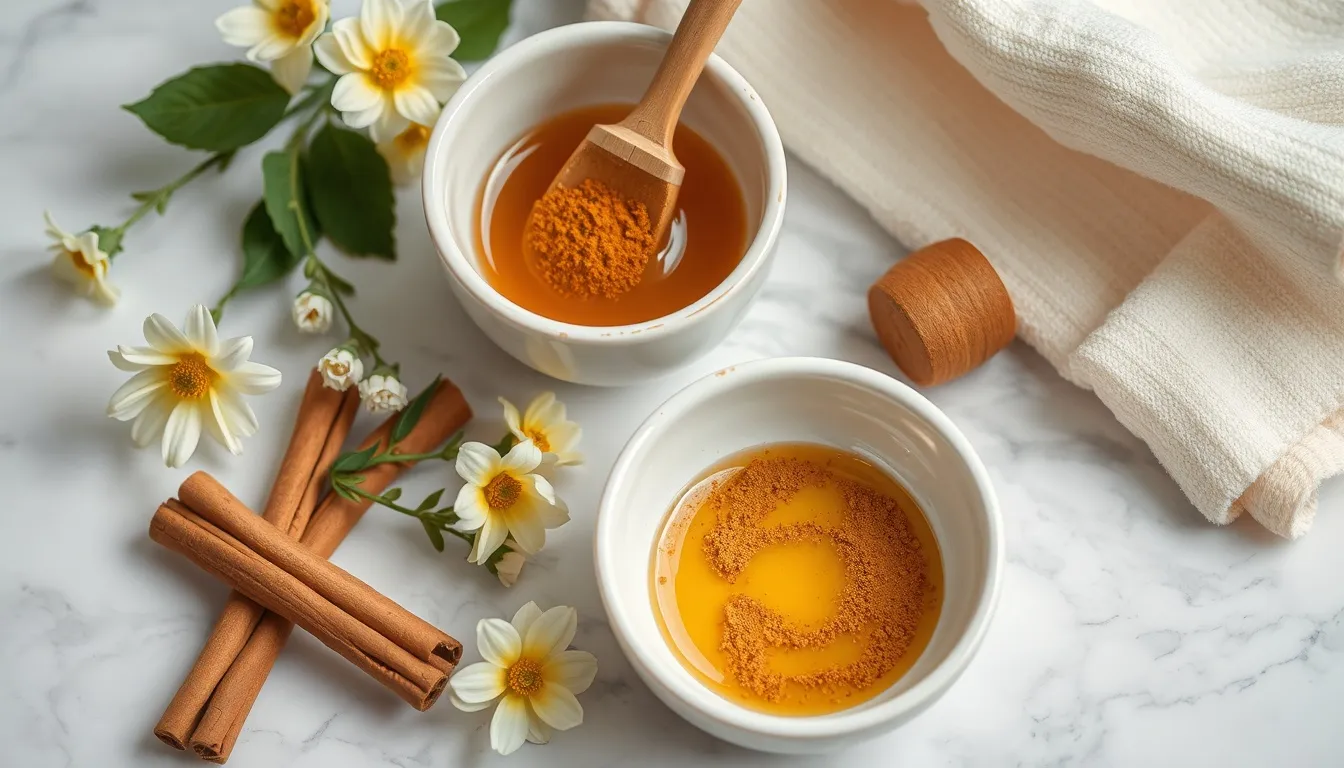
**Ingredients:** 2 tablespoons raw honey (manuka UMF 10+ preferred, or buckwheat honey for antioxidant support), 1/2 teaspoon Ceylon cinnamon powder.
**Instructions:** Mix honey and cinnamon in a small bowl until evenly combined. Apply a thin, even layer to clean, dry skin, avoiding the eye area and any broken or actively bleeding skin. Leave on for 15-20 minutes. Rinse with lukewarm water using gentle circular motions. Pat dry and follow with your regular moisturizer.
**How it works:** The honey provides sustained antibacterial activity against C. acnes while maintaining skin hydration. The cinnamon's cinnamaldehyde disrupts bacterial biofilms and stimulates local blood circulation, helping bring immune cells to infection sites. Together, they reduce both the bacterial load and the inflammatory response that causes redness and swelling.
**Best for:** Active acne, hormonal breakouts, oily skin. Many start with a couple of times a week and adjust based on how their skin responds.
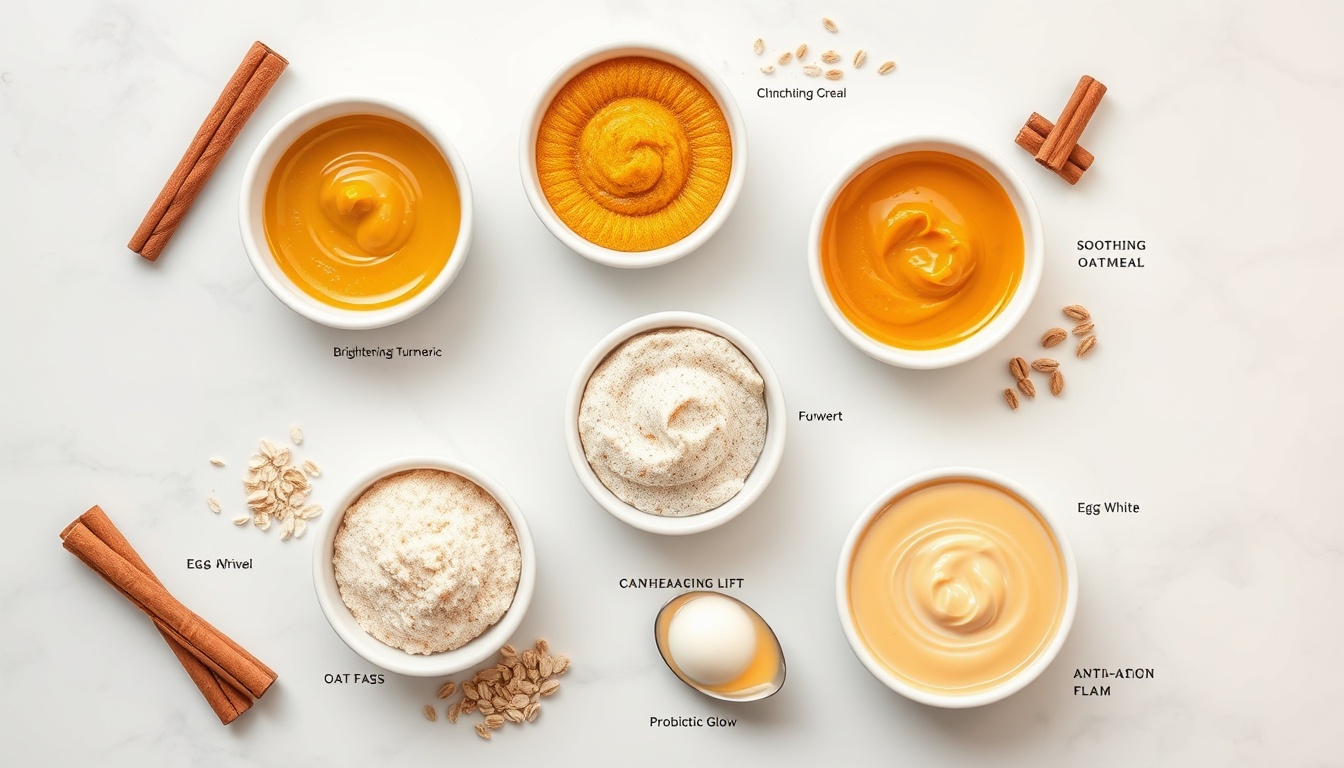
Mask 2: Brightening Honey Cinnamon Turmeric Mask
This mask adds turmeric for its curcumin content, targeting post-inflammatory hyperpigmentation and dull skin.
**Ingredients:** 2 tablespoons raw honey, 1/2 teaspoon Ceylon cinnamon, 1/4 teaspoon turmeric powder.
**Instructions:** Combine all ingredients thoroughly. Turmeric stains easily, so apply with a brush or wear gloves. Apply evenly to clean skin, focusing on areas with dark spots or uneven tone. Leave on for 10-15 minutes (less than the classic mask because turmeric can stain with longer contact). Rinse thoroughly with lukewarm water.
**How it works:** Curcumin inhibits tyrosinase, the enzyme that drives melanin overproduction in dark spots. The honey's gluconic acid provides gentle exfoliation to remove pigmented surface cells. Cinnamon's circulation boost helps deliver fresh nutrients for skin renewal. A 2016 study in the Journal of Medicinal Food found curcumin reduced melanin synthesis by 25-40% in melanocyte cultures.
**Best for:** Post-acne marks, sun spots, uneven skin tone, dull complexion. Many start with once or twice a week. Note: turmeric may temporarily tint fair skin yellow — this washes off within a few hours.
Pro Tip
If turmeric staining concerns you, mix a small amount of plain yogurt into the mask. The lactic acid in yogurt helps prevent staining while adding its own gentle exfoliating benefits.
Mask 3: Soothing Oatmeal Honey Cinnamon Mask
This gentle mask combines oatmeal's calming avenanthramides with honey and cinnamon for sensitive or irritated skin that still needs antibacterial support.
**Ingredients:** 2 tablespoons raw honey, 1/4 teaspoon Ceylon cinnamon (reduced amount for sensitivity), 1 tablespoon finely ground colloidal oatmeal.
**Instructions:** Mix oatmeal and cinnamon first, then fold in honey to create a thick paste. If too thick, add 1 teaspoon warm water. Apply gently to clean skin — do not rub, as oatmeal particles can micro-scratch if pressed. Leave on for 15-20 minutes. Rinse with cool to lukewarm water, using the mask's texture for very gentle exfoliation as you remove it.
**How it works:** Colloidal oatmeal contains avenanthramides — compounds found to reduce histamine-driven itching, redness, and inflammation — a 2015 study in the Journal of Drugs in Dermatology confirmed oatmeal's anti-inflammatory effects are comparable to low-potency hydrocortisone for mild skin irritation. The honey maintains moisture and antibacterial protection while the reduced cinnamon provides mild circulation benefits without overwhelming sensitive skin.
**Best for:** Sensitive skin with mild acne, rosacea-adjacent inflammation (not active rosacea flares), post-shaving irritation, seasonal dryness with breakouts. Many start with once or twice a week and adjust based on sensitivity.
Mask 4: Anti-Aging Honey Cinnamon Egg White Mask
This mask leverages egg white's tightening albumin proteins alongside honey and cinnamon for a firming, pore-minimizing treatment.
**Ingredients:** 1 tablespoon raw honey, 1/4 teaspoon Ceylon cinnamon, 1 egg white (whisked until slightly frothy).
**Instructions:** Whisk the egg white until it forms soft peaks. Gently fold in honey and cinnamon — do not over-mix or you'll deflate the egg white. Apply in thin layers, allowing each layer to dry slightly before adding the next (2-3 layers total). Leave on for 15-20 minutes until the mask feels tight. Rinse with lukewarm water, massaging gently to dissolve.
**How it works:** Egg white albumin creates a temporary tightening effect as it dries, physically pulling pores tighter and smoothing fine lines. The protein forms a film that, when combined with honey's humectant properties, delivers hydration under gentle compression. Cinnamon's blood flow stimulation supports collagen synthesis by increasing nutrient delivery to the dermal layer. Honey's antioxidant polyphenols — including chrysin and pinocembrin — help neutralize the free radicals that accelerate collagen breakdown.
**Best for:** Mature skin, enlarged pores, fine lines, loss of firmness. Use 1-2 times per week. Not recommended for those with egg allergies.
Mask 5: Yogurt Honey Cinnamon Glow Mask
This mask combines yogurt's probiotic lactic acid with honey and cinnamon for a brightening, exfoliating treatment that leaves skin glowing.
**Ingredients:** 1 tablespoon raw honey, 1/4 teaspoon Ceylon cinnamon, 1 tablespoon plain Greek yogurt (full fat, no added sugar).
**Instructions:** Mix all ingredients until smooth and creamy. Apply a generous layer to clean skin. Leave on for 15-20 minutes. The yogurt will keep the mask moist, so don't worry if it doesn't dry fully. Rinse with lukewarm water and pat dry.
**How it works:** Greek yogurt contains lactic acid, a gentle AHA that dissolves the bonds between dead skin cells for chemical exfoliation. Combined with honey's own gluconic acid, this provides dual-AHA exfoliation at concentrations gentle enough for regular use. The yogurt's probiotics (Lactobacillus strains) may also support the skin microbiome — a 2019 study in Frontiers in Microbiology found topical probiotics reduced inflammatory acne lesions by 40% over 8 weeks. Cinnamon rounds out the formula with its circulation and antimicrobial effects.
**Best for:** Dull skin, rough texture, mild hyperpigmentation, combination skin. Use 2-3 times per week. The lactic acid makes this mask mildly exfoliating, so apply sunscreen the morning after use.
How to Get the Best Results
The effectiveness of honey-cinnamon masks depends heavily on proper technique and realistic expectations.
- **Prep your skin properly.** Always start with a clean face — wash with a gentle cleanser and pat dry. For deeper penetration, apply the mask after a warm (not hot) shower when pores are naturally open.
- **Be consistent.** Most natural skincare requires 4-6 weeks of regular use before visible improvement. Don't expect overnight results and don't increase frequency beyond 3x/week to try to speed things up.
- **Layer with your routine.** These masks work well as an addition to — not a replacement for — your existing skincare. Apply after cleansing but before serums, treatments, and moisturizer.
- **Store properly.** Mix masks fresh each time for best results. Pre-mixed masks can be refrigerated for up to 3 days in a sealed container, but enzyme activity decreases over time.
- **Monitor your skin.** If you experience persistent redness, burning that doesn't subside within 5 minutes of application, or worsening breakouts after 2 weeks of use, discontinue and consult a dermatologist.
- **Sun protection is essential.** Honey's gluconic acid and cinnamon's circulation effects can increase photosensitivity. Always apply SPF 30+ sunscreen the morning after using these masks.
When Honey and Cinnamon Masks Are Not Enough
While honey-cinnamon masks are a helpful addition to skincare routines, they have clear limitations that are important to understand.
For moderate to severe acne, professional treatment is more effective. Benzoyl peroxide (2.5-10%) kills C. acnes more aggressively than honey. Retinoids (tretinoin, adapalene) accelerate cell turnover far beyond what natural AHAs achieve. Prescription antibiotics (topical clindamycin, oral doxycycline) target deep cystic acne that topical masks cannot reach. Honey-cinnamon masks work best as a gentle supplement alongside these treatments, or as maintenance for mild acne.
For significant hyperpigmentation, professional options like vitamin C serums (10-20% L-ascorbic acid), prescription hydroquinone (2-4%), or in-office chemical peels produce faster, more dramatic results. Honey's tyrosinase inhibition is mild compared to these targeted treatments.
For anti-aging, retinoids remain the gold standard with decades of clinical evidence showing measurable collagen regeneration. Honey-cinnamon masks provide antioxidant protection and hydration but cannot reverse established wrinkles.
The best approach is often combination: use honey-cinnamon masks for gentle maintenance and hydration while relying on evidence-based treatments for specific concerns. Many dermatologists support this integrated approach because honey's anti-inflammatory properties can actually reduce irritation from stronger treatments like retinoids.
Safety Precautions
Honey-cinnamon masks are generally safe, but several precautions are important.
- **Cinnamon sensitivity:** Cinnamaldehyde is a known contact allergen. The European Scientific Committee on Consumer Safety identifies it as one of the 26 fragrance allergens requiring labeling. Always patch test, even if you've consumed cinnamon without issues — skin contact and ingestion involve different immune pathways.
- **Broken skin:** Never apply cinnamon to broken, actively inflamed, or bleeding skin. The cinnamaldehyde can cause significant burning and irritation on compromised skin barriers. Honey alone is suitable for wound care, but add cinnamon only to intact skin.
- **Eye area:** Keep masks at least 1 cm away from the eyes. Both honey and cinnamon can cause significant eye irritation if they migrate during wear.
- **Allergies:** Those with bee or pollen allergies should exercise caution with honey-based masks. Those with Balsam of Peru allergy (common in eczema patients) often cross-react with cinnamaldehyde.
- **Frequency:** More is not better. Using honey-cinnamon masks daily can disrupt the skin's acid mantle and microbiome. Stick to 2-3 times per week maximum.
- **Children:** Do not use cinnamon face masks on children under 12, as their skin is thinner and more reactive to cinnamaldehyde.