Why Honey and Egg Is One of the Most Popular DIY Beauty Combinations
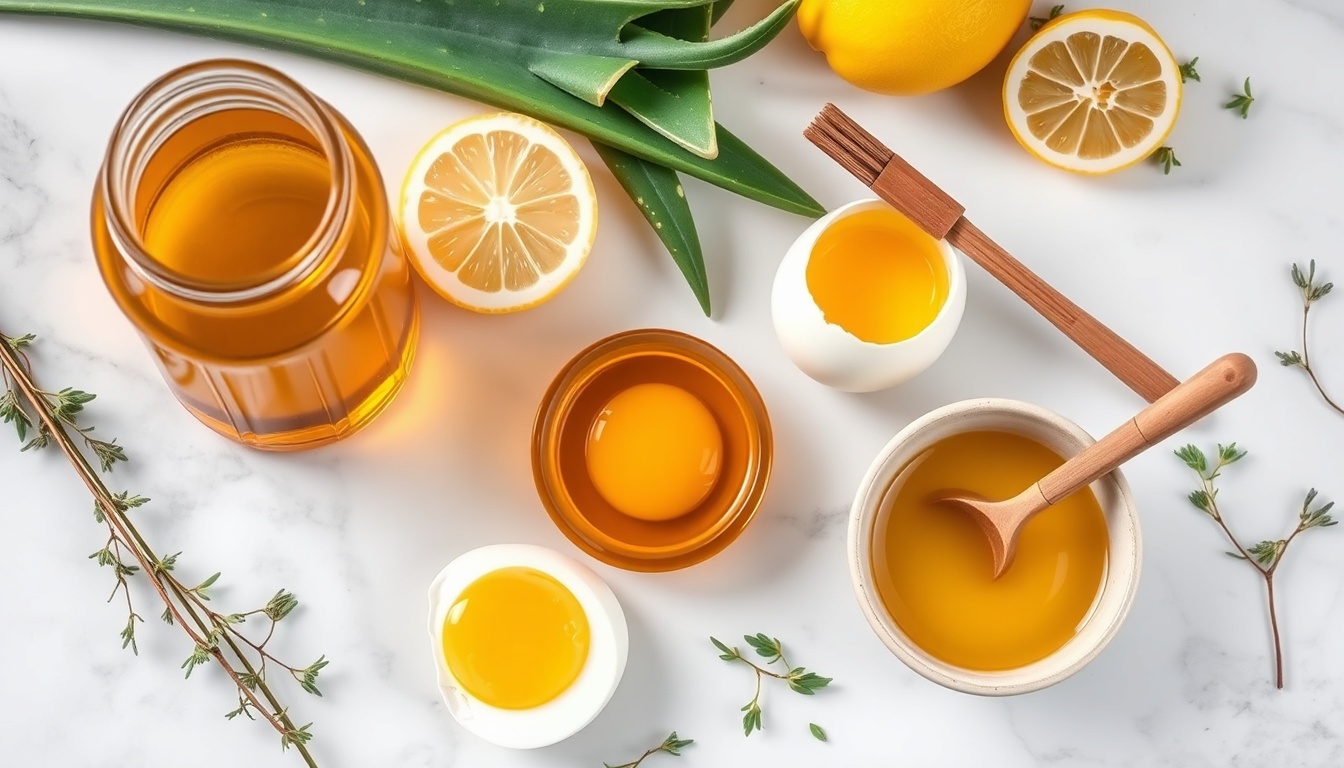
The honey-and-egg combination has been used in traditional beauty remedies across cultures for centuries — and for good reason. These two ingredients address different but complementary skin and hair needs, creating a combination that's genuinely more effective than either ingredient alone.
Honey brings humectant moisture, antibacterial protection, and anti-inflammatory polyphenols. Eggs bring complete protein with all essential amino acids, lecithin phospholipids for barrier repair, biotin for keratin support, and retinol for cell turnover. Together, they cover moisture, structure, and active treatment — the three pillars of effective topical care.
This guide covers the science behind the combination, which egg component to use for your specific concern, and recipes that actually work.
The Science: What Each Ingredient Contributes
Understanding the biochemistry explains why these ingredients complement each other so well.
- Honey's role — Humectant: draws moisture from the air into skin/hair. Antibacterial: hydrogen peroxide generation + polyphenols effective against C. acnes and other skin pathogens. Anti-inflammatory: chrysin, pinocembrin, and caffeic acid inhibit the NF-κB pathway, reducing redness and irritation. Mild AHA exfoliation: gluconic acid gently dissolves dead skin cells. Antioxidant protection: 30+ polyphenols neutralize free radicals that cause premature aging.
- Egg white's role — Albumin protein: forms a tightening film on skin that temporarily reduces pore appearance and firms sagging. Lysozyme: a natural antibacterial enzyme that targets gram-positive bacteria. Ovotransferrin: binds iron, which bacteria need to grow, providing additional antibacterial action. Low fat content: makes egg white ideal for oily and acne-prone skin types.
- Egg yolk's role — Lecithin phospholipids: repair and strengthen the skin's lipid barrier. Retinol (vitamin A): promotes cell turnover and collagen production — the same mechanism as retinoid skincare products, though at much lower concentration. Biotin (vitamin B7): supports keratin infrastructure in both skin and hair. Fatty acids: oleic and palmitic acids deeply nourish dry skin and damaged hair. Cholesterol: a key component of the skin barrier that reinforces moisture retention.
- Synergy effect — Honey's water-attracting humectant properties are complemented by egg's lipid barrier repair. Honey pulls moisture in; egg components help lock it in. This dual mechanism is more effective than either ingredient alone for sustained hydration.
Get the Honey Buyer's Cheat Sheet (free PDF)
16 varieties on one page — color, flavor, best use and what a fair price looks like — from the 268 honeys we track.
Egg White vs. Egg Yolk vs. Whole Egg: Which to Use
The single most important choice in any honey-egg recipe is which part of the egg to use. Getting this wrong can make the treatment counterproductive.
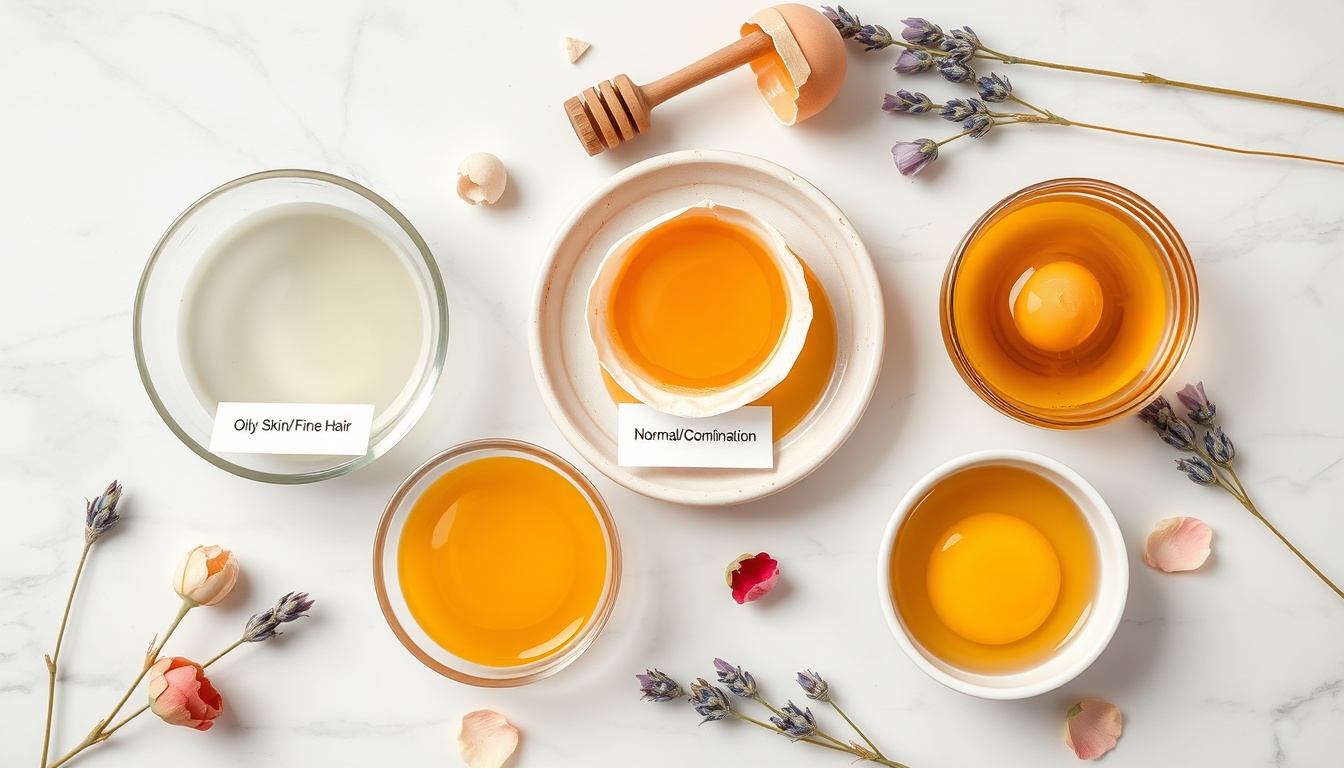
- Use EGG WHITE + honey for: oily skin, acne-prone skin, large pores, skin tightening, fine hair that needs volume. Egg white is fat-free and protein-rich, making it ideal for mattifying and firming without adding excess oil.
- Use EGG YOLK + honey for: dry skin, mature/aging skin, dry or damaged hair, deep conditioning, frizzy or coarse hair. Yolk's rich fat content (including lecithin, cholesterol, and fatty acids) provides intense nourishment that dry skin and hair need.
- Use WHOLE EGG + honey for: normal/combination skin, general hair conditioning, balanced treatment when you're not targeting a specific concern. The whole egg provides moderate benefits from both components.
Pro Tip
The most common mistake in honey-egg DIY treatments is using whole egg on oily skin (too rich) or egg white on very dry skin (not moisturizing enough). Match the egg component to your skin or hair type for best results.
Honey and Egg for Skin: Benefits and Evidence
The combination targets multiple skin concerns simultaneously through complementary mechanisms.
- Deep hydration and barrier repair — Honey's humectant action draws moisture into the epidermis while egg yolk's lecithin and cholesterol repair the lipid matrix of the stratum corneum. A 2012 study in the Journal of Cosmetic Dermatology confirmed that honey's moisturizing capacity is comparable to medical-grade emollients. The addition of egg yolk lipids extends moisture retention by sealing the barrier.
- Anti-aging and firming — Egg white albumin creates a temporary tightening effect (the "face lift" feeling), while honey's antioxidant polyphenols protect against the free radical damage that accelerates collagen breakdown. Egg yolk's retinol — the same vitamin A derivative used in prescription anti-aging treatments — promotes cell turnover at much milder concentrations.
- Acne and oil control — Egg white + honey targets acne through dual antibacterial pathways: honey's H₂O₂ generation and polyphenols plus egg white's lysozyme and ovotransferrin. The albumin's mattifying effect reduces surface oiliness. A 2014 study in the International Journal of Dermatology demonstrated manuka honey's efficacy against C. acnes.
- Gentle exfoliation — Honey's gluconic acid provides mild AHA exfoliation, removing dead cells that cause dullness. The protein matrix from egg helps the exfoliation process by lifting away loosened cells during rinse-off. This is gentler than chemical exfoliants but effective for regular use.
- Hyperpigmentation — Egg white contains small amounts of azurocidin, which has been studied for melanin-inhibiting effects, while honey provides mild tyrosinase inhibition. Together, they may offer gradual brightening for post-inflammatory hyperpigmentation, though expectations should be modest compared to vitamin C or niacinamide.
Honey and Egg for Hair: Benefits and Evidence
This combination addresses the most common hair complaints — dryness, damage, frizz, and breakage — through protein repair and moisture infusion.
- Protein repair for damaged hair — Hair is 85-90% keratin protein. Chemical processing (coloring, perming, relaxing), heat styling, and UV exposure break disulfide bonds in the keratin structure, creating weak spots that lead to breakage. Egg protein — particularly the hydrolyzed form created when mixed with honey's slightly acidic pH — can temporarily patch these damaged areas, increasing tensile strength. Honey for hair covers the supporting evidence.
- Deep conditioning — Egg yolk's unique lipid profile (lecithin + cholesterol + fatty acids) penetrates the hair cuticle more effectively than most conditioner ingredients. A 2006 study in the Journal of Cosmetic Science found that lipid treatments improved hair elasticity and reduced breakage. Honey's humectant properties add hydration to the interior cortex, where proteins and lipids interact.
- Scalp health — Honey's antibacterial and anti-inflammatory properties address scalp conditions that affect hair quality. A 2001 study in the European Journal of Medical Research found honey significantly improved symptoms of seborrheic dermatitis and dandruff. Egg yolk provides zinc and selenium — minerals that support scalp health and hair follicle function.
- Frizz control — Frizz occurs when the cuticle layer lifts, allowing moisture to enter unpredictably. Egg yolk's lipids smooth the cuticle, while honey's humectant properties regulate moisture levels within the hair shaft. This dual action reduces the humidity-driven frizz that makes hair unmanageable.
- Volume and strength for fine hair — Egg white's protein creates a coating that adds body and structure to fine, limp hair without weighing it down. Unlike heavy silicone-based volumizers, the protein rinses cleanly and doesn't build up over time.
6 DIY Honey and Egg Recipes
Each recipe targets a specific concern. Use the egg-component guide above to customize.
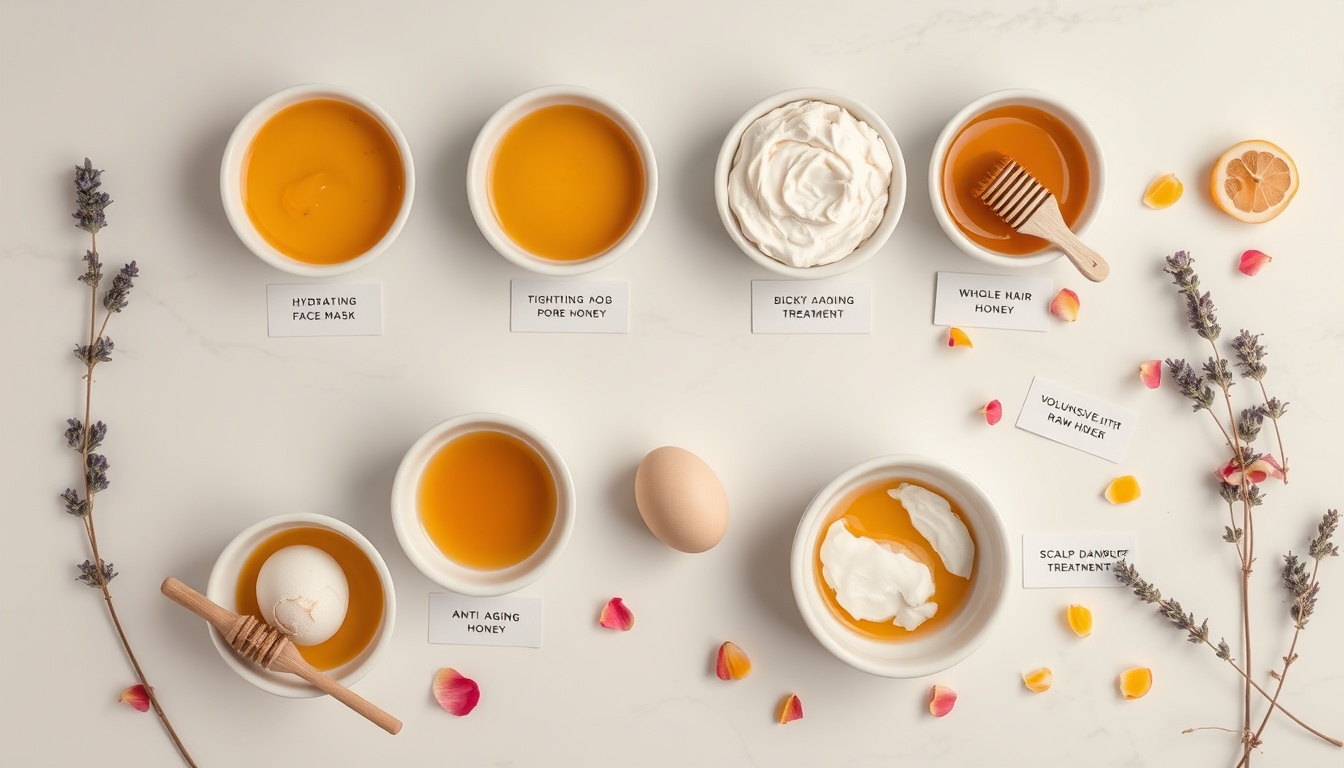
- Hydrating face mask for dry skin — Mix 1 tbsp raw manuka or wildflower honey with 1 egg yolk. Apply to clean, damp face. Leave on for 15-20 minutes. Rinse with lukewarm water (never hot — it cooks the egg). Follow with your regular moisturizer. Use 1-2 times per week.
- Tightening and pore-minimizing mask for oily skin — Whisk 1 egg white until slightly frothy, then fold in 1 tbsp raw acacia or clover honey. Apply in a thin, even layer. Allow to dry completely (15-20 minutes) until you feel the tightening. Rinse with cool water. The albumin temporarily tightens pores while honey provides antibacterial protection.
- Anti-aging brightening treatment — Mix 1 egg yolk, 1 tbsp buckwheat honey (highest antioxidants), and 1 tsp olive oil. Apply to face and neck. Leave on for 20 minutes. The triple combination provides retinol, polyphenol antioxidants, and oleocanthal anti-inflammatory action. Use weekly.
- Intensive hair repair mask for damaged or dry hair — Whisk 1 whole egg, mix in 2 tbsp raw honey and 1 tbsp coconut oil. Apply to damp hair from mid-length to ends (avoid roots if hair is fine or oily). Cover with a shower cap for 30 minutes. Shampoo out thoroughly — you may need to shampoo twice to remove all residue.
- Volumizing hair mask for fine or limp hair — Whisk 1 egg white with 1 tbsp raw honey. Apply to damp hair, focusing on roots and lengths. Leave on for 20 minutes without a shower cap (the drying/tightening effect adds body). Rinse with cool water, then shampoo lightly. The protein coating adds structure without heaviness.
- Scalp treatment for dandruff or irritation — Mix 1 egg yolk with 1 tbsp raw honey and 1 tsp lemon juice. Massage into the scalp for 2-3 minutes, then leave for 15 minutes. The egg yolk provides zinc for scalp health, honey offers antibacterial and anti-inflammatory effects, and lemon juice adds mild antimicrobial and pH-balancing action. Rinse and shampoo.
Pro Tip
Always rinse honey-egg treatments with lukewarm or cool water — never hot. Hot water literally cooks the egg protein onto your skin or hair, creating a sticky, difficult-to-remove mess. If it happens, soak with cool water and gently work out the cooked protein.
Best Honey Types for Honey-Egg Treatments
The honey type affects treatment efficacy. Match your honey to your primary concern.
- Manuka honey (UMF 10+) — Best for acne-prone skin, antibacterial treatments, and scalp conditions. The methylglyoxal provides non-peroxide antibacterial action that persists even after catalase (an enzyme in skin) breaks down hydrogen peroxide.
- Buckwheat honey — Best for anti-aging and antioxidant treatments. Contains 3-9x more polyphenols than lighter honeys, making it the strongest choice for free radical protection and anti-inflammatory effects.
- Acacia honey — Best for sensitive skin. Light, mild, and less likely to cause irritation. Good for first-time users or those with reactive skin.
- Clover honey — Best all-purpose choice. Widely available, well-tolerated, provides balanced humectant and antibacterial properties.
- Lavender honey — Best for calming and soothing treatments. Retained linalool compounds provide additional calming effects, making it ideal for irritated or stressed skin.
- Always use raw, unprocessed honey. Processed honey has reduced enzyme activity, lower polyphenol content, and weakened antibacterial properties — the very attributes that make honey effective in beauty treatments.
Internal Benefits: Honey and Egg in Your Diet
Beyond topical application, consuming honey and egg together offers nutritional synergies.
- Protein + sustained energy — Eggs provide 6g of complete protein per egg (all essential amino acids), while honey provides dual-speed energy (fast glucose + sustained fructose). This combination is particularly effective as a post-workout recovery food, providing the protein for muscle repair and carbohydrates for glycogen replenishment.
- Biotin for skin, hair, and nails — Eggs are one of the richest dietary sources of biotin (vitamin B7), which supports keratin production. Honey's prebiotic oligosaccharides support gut bacteria that produce additional biotin. The gut-hair connection means dietary changes can affect hair quality from the inside out.
- Gut-skin axis support — Honey's prebiotic FOS and GOS feed beneficial Bifidobacterium species, while eggs provide phosphatidylcholine for gut barrier integrity. A healthy gut microbiome directly influences skin health through the gut-skin axis — studies show that acne, eczema, and psoriasis patients frequently have altered gut flora.
- Anti-inflammatory synergy — Honey's polyphenols and egg yolk's lutein/zeaxanthin (carotenoid antioxidants) provide complementary anti-inflammatory effects. This internal anti-inflammatory support complements topical treatments for skin conditions.
Pro Tip
A simple way to get both: drizzle raw honey on a vegetable omelet, add honey to a post-workout egg-based smoothie, or enjoy honey-drizzled deviled eggs as a nutrient-dense snack.
Safety, Allergies, and Common Mistakes
Honey-egg treatments are generally safe, but there are important precautions.
- Egg allergy — Egg allergy (to ovalbumin or ovomucoid) can cause contact dermatitis when applied topically. If you have a known egg allergy, avoid all topical egg treatments. If you're unsure, do a patch test: apply a small amount to your inner forearm, wait 24 hours, and check for redness, itching, or swelling.
- Salmonella risk — Raw egg carries a small risk of Salmonella. Don't apply honey-egg masks to broken skin, open wounds, or areas with active infections. Use pasteurized eggs if available for extra safety margin. Wash hands thoroughly after handling raw egg.
- Frequency — Don't overuse protein treatments on hair. Protein overload makes hair stiff, brittle, and straw-like. For most hair types, once weekly is the maximum for honey-egg hair masks. Alternate with moisture-only treatments (honey and coconut oil or honey-only masks).
- Temperature — Rinse with cool or lukewarm water only. Hot water cooks the egg, creating a coagulated mess on skin or hair. If using honey-egg in a bath or shower, rinse the treatment off before turning up the water temperature.
- Shelf life — Mix honey-egg treatments fresh for each use. The combination has no preservatives and should not be stored. Raw egg at room temperature is a bacterial growth risk within hours.
- Don't use near eyes — Egg white can sting if it gets into eyes. Apply masks carefully around the orbital area, staying at least 1 cm from the eye itself. Honey treatments for under-eye skin should use honey alone, not honey-egg.
The Bottom Line
Honey and egg is one of the most effective DIY beauty combinations because the ingredients address genuinely different mechanisms: honey provides hydration, antibacterial protection, and anti-inflammatory effects, while egg provides structural protein, lipid barrier repair, and active vitamins. The key is matching the right egg component (white vs. yolk) to your specific skin or hair type.
For skin, the combination offers a multi-target approach comparable to (though milder than) commercial products containing humectants, AHAs, and retinol. For hair, it provides protein repair and deep conditioning without the silicone buildup of many commercial products.
Start with one recipe that matches your primary concern, use it consistently for 4-6 weeks, and assess results before adding complexity. The simplest formulas — raw honey + the right egg component — are often the most effective.