Why Honey Is the Best Sweetener for Chia Pudding
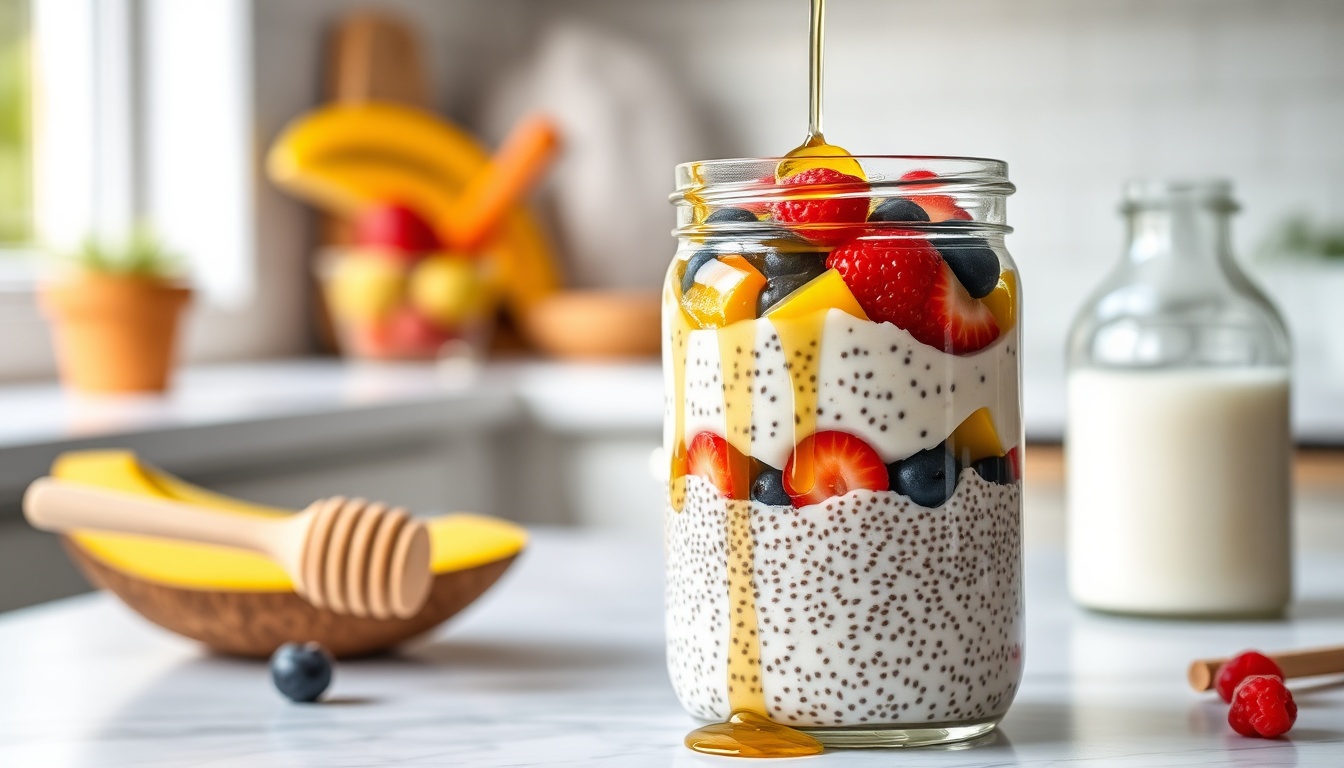
Most chia pudding recipes call for maple syrup or agave, but honey brings two advantages they cannot match. First, honey contains over 180 aromatic compounds — floral, fruity, and caramel notes that add complexity to a simple dish. Second, honey's natural prebiotic oligosaccharides (FOS and GOS) feed beneficial gut bacteria, turning chia pudding into a true functional food when paired with chia's 10 grams of fiber per serving.
The type of honey you use genuinely changes the flavor. Clover honey produces a clean, mild sweetness. Orange blossom honey adds a delicate citrus note. Buckwheat honey creates a bold, almost molasses-like pudding that pairs beautifully with banana and walnut toppings.
The Right Ratio: Chia Seeds to Liquid
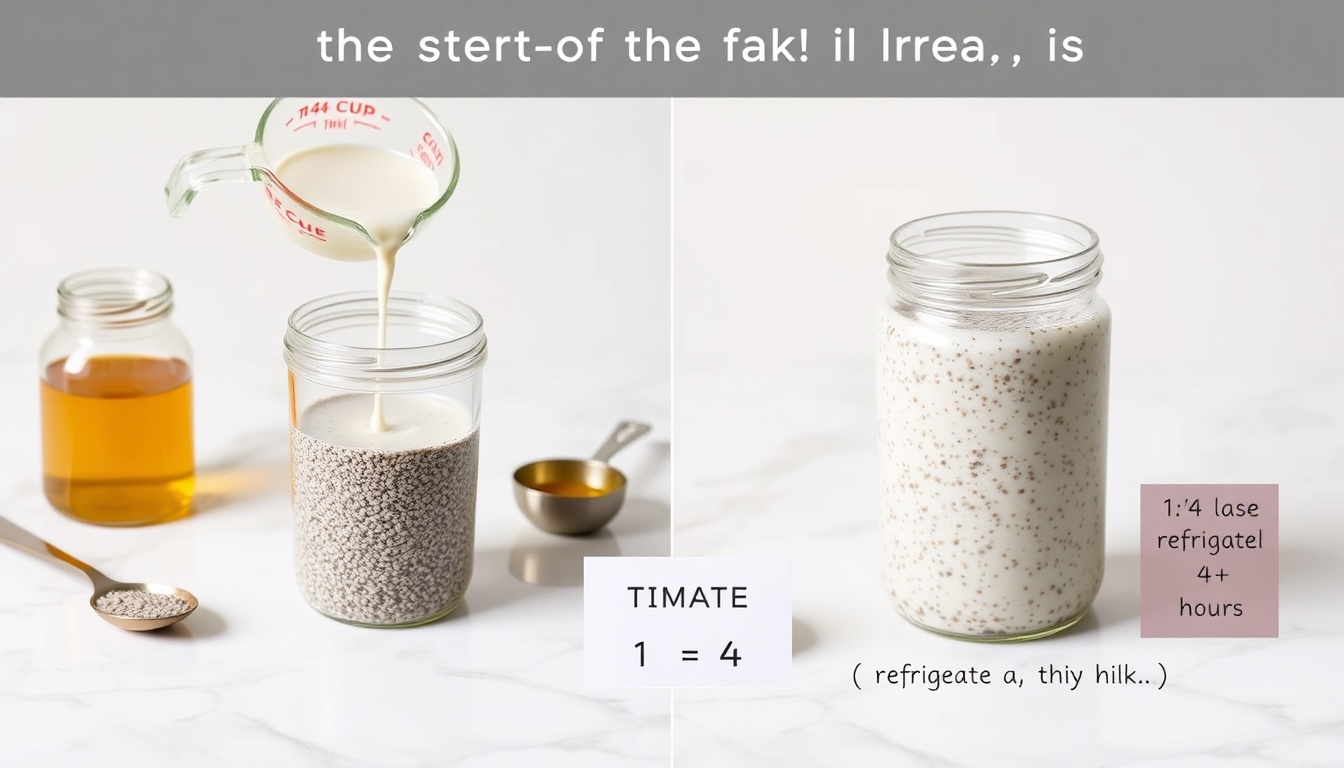
The ratio is the single most important thing in chia pudding. Too little chia and you get a watery, seed-flecked drink. Too much and the result is a stiff, gummy paste. The sweet spot is:
- **1 part chia seeds to 4 parts liquid** — This produces a thick, creamy pudding similar to tapioca. It is the ratio used in this recipe (1/3 cup seeds to 1-1/3 cups milk).
- **1 part chia seeds to 3 parts liquid** — Creates a very thick, spoonable pudding. Good for layering in parfait glasses.
- **1 part chia seeds to 5 parts liquid** — Makes a thinner, drinkable consistency. Better for smoothie bowls or sipping.
Pro Tip
Chia seeds absorb liquid for up to 12 hours. If your pudding seems thin after 4 hours, give it the full overnight soak before adding more seeds.
Get the Honey Buyer's Cheat Sheet (free PDF)
16 varieties on one page — color, flavor, best use and what a fair price looks like — from the 304 honeys we track.
Best Milk Options for Chia Pudding
The milk you choose affects both flavor and texture. Here is how each option performs:
- **Full-fat coconut milk (canned)** — The richest, creamiest option. Produces a pudding with a thick, almost mousse-like texture. Best for tropical flavor variations.
- **Oat milk** — Naturally sweet and creamy, making it the best dairy-free all-purpose choice. The beta-glucan fiber in oat milk adds extra creaminess.
- **Whole dairy milk** — Classic, reliable, and protein-rich (8g per cup). Produces a smooth, neutral-flavored pudding that works with any topping.
- **Almond milk** — Light and lower calorie, but produces a thinner pudding. Use the 1:3 ratio (more chia) to compensate.
- **Coconut milk (carton)** — Lighter than canned coconut milk but still adds a subtle coconut flavor. A good middle ground.
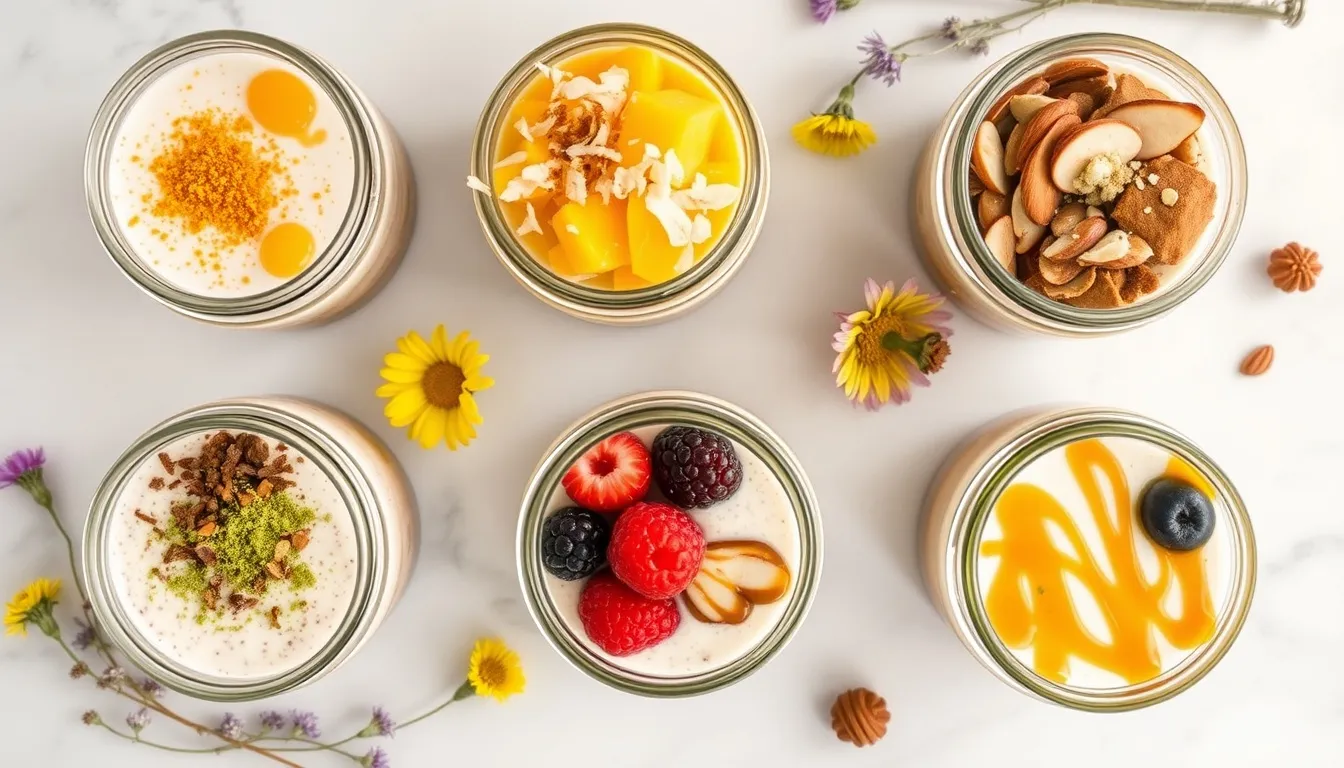
6 Flavor Variations
The base recipe is a blank canvas. Here are six ways to make it your own — mix the add-ins into the base before refrigerating unless noted:
- **Chocolate** — Whisk 1 tablespoon cocoa powder and an extra tablespoon of honey into the milk before adding chia seeds. Top with honey roasted almonds and a drizzle of honey.
- **Mango coconut** — Use canned coconut milk as the liquid. Stir in 1/3 cup diced mango before refrigerating. Top with toasted coconut flakes and a squeeze of lime.
- **Peanut butter banana** — Stir 2 tablespoons natural peanut butter into the milk mixture until smooth. Top with sliced banana, a drizzle of buckwheat honey, and chopped peanuts.
- **Berry compote** — Top the finished pudding with 1/2 cup mixed berries simmered with 1 tablespoon honey for 5 minutes. Add a dollop of honey yogurt or Greek yogurt.
- **Matcha** — Sift 1 teaspoon matcha powder into the milk and whisk until smooth before adding chia seeds. Use acacia honey for its mild, non-competing sweetness.
- **Pumpkin spice** — Stir in 3 tablespoons pumpkin puree, 1/2 teaspoon pumpkin pie spice, and an extra tablespoon of honey. Top with honey granola and pecans.
Chia Pudding Nutrition
A single serving of honey chia pudding (half the recipe, made with whole milk) delivers a surprisingly complete nutritional profile:
- **Fiber: 10g** — Chia seeds are 34% fiber by weight, mostly soluble fiber that forms the gel. This covers 35% of daily needs and supports gut health.
- **Omega-3 fatty acids: 5g (ALA)** — Chia seeds are one of the richest plant sources of omega-3s. While ALA conversion to EPA/DHA is limited, it still supports cardiovascular health.
- **Protein: 8-12g** — Chia contributes 5g of complete plant protein per serving, plus whatever your milk adds (8g for dairy, 3-4g for oat).
- **Calcium: 15-30% DV** — From both chia seeds (18% DV per ounce) and milk.
- **Honey antioxidants** — Two tablespoons of raw honey adds 30+ polyphenol compounds including chrysin, pinocembrin, and caffeic acid, plus prebiotic oligosaccharides.
Pro Tip
Chia pudding is naturally gluten-free and can be made dairy-free and nut-free, making it one of the most allergy-friendly breakfasts available.
Meal Prep and Storage
Chia pudding is one of the best meal prep breakfasts because it actually improves with time:
- **Batch prep 4-5 days** — Make a large batch on Sunday night in a mixing bowl. Divide into individual mason jars or containers Monday morning. The pudding keeps well in the fridge for up to 5 days.
- **Add toppings fresh** — Keep toppings (fruit, granola, nuts) separate until serving. Granola gets soggy and cut fruit oxidizes if added too early.
- **Travel-friendly** — Pack in a sealed jar with toppings in a small bag. No reheating required — eat it straight from the fridge.
- **Freezing** — Chia pudding freezes well for up to 2 months. Thaw overnight in the fridge. The texture softens slightly but a quick stir brings it back.
Chia Pudding vs Overnight Oats
Both are no-cook, make-ahead breakfasts, but they fill different roles. Chia pudding has a smoother, tapioca-like texture while overnight oats are chewier and heartier. Chia pudding is naturally gluten-free and higher in omega-3s. Overnight oats have more beta-glucan fiber (which lowers cholesterol) and tend to be more filling. For maximum variety, alternate between the two throughout the week — both pair beautifully with raw honey as the sweetener.
Common Mistakes
Avoid these pitfalls for perfect chia pudding every time:
- **Skipping the second stir** — Chia seeds clump within the first 5 minutes as the gel forms. Stirring again after 5 minutes breaks up clumps and ensures an even, smooth texture throughout.
- **Using too little sweetener** — Chia seeds have almost no flavor on their own. Two tablespoons of honey for two servings is a starting point — taste and adjust before adding toppings.
- **Not waiting long enough** — Four hours produces a set pudding, but the full 8-12 hours creates the best texture. The seeds continue absorbing liquid and softening overnight.
- **Adding fruit too early** — Acidic fruits like berries can break down chia gel over time. Add fresh fruit just before serving for the best texture.
- **Using hot liquid** — Hot milk will start cooking the chia seeds and produce a slimy, uneven texture. Always use cold or room-temperature liquid.