The Honey Hangover Remedy: Separating Science from Folklore
The idea of using honey to cure a hangover has circulated for decades, from old wives' tales to modern wellness blogs. The National Headache Foundation has even listed honey among its hangover remedies. But does the science actually support this popular recommendation?
The answer is nuanced. Honey does contain compounds that can theoretically accelerate alcohol metabolism and address some hangover symptoms — but it is not a miracle cure, and some of the claims have been overstated. This guide examines the real biochemistry behind hangovers, what honey can and cannot do, and how to use it most effectively if you choose to try it.
Understanding how alcohol causes hangovers is essential to evaluating whether honey — or any remedy — can actually help. The hangover is not a single problem but a cluster of overlapping physiological disruptions that honey addresses to varying degrees.
How Alcohol Causes Hangovers: The 6 Mechanisms
A hangover is the result of multiple simultaneous insults to the body. Understanding each mechanism helps explain which ones honey can realistically address:
- **Acetaldehyde toxicity:** Alcohol (ethanol) is metabolized in the liver first to acetaldehyde — a toxic compound 10-30x more toxic than alcohol itself — then to harmless acetate. When drinking exceeds the liver's processing capacity, acetaldehyde accumulates, causing nausea, headache, flushing, and rapid heartbeat. This is the primary hangover driver
- **Dehydration:** Alcohol inhibits antidiuretic hormone (ADH/vasopressin), causing increased urination. A night of heavy drinking can produce 0.5-1 liter of additional fluid loss, leading to thirst, dry mouth, dizziness, and fatigue
- **Electrolyte imbalance:** Along with water, alcohol flushes potassium, magnesium, sodium, and zinc through increased urination. These mineral losses contribute to muscle weakness, headache, and fatigue
- **Blood sugar disruption:** Alcohol impairs gluconeogenesis (the liver's ability to produce new glucose) and depletes glycogen stores. The resulting mild hypoglycemia contributes to weakness, shakiness, mood disturbance, and fatigue — see our honey for energy guide for how honey addresses blood sugar
- **Inflammation:** Alcohol triggers systemic inflammation by increasing pro-inflammatory cytokines (IL-6, TNF-α, CRP) and activating the NF-κB pathway. This inflammatory cascade contributes to headache, nausea, and general malaise — see our honey for inflammation guide for honey's anti-inflammatory mechanisms
- **Sleep disruption:** While alcohol initially sedates, it disrupts REM sleep cycles and increases wakefulness in the second half of the night. Poor sleep amplifies all other hangover symptoms — see our honey before bed guide
Get the Honey Buyer's Cheat Sheet (free PDF)
16 varieties on one page — color, flavor, best use and what a fair price looks like — from the 268 honeys we track.
How Honey May Help: The Fructose Connection
The primary scientific basis for honey as a hangover remedy centers on its fructose content and its effects on alcohol metabolism.
**Fructose and alcohol metabolism:** The hypothesis dates to research in the 1970s-1980s showing that fructose can increase the rate of alcohol metabolism. A 1975 study in the Annals of Internal Medicine found that intravenous fructose infusion increased ethanol clearance by approximately 25-80% in subjects. The proposed mechanism: fructose metabolism in the liver regenerates NAD+ (nicotinamide adenine dinucleotide), the coenzyme required for alcohol dehydrogenase to convert ethanol to acetaldehyde. When NAD+ is depleted by heavy drinking, alcohol metabolism slows — fructose helps replenish it.
However, subsequent research has complicated this picture. A 1980 study in the Journal of Studies on Alcohol found that while fructose did accelerate alcohol metabolism, it did not consistently improve hangover symptoms — and in some cases increased blood lactate and uric acid levels. The clinical relevance of faster alcohol clearance to actual hangover relief remains debated.
**What makes honey different from plain fructose:** Honey is not just fructose. It contains approximately 38% fructose and 31% glucose, plus 30+ polyphenol antioxidants, active enzymes, prebiotic oligosaccharides, and trace minerals including potassium, magnesium, and zinc — the very electrolytes depleted by alcohol. This matrix of compounds addresses multiple hangover mechanisms simultaneously, which pure fructose tablets cannot do.
Pro Tip
Fructose study quantities do not justify using large amounts of honey after alcohol; hydration and safety matter more.
The 5 Ways Honey Addresses Hangover Symptoms
Beyond the fructose hypothesis, honey addresses hangover physiology through multiple pathways:
This section does not establish a universal or medical honey dose for this purpose. Use the daily added-sugar guide to count honey with other added or free sugars.
**2. Anti-inflammatory effects:** Honey's polyphenols — particularly chrysin, pinocembrin, quercetin, and caffeic acid — inhibit the NF-κB inflammatory pathway that alcohol activates. A 2022 meta-analysis in Nutrition Reviews of 18 RCTs found that honey consumption reduced C-reactive protein (CRP), a key inflammatory biomarker. While this research was not hangover-specific, the anti-inflammatory mechanism directly addresses alcohol-induced inflammation. Darker honeys like buckwheat ($15-25, ORAC 16,000+) offer 3-9x more antioxidants than lighter varieties.
Honey supplies little meaningful electrolyte replacement and is not hangover treatment.
**4. Gut soothing:** Alcohol irritates the gastric mucosa and disrupts the gut microbiome. Honey has demonstrated gastroprotective effects — coating and soothing the stomach lining — and its prebiotic oligosaccharides (FOS, GOS) support beneficial gut bacteria that alcohol disrupts. See our honey and gut health guide for the full mechanism.
**5. Gentle on the stomach:** Unlike many hangover remedies (coffee, greasy food, aspirin), honey is easily digestible and unlikely to worsen nausea. It can be consumed in warm water even when the stomach is sensitive — making it practical when stronger foods are unappealing.
What the Clinical Research Actually Shows
Honest assessment: the clinical evidence specifically testing honey for hangovers is limited. Most of the supporting science comes from adjacent research areas:
**Direct evidence (limited):** A 2018 pilot study published in Current Drug Metabolism tested natural honey supplementation alongside alcohol consumption and found modest improvements in blood alcohol clearance rates and subjective symptom scores compared to placebo. However, the study had a small sample size and has not been widely replicated.
**Fructose-alcohol metabolism research (moderate evidence):** Multiple studies from the 1970s through 2000s demonstrated that fructose accelerates ethanol clearance. A 1976 study in Lancet and a 1980 study in the British Medical Journal confirmed the biochemical mechanism (NAD+ regeneration). However, a critical 2005 review in the BMJ concluded that while fructose did increase alcohol metabolism rate, it "did not reliably improve hangover symptoms" in controlled trials — suggesting faster alcohol clearance alone is not sufficient for symptom relief.
**Honey anti-inflammatory evidence (strong):** The anti-inflammatory properties of honey are well-established through multiple meta-analyses. The 2022 Nutrition Reviews meta-analysis of 18 RCTs demonstrates that honey consumption reduces inflammatory markers — the same markers elevated by alcohol consumption.
**Blood sugar evidence (strong):** Honey's glycemic modulation effects are well-documented. Studies show honey provides steady blood sugar support without the sharp spikes of refined sugar — directly relevant to alcohol-induced hypoglycemia.
The bottom line: honey is not a proven hangover "cure" in the pharmaceutical sense. But it addresses at least 4 of the 6 known hangover mechanisms (blood sugar, inflammation, electrolytes, gut irritation) with a reasonable biological basis, minimal side effects, and strong supporting evidence for the individual mechanisms even if hangover-specific trials are limited.
5 Honey Hangover Remedies Worth Trying
If you want to try honey for hangover relief, these are the most effective approaches based on the available science:
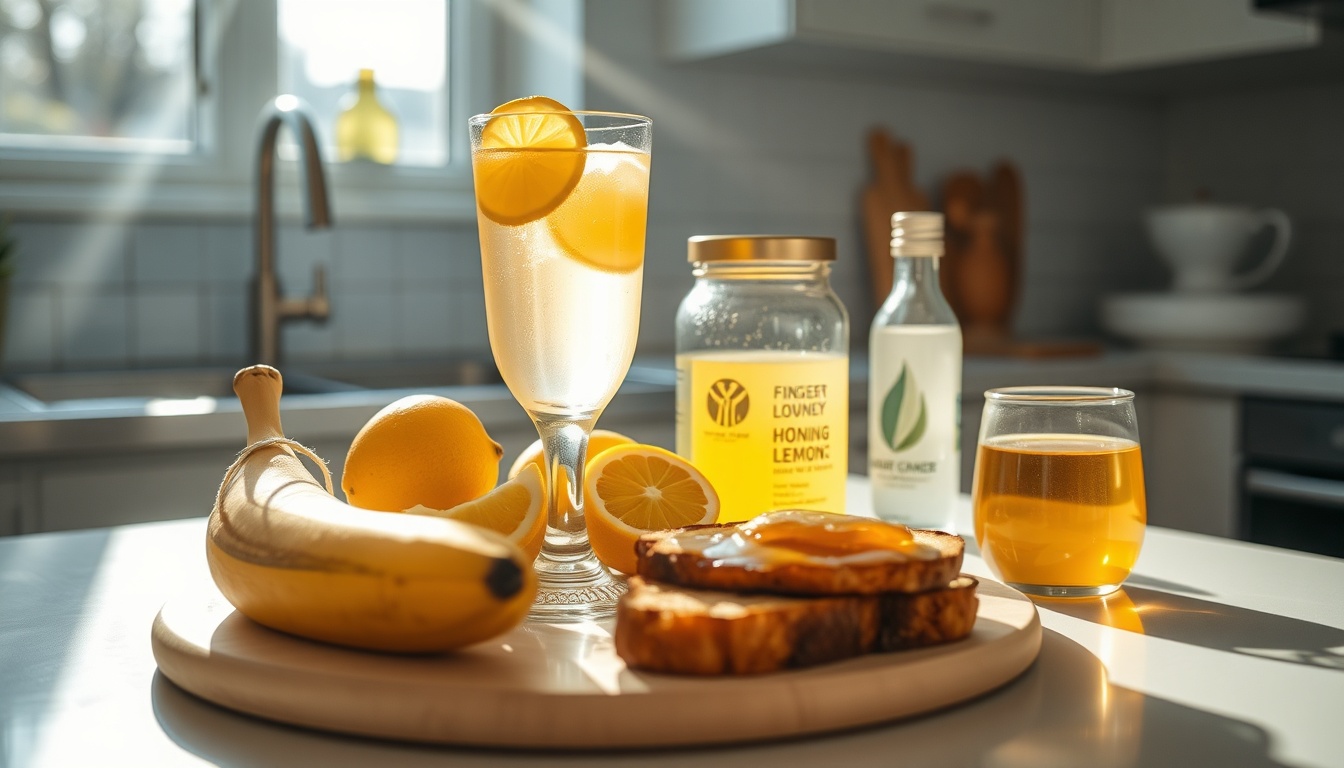
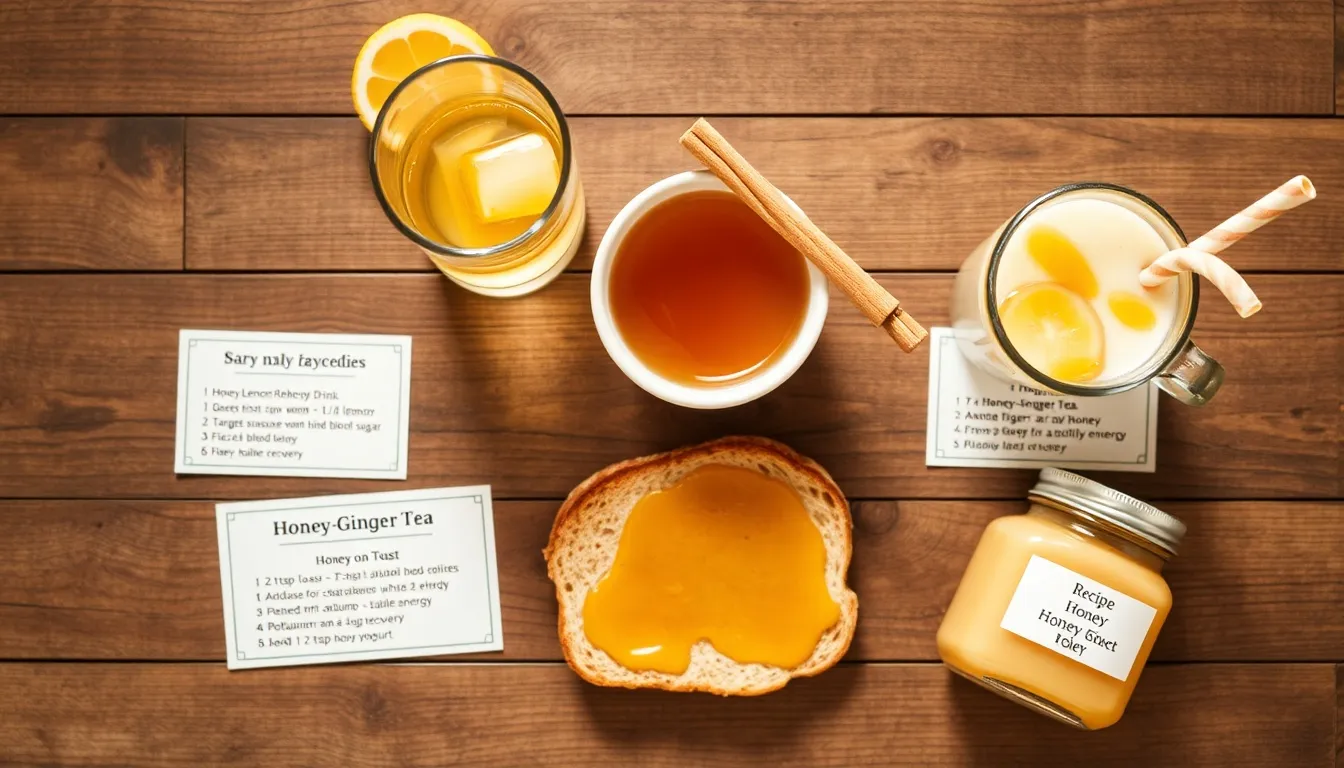
**1. Honey-lemon rehydration drink:** Mix raw honey in a glass of warm (not hot) water with the juice of half a lemon. This combines hydration (water) with honey and lemon's antioxidants. See our honey and lemon guide for more on this combination.
**2. Honey-ginger tea:** Steep fresh ginger slices in hot water for 5-10 minutes, let cool slightly, then add 1-2 tablespoons of honey. Ginger is one of the best-studied natural anti-nausea compounds — a 2020 meta-analysis in the Journal of the Academy of Nutrition and Dietetics of 12 RCTs confirmed its anti-emetic effects. Combined with honey's blood sugar and anti-inflammatory benefits, this targets both nausea and systemic symptoms. See our honey and ginger guide.
**3. Honey on toast (simple and practical):** 1-2 tablespoons of honey on whole-grain toast provides easily digestible carbohydrates for blood sugar restoration, honey's fructose for potential alcohol metabolism support, and fiber from the toast for sustained energy. This is the most commonly recommended approach and the simplest to prepare when feeling unwell.
**4. Banana-honey smoothie:** Blend 1 banana, 1-2 tablespoons of honey, 1 cup milk or yogurt, and ice. Bananas are rich in potassium (422mg per banana) — the electrolyte most depleted by alcohol. Honey adds fructose, antioxidants, and quick energy. Yogurt provides protein and probiotics for gut recovery.
**5. Honey before bed:** Some people take a small amount of honey before sleep after drinking, based on the idea that it may support liver glycogen and blood sugar overnight. See our honey before bed guide for the broader evidence on honey and sleep.
Pro Tip
Consistency matters more than timing. If honey helps you feel better, using it as part of your morning routine — alongside water and food — is more useful than a single isolated dose.
Best Honey Types for Hangover Recovery
Not all honeys are equally suited to hangover recovery. The key factors are antioxidant content, mineral density, and fructose levels:
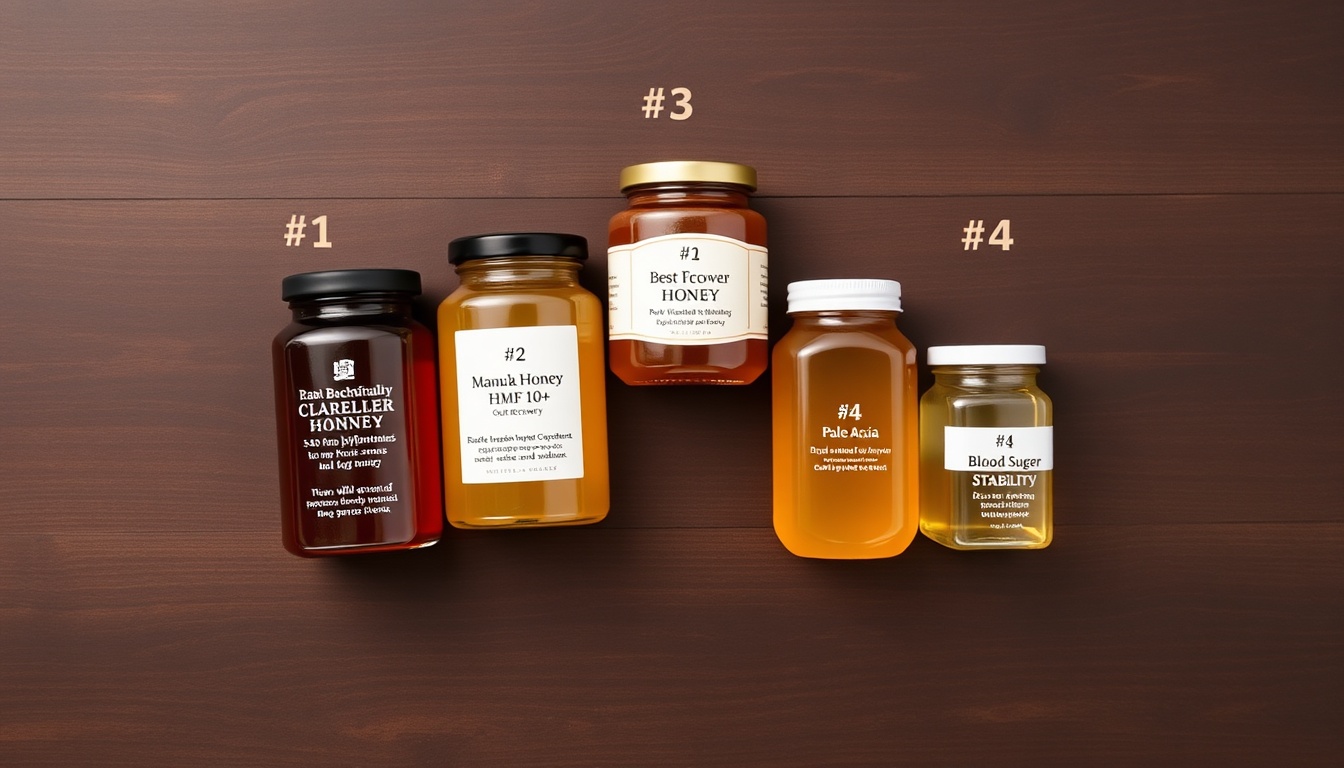
- **Buckwheat honey ($15-25, ORAC 16,000+) — best for anti-inflammatory support:** Contains 3-9x more antioxidants than lighter honeys, with the highest polyphenol content to combat alcohol-induced inflammation. Strong flavor may be less appealing when nauseous, so mix in tea or warm water
- **Manuka honey ($35-60+) — best for gut recovery:** Contains methylglyoxal (MGO) with potent antibacterial properties that support gut recovery. Also strong anti-inflammatory effects. UMF 10+ is sufficient for this purpose
- **Wildflower honey ($10-18) — best all-around choice:** Broad antioxidant spectrum from multiple floral sources, moderate flavor that's easy to consume when feeling unwell, and widely available. A practical everyday choice for hangover recovery
- **Acacia honey ($12-20, GI ~32) — best for blood sugar stability:** Lowest glycemic index of any common honey, providing the steadiest blood sugar support without spikes. Mildest flavor, making it the easiest to consume when nauseous
- **Budget option: Clover honey ($8-15) — reliable everyday recovery:** Always choose raw honey for hangover recovery. Processing (pasteurization) destroys the glucose oxidase, diastase, and other enzymes that contribute to honey's anti-inflammatory and gastroprotective effects. Raw clover is the most affordable raw option widely available
Honest Limitations: What Honey Cannot Do
It is important to set realistic expectations. Honey cannot:
- **Prevent a hangover entirely:** No food or supplement can fully counteract the effects of excessive alcohol consumption. The only guaranteed hangover prevention is not drinking or drinking in moderation
- **"Detox" your liver:** Despite marketing claims, honey does not "detoxify" the liver. The liver metabolizes alcohol through its own enzymatic pathways (alcohol dehydrogenase and aldehyde dehydrogenase). Honey's fructose may modestly support these pathways, but it is not a detoxification agent
- **Replace medical treatment for alcohol poisoning:** Severe symptoms like confusion, vomiting, seizures, slow breathing, or loss of consciousness require emergency medical care, not honey
- **Sober you up faster in a meaningful way:** While fructose may increase alcohol metabolism by up to 25-80% in laboratory conditions, this translates to modest real-world effects. If your blood alcohol level is very high, honey will not meaningfully accelerate sobering
- **Counteract chronic alcohol damage:** Regular heavy drinking causes cumulative liver damage, neurological effects, and increased cancer risk that no food can reverse
Honey vs Other Hangover Remedies
How does honey compare to other commonly recommended hangover treatments?
- **Honey vs coffee:** Coffee provides alertness via caffeine but worsens dehydration and can irritate an already-upset stomach. Honey addresses more underlying causes (blood sugar, inflammation, electrolytes) without the dehydration risk. Verdict: honey is the better first-line choice; coffee can come later
- **Honey vs painkillers (ibuprofen, aspirin):** NSAIDs reduce headache and inflammation but irritate the gastric mucosa — risky when the stomach is already alcohol-damaged. Acetaminophen (Tylenol) should be avoided entirely as it stresses the liver while it is processing alcohol. Honey provides gentler anti-inflammatory support without gastric or hepatic risks
- **Honey vs electrolyte drinks (Pedialyte, sports drinks):** Electrolyte drinks address dehydration and mineral loss effectively but contain no antioxidants or anti-inflammatory compounds. Honey water with a pinch of salt provides electrolytes plus antioxidant benefits. Best approach: combine both — add honey to an electrolyte drink
- **Honey vs "hair of the dog" (more alcohol):** Drinking more alcohol temporarily masks symptoms by maintaining blood alcohol levels, but it delays recovery and increases total liver burden. Honey is the healthier alternative — it addresses symptoms through restoration rather than postponement
- **Honey vs greasy food:** Fatty foods before drinking may slow alcohol absorption, but greasy food the morning after primarily provides psychological comfort and can worsen nausea. Honey toast is equally comforting and more likely to help
Safety Considerations
Honey is generally safe for hangover recovery, but keep these points in mind:
- This section does not establish a universal or medical honey dose for this purpose. Use the daily added-sugar guide to count honey with other added or free sugars.
- Diabetes note — Honey is a fast-acting carbohydrate. The honey carbohydrate and label guide explains label-based carbohydrate counting; treatment and medication decisions belong in an individualized care plan.
- **Infant honey warning:** Never give honey to infants under 12 months for any reason — see our baby honey safety guide
- **Bee allergy:** People with known bee or pollen allergies should exercise caution with honey, particularly raw varieties — see our honey for allergies guide
- **When to seek medical help:** If hangover symptoms include persistent vomiting, confusion, seizures, irregular breathing, or fever, seek emergency medical care. These may indicate alcohol poisoning rather than a standard hangover