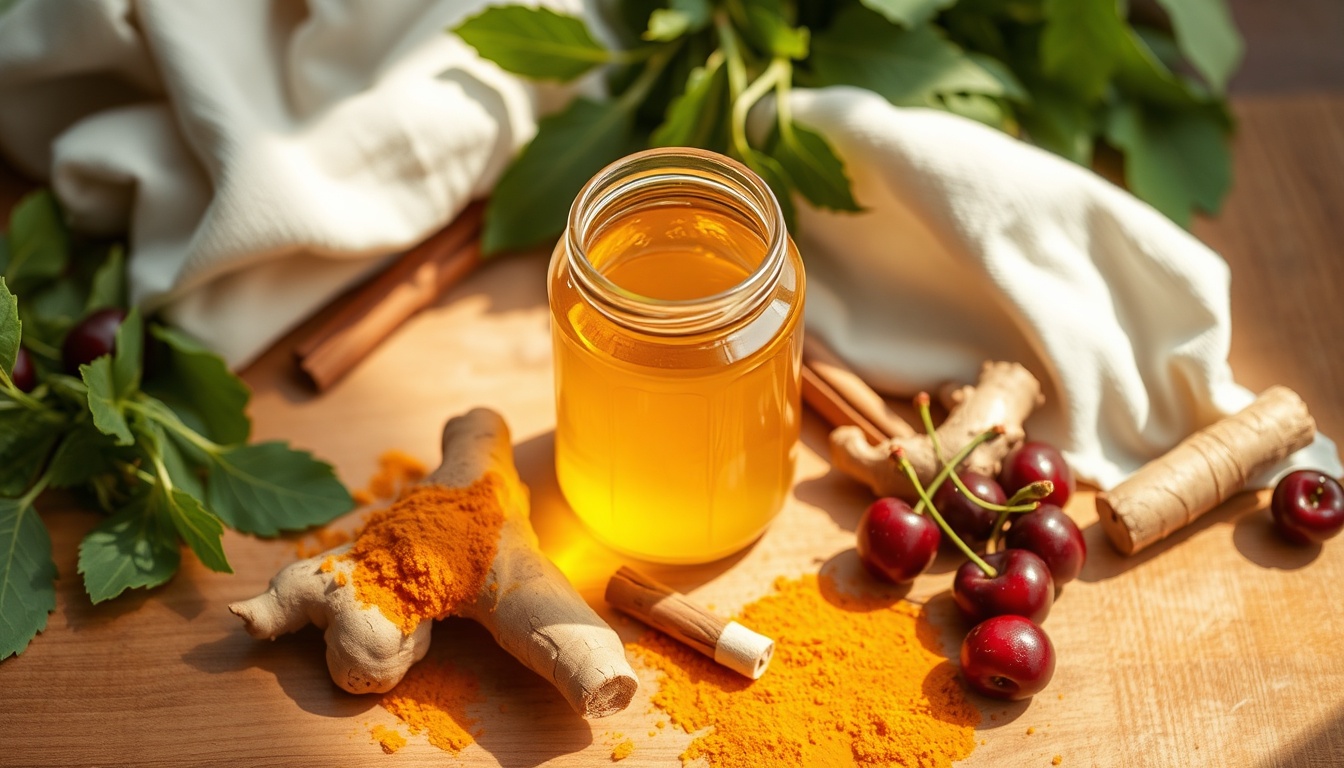
Joint Pain Is Extremely Common — And People Want Natural Options
Joint pain affects roughly one in four adults in the United States, and arthritis remains the leading cause of disability among American adults, according to the CDC. The two most common forms — osteoarthritis (OA) and rheumatoid arthritis (RA) — affect over 58 million people combined, with numbers rising as the population ages.
Conventional treatments work well but come with trade-offs. NSAIDs like ibuprofen provide reliable relief but carry risks of gastrointestinal bleeding, kidney damage, and cardiovascular complications with long-term use. Disease-modifying drugs for RA are effective but expensive and can suppress immune function. This has driven millions of people to explore complementary approaches, including dietary anti-inflammatories.
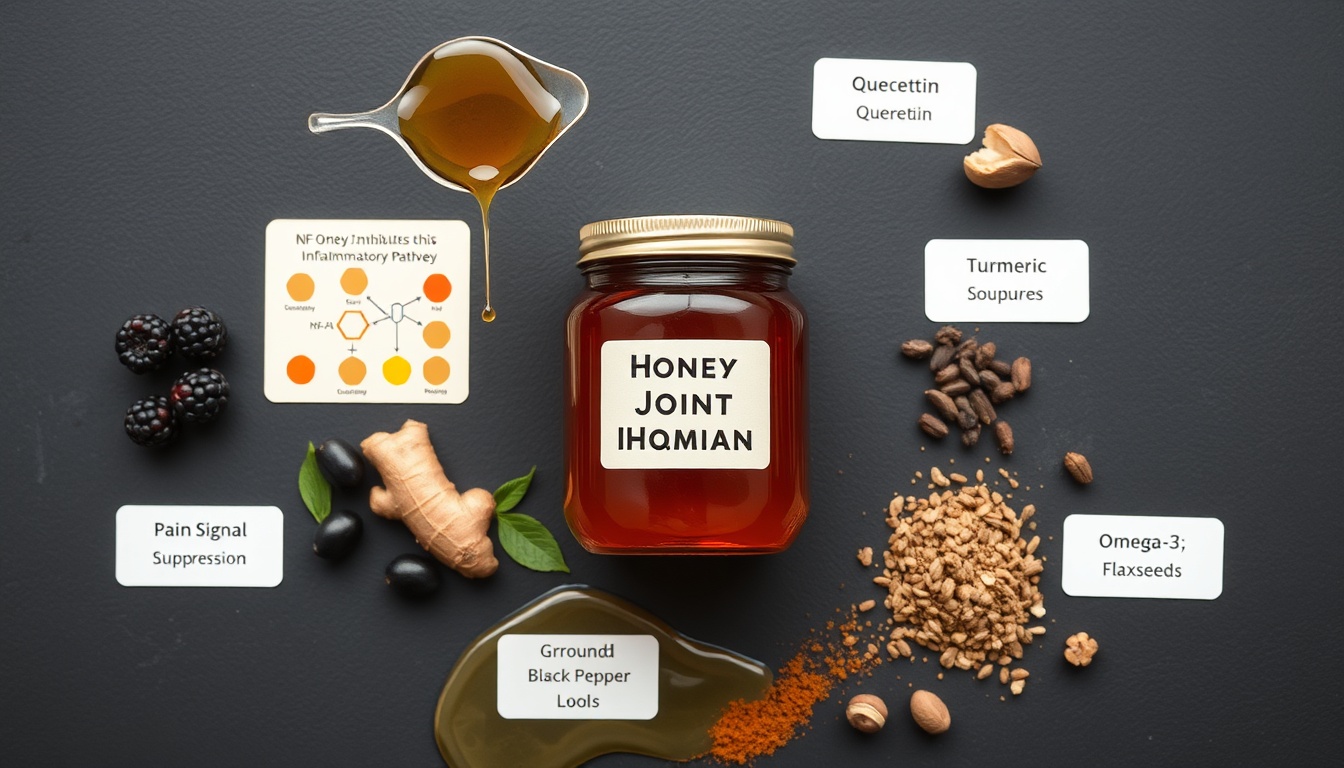
Raw honey has documented anti-inflammatory properties — it suppresses NF-kB signaling, inhibits COX-2 enzymes, and reduces pro-inflammatory cytokines in laboratory studies. But having anti-inflammatory activity in a petri dish is very different from actually reducing arthritis symptoms in a human knee. This guide takes an honest look at what the research specifically shows for joint pain, where the evidence is genuinely promising, and where the claims outrun the science.
How Honey Fights Inflammation: The Mechanisms Relevant to Joints
Before examining the joint-specific evidence, it helps to understand the biochemical pathways through which honey acts on inflammation — because these same pathways are what arthritis drugs target. For a comprehensive breakdown, see our full guide on honey for inflammation.
- NF-kB pathway inhibition — Nuclear factor kappa-B is the master switch for inflammatory gene expression in joint tissue. When overactivated in synovial cells (the lining of joints), NF-kB drives the production of cartilage-degrading enzymes (MMPs), pro-inflammatory cytokines, and pain mediators. Honey's polyphenols — chrysin, pinocembrin, and galangin — suppress NF-kB activation, as confirmed by a 2018 review in Pharmacognosy Research.
- COX-2 enzyme suppression — Cyclooxygenase-2 is the same enzyme that NSAIDs like ibuprofen and naproxen target. Honey's flavonoids inhibit COX-2 activity, reducing prostaglandin production that causes joint swelling, redness, and pain. However, the inhibition is substantially weaker than pharmaceutical NSAIDs — this is an important distinction that many natural health sources gloss over.
- Reactive oxygen species scavenging — Oxidative stress in joint tissue accelerates cartilage breakdown in OA and amplifies immune-mediated damage in RA. Honey's flavonoids and phenolic acids neutralize free radicals in this environment. Dark honeys contain 3-9x more antioxidants than light honeys, per a 2004 Journal of Agricultural and Food Chemistry study.
- TNF-alpha and IL-6 cytokine reduction — These two cytokines are so central to joint inflammation that the most effective RA drugs (adalimumab, etanercept, tocilizumab) specifically block them. In vitro studies show honey polyphenols reduce TNF-alpha and IL-6 production by activated immune cells. The 2022 Nutrition Reviews meta-analysis of 18 randomized controlled trials (1,100+ participants) found that honey consumption significantly reduced C-reactive protein (CRP), a systemic marker of inflammation.
Pro Tip
These mechanisms are real and well-documented — but acting on inflammatory pathways in the lab does not guarantee meaningful clinical relief from arthritis symptoms. The dose reaching joint tissue after oral consumption is much lower than concentrations used in cell studies.
Get the Honey Buyer's Cheat Sheet (free PDF)
16 varieties on one page — color, flavor, best use and what a fair price looks like — from the 268 honeys we track.
Honey and Osteoarthritis: The Evidence So Far
Osteoarthritis — the "wear-and-tear" form of arthritis — is the most common joint disease worldwide, affecting over 32 million Americans. It involves progressive cartilage breakdown, synovial inflammation, and bone remodeling. Several studies have examined honey's effects specifically on OA.
A 2019 study published in Complementary Therapies in Clinical Practice examined topical honey application on the knee joints of OA patients. Participants who received honey compresses on their knees showed statistically significant reductions in pain scores compared to the control group. While promising, this was a small study and the mechanism of topical pain relief may relate more to honey's osmotic and local anti-inflammatory effects than systemic action.
A 2020 animal study published in Inflammopharmacology found that tualang honey supplementation reduced cartilage degradation markers (MMP-13, ADAMTS-5) and inflammatory mediators (IL-1beta, TNF-alpha) in a rat model of osteoarthritis. The honey-treated group showed significantly better cartilage preservation on histological examination. However, animal models of OA don't always translate directly to human outcomes.
A 2021 systematic review examining natural products for OA noted honey's potential based on its anti-inflammatory profile but explicitly called for larger, well-designed human randomized controlled trials before honey could be recommended as an adjunct OA therapy. This is a fair assessment of where the evidence stands.
The bottom line for OA: the research direction is promising, but the evidence is predominantly from animal models and small human studies. No large-scale clinical trial has yet demonstrated that honey consumption reliably reduces OA symptoms in a meaningful, clinically significant way. If you have OA, proven approaches like weight management, physical therapy, and appropriate medication should remain your primary strategy.
Honey and Rheumatoid Arthritis: A Different Disease, Different Evidence
Rheumatoid arthritis is fundamentally different from OA — it's an autoimmune disease where the immune system attacks healthy joint tissue, causing inflammation, pain, and progressive joint destruction. This distinction matters because treating RA requires modulating immune behavior, not just reducing inflammation.
In vitro studies have shown that honey polyphenols can modulate immune cell behavior in ways relevant to RA. Specifically, compounds like chrysin and quercetin have been shown to reduce T-cell proliferation and shift cytokine production away from pro-inflammatory Th1/Th17 patterns toward more regulatory profiles. A 2018 study published in BMC Complementary and Alternative Medicine found that manuka honey reduced inflammatory markers (IL-6, TNF-alpha, IL-1beta) in a cell model mimicking RA synovial inflammation.
A small 2019 clinical study in the International Journal of Rheumatic Diseases found that daily honey consumption (20g twice daily for 8 weeks) reduced joint pain scores and inflammatory markers in RA patients when combined with standard treatment. This is encouraging, but it was a 40-patient study — far too small to draw definitive conclusions.
It's worth noting that propolis, a related bee product, has somewhat stronger evidence for immune modulation in autoimmune contexts. Propolis contains a higher concentration of certain immunomodulatory compounds (caffeic acid phenethyl ester, or CAPE) that have shown more potent effects on the specific immune pathways driving RA. If you're interested in bee products for RA specifically, propolis may warrant more attention than honey itself.
No large-scale human clinical trial has specifically tested honey as an adjunct treatment for RA. Given that RA is a serious progressive disease that can cause permanent joint damage, it's essential not to delay or replace proven disease-modifying therapy with honey or any other dietary supplement.
Best Honey Types for Joint Pain
If you want to include honey in an anti-inflammatory diet for joint support, the type matters significantly. Antioxidant and polyphenol content — the compounds responsible for anti-inflammatory activity — varies dramatically between honey varieties.
- Manuka honey ($35–60+/lb, UMF 10+) — The most studied honey for inflammation overall. Contains unique methylglyoxal (MGO) plus polyphenols like leptosperin. Look for UMF 10+ or MGO 263+ for therapeutic-grade product. Multiple studies confirm superior anti-inflammatory activity compared to conventional honeys, and the 2018 RA cell model study specifically used manuka.
- Buckwheat honey ($15–25/lb, ORAC 16,000+) — Has the highest antioxidant content among commonly available North American honeys. The 2004 JAFC study found buckwheat honey had approximately 8x the antioxidant activity of clover honey ($8–15/lb). Its very dark color is a visual indicator of high polyphenol density. Significantly more affordable than manuka for daily use.
- Tualang honey — A Malaysian honey that has the most arthritis-specific research of any honey variety. The 2020 Inflammopharmacology OA study and several other joint-related investigations specifically used tualang honey. Rich in phenolic acids and flavonoids with demonstrated cartilage-protective effects in animal models. Available online but less common in Western markets.
- Wildflower honey ($10–18/lb) — Multi-floral honeys contain a broader spectrum of polyphenols from diverse nectar sources. While each individual compound may be present in lower concentrations than in monofloral honeys, the variety may provide synergistic anti-inflammatory effects. Best everyday value for long-term joint support.
- Acacia honey ($12–20/lb, GI ~32) — Lower on the antioxidant scale than dark honeys but has the lowest glycemic index of common varieties due to its high fructose-to-glucose ratio. Blood sugar spikes themselves drive inflammation, so the lower glycemic impact could be relevant for people managing joint pain alongside metabolic conditions.
Pro Tip
As a general rule, the darker the honey, the higher its antioxidant and polyphenol content. If you're choosing honey specifically for anti-inflammatory potential, opt for dark varieties like buckwheat ($15–25), chestnut ($20–35), or manuka ($35–60+) over light varieties like clover or acacia.
Honey and Turmeric for Joints: The "Golden Paste" Combination
The combination of honey and turmeric — sometimes called "golden honey" — is one of the most popular natural remedies for joint pain, and there's a reasonable rationale behind it.
Turmeric's active compound, curcumin, has substantially stronger anti-inflammatory evidence for joints than honey alone. A 2016 meta-analysis in the Journal of Medicinal Food analyzed 8 randomized controlled trials and found that curcumin supplementation significantly reduced joint pain and improved physical function in arthritis patients. A separate 2016 trial in Clinical Interventions in Aging found 1,500mg of curcuminoids daily was as effective as 1,200mg of ibuprofen for knee OA pain, with fewer gastrointestinal side effects.
The challenge with curcumin is bioavailability — it's poorly absorbed from the gut. This is where the honey combination becomes interesting. Preliminary evidence suggests that honey's natural sugars and organic acids may improve curcumin's intestinal absorption, though this mechanism is not yet well-studied in rigorous clinical trials.
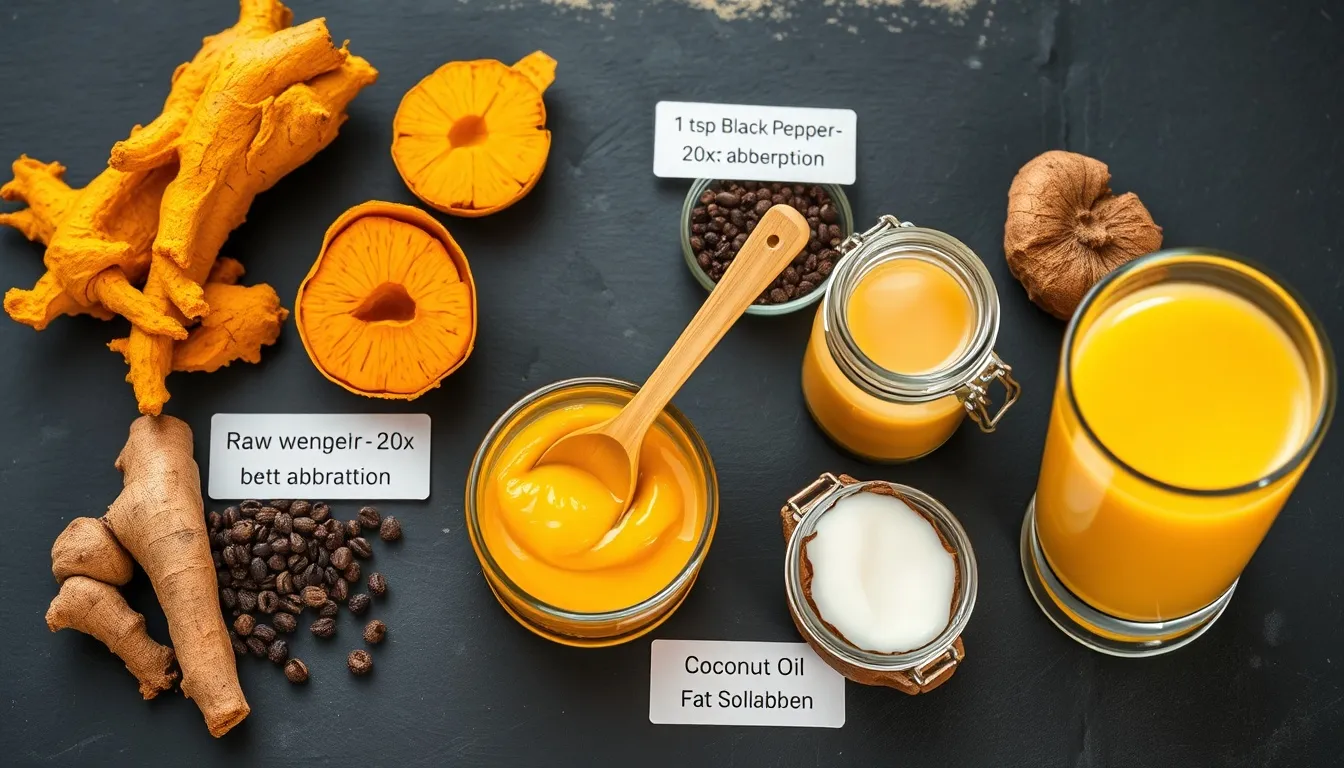
The classic "golden honey" recipe combines raw honey, turmeric powder, and a pinch of black pepper. The black pepper is important — its piperine compound increases curcumin absorption by approximately 2,000% according to a 1998 study in Planta Medica.
To be clear: the joint pain evidence here is mostly attributable to the curcumin, not the honey. Honey serves as a palatable delivery vehicle that may modestly enhance absorption while contributing its own (weaker) anti-inflammatory compounds. This is a reasonable combination, but don't expect the honey to be doing the heavy lifting for joint relief.
Honey and Cinnamon for Joint Pain
The honey and cinnamon combination is another widely discussed folk remedy for arthritis and joint stiffness, with roots in traditional Ayurvedic and Chinese medicine.
Ceylon cinnamon contains cinnamaldehyde, a compound with documented anti-inflammatory properties. A 2012 study found that cinnamon extract reduced TNF-alpha levels in RA patients, and a 2015 double-blind trial in the Journal of the American College of Nutrition showed that cinnamon supplementation (500mg twice daily for 8 weeks) significantly reduced CRP levels and disease activity scores in RA patients.
However, the clinical evidence specifically for the honey-and-cinnamon combination on joint pain is very limited. Most studies have examined cinnamon extract alone (at standardized doses much higher than what you'd get from a teaspoon stirred into honey) or honey alone. The widely circulated claim that "a mixture of one tablespoon honey and half teaspoon cinnamon powder cures arthritis" originates from internet chain emails, not clinical research.
That said, both ingredients have individual anti-inflammatory evidence, and combining them in a daily routine is harmless and may provide modest cumulative benefit. Use Ceylon cinnamon (Cinnamomum verum) rather than cassia cinnamon, as cassia contains high levels of coumarin that can be harmful to the liver with daily use.
Topical Honey for Joint Pain
Applying honey directly to painful joints — as a poultice, compress, or mixed into a salve — is a folk remedy with a long history across many cultures. The clinical evidence is limited but not entirely absent.
The 2019 study in Complementary Therapies in Clinical Practice that examined topical honey application on knee OA is the most directly relevant piece of evidence. Participants applied medical-grade honey to the knee area and covered it with a warm cloth for 30-60 minutes daily. Pain scores improved significantly over the treatment period. The proposed mechanism involves honey's osmotic properties drawing fluid from inflamed tissue, its polyphenols exerting local anti-inflammatory effects, and its warmth-retaining properties when used as a compress.
For topical use on joints, medical-grade manuka honey may have the most potential, given its well-documented wound healing and anti-inflammatory properties when applied to skin. Topical honey compresses for joint pain have only been tested in a single small clinical study; talk to a healthcare professional before trying topical treatments for joint pain.
Important caveats: this should complement, not replace, medical treatment for joint conditions. The evidence base is a single small study — far too little to make strong recommendations. Some people may experience skin irritation, so test a small area first. And be aware that this will be messy — honey on a knee wrap is not a tidy process.
Honest Comparison: Honey vs. Conventional Joint Pain Treatments
One of the most important things in evaluating any natural remedy is comparing it honestly to established treatments. Here's how honey stacks up for joint pain.
- NSAIDs (ibuprofen, naproxen) — Much stronger evidence, much faster relief. Meta-analyses consistently show significant pain reduction in both OA and RA. But long-term use carries real risks: GI bleeding (2-4% annual risk in chronic users), kidney damage, and cardiovascular complications. Honey has none of these side effects but is dramatically less potent for pain relief.
- Disease-modifying antirheumatic drugs (DMARDs) for RA — No comparison. Methotrexate, biologics, and JAK inhibitors can halt disease progression and prevent permanent joint damage. Honey cannot do this. If you have RA, these medications are not optional — they prevent disability.
- Glucosamine and chondroitin — Interestingly, these popular joint supplements share a similar evidence profile to honey: promising mechanism, mixed clinical results, and ongoing debate about efficacy. The 2010 GAIT trial found glucosamine/chondroitin no better than placebo for overall OA, but a subgroup with moderate-to-severe pain showed benefit. Honey's evidence is even thinner than this.
- Physical therapy and exercise — The strongest evidence base of any intervention for both OA and RA. Strengthening muscles around affected joints, maintaining range of motion, and aerobic exercise all show consistent benefits in large clinical trials. No side effects. This should be the foundation of any joint pain management plan.
- Weight management — For knee and hip OA specifically, every pound of body weight loss removes approximately four pounds of pressure from the knee joint. A 10% body weight reduction can cut OA pain nearly in half. Far more impactful than any supplement.
- Honey — Weakest standalone evidence among these options. But uniquely positioned as a dietary component that provides general health benefits (prebiotic effects, antioxidant support, potential cardiovascular benefit) while contributing modest anti-inflammatory activity. Best viewed as part of an anti-inflammatory diet rather than a targeted joint treatment.
Joint Pain: Evidence and Care
If you want to incorporate honey into an anti-inflammatory dietary approach for joint health, here's practical guidance based on the available clinical studies.
Amounts reported in the studies discussed here describe study protocols, not daily recommendations. Use the daily added-sugar guide to count honey with other added or free sugars.
Dark color or polyphenol content does not establish a honey variety as arthritis treatment.
Regular honey use has not been shown to produce reliable joint-pain relief.
Consider combining honey with other evidence-based anti-inflammatory foods: turmeric (with black pepper), ginger, omega-3 fatty acids from fish or flaxseed, and plenty of fruits and vegetables. An anti-inflammatory diet pattern (similar to the Mediterranean diet) has stronger evidence for joint pain than any single food, including honey.
Best consumed with breakfast or a meal to minimize blood sugar impact. People with diabetes or pre-diabetes should consult their doctor before adding daily honey, as even raw honey significantly affects blood glucose.
The Bottom Line: Be Hopeful but Realistic
Honey has real, documented anti-inflammatory properties. Its polyphenols inhibit NF-kB, suppress COX-2, scavenge free radicals, and reduce pro-inflammatory cytokines — all mechanisms directly relevant to joint pain and arthritis. The 2022 Nutrition Reviews meta-analysis provides solid evidence that regular honey consumption reduces systemic inflammation markers in humans.
However, the evidence specifically for joint pain and arthritis relief is preliminary. Most arthritis-specific studies are from animal models, cell culture experiments, or small human trials. No large randomized controlled trial has conclusively shown that honey reduces arthritis symptoms better than placebo. This is an important gap, and honest sources should acknowledge it.
What's reasonable: include dark, raw honey as part of a broader anti-inflammatory diet. Some people report subjective improvement in joint stiffness and pain — and even if this is partly placebo, the honey provides other documented health benefits (prebiotic support, antioxidant protection, potential cardiovascular benefit) that make it a worthwhile dietary addition regardless.
What's not reasonable: replacing prescribed arthritis medications with honey, expecting dramatic pain relief from honey alone, or spending large amounts on "special" honeys marketed specifically for joint pain at inflated prices.
The strongest approach to joint pain combines conventional medical treatment + anti-inflammatory diet (including but not limited to honey) + regular physical activity + weight management if needed. Honey fits into this picture as one piece of a much larger puzzle — not as a miracle cure.