Why Honey Makes Better Roasted Butternut Squash
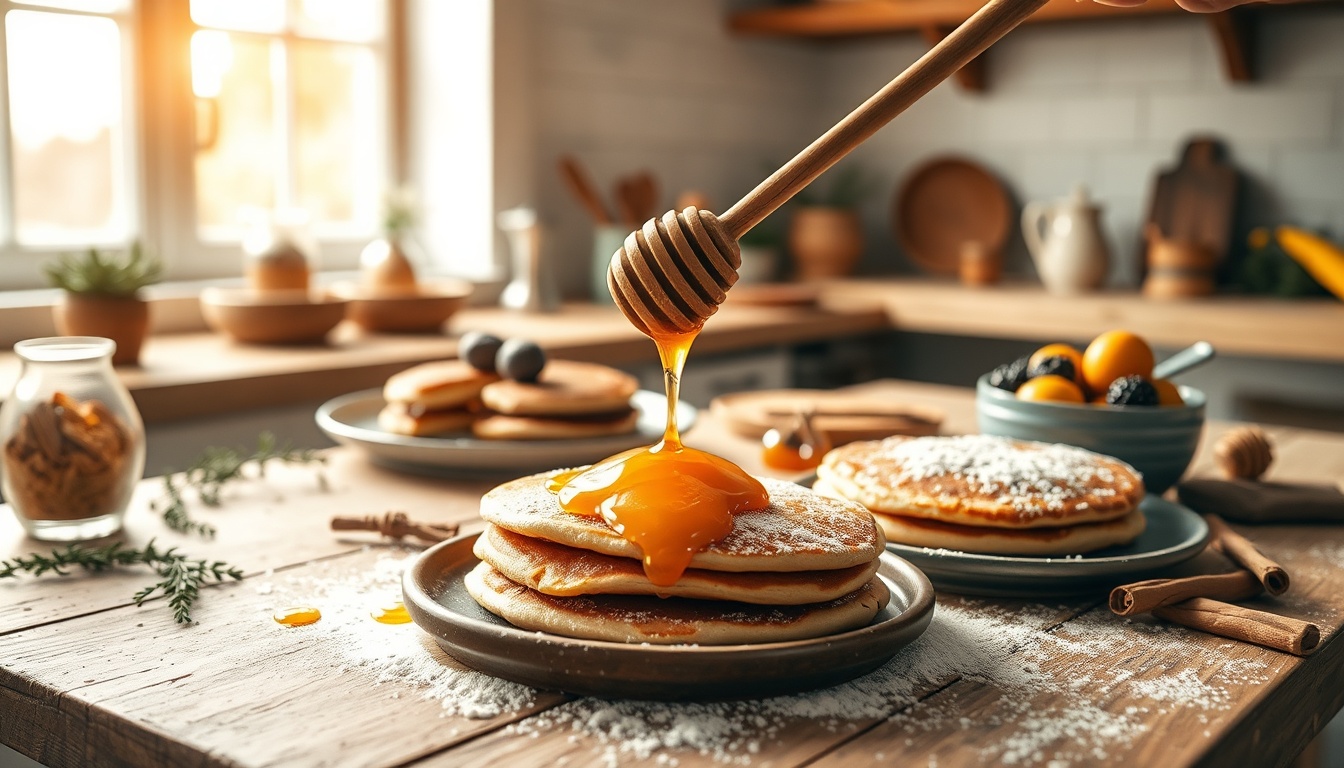
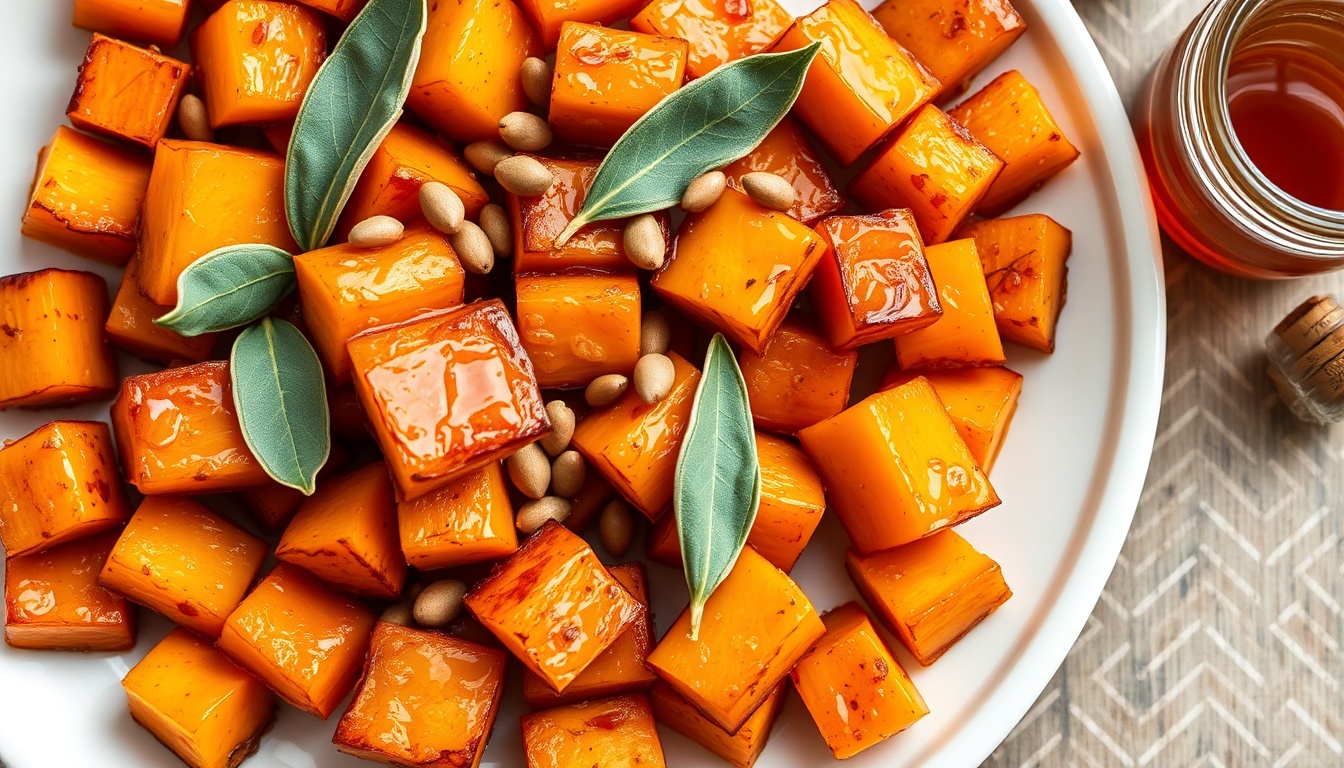
Brown sugar and maple syrup are common choices for roasted squash, but honey outperforms both. Honey's fructose begins caramelizing at 230°F — well below the 320°F required for table sugar — so you get those deep, mahogany-brown caramelized edges without burning. The lower caramelization temperature is especially useful at 425°F, where regular sugar can go from golden to charred in minutes.
Honey also contributes over 180 aromatic compounds (floral, fruity, caramel notes) that amplify butternut squash's natural sweetness rather than masking it with one-dimensional sugar flavor. And because honey is hygroscopic — it attracts and holds moisture — the interior of each cube stays creamy and soft while the exterior crisps into a shell.
How to Pick and Prep Butternut Squash
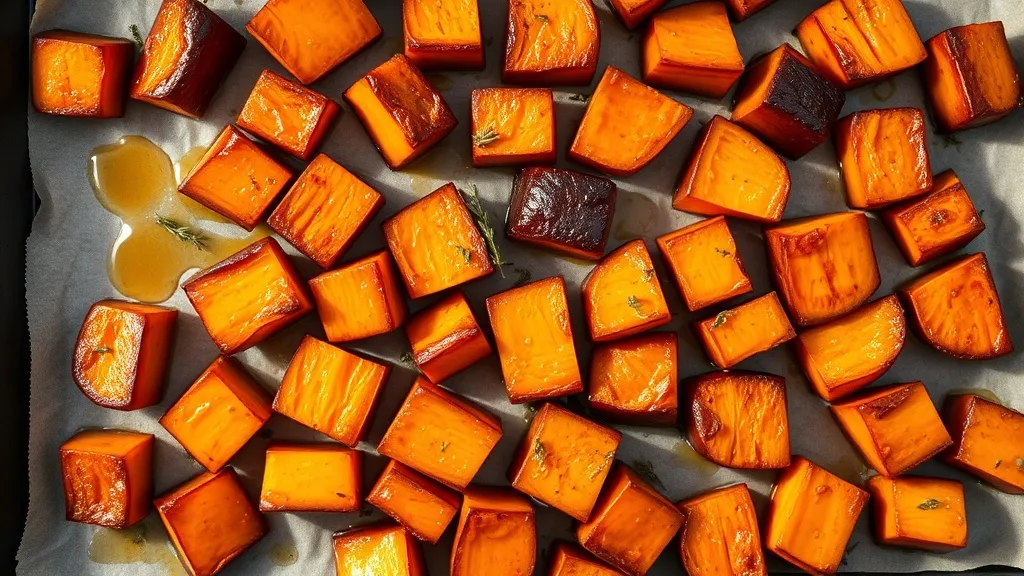
Choosing the right squash makes a noticeable difference:
- **Weight test** — Pick up the squash. It should feel heavy for its size, which indicates dense, sweet flesh rather than a hollow, fibrous interior.
- **Skin color** — Look for a uniform matte beige or tan. Green streaks mean the squash was picked too early and will be starchy rather than sweet.
- **Stem** — A dry, corky stem (not green) indicates full ripeness.
- **Shape** — Choose squash with a long, thick neck and a small bulb. The neck is solid flesh with no seeds, which means more usable squash per pound.
- **Size** — Medium squash (2-3 pounds) have the best flavor concentration. Very large squash tend to be more watery and less sweet.
Pro Tip
Microwave the whole squash for 2-3 minutes before cutting. This softens the skin just enough to make peeling with a vegetable peeler much safer and easier, without cooking the flesh.
Get the Honey Buyer's Cheat Sheet (free PDF)
16 varieties on one page — color, flavor, best use and what a fair price looks like — from the 304 honeys we track.
Best Honey Varieties for Roasted Butternut Squash
The honey variety you choose shifts the final flavor profile:
- Wildflower honey — The best all-around choice. Complex floral notes that complement the squash's natural sweetness without competing with the warm spices.
- Clover honey — Clean, mild sweetness that lets the butternut and cinnamon flavors dominate. Best for people who want a subtle honey presence.
- Buckwheat honey — Bold, molasses-like depth for a deeply savory-sweet roast. Outstanding with the cayenne variation or served alongside rich proteins like pork or duck.
- Orange blossom honey — Citrus aromatics that brighten the squash. Especially good with the cranberry-orange variation below.
- Sage honey — Herbal, slightly savory notes that pair naturally with the thyme garnish and make this feel more like a savory side than a sweet one.
6 Flavor Variations
The base recipe is a canvas for different flavor profiles:
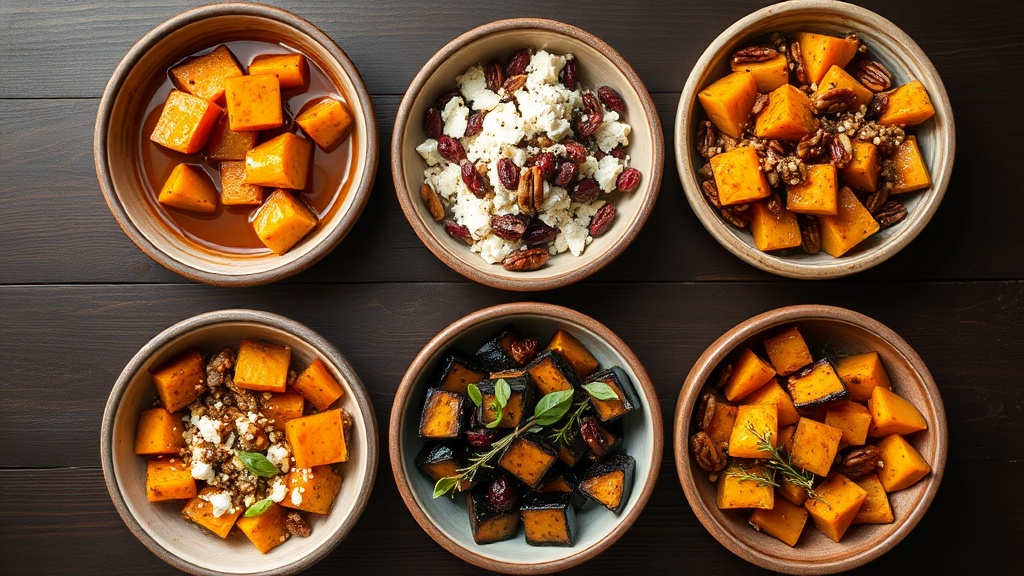
- **Honey-maple brown butter** — Replace the olive oil with 2 tablespoons browned butter and add 1 tablespoon maple syrup to the honey. The browned milk solids add a toffee depth that pairs beautifully with the caramelized squash.
- **Cranberry-pecan harvest** — Toss 1/3 cup dried cranberries and 1/3 cup honey roasted pecans over the squash during the last 5 minutes of roasting. Perfect Thanksgiving side dish.
- **Spicy honey-harissa** — Add 1 tablespoon harissa paste to the honey-oil mixture. The smoky chili heat contrasts the sweet squash. Finish with crumbled feta and fresh mint.
- **Honey-balsamic** — Add 1 tablespoon aged balsamic vinegar to the honey coating. The acidity cuts through the sweetness and creates a deeper, more complex glaze. Finish with shaved Parmesan.
- **Honey-miso umami** — Whisk 1 tablespoon white miso paste into the warmed honey. The fermented soy adds savory depth that makes this side dish addictive. Top with toasted sesame seeds and scallions.
- **Herb garden** — Skip the cinnamon and nutmeg. Instead, toss the squash with honey, olive oil, 1 tablespoon fresh chopped rosemary, and 1 tablespoon fresh thyme leaves. More savory and herbal than sweet.
Serving Suggestions
Honey roasted butternut squash pairs with a wide range of mains and grains:
- Honey balsamic chicken — The sweet-tangy chicken and caramelized squash are a natural match. The balsamic in the chicken echoes well with the roasted squash.
- Honey roasted turkey — The quintessential Thanksgiving pairing. The squash doubles as both side dish and natural gravy accompaniment.
- **Grain bowls** — Toss roasted squash over farro, quinoa, or brown rice with arugula, goat cheese, and a honey balsamic dressing for a hearty vegetarian meal.
- **Soup base** — Blend leftover roasted squash with chicken broth, a splash of cream, and a swirl of honey for a deeply flavored butternut squash soup that takes 5 minutes.
- **Pasta** — Toss with brown butter sage pasta, ricotta, and toasted walnuts. The caramelized squash adds sweetness and body to the dish.
- Honey garlic pork tenderloin — The mild pork lets the squash flavors shine as the star side dish.
Make-Ahead and Storage Tips
Honey roasted butternut squash is one of the best make-ahead side dishes:
- **Prep ahead** — Peel, seed, and cube the squash up to 2 days before roasting. Store in an airtight container in the fridge. Toss with the honey mixture and roast when ready.
- **Leftover storage** — Refrigerate roasted squash in an airtight container for up to 5 days. The honey coating helps prevent the squash from drying out.
- **Reheat** — Spread on a baking sheet and reheat in a 400°F oven for 8-10 minutes to re-crisp the edges. Microwave works but makes the exterior soft.
- **Freeze** — Cool completely, spread on a sheet pan to freeze individually, then transfer to a freezer bag. Stores up to 3 months. Reheat from frozen on a sheet pan at 400°F for 15 minutes.
Pro Tip
Honey's hygroscopic properties help roasted squash retain moisture better than sugar-glazed versions, keeping leftovers creamy even after refrigeration.
Common Mistakes
Avoid these pitfalls for perfectly caramelized results:
- **Crowding the pan** — This is the most common mistake. Overlapping pieces steam instead of roast, creating soft, pale squash instead of crispy caramelized edges. Use two sheet pans if needed.
- **Cutting uneven pieces** — Pieces of different sizes cook at different rates. Small cubes will burn while large chunks stay undercooked. Aim for uniform 1-inch cubes.
- **Skipping the flip** — The flip at 15 minutes is essential. Without it, only the bottom caramelizes while the top stays pale and soft.
- **Oven temperature too low** — You need 425°F for proper caramelization. At 350-375°F, the squash will roast through but never develop those crispy, lacquered edges.
- **Adding honey too early to hot squash** — Warm the honey first so it thins and coats evenly. Cold honey clumps and creates uneven sweetness.
- **Peeling struggles** — If the squash is hard to peel, microwave it whole for 2-3 minutes first. Trying to force a peeler through raw squash risks knife injuries.