Why Honey Walnut Shrimp Is Worth Making at Home
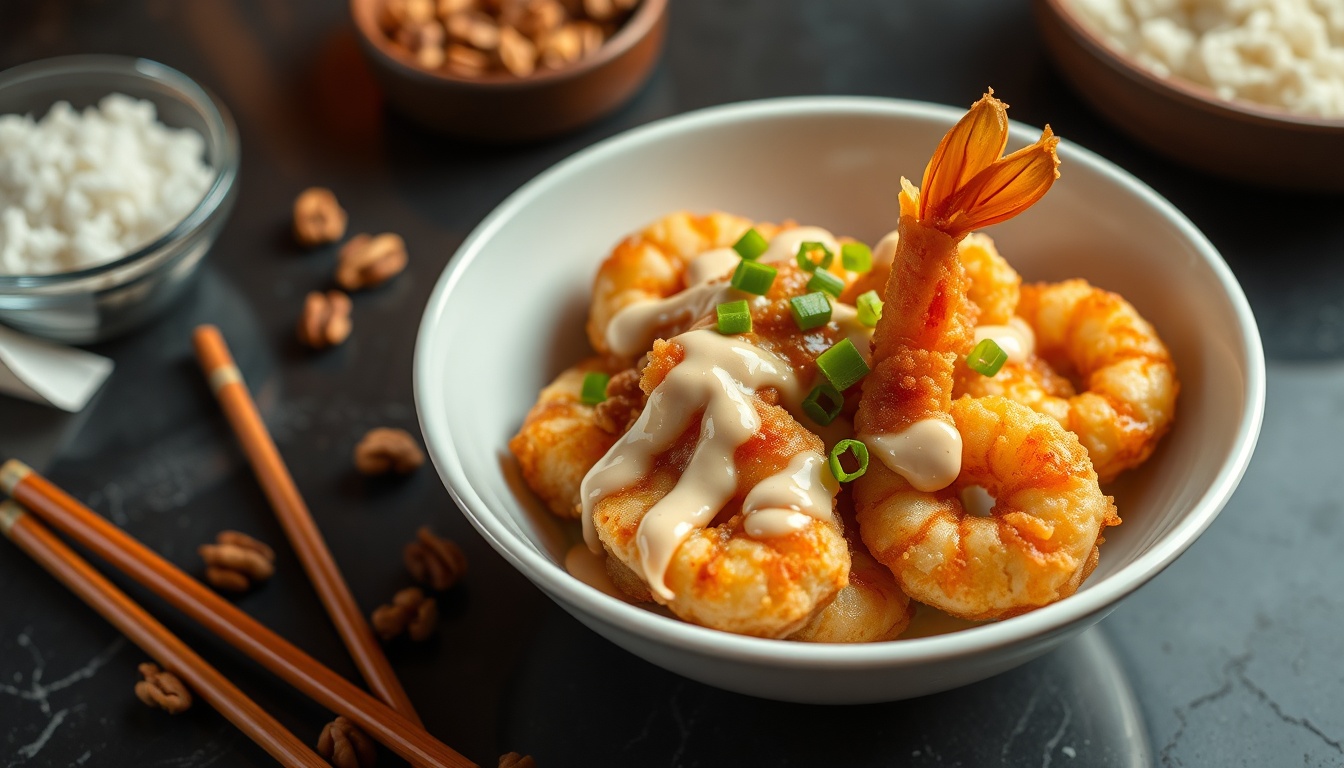
Honey walnut shrimp is one of the most popular dishes in Chinese-American cuisine, and for good reason — the contrast between crispy battered shrimp, sweet candied walnuts, and creamy honey sauce hits every texture and flavor note simultaneously. It originated in Hong Kong in the 1980s and quickly became a signature dish at Panda Express and countless Chinese restaurants across North America.
The secret most restaurants won't tell you: this dish is surprisingly simple to make at home, and the homemade version is significantly better. Restaurant versions typically use artificial sweeteners and preservatives in the sauce. The homemade version uses raw honey for the candied walnuts and sauce, which brings genuine floral complexity and better caramelization than refined sugar.
The three components — candied honey walnuts, crispy tempura-battered shrimp, and creamy honey mayo sauce — each take just 10 minutes. Once you have the technique down, this becomes a 30-minute dinner that rivals any restaurant version.
Choosing the Right Honey
This recipe uses honey in two places — the candied walnuts and the sauce — and the variety you choose affects both.
- **Clover honey** — The best all-around choice. Clean, mild sweetness that lets the walnut and shrimp flavors come through. The most authentic taste.
- **Wildflower honey** — Adds subtle complexity to the sauce. Multi-floral notes complement the richness of the mayo base.
- **Orange blossom honey** — Subtle citrus notes that brighten the creamy sauce. Excellent if you want a lighter, more aromatic version.
- **Acacia honey** — Very mild and lets the other flavors dominate. Good if you prefer less honey flavor in the finished dish.
- **Buckwheat honey** — Too bold for the classic version but creates an interesting, deeper caramel in the candied walnuts. Try it in the spicy variation below.
Pro Tip
Use raw honey for the sauce (mixed in off heat) to preserve enzymes and trace nutrients. For the candied walnuts, any honey works since it will be heated.
Get the Honey Buyer's Cheat Sheet (free PDF)
16 varieties on one page — color, flavor, best use and what a fair price looks like — from the 304 honeys we track.
The Complete Recipe: Honey Walnut Shrimp
This recipe serves 4 as a main course or 6-8 as an appetizer. Total time: 30 minutes.
Ingredients
**For the candied honey walnuts:**
- 1 cup walnut halves
- 3 tablespoons raw honey
- 1 tablespoon water
- Pinch of salt
**For the shrimp:**
- 1 lb large shrimp (21-25 count), peeled and deveined, tails removed
- 1/2 cup cornstarch
- 1/4 cup all-purpose flour
- 1/2 teaspoon baking powder
- 1/2 teaspoon salt
- 1/2 cup cold sparkling water or club soda
- Vegetable oil for frying (about 2 cups)
**For the honey mayo sauce:**
- 1/3 cup mayonnaise
- 2 tablespoons raw honey
- 1 tablespoon sweetened condensed milk
- 1 tablespoon fresh lemon juice
Step-by-Step Instructions
**Step 1: Candy the walnuts.** Combine honey, water, and salt in a small saucepan over medium heat. Once it begins to bubble, add walnuts and stir constantly for 3-4 minutes until the honey thickens and coats every walnut in a glossy shell. Transfer to parchment paper in a single layer and let cool — they'll harden as they cool. Don't touch them until set (about 10 minutes).
**Step 2: Make the sauce.** Whisk together mayonnaise, honey, condensed milk, and lemon juice in a bowl until smooth. Set aside. The sauce can be made up to 3 days ahead and refrigerated.
**Step 3: Prep the batter.** Whisk cornstarch, flour, baking powder, and salt together. Add cold sparkling water and stir until just combined — some lumps are fine. The carbonation creates an extra-crispy, airy batter. Keep the batter cold; warm batter loses its crispiness.
**Step 4: Fry the shrimp.** Heat 2 inches of oil in a heavy pot or wok to 350°F (175°C). Pat shrimp dry, dip each into batter letting excess drip off, and fry in batches of 5-6 for 2-3 minutes until golden and crispy. Don't crowd the pot — this drops the oil temperature. Drain on a wire rack, not paper towels (paper towels trap steam and soften the coating).
**Step 5: Assemble.** Toss fried shrimp with the honey mayo sauce in a large bowl, coating evenly. Transfer to a serving plate. Scatter candied walnuts over the top. Serve immediately — the coating softens within 10-15 minutes.
Pro Tip
The key to extra-crispy shrimp: cold sparkling water in the batter, oil at exactly 350°F, and draining on a wire rack. All three factors matter.
4 Flavor Variations
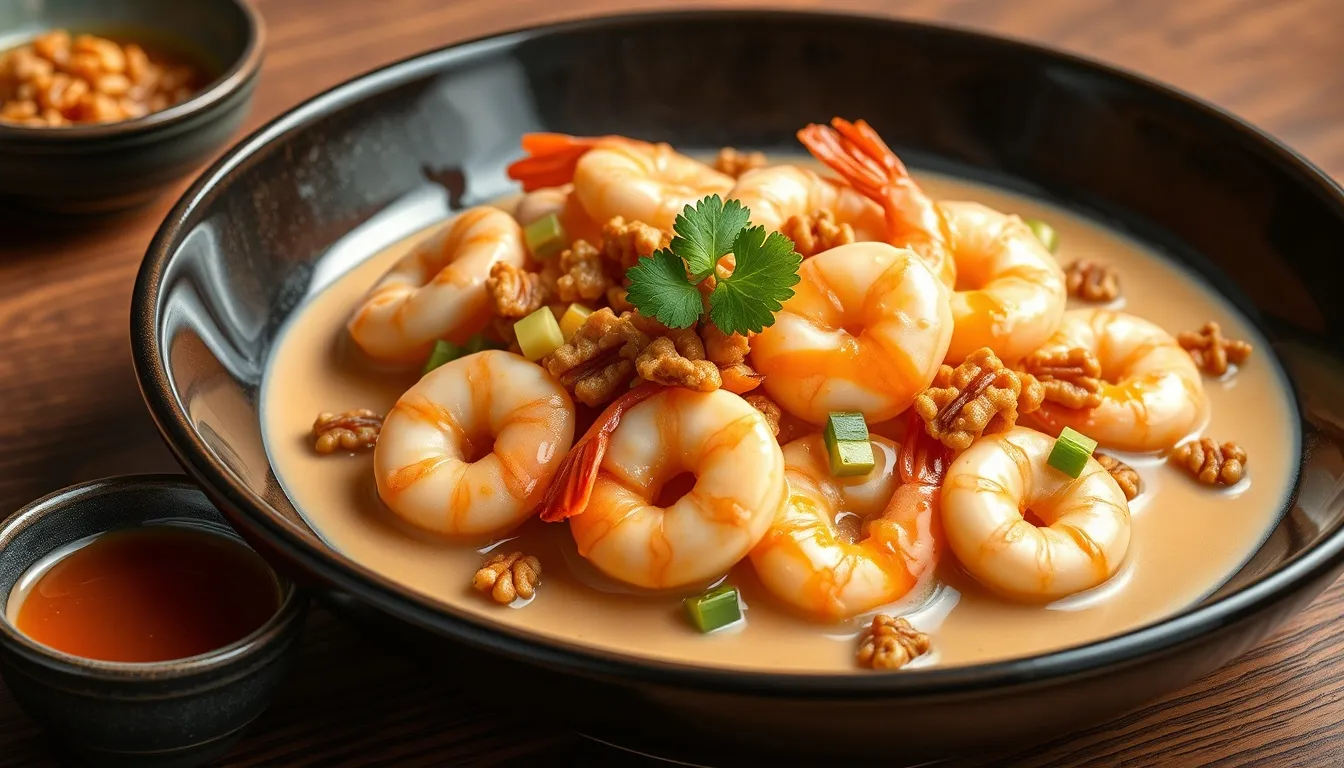
The classic version is hard to beat, but these variations add interesting twists.
- **Spicy Honey Walnut Shrimp:** Add 1 tablespoon sriracha and 1/2 teaspoon white pepper to the sauce. Use hot honey instead of regular honey for extra heat layering. Garnish with sliced Thai chilies.
- **Sesame Honey Walnut Shrimp:** Add 1 tablespoon toasted sesame oil to the sauce and garnish with toasted sesame seeds and sliced scallions. Toss the candied walnuts in sesame seeds while still sticky.
- **Coconut Honey Walnut Shrimp:** Replace half the cornstarch batter with shredded coconut for a tropical crunch. Add 1 tablespoon coconut cream to the sauce. Garnish with toasted coconut flakes.
- **Air Fryer Version:** Skip the deep frying. Spray battered shrimp with cooking oil and air fry at 400°F for 8-10 minutes, flipping halfway. Slightly less crispy but significantly less oil. Everything else stays the same.
Serving Suggestions
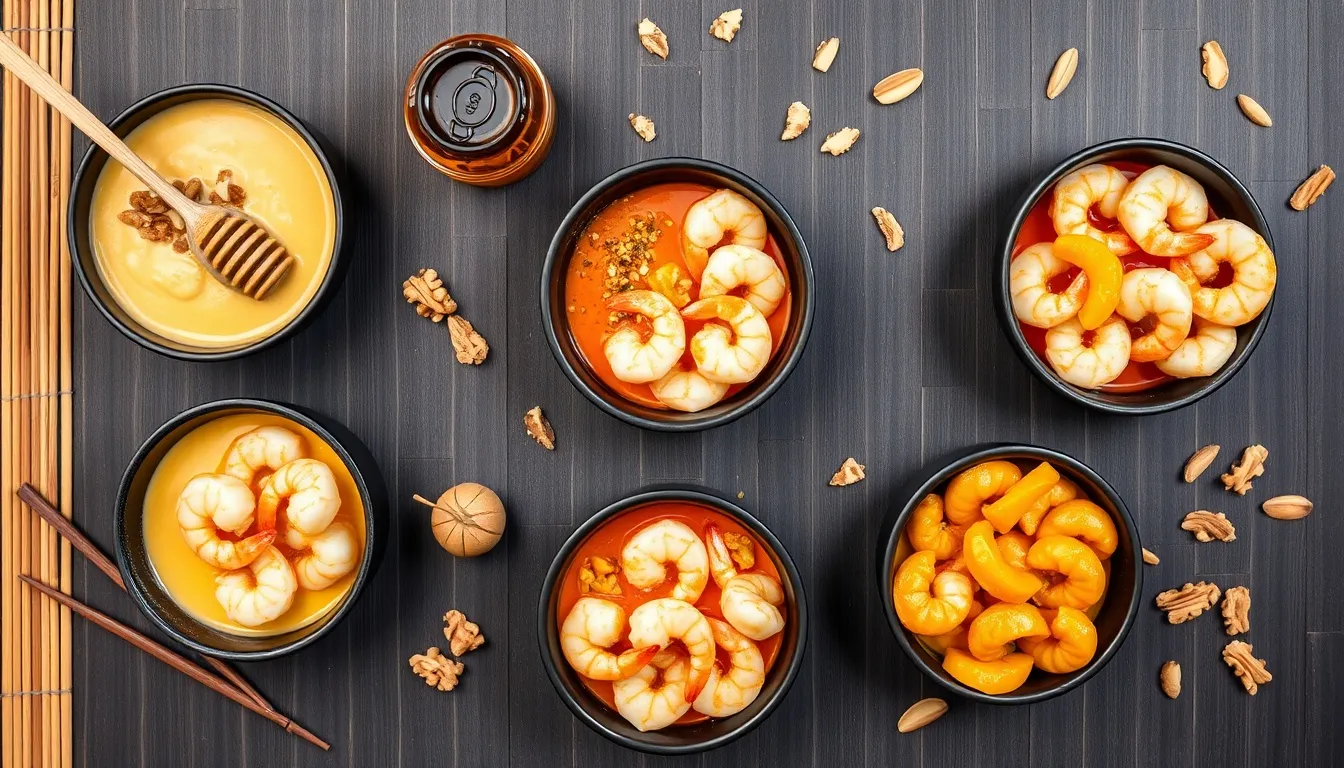
Honey walnut shrimp is traditionally served as a main course over steamed white rice, but it works beautifully in other contexts too.
- **Steamed jasmine rice** — The classic pairing. The creamy sauce mixes into the rice for every bite.
- **Fried rice** — Serve alongside vegetable or egg fried rice for a more substantial meal.
- **Lettuce cups** — Spoon shrimp into butter lettuce leaves for an elegant appetizer or light meal.
- **Asian noodle salad** — Serve over cold sesame noodles with cucumber and shredded carrots.
- **Steamed broccoli** — The traditional restaurant side. The sauce doubles as a broccoli dressing.
- **On its own as an appetizer** — Arrange on a platter with toothpicks for parties. The sauce is self-contained so it's not messy.
Pro Tips for Restaurant-Quality Results
- **Use sparkling water, not still.** The CO2 bubbles create tiny air pockets in the batter that expand during frying, producing an impossibly light, crispy shell.
- **Keep everything cold.** Cold batter + hot oil = maximum crispiness. If your kitchen is warm, put the batter bowl over ice.
- **Don't skip the wire rack.** Paper towels trap steam against the shrimp, making the batter soggy within minutes. A wire rack over a sheet pan lets air circulate.
- **Candy walnuts first.** They need time to cool and harden. If they're still warm when you assemble, they'll soften in the sauce.
- **Toss and serve immediately.** Once the sauce touches the batter, the clock starts. Have everything ready — plates, sides, garnishes — before you toss.
- **Oil temperature matters.** Use a thermometer. Below 340°F, shrimp absorb oil and turn greasy. Above 370°F, the batter browns before the shrimp cooks through.
Storage and Meal Prep
**Storage:** Honestly, this dish doesn't store well. The crispy batter softens within hours, even refrigerated. If you must store leftovers, keep shrimp and sauce separate and reheat shrimp in a 400°F oven for 5-7 minutes to re-crisp before tossing with sauce.
**Meal prep strategy:** Candy the walnuts up to 1 week ahead (store in an airtight container at room temperature). Make the sauce up to 3 days ahead (refrigerate). Prep and batter the shrimp up to 2 hours ahead (refrigerate on a parchment-lined tray). Fry fresh when ready to serve — it takes only 10 minutes.
**Freezing:** Not recommended. The batter and sauce both degrade significantly when frozen and reheated.
Nutrition: Homemade vs Restaurant
Restaurant honey walnut shrimp can pack 800-1,200 calories per serving due to heavy frying, excess sugar, and oversized portions. This homemade version uses about 350-400 calories per serving with controlled portions and raw honey instead of corn syrup.
The walnuts add genuine nutritional value — they're one of the best plant sources of omega-3 ALA fatty acids. The honey in the sauce replaces the refined sugar used in many restaurant versions.
Shrimp itself is a lean protein powerhouse: 20g protein and only 85 calories per 4-ounce serving, plus significant selenium (48% DV), iodine, and astaxanthin, the pigment responsible for shrimp's pink color.