Why Honey Makes Better Apple Butter
Traditional apple butter recipes call for 2-4 cups of granulated sugar — sometimes more sugar than fruit. Honey replaces all of it while improving the final product in three ways.
First, honey's fructose enhances the perception of fruit flavor. Research in food science shows that fructose amplifies fruity and floral taste compounds, which is why honey-sweetened apple butter tastes more "apple-forward" than sugar-sweetened versions. Second, honey adds its own aromatic complexity — over 180 volatile compounds that layer into the apple and spice flavors during the long cook. Third, honey's natural acidity (pH 3.4-6.1) works alongside the lemon juice to develop brighter, more balanced flavors.
The result is apple butter that tastes intensely of apples and spice with a rounded sweetness, rather than the one-note sugary taste of most commercial apple butters.
Choosing the Best Apples
A mix of apple varieties creates the most complex flavor. Aim for a combination of sweet and tart:
- **Best sweet apples** — Fuji, Honeycrisp, Golden Delicious, and Gala. These break down easily and contribute natural sugars that reduce how much honey you need.
- **Best tart apples** — Granny Smith, Braeburn, and Jonathan. These add acidity and brightness that prevent the apple butter from tasting flat.
- **Ideal blend** — Two-thirds sweet apples, one-third tart. For example, 8 Fuji or Gala plus 4 Granny Smith. This combination provides natural sweetness with enough acid to create depth.
- **Soft apples (great choice)** — McIntosh, Cortland, and Macoun cook down the fastest and produce the smoothest texture with minimal blending.
- **Avoid** — Red Delicious apples. They are mealy, bland, and contribute little flavor. Firm baking apples like Northern Spy work but take longer to break down.
Pro Tip
Use slightly bruised or imperfect apples — they are often discounted at farmers markets and work perfectly for apple butter since everything gets cooked down and pureed.
Get the Honey Buyer's Cheat Sheet (free PDF)
16 varieties on one page — color, flavor, best use and what a fair price looks like — from the 304 honeys we track.
Best Honey Varieties for Apple Butter
The honey flavor shows through in the finished apple butter, so your choice matters:
- Wildflower honey — The top pick. Its complex floral notes complement the apple and spice profile without dominating. Each batch will taste slightly different depending on the wildflower blend.
- Clover honey — Clean and mild, letting the apple flavor be the star. The most neutral option if you want pure apple-and-spice taste.
- Orange blossom honey — Adds a citrus brightness that works beautifully with the apples and cinnamon. Especially good when paired with Granny Smith apples.
- Buckwheat honey — Deep, molasses-like flavor that creates darker, richer apple butter reminiscent of old-fashioned recipes. Use this with sweet apple varieties to balance its boldness.
- **Avoid for this recipe:** Manuka honey — too medicinal in flavor and too expensive for the quantity needed.
Three Cooking Methods
The slow cooker is the hands-off gold standard, but two alternatives work if you are short on time:
- **Slow cooker (recommended)** — 8-10 hours on LOW. The gentlest method produces the deepest color and most complex flavor through extended Maillard reactions. Set it before bed and wake up to apple butter.
- **Stovetop** — Combine all ingredients in a heavy-bottomed Dutch oven. Bring to a boil, then reduce to the lowest possible simmer. Cook partially covered for 2-3 hours, stirring every 15-20 minutes to prevent scorching. More hands-on but faster.
- **Instant Pot** — Add all ingredients, seal, and pressure cook on HIGH for 15 minutes. Natural release for 10 minutes, then quick release. Open, blend smooth, then use the Saute function on LOW for 20-30 minutes to thicken, stirring frequently. Total time: about 1 hour.
Pro Tip
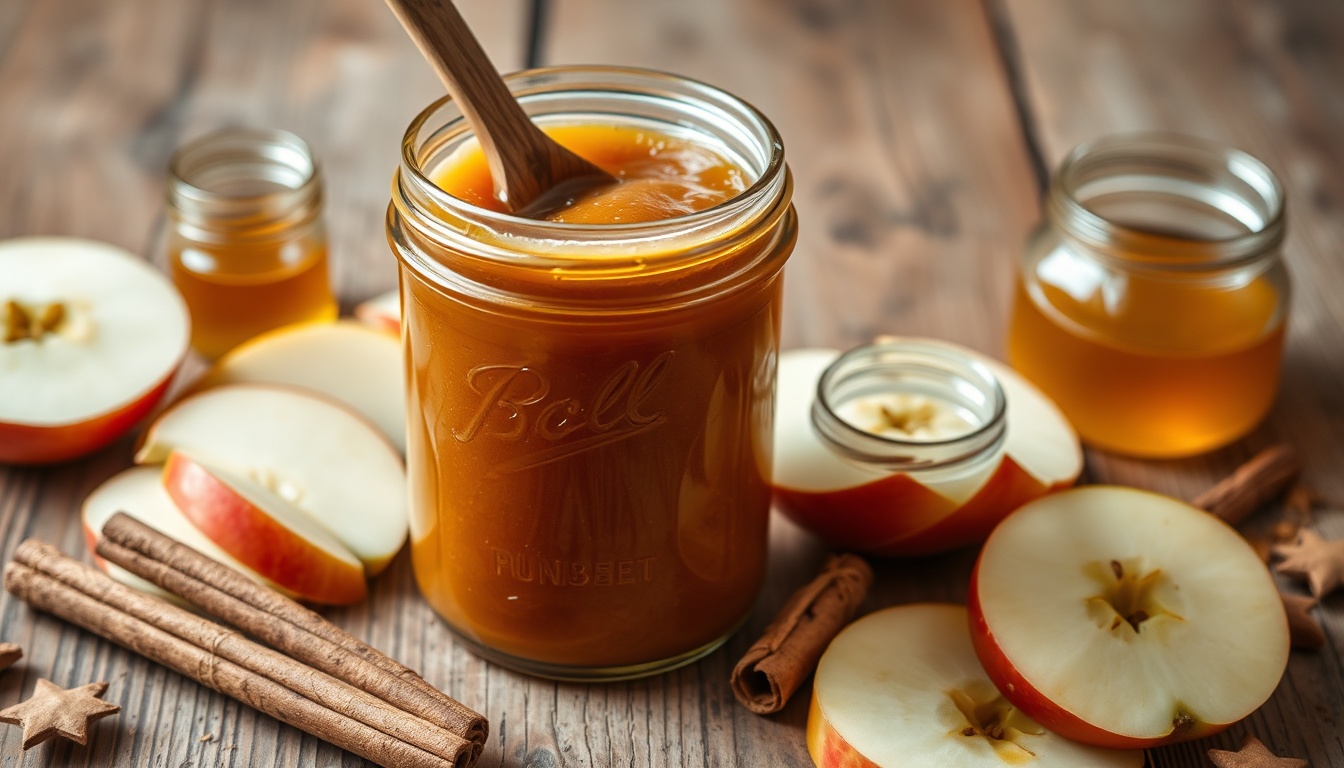
Regardless of method, the apple butter is done when you can drag a spoon across the bottom of the pot and the trail holds for 2-3 seconds before filling back in.
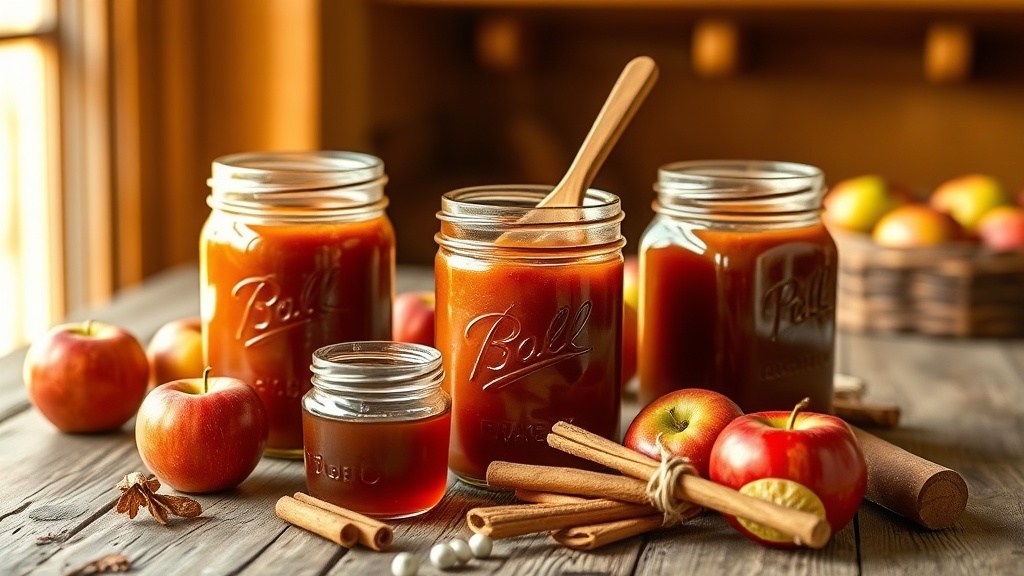
Canning and Long-Term Storage
Honey apple butter is naturally suited to water bath canning because of its high acidity:
- **Refrigerator storage** — Transfer to clean glass jars and refrigerate for up to 3 weeks. No special processing needed.
- **Freezer storage** — Pour into freezer-safe containers, leaving 1/2 inch headspace for expansion. Freeze for up to 12 months. Thaw overnight in the refrigerator.
- **Water bath canning** — Ladle hot apple butter into sterilized half-pint jars, leaving 1/4 inch headspace. Wipe rims, apply lids and bands. Process in a boiling water bath for 10 minutes (adjust for altitude). Properly sealed jars keep for 12-18 months in a cool, dark pantry.
- **pH check** — Apple butter with lemon juice typically has a pH of 3.5-3.8, well within safe canning range (below 4.6). If you reduce the lemon juice, test with pH strips before canning.
10 Ways to Use Honey Apple Butter
Apple butter is far more versatile than a toast spread:
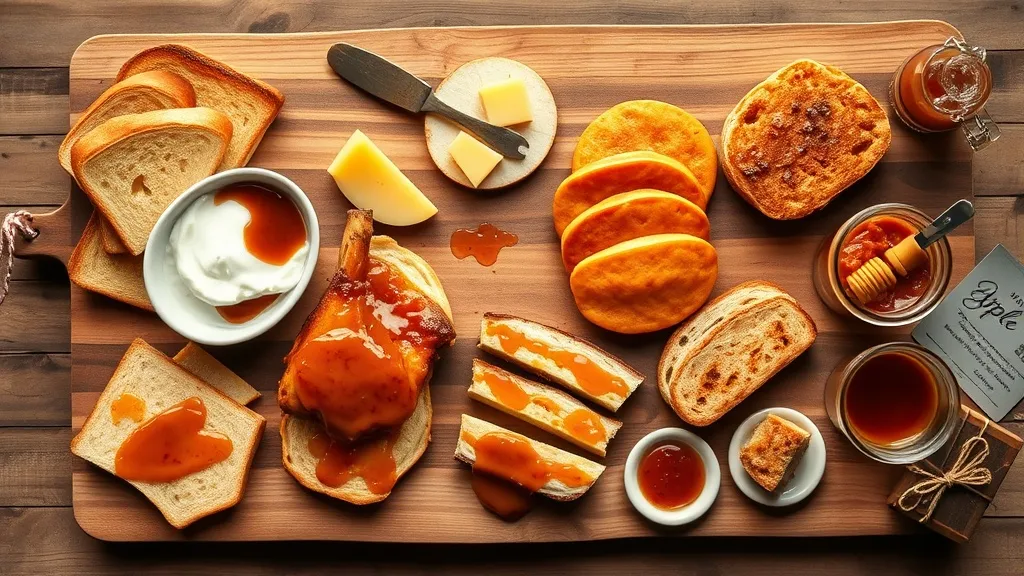
- **Toast and biscuits** — The classic. Spread thick on warm toast, honey biscuits, or honey butter rolls.
- **Yogurt and oatmeal** — Swirl 2 tablespoons into plain yogurt or honey oatmeal for a naturally sweet breakfast.
- **Cheese boards** — Apple butter pairs exceptionally with sharp cheddar, brie, and gouda. Add to any charcuterie or cheese board alongside honey.
- **Pork glaze** — Brush onto honey glazed pork belly or pork chops during the last 10 minutes of cooking. The sugars caramelize into a sticky, spiced glaze.
- **Sandwich spread** — Replace mayo or mustard on turkey, ham, or grilled cheese sandwiches. The sweet-savory combination is addictive.
- **Pancake and waffle topping** — Warm the apple butter slightly and pour over honey pancakes or honey waffles instead of syrup.
- **Cake filling** — Spread between layers of honey cake or use as a filling for thumbprint cookies.
- **Barbecue glaze** — Mix equal parts apple butter and your favorite barbecue sauce for a smoky-sweet glaze for ribs, chicken, or pulled pork.
- **Cocktail ingredient** — Shake 1 tablespoon into bourbon cocktails, hard cider, or fall-themed drinks for a spiced apple sweetener.
- **Gift jars** — Pour into small mason jars with a label and ribbon. Honey apple butter is one of the most appreciated homemade gifts, especially during fall and winter holidays.
Common Mistakes
Avoid these to get thick, flavorful apple butter every time:
- **Not cooking long enough** — Apple butter needs time. If it still looks like applesauce, it is not done. Continue cooking until it is dark brown, thick, and mounds on a spoon. The color should be deep amber to mahogany.
- **Adding honey too early on stovetop** — In the stovetop method, add honey halfway through cooking. Adding it at the start risks scorching the sugars on the bottom of the pot. The slow cooker method does not have this issue because the temperature stays lower.
- **Skipping the lemon juice** — Lemon juice is not just for flavor. It balances the sweetness, preserves the color, and ensures safe acidity for canning. Do not omit it.
- **Using only one apple variety** — Single-variety apple butter is one-dimensional. A mix of sweet and tart apples creates layers of flavor that no single variety can achieve alone.
- **Leaving the lid on the whole time** — The last 30-60 minutes should be uncovered to let excess moisture evaporate. A covered pot traps steam and prevents the apple butter from thickening properly.
- **Storing while hot** — Hot apple butter in a sealed container creates condensation that can dilute the top layer and promote mold in non-canned jars. Cool completely before sealing.