Why Honey Makes Better Whipped Cream
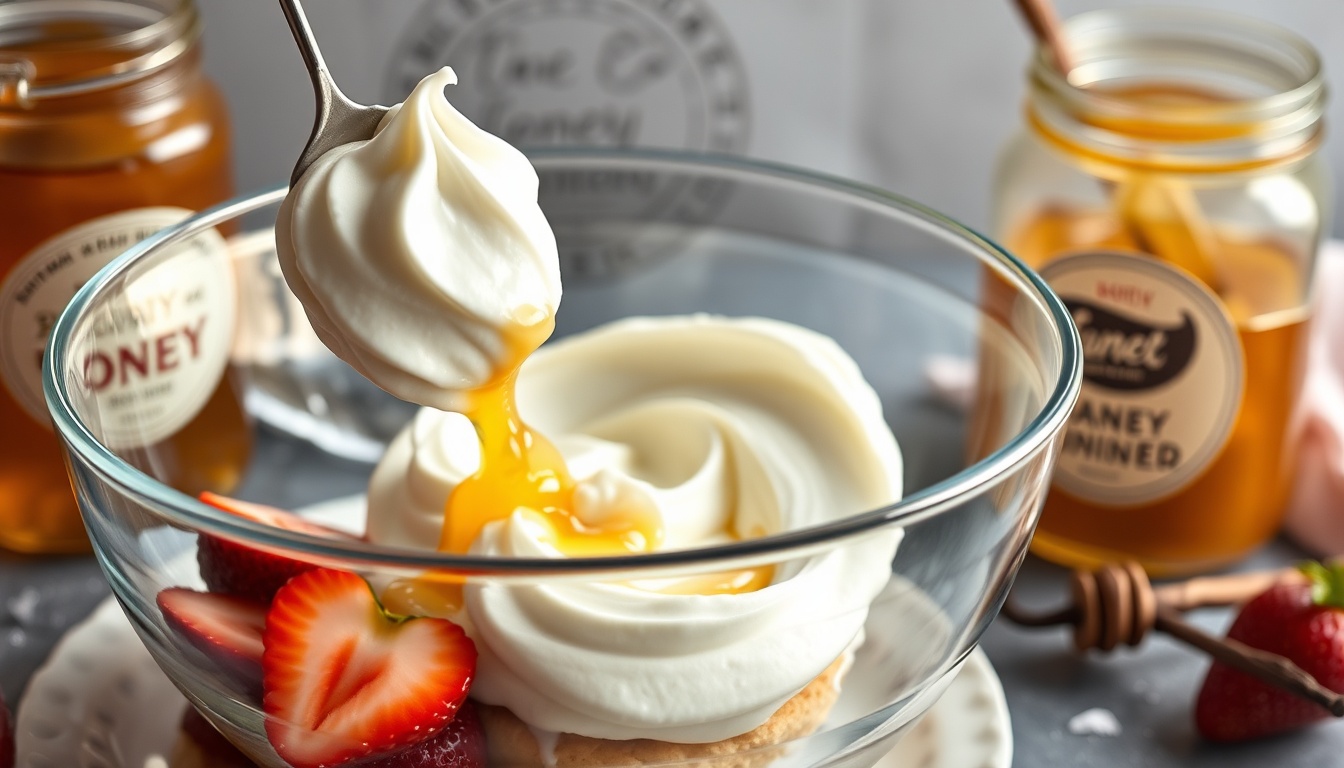
Most whipped cream recipes call for powdered sugar, but honey is a superior sweetener for three reasons. First, honey is hygroscopic — it attracts and holds moisture from the air, which helps stabilize the whipped cream and keeps it fluffy longer. Sugar-sweetened whipped cream starts deflating within 30 minutes; honey whipped cream can hold its shape for over an hour at room temperature.
Second, honey adds flavor complexity that sugar simply cannot. Depending on the variety you choose, you get floral, caramel, citrus, or butterscotch notes layered into the cream. This turns whipped cream from a plain topping into an actual flavor component of your dessert.
Third, honey's liquid form incorporates more smoothly into cream than granulated sugar, which can leave a slight grittiness if not fully dissolved. Powdered sugar solves the texture problem but adds cornstarch. Honey gives you smooth sweetness with zero additives.
Ingredients
This recipe makes about 2 cups of whipped cream — enough to top a pie, 8 dessert servings, or a batch of hot cocoa.
- 1 cup heavy whipping cream — must be cold, at least 36% fat. Do not use light cream, half-and-half, or whipping cream labeled "ultra-pasteurized" if avoidable (it whips but takes longer and is less stable)
- 2 tablespoons honey — clover ($9–15) for clean sweetness, wildflower ($13–24) for floral depth, or orange blossom ($12–24) for citrus notes. Start with 2 tablespoons and taste — add more if you prefer sweeter cream
- 1/2 teaspoon vanilla extract — pure vanilla, not imitation. Optional but recommended for a classic flavor profile
Pro Tip
The cream must be very cold — 35-38°F. Warm cream won't whip properly because the fat globules need to be firm enough to trap air bubbles. If your cream has been sitting out, return it to the fridge for 15 minutes before starting.
Get the Honey Buyer's Cheat Sheet (free PDF)
16 varieties on one page — color, flavor, best use and what a fair price looks like — from the 304 honeys we track.
Step-by-Step Instructions
Total time: 5 minutes active. No cooking, no waiting.
- Chill your equipment: Place a metal mixing bowl and your whisk attachment (or beaters) in the freezer for 10 minutes. This is the single most important step — a cold bowl keeps the cream cold during whipping, giving you more time to reach perfect peaks without overwhipping.
- Start whipping: Pour the cold heavy cream into the chilled bowl. Beat on medium speed (speed 4-6 on most stand mixers) for about 1 minute until the cream thickens and starts leaving trails behind the whisk.
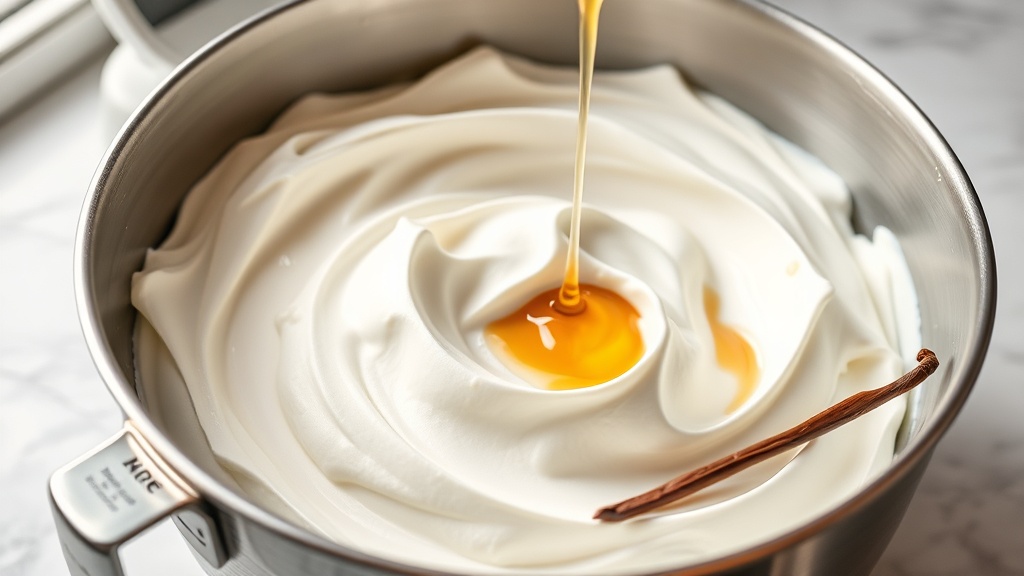
- Add the honey: Drizzle the honey in a slow, thin stream while continuing to whip on medium speed. Adding it gradually prevents the honey from sinking to the bottom. Add the vanilla extract at the same time.
- Whip to soft peaks: Increase speed to medium-high (speed 6-8) and whip for 1-2 more minutes until the cream forms soft peaks — when you lift the whisk, the cream holds its shape but the tip curls over gently. This is the ideal texture for most uses.
- Check and adjust: Taste and add more honey if desired (up to 1 additional tablespoon). A few more seconds of whipping will incorporate it. Stop as soon as you reach your desired sweetness and texture.
Pro Tip
If you accidentally overwhip and the cream looks grainy or starts separating, fold in 1-2 tablespoons of fresh cold cream with a spatula. This can rescue it — but only once. If it's fully separated into butter and liquid, you've made honey butter instead (still delicious on toast or biscuits).
Soft Peaks vs Stiff Peaks
Understanding the difference helps you match your whipped cream to its purpose.
Soft peaks (stop here for most uses): The cream holds its shape when the whisk is lifted but the tip gently folds over. Perfect for dolloping on pie, hot cocoa, fruit, and pancakes. This is the most versatile stage.
Medium peaks: The tip mostly stands upright with a slight lean. Good for piping through a pastry tip, frosting cupcakes, and layering in trifles.
Stiff peaks: The cream stands straight up when the whisk is lifted. Use for frosting layer cakes, filling cream puffs, or when the recipe specifically calls for stiff whipped cream. Be careful — stiff peaks are 5-10 seconds away from overwhipped butter.
5 Flavor Variations
Each variation starts with the base honey whipped cream recipe. Add the extra ingredients after the honey is incorporated but before you reach your target peak stage.
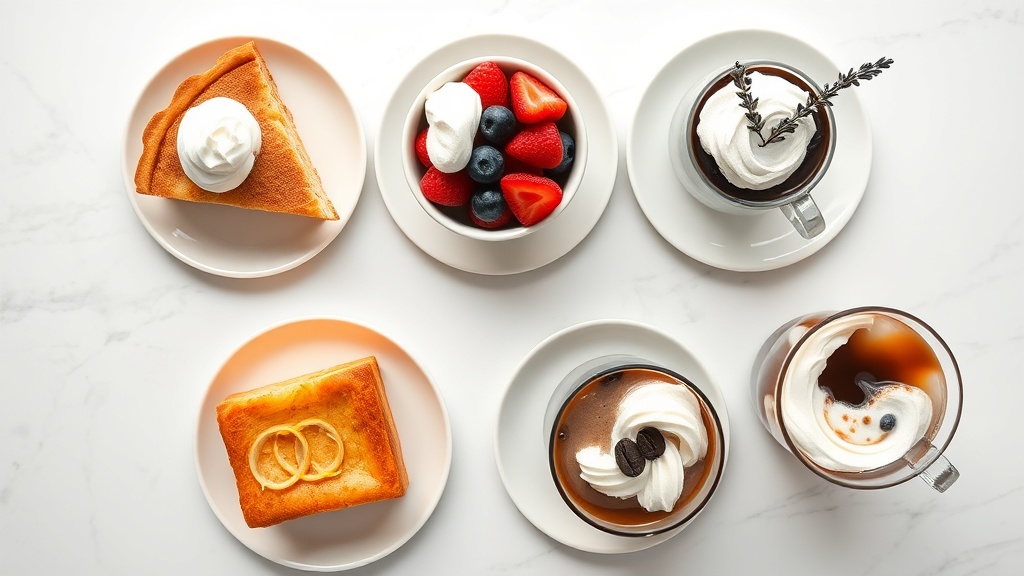
- Honey cinnamon whipped cream — Add 1/2 teaspoon ground cinnamon. Perfect on apple pie, overnight oats, and pumpkin desserts. Use honey and cinnamon for a warming autumn topping
- Honey lavender whipped cream — Add 1/2 teaspoon culinary lavender (ground fine) or use lavender honey. Elegant on berries, lemon bars, and shortcake
- Honey cocoa whipped cream — Sift in 1 tablespoon unsweetened cocoa powder before whipping. Creates a light chocolate cream that's stunning on coffee, brownies, and honey cake
- Honey citrus whipped cream — Add the zest of 1 lemon or orange. Bright and fresh on cornbread, pancakes, and berry desserts. Orange blossom honey amplifies the citrus theme
- Honey espresso whipped cream — Dissolve 1 teaspoon instant espresso powder in the vanilla extract before adding. Outstanding on tiramisu, ice cream, and chocolate desserts
Best Honey Varieties for Whipped Cream
Because whipped cream is delicate, the honey flavor comes through clearly. Choose based on what you're topping.
- Clover honey ($9–15) — mild, clean sweetness that disappears into the cream. Best when you want sweetened whipped cream without a strong honey flavor. Works with everything and the best value
- Wildflower honey ($13–24) — our top recommendation. Adds subtle floral complexity without overwhelming the cream. Pairs with fruit, pie, and chocolate
- Orange blossom honey ($12–24) — light citrus notes that brighten desserts. Exceptional on berry shortcake, lemonade floats, and tropical fruit
- Lavender honey ($11–17) — delicate floral notes for an elegant touch. Pairs with berries, stone fruit, and light cakes
- Acacia honey ($9–16) — very mild, thin, and almost neutral. Choose this when you want the thinnest possible sweetness — the whipped cream will taste sweet but not distinctly like honey
- Avoid buckwheat or other dark honeys — their strong, molasses-like flavors are too assertive for whipped cream and can give it an unappetizing grayish tint
How to Stabilize Honey Whipped Cream
Honey already stabilizes whipped cream better than sugar, but if you need it to hold for hours — like for a dessert buffet or cake frosting — here are two reliable methods.
- Cream cheese method: Beat 2 ounces of room-temperature cream cheese until smooth, then gradually add the honey and cream. This creates an ultra-stable whipped cream that holds for 24 hours in the fridge and pipes beautifully
- Gelatin method: Bloom 1 teaspoon unflavored gelatin in 1 tablespoon cold water for 5 minutes, then microwave for 10 seconds to dissolve. Let it cool to room temperature, then drizzle it into the cream when you add the honey. Holds overnight
Pro Tip
For most uses, unstabilized honey whipped cream is perfectly fine. It holds at room temperature for about an hour and in the fridge for up to 3 days (rewhip briefly before serving). Only stabilize if you need it to hold its shape for extended periods.
Storage Tips
Honey whipped cream stores better than sugar versions, but it's always best fresh.
- Room temperature: Holds shape for about 1 hour. Fine for dinner party service
- Refrigerator: Store in an airtight container for up to 3 days. It will deflate slightly — give it 30 seconds of rewhipping with a whisk to revive it
- Freezer: Drop dollops onto a parchment-lined baking sheet, freeze until solid, then transfer to a zip-top bag. Place frozen dollops directly onto hot cocoa, pie, or desserts — they'll thaw in 5 minutes while staying beautifully shaped
- Do not leave whipped cream at room temperature in warm environments (above 75°F) for more than 30 minutes — the cream can begin to separate