Getting the Ratios Right
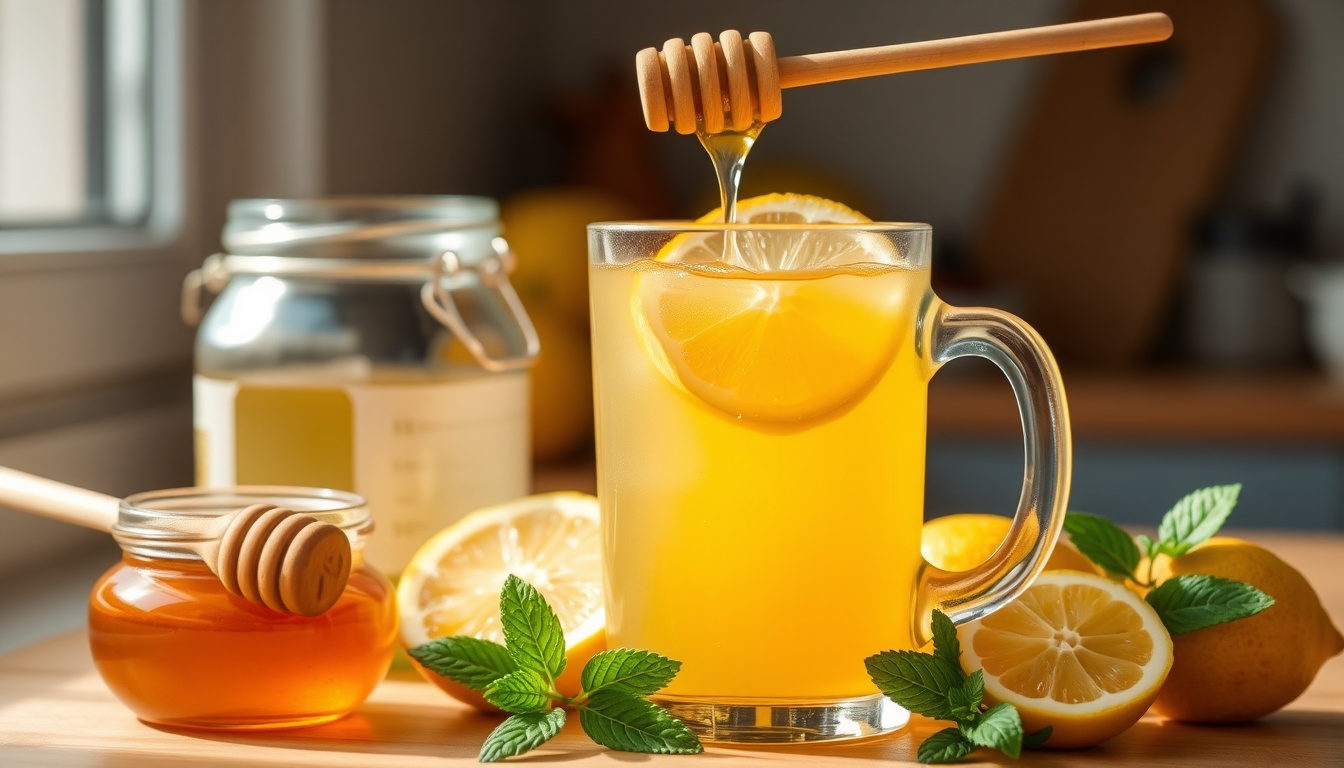
The standard ratio is 1 tablespoon of honey and the juice of half a lemon per 8 ounces of water. This produces a drink that is noticeably sweet with balanced citrus tartness — pleasant enough to drink daily without it feeling medicinal.
If you find it too sweet, reduce the honey to 2 teaspoons or increase the lemon to a full lemon. If too tart, use a full tablespoon of honey with just a quarter lemon. The beauty of making it yourself is adjusting to your preference rather than accepting a pre-mixed ratio.
One important detail: always use fresh lemon juice, not bottled. Bottled lemon juice is pasteurized and contains preservatives like sodium metabisulfite that alter the flavor and remove the fresh citrus oils that give the drink its characteristic brightness. A single lemon yields enough juice for 2-3 servings and costs less than a few ounces of bottled juice.
Pro Tip
Roll the lemon firmly against the counter with your palm before cutting it. This breaks the internal membranes and releases significantly more juice — you can get 30-50% more from a rolled lemon than an unrolled one.
Water Temperature Matters
The temperature debate around honey lemon water is more nuanced than most sources suggest.
Raw honey contains heat-sensitive enzymes like diastase and glucose oxidase that begin degrading above 104°F (40°C) and are largely destroyed above 140°F (60°C). However, the polyphenol antioxidants, prebiotic oligosaccharides, and mineral content of honey are heat-stable and survive boiling water without issue.
The practical compromise: use water that has cooled to a comfortable drinking temperature — warm enough to dissolve the honey easily (140-160°F), but not scalding. If preserving every raw honey enzyme matters to you, dissolve the honey in a small amount of warm water first, then add cooler water to bring the temperature down before stirring in the honey.
For a cold version — especially refreshing in summer — dissolve the honey in 2 tablespoons of hot water in the bottom of your glass, then fill with cold water and ice. The honey dissolves poorly in cold water directly, leaving a sticky layer at the bottom.
Get the Honey Buyer's Cheat Sheet (free PDF)
16 varieties on one page — color, flavor, best use and what a fair price looks like — from the 304 honeys we track.
Best Honey Varieties for Lemon Water
Since this is a simple drink with only three ingredients, the honey variety you choose has a noticeable impact on flavor.
- Wildflower honey — complex, rounded sweetness that complements lemon beautifully. The best default choice and what most people should use
- Clover honey — mild, clean sweetness that lets the lemon flavor dominate. Good if you want a more citrus-forward drink
- Acacia honey — very light with vanilla undertones and the lowest glycemic index of common honeys. Best choice if you are managing blood sugar
- Manuka honey — rich, slightly earthy flavor with documented antimicrobial properties. Worth using during cold and flu season for the extra immune support, though the flavor is more polarizing than mild honeys
- Orange blossom honey — light citrus-floral notes that amplify the lemon flavor naturally. Creates the most harmonious flavor pairing of any variety in this drink
5 Boosted Variations
The basic recipe works perfectly on its own, but these additions target specific goals.
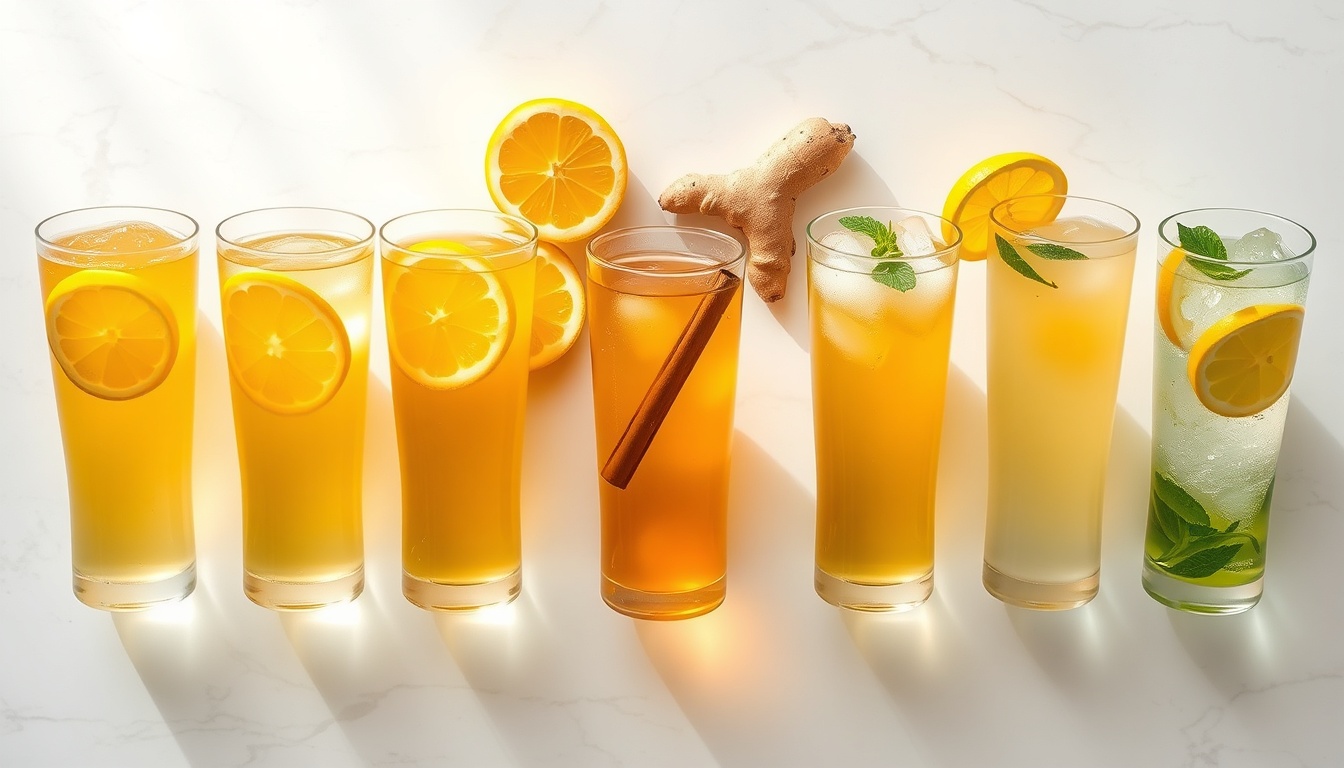
- Ginger boost — add 1/2 teaspoon freshly grated ginger or 2-3 thin slices of fresh ginger. The gingerols add gentle warmth and anti-nausea properties. Especially good in the morning or when you feel a cold coming on. Let the ginger steep in the warm water for 2-3 minutes before adding honey and lemon
- Cinnamon boost — add 1/4 teaspoon of Ceylon cinnamon powder or one cinnamon stick. Cinnamon adds warmth and pairs naturally with honey. Stir well, as cinnamon powder tends to float. The cinnamon stick version is more subtle and avoids the powdery texture
- Turmeric golden boost — add 1/4 teaspoon ground turmeric and a pinch of black pepper. The piperine in black pepper meaningfully increases curcumin absorption. Creates a golden-colored drink with a slightly earthy, peppery warmth. The honey and lemon mask the bitterness of turmeric
- Apple cider vinegar boost — add 1 tablespoon of raw, unfiltered apple cider vinegar. The acidity of both lemon and ACV is strong, so increase the honey to 1.5 tablespoons to balance. Shake or stir vigorously since ACV tends to separate
- Mint refresh — add 4-5 fresh mint leaves, lightly muddled. Best as a cold version over ice. The menthol in mint adds a cooling sensation that pairs surprisingly well with honey sweetness. A perfect afternoon pick-me-up in warm weather
When to Drink It
You can drink honey lemon water at any time, but timing affects the experience.
Morning on an empty stomach is the most popular time. The warm liquid is gentle on a waking digestive system, the honey provides quick energy via easily absorbed glucose and fructose, and the lemon juice stimulates bile production which prepares the digestive system for breakfast. Wait 15-20 minutes before eating for the best effect.
Before bed is the second most common time. The honey replenishes liver glycogen — the mechanism behind honey as a sleep aid — while warm liquids promote relaxation. The lemon flavor keeps it from tasting overly sweet, making it more pleasant than straight honey water as an evening ritual.
During a cold or sore throat, drink it throughout the day. The combination of honey for sore throat (which coats and soothes irritated tissue) and vitamin C from the lemon makes this one of the oldest and most intuitive home remedies. Warm temperature is preferable here for the soothing effect on a raw throat.
What the Research Actually Shows
Honey lemon water is one of the most popular health drinks on the internet, and the claims around it range from evidence-based to completely fabricated. Here is what holds up.
Hydration: Plain water hydrates you fine. The honey and lemon do not make water "more hydrating" in any meaningful physiological sense. However, if adding flavor makes you drink more water throughout the day, that is a real and practical benefit — many people simply drink more when water tastes good.
Vitamin C: Half a lemon provides about 10-15mg of vitamin C, which is 11-17% of the daily recommended intake. This is a modest contribution, not a megadose. You would need 4-6 lemons daily to reach 100% of the RDI from lemon juice alone.
Honey benefits: A tablespoon of raw honey provides prebiotic oligosaccharides, polyphenol antioxidants, and trace enzymes. The gut health benefits of regular honey consumption are supported by research, particularly for prebiotic effects on Bifidobacterium and Lactobacillus colonies.
Detox claims: Your liver and kidneys detoxify your body continuously. Honey lemon water does not "detox" anything beyond what your organs already do. That said, starting the day with a warm, hydrating drink instead of skipping fluids entirely is a net positive for kidney function and digestion.
Common Mistakes
Simple as it is, a few errors can ruin the drink or reduce its benefits.
- Using boiling water — pouring boiling water directly over honey destroys the heat-sensitive enzymes that distinguish raw honey from processed honey. Let boiled water cool for 3-4 minutes or check with a thermometer. The honey will still dissolve fine at 140-160°F
- Using bottled lemon juice — pasteurized bottled juice lacks the fresh citrus oils, has a flat flavor, and contains preservatives. Fresh lemons cost pennies per serving and the difference in taste is dramatic
- Adding honey to cold water — honey dissolves poorly in cold water and sinks to the bottom as a sticky glob. Always dissolve in warm water first, even if making an iced version
- Drinking through a straw long-term — the citric acid in lemon juice can erode tooth enamel over time. Drinking through a straw directs the acidic liquid past your teeth, and rinsing your mouth with plain water afterward helps neutralize the acid. Do not brush immediately after — wait 30 minutes for enamel to re-mineralize
- Expecting miracle results — honey lemon water is a pleasant, mildly beneficial drink, not a cure-all. It will not melt fat, clear acne overnight, or replace medical treatment. Consistency and reasonable expectations are key