Why Honey Tahini Works So Well
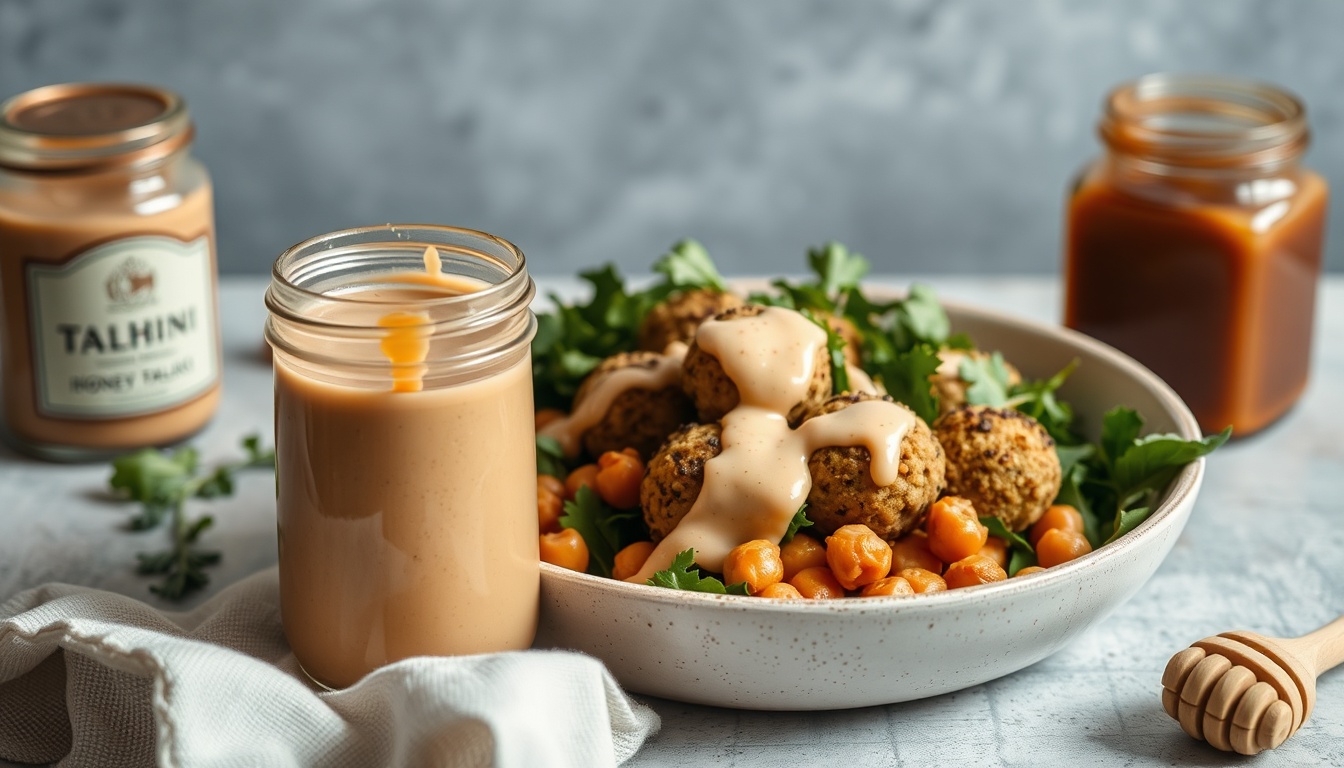
Tahini and honey are a natural pairing because they solve each other's problems.
Tahini on its own can taste flat, bitter, and heavy — especially if it sits too long or comes from over-roasted sesame seeds. Honey rounds off the bitterness with gentle sweetness, lifts the heavy sesame flavor, and adds a floral dimension that makes the dressing taste complex rather than one-note.
Honey on its own in a dressing can be cloying and overly sweet. Tahini's fat content and nutty depth absorb the sweetness, grounding it the way butter rounds off sweetness in baked goods. The lemon juice provides the acid that ties everything together, cutting through both the richness and the sweetness.
The result is a dressing that hits all five taste receptors: sweet (honey), sour (lemon), salty (sea salt), bitter (tahini's slight edge), and umami (toasted sesame). This is why people reach for honey tahini dressing on everything — it genuinely makes most foods taste better.
Choosing the Right Tahini
The quality of your tahini matters more than the quality of any other ingredient in this dressing.
- Look for tahini made from hulled sesame seeds — it produces a smoother, milder paste. Unhulled sesame tahini has more fiber and minerals but tastes more bitter and produces a grittier dressing
- Choose a brand with a single ingredient: roasted sesame seeds. Avoid tahini with added oils, salt, or stabilizers
- Before measuring, stir the tahini jar thoroughly. Sesame oil separates and rises to the top. If you scoop from the bottom, you get a dry, paste-like glob that will not emulsify smoothly. If you pour from the top, you get mostly oil
- Lightly roasted tahini (pale golden color) produces the mildest, most versatile dressing. Dark-roasted tahini (deep brown) has a more intense, almost coffee-like flavor that can overpower the honey
Get the Honey Buyer's Cheat Sheet (free PDF)
16 varieties on one page — color, flavor, best use and what a fair price looks like — from the 304 honeys we track.
Best Honey for Tahini Dressing
Any liquid honey works, but the variety influences the flavor profile.
- Wildflower honey — the best all-around choice. Its multi-floral complexity adds depth without competing with the sesame flavor
- Clover honey — mild and clean. Lets the tahini flavor dominate. Good if you want a subtle sweetness that stays in the background
- Acacia honey — very light and stays liquid. Its neutral sweetness pairs especially well with the cumin or za'atar variations
- Orange blossom honey — adds a citrus-floral note that amplifies the lemon juice and creates a brighter, more aromatic dressing
- Avoid strong honeys like buckwheat or chestnut — their bold, malty flavors compete with the tahini and can make the dressing taste muddy
7 Ways to Use Honey Tahini Dressing
This dressing is one of the most versatile sauces in any kitchen. Here are the best uses.
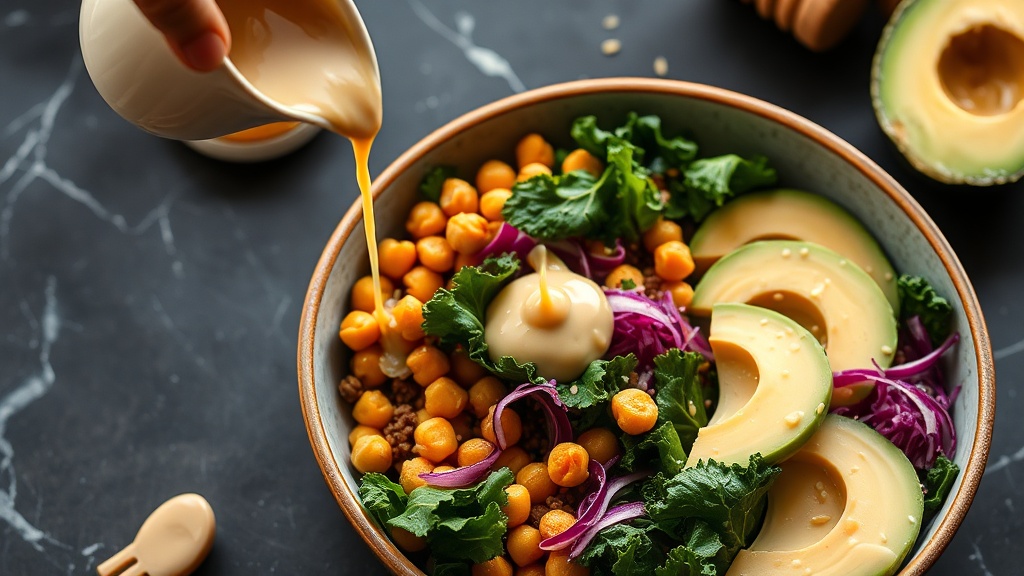
- Green salads — drizzle over kale, arugula, spinach, or mixed greens with roasted chickpeas, shaved carrots, and seeds. The fat in tahini helps your body absorb fat-soluble vitamins from the greens
- Grain bowls — pour over quinoa, farro, or rice bowls with roasted vegetables, avocado, and a protein. The dressing ties together disparate ingredients into a cohesive meal
- Roasted vegetables — drizzle over roasted cauliflower, sweet potatoes, Brussels sprouts, or carrots right after they come out of the oven. The warm vegetables absorb the dressing and develop a light glaze
- Falafel and wraps — use as the primary sauce in pita sandwiches, falafel wraps, or Mediterranean flatbreads. Thin the dressing slightly for better drizzling
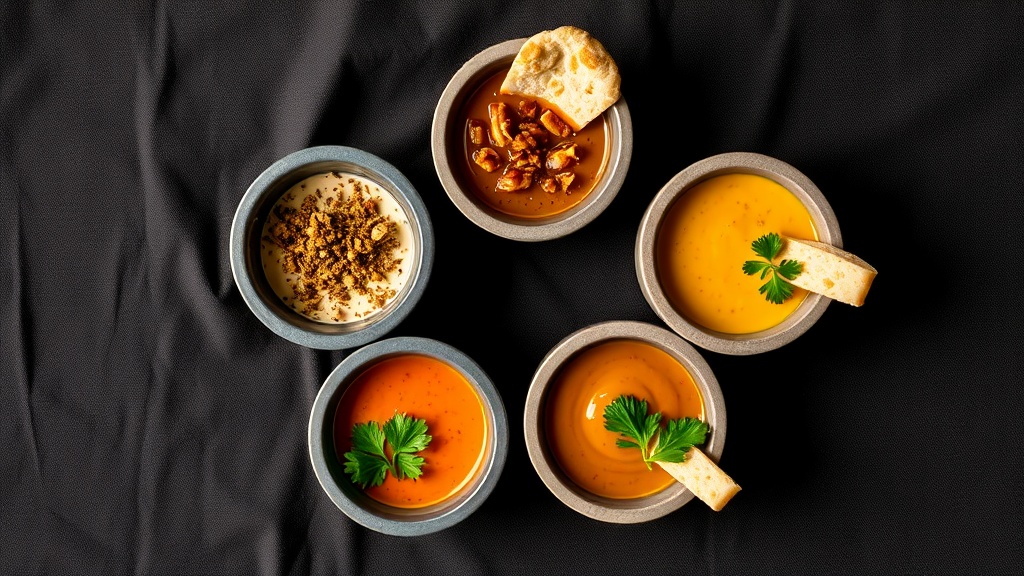
- Dipping sauce — keep the dressing thick (3 tablespoons water) and serve alongside raw vegetables, pita chips, or honey bread. A crowd-pleasing appetizer that comes together in minutes
- Noodle bowls — toss with cold soba noodles, shredded cabbage, edamame, and sesame seeds for a quick lunch. Add a splash of soy sauce and rice vinegar to shift the flavor toward Asian-inspired
- Breakfast drizzle — pour over toast with sliced banana, or swirl into overnight oats or yogurt parfaits for a protein-rich topping
5 Flavor Variations
The base recipe is a starting point. Small additions create completely different dressings.
- Honey tahini with za'atar — stir in 1 teaspoon za'atar (a Middle Eastern spice blend of thyme, sumac, and sesame) for an earthy, tangy version that is exceptional on roasted eggplant and grilled lamb
- Spicy honey tahini — add 1/2 teaspoon sriracha or hot honey instead of regular honey for a sweet-spicy dressing that works on grain bowls and grilled chicken
- Honey tahini with ginger — add 1 teaspoon freshly grated ginger for a warming, slightly peppery version that pairs well with Asian-inspired noodle bowls and stir-fried vegetables
- Maple tahini — replace honey with maple syrup for a deeper, more autumnal sweetness. Excellent on roasted root vegetables and fall salads with apples and pecans
- Herbed honey tahini — stir in 2 tablespoons chopped fresh herbs (dill, parsley, or cilantro) for a green-flecked dressing that works on Mediterranean platters and grilled fish
Troubleshooting Common Issues
Honey tahini dressing is simple, but two problems come up repeatedly.
- The dressing seized into a thick paste — this happens when you add cold water or too much water at once. Tahini is an emulsion, and sudden temperature or liquid changes break it. Fix: add warm water one tablespoon at a time, whisking constantly. The paste will loosen into a smooth cream
- The dressing tastes bitter — your tahini is either old (rancid sesame oil) or made from over-roasted seeds. Fix: add another tablespoon of honey and a pinch of salt. If it still tastes off, the tahini itself needs replacing. Fresh tahini should taste nutty and pleasant on its own
- The dressing separated in the fridge — completely normal. The sesame oil rises, just like in the tahini jar. Stir vigorously or shake the jar to re-emulsify. A splash of warm water helps if it has thickened too much
- The dressing is too thin — you added too much water. Fix: whisk in another tablespoon of tahini. Or refrigerate for 30 minutes — tahini thickens as it cools
Nutrition Notes
Honey tahini dressing is nutrient-dense compared to most store-bought dressings.
A 2-tablespoon serving of this dressing has roughly 90-100 calories, which is comparable to or less than most commercial creamy dressings but with a far better micronutrient profile.
Storage and Make-Ahead Tips
This dressing is an ideal make-ahead staple.
- Refrigerator — lasts 7 days in a sealed jar or squeeze bottle. The garlic and lemon act as mild preservatives
- Freezer — not recommended. The emulsion breaks during freezing and will not re-emulsify smoothly
- Batch prep — double or triple the recipe and store in a squeeze bottle for easy weeknight drizzling. Shake before each use
- Meal prep — drizzle over grain bowls and salads up to 2 days in advance. The dressing soaks in slightly but remains flavorful. Avoid dressing delicate greens more than a few hours ahead — they wilt