Why Women Should Make Honey a Daily Habit
Honey has been used in women's wellness traditions across cultures for millennia — from Ayurvedic fertility tonics to ancient Egyptian beauty treatments. Modern research is catching up, revealing mechanisms that are especially relevant to women's unique health concerns.
This guide focuses on benefits most relevant to women: hormonal balance, bone density (osteoporosis affects women 4x more than men), menstrual symptom relief, fertility support, skin and hair health, and conditions like PCOS. Every claim is grounded in published research, and we're honest about where evidence is strong versus preliminary.
While honey benefits everyone — see our raw honey benefits guide for the complete picture — these 10 benefits address health priorities that disproportionately affect women or where female-specific research exists.
1. Hormonal Balance and PCOS Support
Polycystic ovary syndrome (PCOS) affects 8-13% of women of reproductive age, driven by insulin resistance, chronic inflammation, and androgen excess. Honey addresses multiple PCOS pathways simultaneously.
**Insulin sensitivity:** The 2022 Nutrition Reviews meta-analysis of 18 RCTs found honey reduced fasting blood glucose and improved insulin markers compared to other sweeteners. Since insulin resistance drives androgen overproduction in PCOS, improving insulin sensitivity is a frontline strategy. Acacia honey ($12–20) has the lowest glycemic index (32-35) of common honeys, making it particularly suitable.
**Anti-inflammatory effects:** PCOS involves chronic low-grade inflammation measured by elevated CRP, IL-6, and TNF-α. Honey's polyphenols — chrysin, quercetin, and kaempferol — inhibit the NF-κB inflammatory pathway that drives these markers. See our honey for inflammation guide for the complete mechanism.
**Antioxidant protection:** Oxidative stress worsens PCOS symptoms including irregular cycles and ovarian cyst formation. A 2018 study in Pharmacognosy Research documented honey's ability to reduce oxidative stress biomarkers through 30+ polyphenol compounds.
Pro Tip
PCOS research on honey specifically is still emerging — most evidence comes from honey's documented effects on insulin resistance and inflammation, which are established PCOS drivers. Honey is not a replacement for medical PCOS management but may complement it as part of an anti-inflammatory diet.
Get the Honey Buyer's Cheat Sheet (free PDF)
16 varieties on one page — color, flavor, best use and what a fair price looks like — from the 268 honeys we track.
2. Menstrual Pain and PMS Relief
Dysmenorrhea (menstrual cramps) affects up to 90% of women, driven by prostaglandin-mediated uterine contractions and inflammatory cascades. Honey's anti-inflammatory properties target these mechanisms directly.
**Prostaglandin modulation:** Honey polyphenols inhibit COX-2, the enzyme responsible for producing the prostaglandins that cause uterine cramping — the same pathway targeted by ibuprofen and naproxen. While honey's effect is milder than NSAIDs, it avoids their gastrointestinal side effects.
**PMS symptom support:** PMS involves serotonin fluctuations, blood sugar instability, and inflammation. Honey provides tryptophan (a serotonin precursor), stable dual-speed energy from its glucose-fructose blend, and broad anti-inflammatory polyphenols. Combining honey with cinnamon may enhance benefits — cinnamon has its own evidence for menstrual pain reduction.
A practical approach: warm ginger tea with honey during menstruation combines honey's anti-inflammatory effects with ginger's documented anti-nausea and pain-reducing properties (2020 JAND meta-analysis of 12 RCTs showed ginger reduced menstrual pain).
3. Bone Health and Osteoporosis Prevention
Women lose up to 20% of bone density in the 5-7 years following menopause due to estrogen decline. Osteoporosis affects 1 in 3 women over 50, making bone health a critical women's concern.
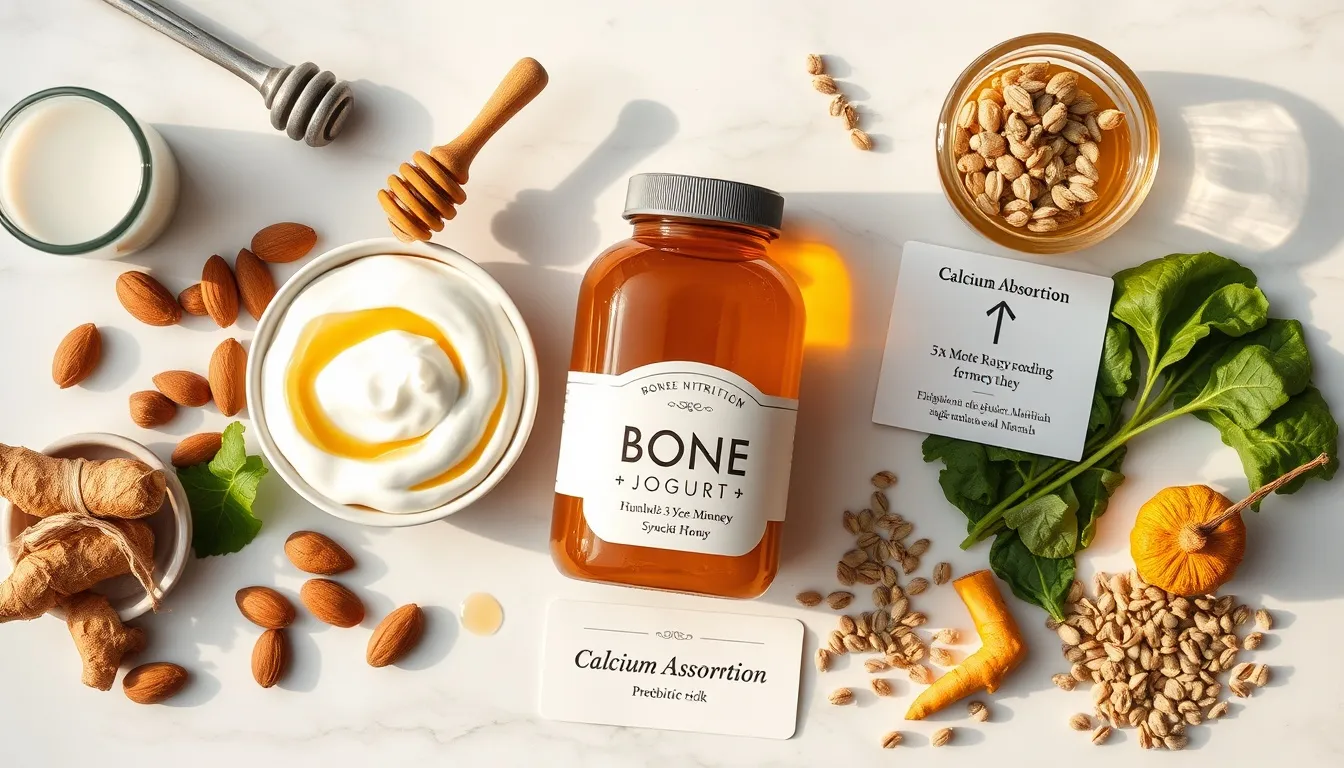
**Calcium absorption enhancement:** Honey's prebiotic oligosaccharides (FOS and GOS) promote the growth of beneficial gut bacteria that produce short-chain fatty acids (SCFAs). SCFAs lower intestinal pH, which increases calcium solubility and absorption. A 2007 study in the American Journal of Clinical Nutrition found that prebiotic supplementation increased calcium absorption by 8-12%.
**Anti-inflammatory bone protection:** Chronic inflammation accelerates osteoclast (bone-resorbing cell) activity. Honey's NF-κB inhibition reduces pro-inflammatory cytokines TNF-α and IL-6 that drive bone loss. Animal studies with Tualang honey showed improved bone density markers in ovariectomized rats (a model for postmenopausal osteoporosis).
**Trace minerals:** Dark honeys like buckwheat honey ($15–25, ORAC 16,000+) contain 3-5x more calcium, magnesium, and manganese than lighter varieties — minerals directly involved in bone matrix formation. Combining honey with yogurt creates a synbiotic that maximizes both calcium intake and absorption.
4. Fertility and Reproductive Health
Honey's effects on female fertility operate through multiple pathways: reducing oxidative stress in ovarian tissue, improving uterine lining quality, and modulating hormones involved in ovulation.
**Ovarian antioxidant protection:** Oxidative stress damages oocytes (egg cells) and disrupts follicular development. Honey's concentrated polyphenols — particularly quercetin and kaempferol — have demonstrated protective effects on ovarian tissue in animal studies. A 2019 study in Biomedicine & Pharmacotherapy found that honey supplementation improved ovarian follicle counts and hormone profiles in animal models.
**Uterine health:** Honey's anti-inflammatory properties may support endometrial receptivity — the uterine lining's ability to accept embryo implantation. Chronic endometrial inflammation is an underrecognized cause of implantation failure and recurrent miscarriage.
**Complementary nutrients:** Royal jelly, produced by bees alongside honey, has stronger evidence for female fertility — a 2018 systematic review found it improved ovarian function markers. Combining honey with royal jelly may provide complementary benefits.
Pro Tip
Fertility research on honey in women is primarily from animal models. Do not rely on honey as a fertility treatment. However, replacing refined sugar with honey during preconception is a low-risk dietary improvement that supports overall metabolic and reproductive health.
5. Skin Health and Anti-Aging
Skin aging is accelerated by oxidative stress, chronic inflammation, UV damage, and declining collagen production — all processes honey can modulate. Women are the primary consumers of skincare products, and honey offers evidence-based benefits at a fraction of the cost.
**Topical benefits:** Honey is a natural humectant (draws moisture into skin), antibacterial (effective against acne-causing C. acnes), and anti-inflammatory (reduces redness and irritation). A 2017 review in the Journal of Cosmetic Dermatology confirmed honey's efficacy for wound healing, acne, and moisturization. See our honey face mask guide for 6 DIY recipes.
**Internal anti-aging:** Honey's polyphenols activate the Nrf2 antioxidant pathway, protecting skin cells from UV-induced oxidative damage. Regular consumption supports the gut-skin axis — healthy gut bacteria (supported by honey's prebiotics) reduce systemic inflammation that manifests as premature skin aging, dullness, and breakouts.
**Hair health:** Honey's humectant and emollient properties extend to hair care. See our honey for hair guide for masks tailored to dry, damaged, curly, and color-treated hair. A 2003 study in the European Journal of Medical Research found honey reduced hair loss in women with seborrheic dermatitis.
6. Menopause Symptom Support
Menopause brings hot flashes, sleep disruption, mood changes, bone loss, and cardiovascular risk shifts. Honey addresses several of these through its diverse bioactive compounds.
**Sleep disruption:** Up to 60% of menopausal women experience sleep problems. Honey's liver glycogen replenishment prevents overnight cortisol spikes, while its tryptophan supports melatonin production. See our honey before bed guide for more on how honey before sleep may support sleep quality without the side effects of sleep medications.
**Mood and anxiety:** Estrogen decline affects serotonin and GABA neurotransmitter systems. Honey supports serotonin production through tryptophan and supports gut bacteria that produce 90% of the body's serotonin via the gut-brain axis. Chrysin in honey has demonstrated GABA-A receptor modulation in animal studies.
**Cardiovascular protection:** Women's cardiovascular risk increases sharply after menopause. The 2022 Nutrition Reviews meta-analysis showed honey reduced LDL cholesterol, triglycerides, and CRP — key risk factors that worsen postmenopausally.
7. Urinary Tract Health
Women are 30x more likely than men to develop urinary tract infections (UTIs) due to shorter urethras and hormonal influences on the urogenital microbiome. Honey's antimicrobial properties show promise for UTI prevention.
**Antibacterial activity:** Honey — particularly Manuka honey ($35–60+, UMF 10+) — demonstrates in vitro activity against common UTI pathogens including E. coli (responsible for 80-90% of UTIs), Klebsiella pneumoniae, and Proteus mirabilis. A 2017 study in the Journal of Microbiology, Biotechnology and Food Sciences found manuka honey inhibited uropathogenic E. coli biofilm formation.
**Prebiotic support:** Honey's FOS and GOS promote lactobacillus growth in the gut and urogenital tract. Lactobacillus dominance in the vaginal microbiome is the primary defense against UTI-causing bacteria ascending to the bladder.
Honey is not a replacement for antibiotics when treating an active UTI. However, regular consumption may support the urogenital microbiome as a preventive strategy, especially for women prone to recurrent infections.
8. Digestive Health During Pregnancy
Pregnancy brings unique digestive challenges: nausea, constipation, heartburn, and altered gut microbiome composition. Honey can address several of these safely.
**Nausea relief:** Combining honey with ginger targets pregnancy nausea through complementary mechanisms — ginger's prokinetic effects plus honey's soothing viscous coating and stable blood sugar support. The 2020 JAND meta-analysis confirmed ginger's efficacy for pregnancy nausea.
**Constipation:** Honey's osmotic effect and prebiotic stimulation of SCFA-producing bacteria promote gentle bowel motility. See our honey for constipation guide for practical protocols.
**Safe consumption:** Honey is safe for pregnant women — adult digestive systems destroy C. botulinum spores that are dangerous only to infants under 12 months. See our honey during pregnancy guide for trimester-specific guidance. If you're managing gestational diabetes, talk to your OB-GYN or diabetes educator about how honey fits your plan.
9. Iron Absorption and Anemia Prevention
Iron deficiency anemia is the most common nutritional deficiency worldwide, disproportionately affecting women due to menstrual blood loss, pregnancy demands, and lower average calorie intake. While honey itself is not iron-rich, it enhances iron absorption and provides complementary support.
**Vitamin C and organic acids:** Honey contains ascorbic acid and organic acids that enhance non-heme iron absorption from plant foods. Consuming honey alongside iron-rich foods (spinach, lentils, fortified cereals) may improve iron uptake.
**Dark honey mineral content:** Dark honeys like buckwheat honey ($15–25) contain 3-5x more iron than lighter varieties — while not enough alone to treat anemia, they contribute meaningfully when combined with other dietary sources. Buckwheat honey provides roughly 0.5mg iron per tablespoon versus 0.1mg in clover ($8–15).
**Anti-inflammatory support:** Chronic inflammation (elevated hepcidin) blocks iron absorption regardless of dietary intake — a condition called "anemia of inflammation." Honey's anti-inflammatory effects may help normalize iron metabolism by reducing inflammatory cytokines that drive hepcidin production.
10. Breast Health and Antioxidant Protection
Breast cancer is the most common cancer in women worldwide. While no food prevents cancer, honey's antioxidant and anti-inflammatory properties are being studied for their potential protective role.
**Laboratory evidence:** Multiple in vitro studies have shown that honey extracts — particularly from Tualang, manuka, and thyme honey — induce apoptosis (programmed cell death) in breast cancer cell lines while sparing normal cells. The mechanisms include mitochondrial pathway activation, caspase cascade triggering, and cell cycle arrest.
**Anti-inflammatory environment:** Chronic inflammation creates a pro-tumorigenic microenvironment. Honey's NF-κB pathway inhibition, COX-2 suppression, and cytokine modulation maintain a less inflammatory tissue environment. The 2022 meta-analysis confirmed honey reduces CRP — an inflammation marker linked to cancer risk in epidemiological studies.
**Realistic assessment:** Laboratory cell studies do not prove dietary honey prevents breast cancer. The evidence supports honey as part of an anti-inflammatory, antioxidant-rich diet — not as a cancer preventive. Regular screening remains the most important tool for early detection.
Best Honey Types for Women's Health
Different honey varieties offer distinct advantages depending on your health priorities:
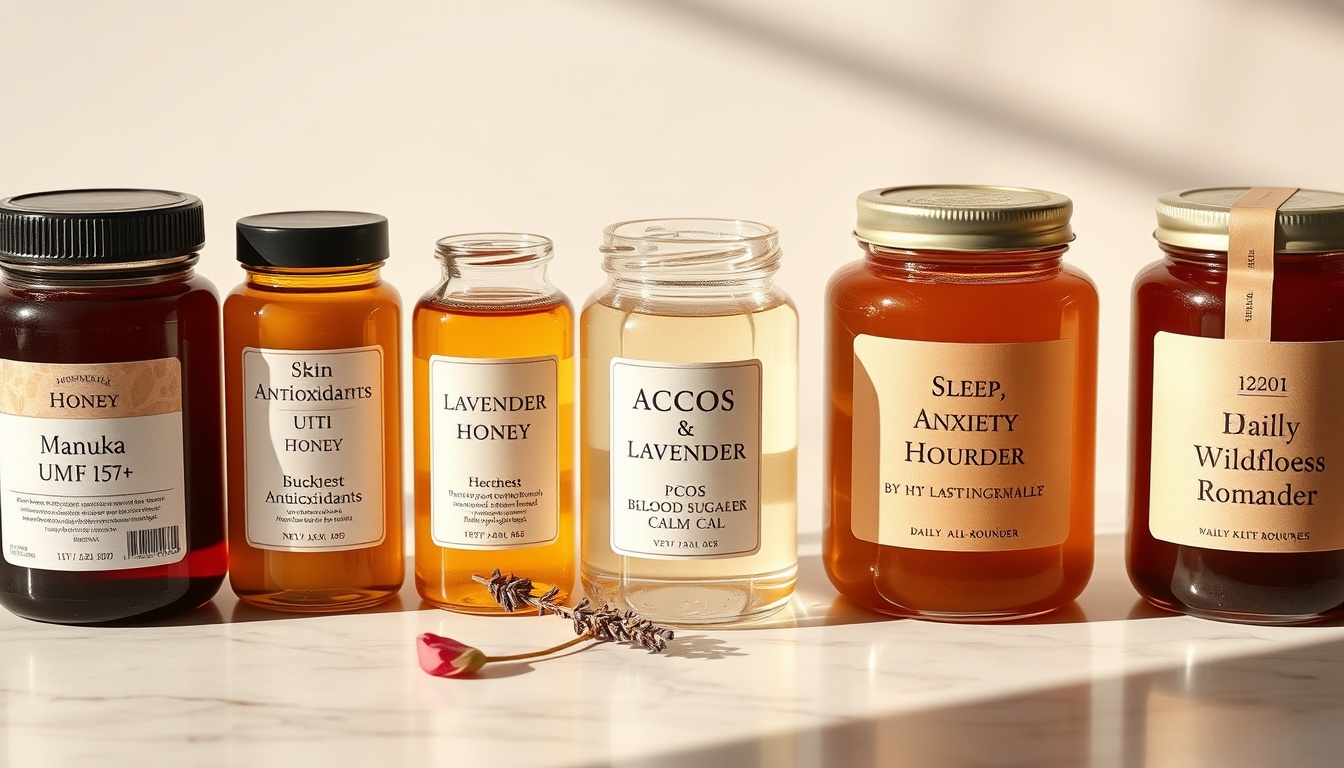
- **Manuka honey ($35–60+) — best for skin, immunity, and UTI prevention:** Contains methylglyoxal (MGO) for potent antibacterial activity. UMF 10+ for general health, UMF 15+ for skin and therapeutic use
- **Buckwheat honey ($15–25) — best for antioxidants and iron support:** Highest antioxidant content (ORAC 16,000+ — 3-9x more polyphenols than clover), plus more iron and minerals than lighter varieties
- **Acacia honey ($12–20) — best for PCOS and blood sugar management:** Lowest glycemic index (32-35) of common honeys, ideal for women managing insulin resistance
- **Lavender honey ($15–25) — best for sleep and anxiety relief:** Retained linalool compounds modulate GABA receptors for calming effects
- **Wildflower honey ($10–18) — best daily all-rounder:** Broad polyphenol diversity from multiple floral sources at a reasonable price
- **Clover honey ($8–15) — best budget option:** Widely available, mild flavor ideal for daily use in tea, yogurt, and oatmeal. A practical everyday choice when more expensive varieties are reserved for targeted health goals
- **Always choose raw over processed:** Pasteurization destroys the enzymes, antioxidants, and prebiotic compounds that drive most of these benefits. See our raw vs organic guide for buying advice
Honey and Womens Health: Evidence Boundaries
Being female does not create a distinct honey requirement; pregnancy, diabetes, and other health concerns require individualized care.
- Honey is not required for general health; dietary variety matters more than a special honey routine.
- Honey is not established as menstrual-pain treatment; severe or changing symptoms need evaluation.
- Evidence does not support honey as a sleep aid.
- Eating honey has not been shown to treat skin conditions.
- During pregnancy, treat honey as a carbohydrate-containing sweetener and use guidance from the prenatal care team for nutrition, symptoms, and glucose management.
- Honey is not established as bone-health treatment; use evidence-based nutrition and clinical care.
- **Calorie awareness:** Each tablespoon contains ~64 calories. Substitute for other sweeteners rather than adding on top of existing sugar intake
Pro Tip
This section does not establish a universal or medical honey dose for this purpose. Use the daily added-sugar guide to count honey with other added or free sugars.
Safety and Precautions
Honey is extremely safe for most adult women, but keep these considerations in mind:
- **Pregnancy:** Honey is safe for pregnant women as part of a balanced diet. Monitor blood sugar if gestational diabetes is a concern, and talk to your prenatal care team about how much added sugar, including honey, is right for you. See our honey during pregnancy guide
- Honey remains a fast-acting carbohydrate; this pregnancy and medication section does not establish a diabetes protocol.
- **Breastfeeding:** Honey is safe while breastfeeding — botulism spores are not transmitted through breast milk. However, do not give honey directly to infants under 12 months — see our when can babies have honey guide
- **Weight management:** At 64 calories per tablespoon, substitute honey for other sweeteners rather than adding extra calories — see our honey for weight loss guide
- **Drug interactions:** Honey may interact with blood-thinning medications (warfarin) and diabetes medications. Consult your doctor if you take prescription medications
- **Not a medicine replacement:** Honey supports health but does not replace medical treatment for PCOS, endometriosis, osteoporosis, or other conditions. Use it as a dietary complement alongside appropriate medical care